
The Somali Camel: More Than an Animal - A Symbol of Survival, Wealth, and Nomadic Ingenuity
By: Chimdindu Ken-Anaukwu
To many outsiders, a camel is simply a desert animal. To the Somali people, the camel is life itself. It represents survival in a harsh environment, a measure of wealth, and a deep source of cultural pride.
In this NKENNE guide, explore why the camel holds such a central place in Somali culture and how it continues to shape the identity of the Somali people.
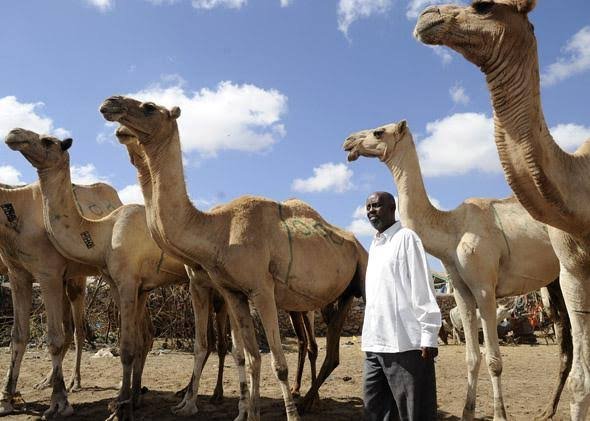
The Camel in Somali History and Nomadic Life
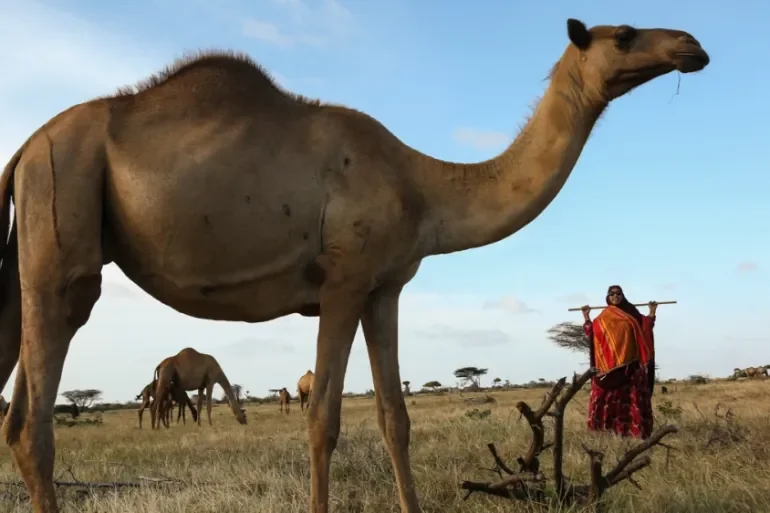
For thousands of years, the Somali people have lived as nomadic pastoralists in one of the harshest environments on earth. The camel is perfectly adapted to this life.
It can survive long periods without water, travel great distances, and thrive on sparse vegetation. This made the camel the ideal partner for Somali herders moving across the Horn of Africa.
Practical Gifts of the Camel
The camel is incredibly generous to those who care for it:
Milk: Camel milk is highly nutritious, rich in vitamins, and stays fresh longer than cow milk. It is a daily staple for many nomadic families.
Transport: Camels carry heavy loads across dry lands where vehicles often cannot go.
Meat and Materials: Camel meat provides important protein. Skin is used for making containers, ropes, and shelter. Hair is used for weaving.
Fuel and Fertilizer: Even dung has practical uses as fuel or fertilizer.
A single healthy camel can sustain a family in ways few other animals can.
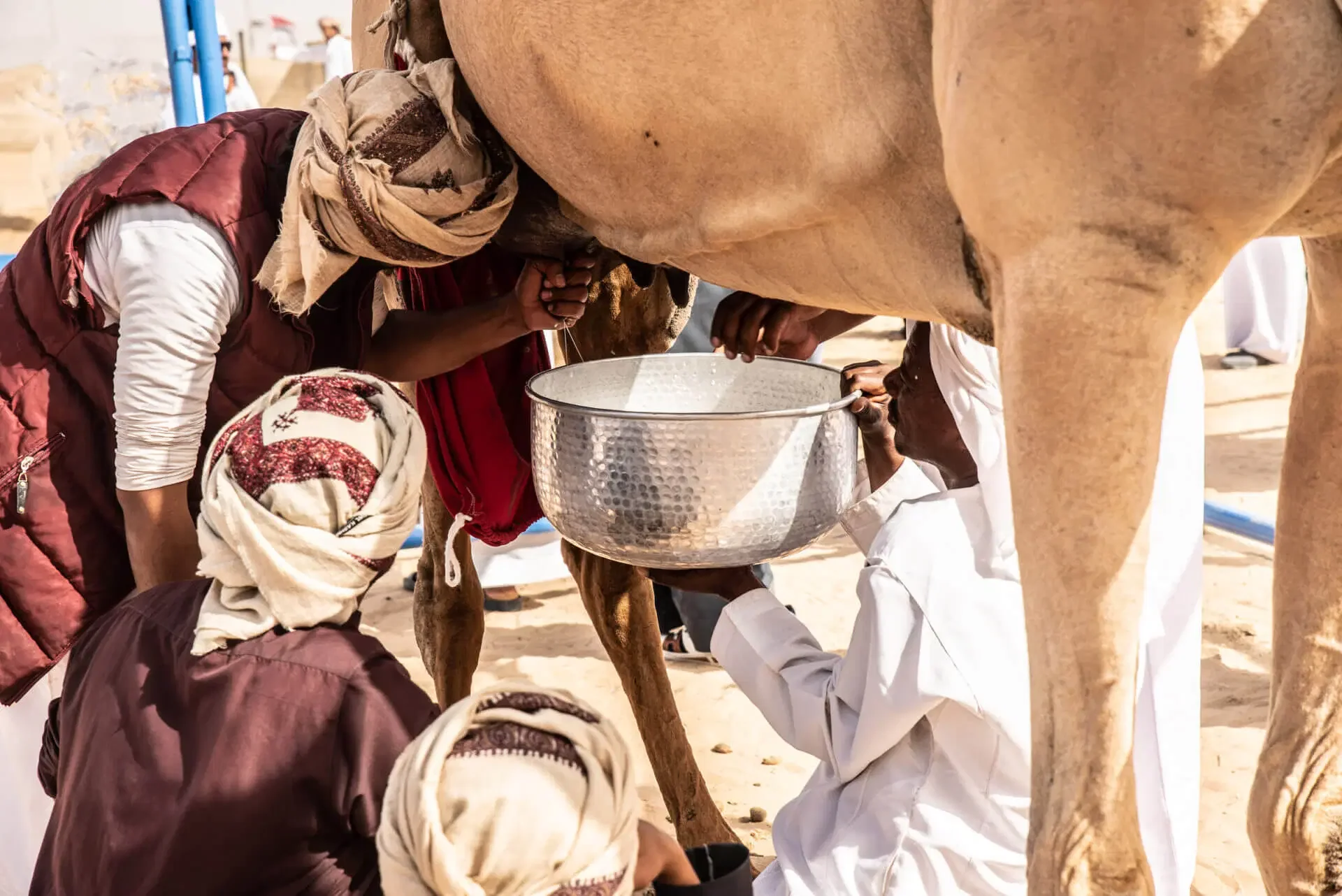
The Camel as a Symbol of Wealth and Status
In traditional Somali society, wealth is often measured in camels. A man’s status and ability to support a family are closely tied to the size of his herd.
Camels are given as dowry in marriages and used to settle disputes. Owning many camels brings respect and security. Losing them can mean losing everything.
This connection between camels and prosperity remains strong in both rural and urban Somali communities.
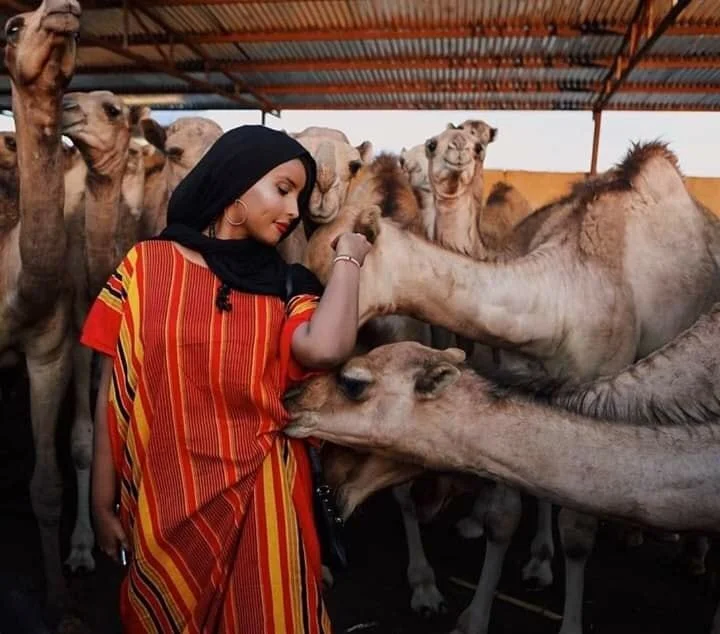
Camels in Somali Poetry and Culture
Somali oral poetry frequently celebrates the camel. Poets compose verses praising its strength, patience, and beauty. Camels appear in proverbs, songs, and stories that teach values like endurance and generosity.
The deep emotional bond between herder and camel is reflected in this rich poetic tradition. Even today, many modern Somali songs and poems reference the camel as a symbol of home and resilience.
The Camel Today
While many Somalis now live in cities or abroad, the camel remains culturally important. Camel milk is increasingly popular in urban markets and among the diaspora for its health benefits.
Modern entrepreneurs export Somali camel products, and conservation efforts help protect traditional herding practices. The camel continues to represent Somali ingenuity and adaptability in a changing world.
FAQ
Why are camels so important to Somali people?
Camels provide milk, transport, and economic security in arid lands where other livestock struggle to survive.
Is camel milk different from cow milk?
Yes. Camel milk is sweeter, more nutritious, and has medicinal properties. It is easier to digest for many people.
Do Somalis still use camels for transport today?
Yes, especially in rural and nomadic areas where roads are limited. Camels remain practical and reliable.
How are camels used in Somali marriages?
Camels are traditionally given as part of the bride price (meher), reflecting the groom’s ability to provide for his new family.
Are camels still a measure of wealth?
In many communities, yes. The number of camels a family owns still signals prosperity and social standing.
Can you eat camel meat?
Yes. Camel meat is lean, nutritious, and commonly consumed in Somali cuisine.
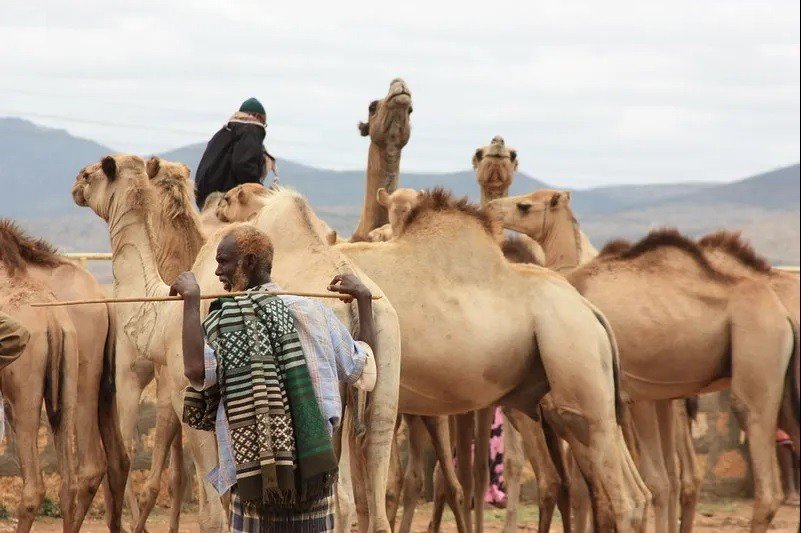
The Somali camel is far more than livestock. It is a living symbol of survival, resilience, and cultural identity that has sustained the Somali people for generations.
Understanding the camel helps us appreciate the ingenuity and strength at the heart of Somali nomadic heritage.
Continue exploring Somali culture and language on the NKENNE app. Discover more stories, traditions, and lessons that connect you to this remarkable heritage.