
The True Origins of the Swahili People: Bantu Roots and the Birth of a Coastal Civilization
By: Chimdindu Ken-Anaukwu
Many people assume Swahili culture started with Arab or Persian traders. That story misses the foundation. The Swahili people trace their deepest roots to Bantu-speaking African communities who settled the East African coast long before significant foreign contact. From the early centuries of the first millennium, these communities built a unique coastal way of life. By the 8th century, they had already developed distinct settlements, language foundations, and identity.
In this post, you will discover how Bantu roots shaped the Swahili people. You will see how they created a thriving coastal civilization through farming, fishing, trade, and innovation. This is the authentic starting point of one of Africa's most dynamic cultures.
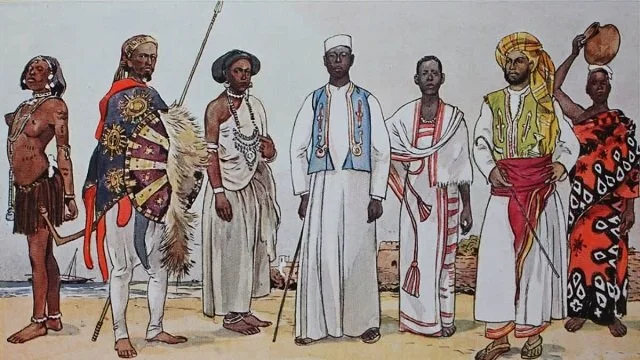
The Bantu Foundation of Swahili Identity
The Swahili people descend primarily from Bantu-speaking Africans who migrated and settled the East African coast. These communities brought ironworking skills, farming knowledge, and a rich oral tradition. Their language family forms the core of Kiswahili today.
Archaeological evidence from sites in Kenya, Tanzania, and Mozambique shows settled villages with agriculture, fishing, and iron tools appearing well before the 8th century. This was not empty land waiting for outsiders. It was an active African coastal society already connected through local networks.
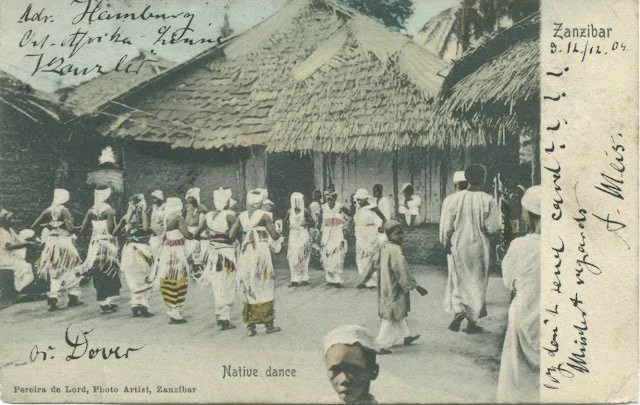
Early Settlements Along the Coast
By the 6th century or earlier, Bantu communities lived in places like Fukuchani on Zanzibar and similar sites on the mainland. They built homes with timber and daub, made shell beads, and produced iron. They fished the rich waters and farmed crops suited to the coastal environment.
These early settlements shared material culture with inland groups. Pottery styles and tools linked coast and interior. This shows the Swahili coast emerged from a broader African network rather than as a sudden foreign creation.
Language and Daily Life Before the 8th Century
Kiswahili began as a Bantu language. Its grammar and basic vocabulary are firmly African. Early coastal dwellers spoke dialects that would evolve into the language we know today.
Daily life revolved around fishing, farming millet and sorghum, keeping livestock, and trading surplus goods with neighbors. Communities lived in kinship-based groups. They valued craftsmanship, storytelling, and respect for elders. These elements remain central to Swahili culture.
Limited long-distance trade existed early on. Small amounts of imported goods appear in excavations. But the main drivers of life were local resources and ingenuity.
Waungwana: The Civilized Ones
The original Swahili people called themselves Waungwana. This term means "the civilized ones" or "the freeborn." It reflected pride in their coastal lifestyle, urban manners, and sophisticated ways compared to some inland groups at the time.
This self-identity grew from their success as farmers, fishers, and traders. It was an African assertion of achievement, not something granted by outsiders. Waungwana emphasized hospitality, cleanliness, and social order.
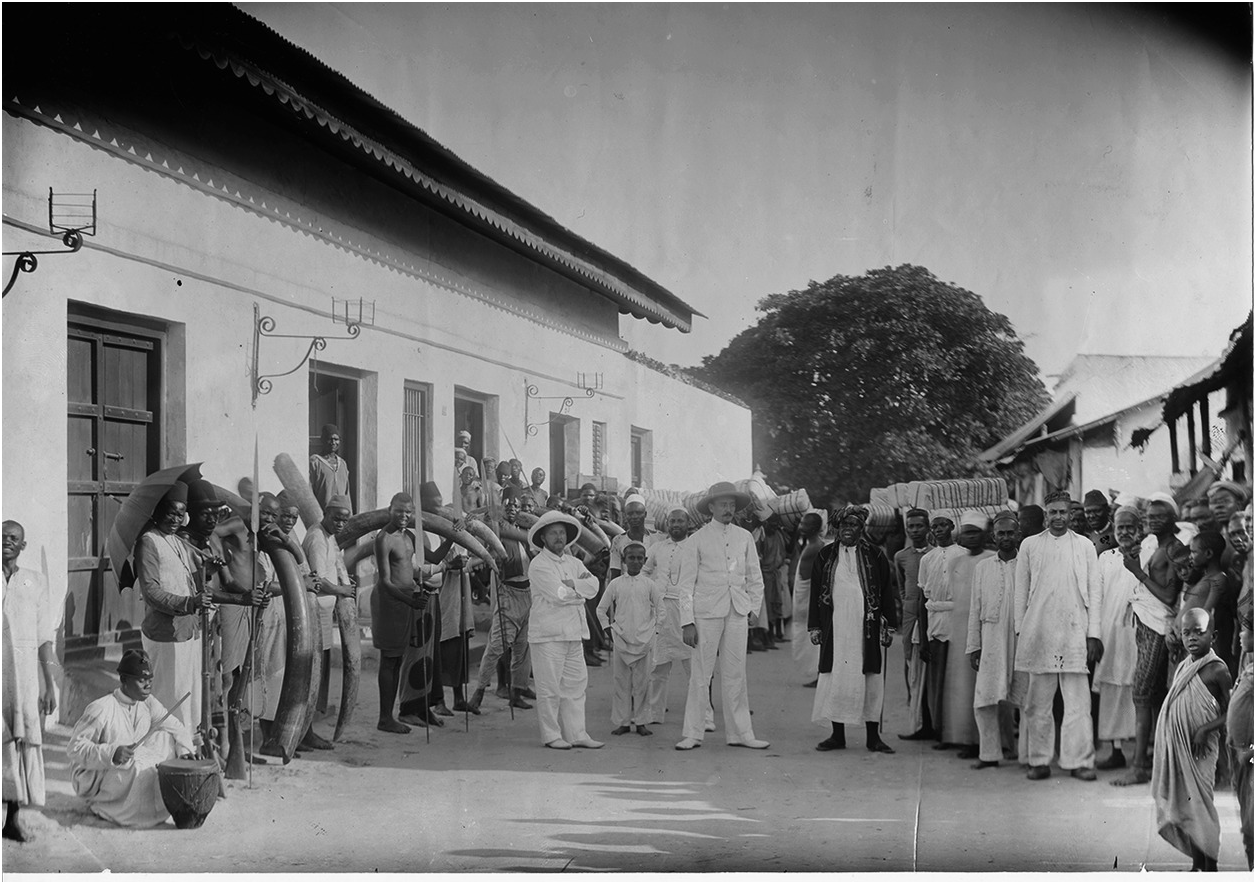
How Local Trade and Innovation Built a Civilization
Coastal Bantu communities took advantage of natural harbors and monsoon winds. They traded with each other and interior societies for ivory, gold, timber, and food. This internal network laid the groundwork for later Indian Ocean commerce.
They developed boat-building skills and navigation knowledge. Iron smelting improved tools and weapons. Social organization allowed larger settlements to grow into towns. By the 8th century, these foundations supported the famous city-states like Kilwa and Mombasa.
The civilization was already vibrant when Arab and Persian traders arrived in greater numbers. The newcomers added layers. They did not create the base.
The Swahili Identity Takes Shape
From the 8th century onward, increased trade brought more cultural exchange. Arabic loanwords entered the language. Islam spread among elites. Yet the core remained Bantu. Kiswahili kept its African grammar. Social customs blended old and new in distinctly coastal ways.
This fusion created the Swahili we recognize today. But understanding the Bantu roots first helps appreciate the African genius that made it all possible.
FAQs About Swahili Origins
Were the Swahili people originally Bantu?
Yes. The Swahili trace their primary ancestry and language roots to Bantu-speaking African communities who settled the coast.
When did foreign influences begin?
Significant Arab and Persian contact increased around the 7th to 8th centuries. Earlier interactions were limited.
What does Waungwana mean?
It means "the civilized ones." It was the early self-name of coastal Swahili people, reflecting pride in their way of life.
Was there trade before the 8th century?
Yes. Local and regional trade existed. Long-distance Indian Ocean trade grew stronger later.
How do we know about these early origins?
Archaeology, linguistics, genetics, and oral traditions all point to deep Bantu roots with later admixtures.
Why does this history matter today?
It highlights African innovation and agency. It gives proper context to Swahili achievements and strengthens cultural pride.
The true origins of the Swahili people reveal a story of African creativity and adaptation. Bantu communities built a thriving coastal civilization through skill, trade, and community. Later influences enriched it, but the roots run deep in East African soil.
Understanding this foundation helps us appreciate the full richness of Swahili heritage. It is a story of people who turned their environment and connections into something enduring and unique.
Ready to explore more of this proud history and the language it produced? NKENNE offers practical lessons on Swahili culture, origins, and everyday conversation. Start today and connect more deeply with this living heritage. Karibu!