
The Queen of Sheba and the Birth of a Nation: Ethiopia’s Greatest Legend
By: Chimdindu Ken-Anaukwu
Imagine a wise and powerful queen traveling hundreds of miles in search of truth. She meets the wisest king of her time, returns home transformed, and gives birth to a son who changes the destiny of her people. This is not just a Bible story. In Ethiopia, the tale of Makeda, the Queen of Sheba, is the foundation of national identity. It explains why Ethiopians see their land as a chosen place, why the Ark of the Covenant rests here, and why Amharic speakers carry this story in their language, faith, and daily pride.

The Queen Who Sought Wisdom
In Ethiopian tradition, her name is Makeda. She ruled a prosperous kingdom that included parts of modern Ethiopia and beyond.
She was known for her intelligence, beauty, and strong leadership. When news reached her of a king in Jerusalem famed for unmatched wisdom, she decided to see for herself.
This was no casual visit. Makeda prepared a grand caravan loaded with precious gifts — gold, spices, and rare stones. Her journey tested her determination and curiosity.
The Meeting That Changed History
Makeda and King Solomon spent months in deep conversation. She asked him difficult questions. He answered with insight that amazed her.
According to the Kebra Nagast, their exchange went beyond words. On her final night, a powerful bond formed. Makeda returned home carrying more than gifts. She carried new knowledge and, in Ethiopian telling, a child.
This meeting bridged two great civilizations and planted the seed for Ethiopia’s Solomonic heritage.
The Return Journey and the Birth of Menelik
Back in her kingdom, Makeda gave birth to a son named Menelik, meaning “son of the wise.”
As he grew, Menelik became strong and curious about his father. When he traveled to Jerusalem as a young man, Solomon recognized him immediately.
The story takes a dramatic turn when Menelik returns to Ethiopia. According to tradition, he brought the Ark of the Covenant with him, establishing Ethiopia as its new home.
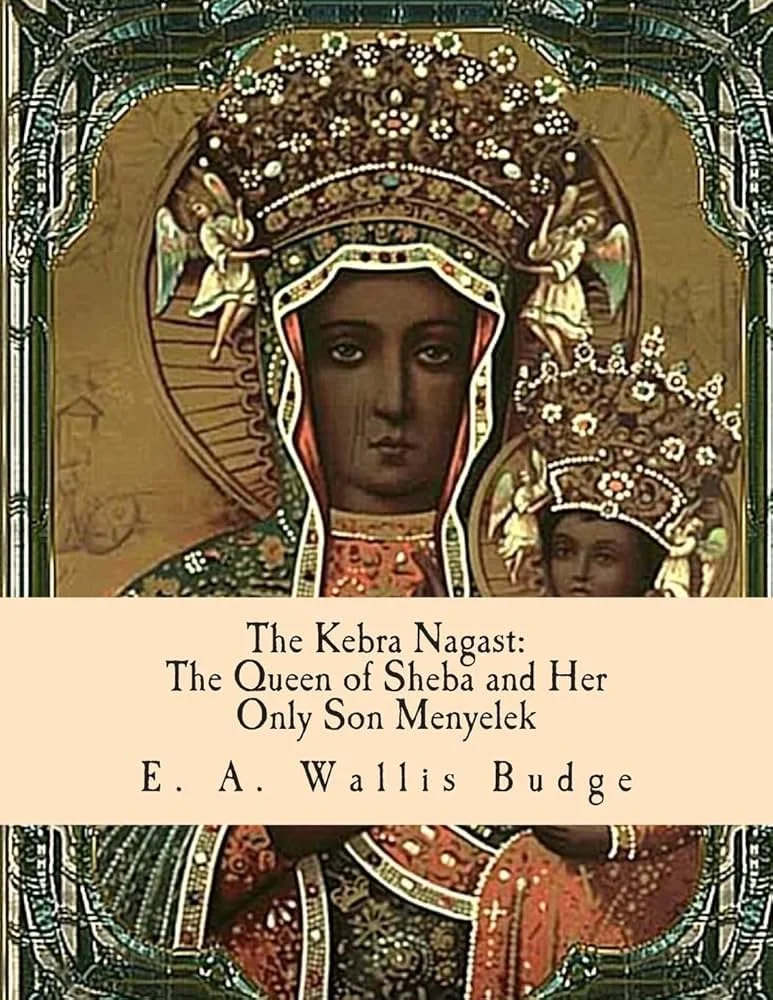
The Kebra Nagast: Ethiopia’s National Epic
This legend lives in the Kebra Nagast (“Glory of the Kings”), Ethiopia’s 14th-century national epic written in Ge’ez.
The book weaves biblical stories, Ethiopian history, and powerful symbolism into one narrative. It became the ideological foundation for the Solomonic dynasty, which ruled Ethiopia for centuries.
The text strengthened national unity and connected Amharic-speaking people to ancient Judeo-Christian roots through shared storytelling.
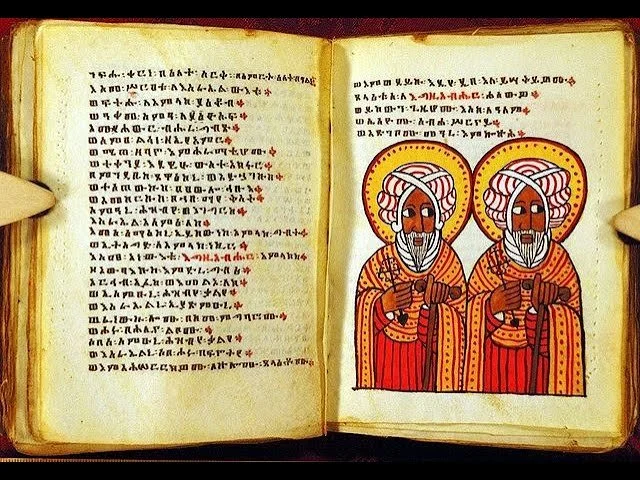
How This Legend Lives in Amharic Culture Today
You hear echoes of Makeda’s story in everyday Ethiopian life. It appears in church paintings, holiday celebrations, and conversations about identity.
Amharic proverbs and songs often reference wisdom, journeys, and heritage inspired by this tale. Even modern artists draw from it when celebrating Ethiopian pride and resilience.
The legend reminds people that strength comes from seeking knowledge and honoring one’s roots.
The Ark of the Covenant Connection
One of the most sacred elements is the belief that the Ark rests in Ethiopia, specifically guarded in Axum.
This ties directly to Menelik’s journey and gives the story spiritual weight. Every Timkat festival and many church rituals echo this ancient narrative.
It is a living story, not just ancient history.

Why This Story Still Matters
The Queen of Sheba legend teaches values central to Amharic culture: wisdom over wealth, curiosity over comfort, and heritage as a source of strength.
It shows how a single powerful woman’s choices shaped an entire nation’s identity. For language learners and culture enthusiasts, it offers a window into the soul of Ethiopia.
FAQs
Who is the Queen of Sheba in Ethiopian tradition?
She is known as Makeda, a wise and powerful ruler whose story is central to Ethiopian history and the Kebra Nagast.
What is the Kebra Nagast?
It is Ethiopia’s national epic that tells the story of Makeda, Solomon, and Menelik while linking the country to biblical heritage.
Did the Queen of Sheba really exist?
The legend blends history and tradition. While debated by scholars, it remains deeply meaningful to Ethiopians as a foundation of cultural identity.
How does this story connect to Amharic language?
The Kebra Nagast and related oral traditions have been passed down in Amharic and Ge’ez, shaping literature, proverbs, and everyday expressions of pride.
Where can I learn more about this legend?
Reading translations of the Kebra Nagast or visiting Ethiopian churches and festivals brings the story to life.
Conclusion
The story of the Queen of Sheba is more than a legend. It is a mirror of Ethiopian values: wisdom, strength, and deep connection to heritage. Through Makeda’s journey, generations of Amharic speakers have found pride in their past and inspiration for their future.
Stories like this breathe life into the language and culture. They turn words into living connections.
At NKENNE, we believe understanding these narratives helps you connect more deeply with Amharic and Ethiopian life. Explore our lessons and cultural guides to carry these stories forward in your own journey.