
Great Zimbabwe: The Ancient Stone City Built by Shona Ancestors
By: Chimdindu Ken-Anaukwu
Many people still wonder who built the impressive stone ruins in southern Zimbabwe.
The answer is clear: Shona ancestors created one of Africa’s greatest architectural achievements.
Great Zimbabwe stands as proof of advanced engineering, organized society, and powerful leadership centuries before colonial times.
This UNESCO World Heritage Site continues to inspire pride among Shona people and all Zimbabweans today.
In this guide, I will walk you through its history, construction, significance, and the myths that have tried to hide its true origins.
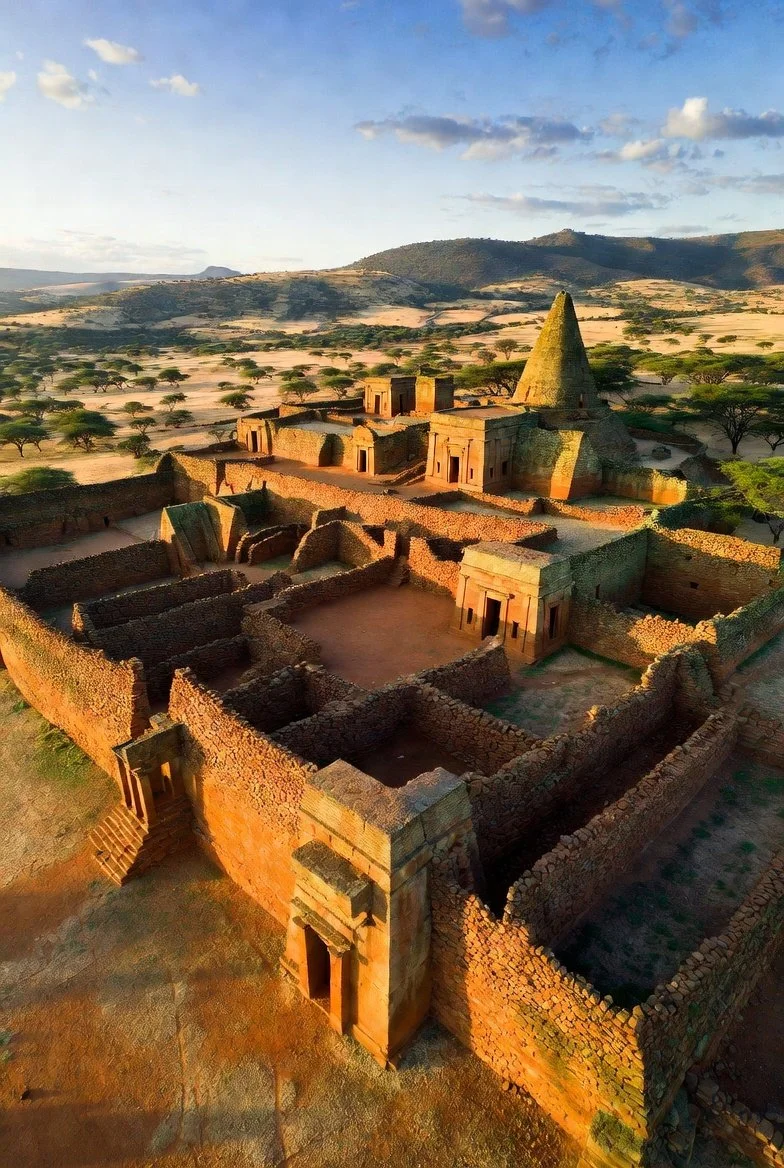
The majestic stone walls of Great Zimbabwe rising from the landscape, a testament to Shona ingenuity.
What Is Great Zimbabwe?
Great Zimbabwe is a vast complex of stone structures located near Masvingo in Zimbabwe.
It covers nearly 1,800 acres and includes the famous Great Enclosure with its massive walls.
Built between the 11th and 15th centuries, it was once a thriving city that housed thousands of people.
The name “Zimbabwe” comes from the Shona words dzimba dza mabwe, meaning “houses of stone.” This ancient city gave the modern country its name.
When and How It Was Built
Construction began around the 11th century and continued for over 300 years.
Shona ancestors, particularly the ancestors of the Karanga people, developed the city in stages.
They quarried local granite and shaped it without mortar, fitting the stones so perfectly that many sections still stand today.
Different kings expanded the city over generations, creating multiple enclosures and living areas.
Engineering Marvels and Construction Techniques
The dry-stone masonry at Great Zimbabwe is remarkable.
Builders cut and trimmed stones to interlock without any binding material.
The Great Enclosure wall is over 11 meters high and 250 meters long. The famous Conical Tower inside it is a solid structure with no internal rooms, possibly symbolizing power or grain storage.
These techniques show deep understanding of geometry, weight distribution, and long-term durability.
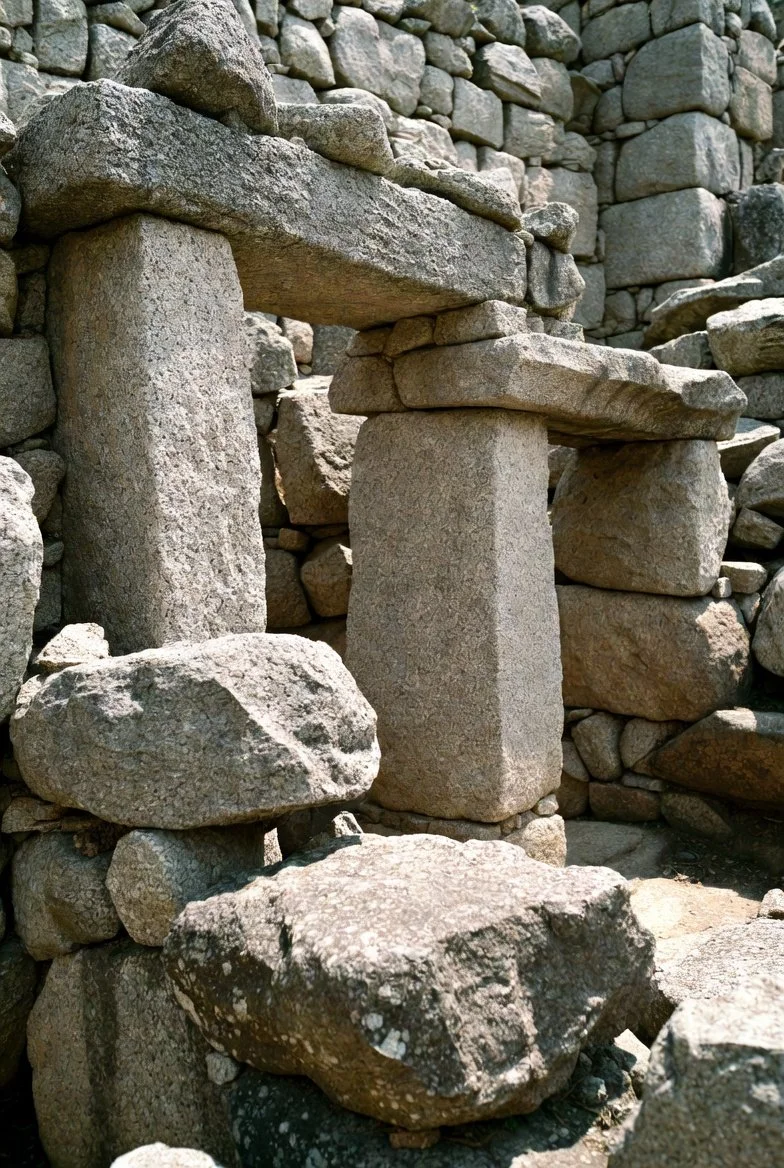
Precise dry-stone walls at Great Zimbabwe demonstrate exceptional Shona engineering skills.
Life as a Royal Capital and Trade Hub
Great Zimbabwe served as the seat of powerful rulers.
It controlled trade routes connecting the interior of Africa to the Indian Ocean coast.
Archaeologists have found gold, iron, copper, ivory, and Chinese porcelain, showing extensive long-distance trade.
The city supported a large population with skilled artisans, farmers, and administrators. It was a center of political power and cultural influence across southern Africa.
Debunking Common Myths
For many years, colonial narratives claimed that Great Zimbabwe was built by outsiders, such as Phoenicians or Arabs.
These stories were designed to deny African capability.
Modern archaeology, oral traditions, and carbon dating confirm it was built by local Shona-speaking people.
The site reflects sophisticated African civilization with advanced governance, architecture, and economy.
Its Place in Modern Shona Pride
Today, Great Zimbabwe is a powerful symbol of heritage and resilience.
It reminds Shona people and all Zimbabweans of their ancestors’ achievements.
The national flag, currency, and identity draw from this legacy.
Visiting the site or learning about it strengthens cultural pride and connects younger generations to their history.
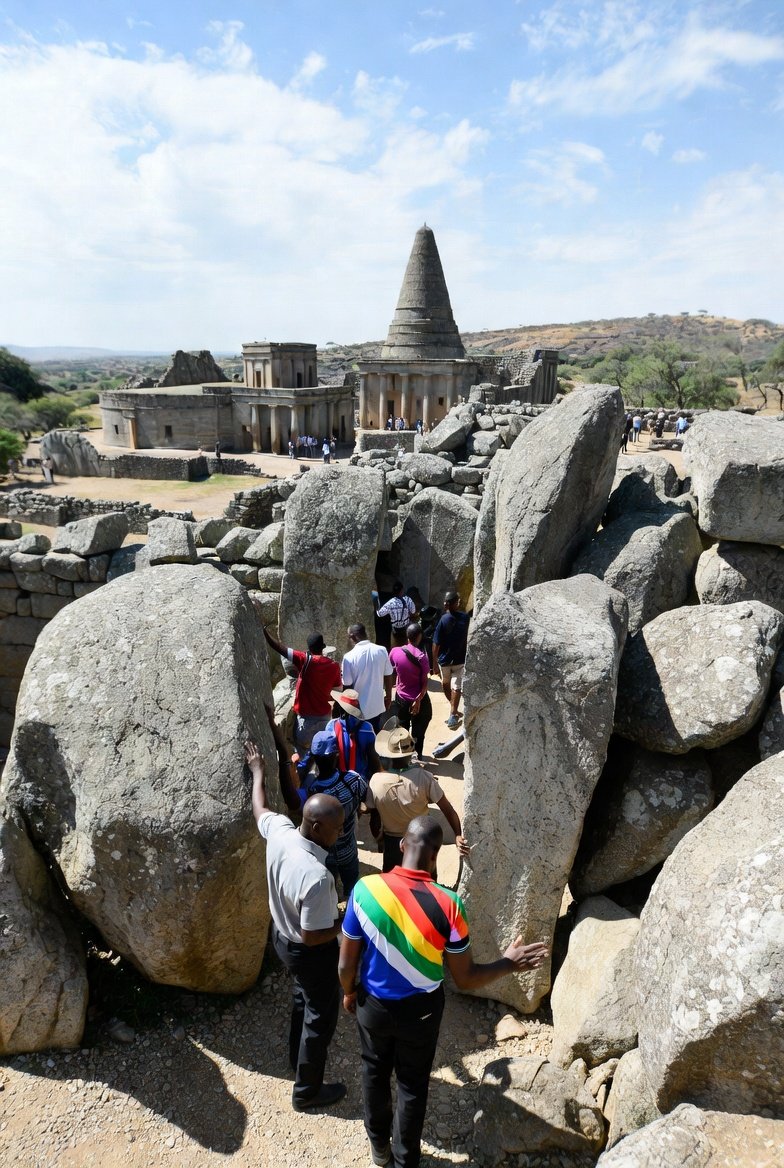
Modern Zimbabweans connecting with their heritage at the Great Zimbabwe site.
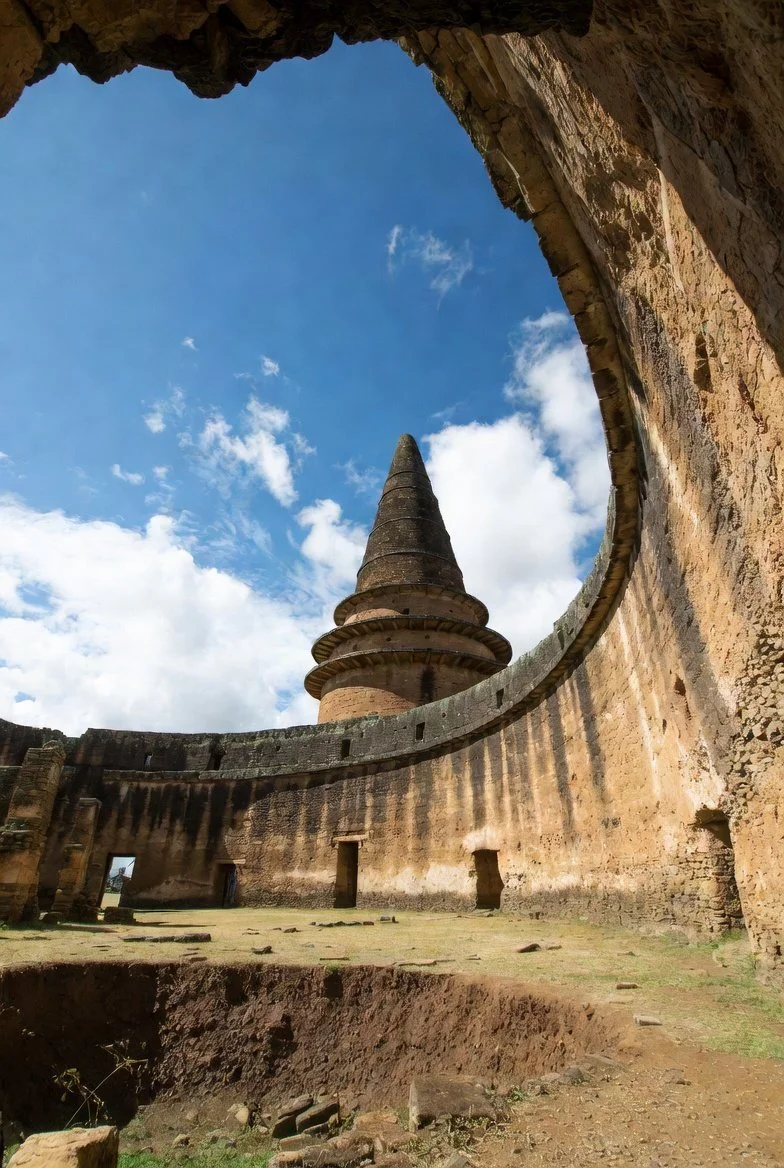
The famous Conical Tower stands as one of the most recognizable symbols of ancient Shona achievement.
Frequently Asked Questions
Who built Great Zimbabwe?
Shona ancestors, particularly early Karanga communities, constructed the city.
When was Great Zimbabwe built?
Construction started around the 11th century and continued until the 15th century.
Why is it called Great Zimbabwe?
The name means “houses of stone” in Shona and was given to the largest and most impressive stone complex.
What was the purpose of the Conical Tower?
Its exact function remains uncertain, but it likely symbolized royal power or served ritual or storage purposes.
Is Great Zimbabwe a UNESCO site?
Yes. It was designated a World Heritage Site in 1986 in recognition of its outstanding cultural value.
Can visitors still explore Great Zimbabwe?
Yes. The site is open to the public and offers guided tours that bring its history to life.
Great Zimbabwe stands as living proof of the ingenuity and organization of Shona ancestors.
It connects past achievements with present identity and future inspiration.
Understanding this ancient city deepens appreciation for Shona history and the strength it continues to provide.
If this stirred something in you, keep exploring with NKENNE. We are here for the language, the culture, and the pride that links generations.
Maita henyu for reading. Your heritage is truly impressive. 🏛️