
The Leopard Symbol: Strength, Pride, and Cultural Identity Among Lingala People
By: Chimdindu Ken-Anaukwu
Spot a leopard print in Kinshasa, and it immediately commands respect. For Lingala-speaking communities, the leopard is far more than a beautiful wild animal. It represents strength, intelligence, cunning, and unyielding pride. From ancient river traditions to modern street fashion and political symbolism, this powerful creature remains a living emblem of who the Lingala people are.
This deep dive explores the leopard as a totem, its rich meanings in folklore and art, and how it continues to express cultural identity today.
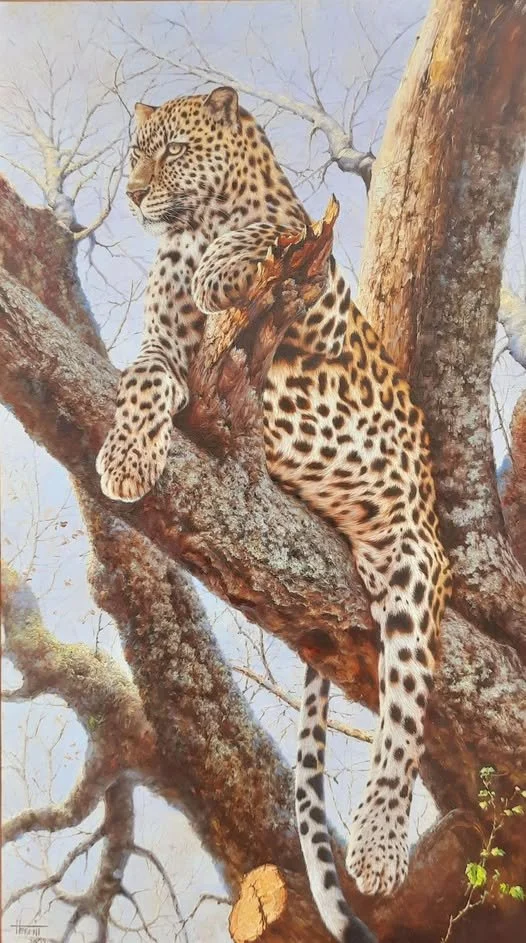
The Leopard as a Totem in Lingala and Bangala Traditions
Among Bangala and related Lingala-speaking groups along the Congo River, the leopard has long served as a clan or personal totem. Totems connect people to ancestors, nature, and specific qualities they admire.
The leopard’s stealth, speed, and solitary yet strategic nature made it an ideal symbol for leaders, warriors, and hunters. Families or lineages might claim the leopard as their emblem, passing down stories and respect for its traits across generations. This connection ties directly to the riverine origins of Lingala culture, where survival demanded both power and clever adaptation.
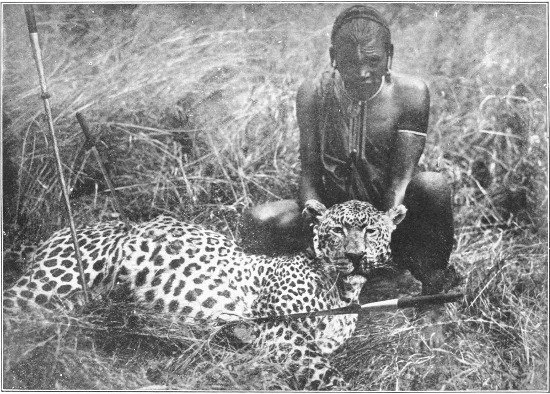
Symbolism: Strength, Intelligence, and Leadership
The leopard embodies a unique mix of raw power and sharp mind. Unlike the lion’s loud dominance, the leopard operates with quiet confidence and precision. This resonates deeply in Lingala culture, which values practical wisdom alongside courage.
It stands for:
Unbreakable strength and resilience
Intelligence and strategic thinking
Elegance and controlled power
Protection of community and territory
In many Congolese proverbs and sayings, leopard imagery highlights someone who is formidable yet graceful. Leaders who carry these qualities earn respect as true “leopards” in their communities.
The Leopard in Folklore and Oral Stories
Lingala oral traditions are full of leopard tales that teach life lessons. One classic story pits the leopard against the crocodile, showing the balance between speed/intelligence and patience/strategy.
These stories, passed down by elders, highlight the leopard’s ability to outthink stronger or more patient opponents. They reinforce values of adaptability and cleverness, qualities that helped Lingala-speaking river traders thrive in challenging environments. Folklore keeps the symbol alive as a teacher of moral and practical wisdom.
Art, Regalia, and Cultural Expression
Leopard motifs appear throughout Congolese art: carved masks, sculptures, textiles, and ceremonial items. Traditional leaders once wore leopard skins as symbols of authority and spiritual power.
In music and dance, performers evoke the leopard’s movements: fluid, powerful, and unpredictable. This artistic presence strengthens cultural identity, reminding people of their heritage even in urban settings far from the river.
Mobutu and the Leopard: Modern Political Power
No figure amplified the leopard symbol more than Mobutu Sese Seko. His signature leopard-skin hat became an iconic image of authority during his rule. By adopting it, he connected modern leadership to ancient traditions of power and authentic African pride.
This choice during the Authenticité campaign linked Lingala and broader Congolese identity to pre-colonial strength. Even today, the image sparks debate representing both resilience and complex political history.
Contemporary Expressions in Urban and Diaspora Life
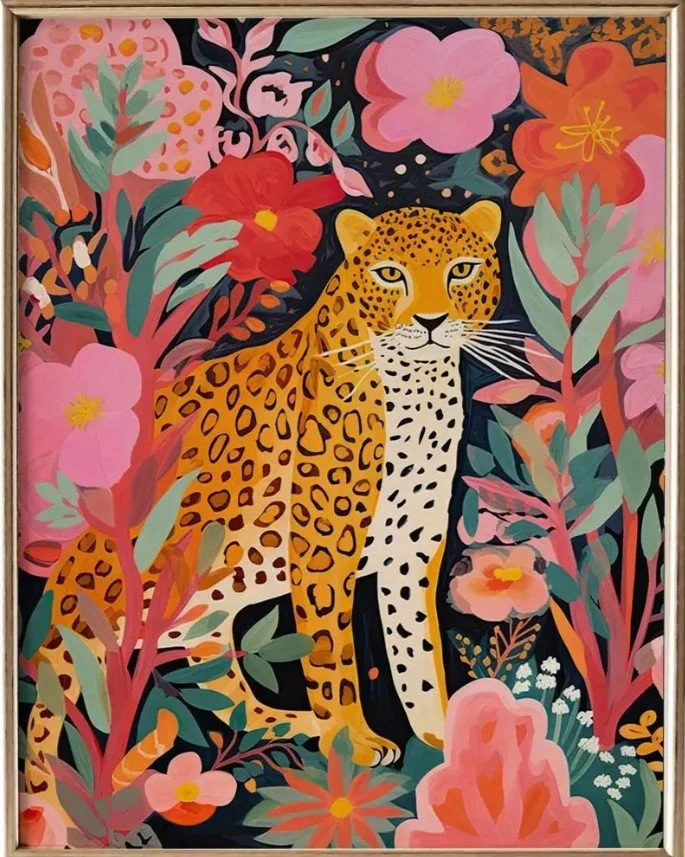
Today, the leopard lives on in Kinshasa street fashion, La Sape elegance, and music videos. Young designers blend leopard prints into modern clothing, signaling confidence and cultural pride.
In the diaspora, it appears in art, clothing, and social media as a marker of Congolese heritage. Whether on a jacket, in a tattoo, or as a logo for a business, it declares, 'I carry the strength and intelligence of my people.'
FAQs
What does the leopard represent in Lingala culture?
It symbolizes strength, intelligence, cunning, leadership, and resilience. It is both a totem and a broader emblem of power.
Is the leopard a clan totem for Bangala or Lingala people?
Yes. Many lineages in Lingala-speaking areas regard it as a totem connecting them to ancestral qualities of power and strategy.
Why did Mobutu wear a leopard-skin hat?
He used it to link his leadership to traditional African symbols of authority and to promote cultural pride during his Authenticité policy.
How does the leopard appear in Congolese folklore?
Stories like the Leopard and the Crocodile teach lessons about intelligence, balance, and using one’s unique strengths wisely.
Is leopard symbolism still relevant today?
Absolutely. It appears in fashion, art, music, and personal expression as a proud marker of Congolese and Lingala identity.
Does the leopard have spiritual meaning?
In traditional beliefs, it often carries spiritual weight as a symbol connecting the physical and ancestral worlds.
Wrapping Up: The Enduring Spirit of the Leopard
For the Lingala people, the leopard is more than a symbol. It is a living reminder of ancestral strength, clever survival, and unapologetic pride. From riverbank stories to Kinshasa streets and global stages, it continues to inspire.
Embracing this heritage connects past and present, encouraging new generations to move with the same grace, power, and intelligence the leopard represents.
Ready to explore more symbols, stories, and living traditions of the Lingala people? Visit NKENNE for deeper cultural insights, language lessons, and authentic Congolese perspectives. How does the leopard’s spirit show up in your own life?