
Haitian Family Life: Multigenerational Homes, Respect for Elders, and Collective Strength
By: Chimdindu Ken-Anaukwu
Walk into a Haitian home and you rarely meet just one or two people. Laughter spills from the kitchen. An elder offers advice while a child plays nearby. This scene captures something essential about Haitian family life.
In a world that often celebrates going it alone, Haitian Creole culture shows the power of staying together. This article explores the heart of it all: multigenerational living, deep respect for elders, and the lakou system that turns families into strong communities. You will see exactly how these elements work in daily life and why they remain vital today.
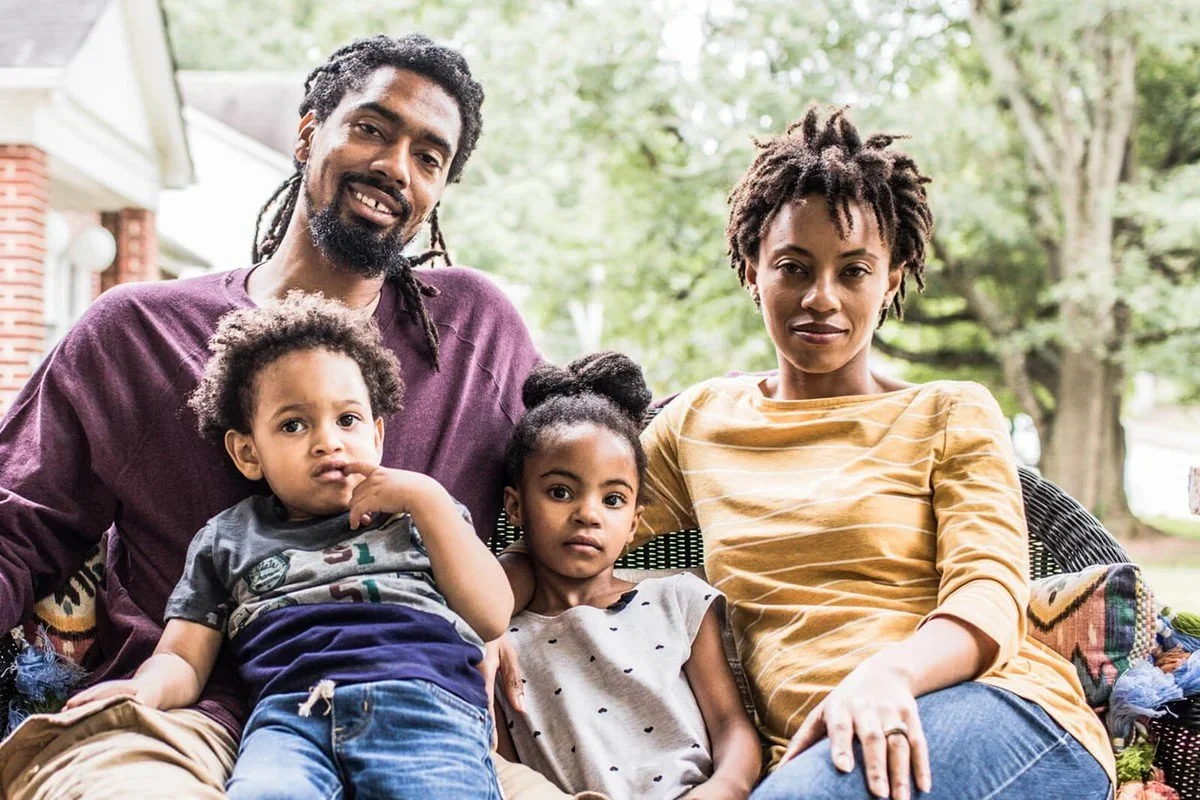
Why Family Stands at the Center of Haitian Culture
Family is not a side note in Haitian Creole life. It forms the foundation. History shaped this reality. From the Haitian Revolution through economic hardships and natural disasters, people turned to relatives and neighbors for survival and joy.
This collective approach creates resilience. When one person struggles, the group steps in. When someone succeeds, everyone celebrates. It feels natural because it has always been this way.
The Lakou: More Than Just a Home
The lakou is a traditional extended family compound. Multiple households share land around a central courtyard. Grandparents, parents, children, aunts, uncles, and cousins live close enough to support each other daily.
Shared cooking and meals strengthen bonds.
Children grow up surrounded by many role models.
Elders remain active and valued instead of isolated.
Lakou living emphasizes cooperation over competition. Disputes get resolved within the group. Resources get shared. This setup reflects African roots blended with Haitian realities. It turns family into a practical support network.
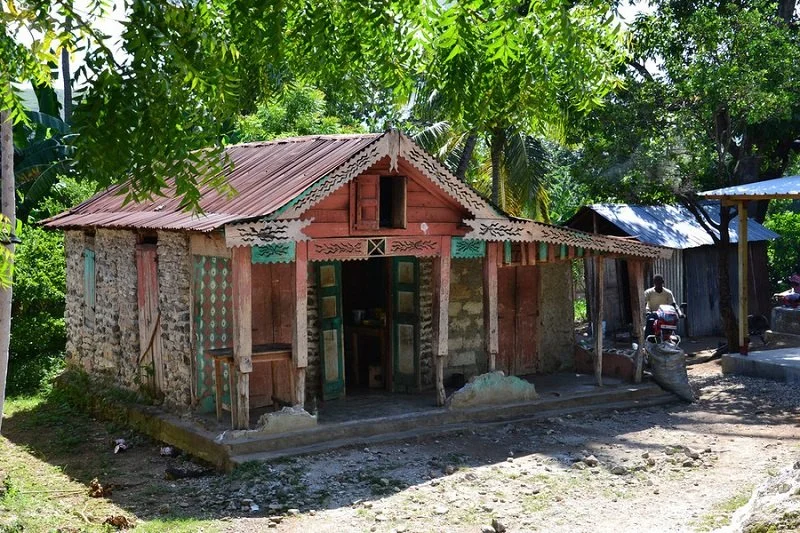
Multigenerational Living in Practice
Multigenerational homes remain common in Haiti and diaspora communities. Several generations under one roof or nearby means:
Grandparents help raise grandchildren, passing down stories and values.
Younger adults contribute financially or with labor.
Knowledge flows both ways: elders teach tradition while youth bring new ideas.
This arrangement reduces loneliness and spreads responsibilities. It also teaches patience, respect, and practical skills from a young age. Meals become daily rituals. Stories get told at night. Bonds grow deep through ordinary moments.
Respect for Elders: Wisdom That Guides Daily Life
Respect for elders sits at the core of Haitian family life. You address them with titles and polite language. Their opinions carry weight in decisions.
Elders hold living history. They remember proverbs, family stories, and survival lessons. Younger people listen because that wisdom has proven valuable over decades.
This respect shows in small acts: fetching water, helping with chores, or simply sitting to talk. It creates continuity. Culture passes forward instead of fading. In return, elders often
Community Support Systems That Lift Everyone
Haitian family life extends beyond blood relatives. Neighbors and friends often function like family.
Madan sara (market women) build economic networks.
Mutual aid appears during illness, funerals, or celebrations.
Community events like kombites (collective work days) solve big tasks together.
These systems create safety nets. They remind everyone that individual success depends on group well-being. This collective strength has helped Haitian people endure centuries of challenges while keeping joy alive.
Modern Challenges and Lasting Strength
Urbanization, migration, and economic pressures test these traditions. Some young people move to cities or abroad for opportunity. Technology changes how families connect.
Yet the values endure. Video calls replace courtyard chats. Remittances support relatives back home. Diaspora families adapt lakou principles into tight-knit communities abroad. The core idea (we rise together) remains powerful.
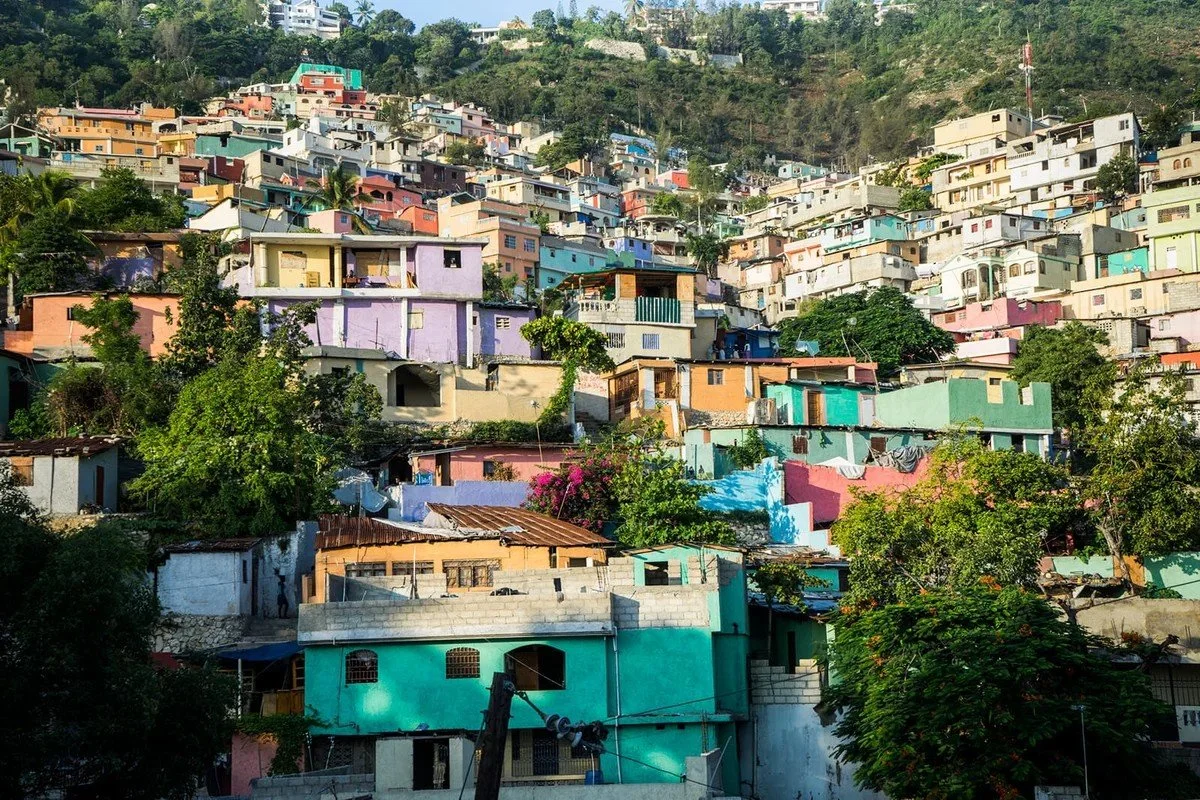
How These Traditions Show Up in the Diaspora
In places like Miami, New York, or Montreal, Haitian families recreate elements of this culture. Multigenerational households are common. Community organizations host events that feel like lakou gatherings. Elders still receive honor, and support networks help newcomers adjust.
These practices preserve identity while helping people thrive in new environments. They turn distance into connection.
Practical Ways to Appreciate Haitian Family Values
Ask elders to share stories when you visit Haitian homes.
Participate in shared meals or community events.
Notice how respect and support create warmth.
Reflect on what your own community might gain from similar approaches.
Small gestures build real understanding.
FAQ: Haitian Family Life
What does lakou mean exactly?
Lakou refers to a family compound where extended relatives live together or nearby, sharing space and responsibilities.
How common are multigenerational homes in Haiti?
Very common. Economic and cultural reasons make them practical and preferred for most families.
Do young people still respect elders the same way?
Yes, though modern life adds new dynamics. Core values of listening and honoring elders remain strong.
How does this differ from Western individualism?
Haitian culture prioritizes group well-being and interdependence, creating broader support systems.
What happens when family members migrate?
Families stay connected through calls, visits, and financial help. The emotional and practical bonds endure.
Can outsiders experience Haitian family life?
Yes. Genuine respect and openness usually lead to warm welcomes into homes and gatherings.
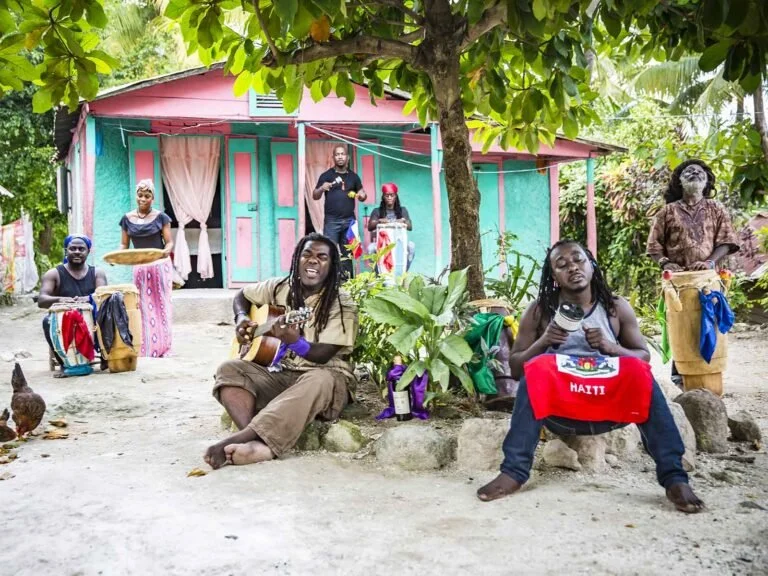
A Living Example of Strength
Haitian family life with its lakou roots, multigenerational closeness, and deep respect for elders offers a powerful model of collective strength. It shows how people can face hardship without losing connection or joy.
These traditions carry the wisdom of generations and continue shaping resilient communities worldwide. They remind us that family is not just who you live with. It is how you live together.
At NKENNE, we celebrate African and Creole cultures by sharing knowledge that connects past and present. Explore more on Haitian traditions, language, or community stories. Which aspect of Haitian family life speaks to you most? Share in the comments; your story might help someone else understand and appreciate this rich culture.