
The Kingdom of Dahomey: Women Warriors, Power, and Resistance Before French Rule
By: Chimdindu Ken-Anaukwu
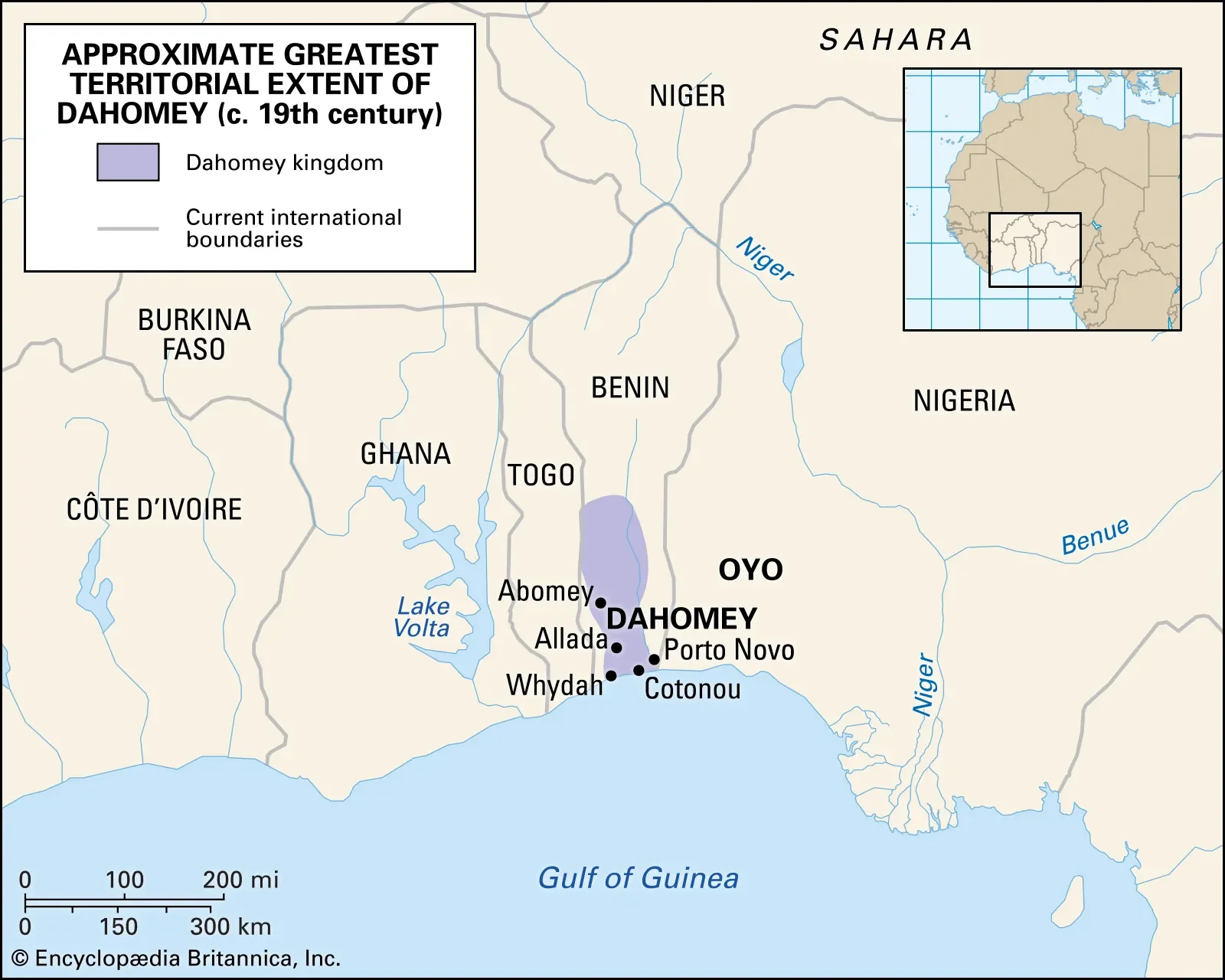
Long before French colonial armies arrived, the Kingdom of Dahomey stood as one of West Africa’s most organized and formidable states. Located in what is now Benin, it built power through military strength, complex royal institutions, and a unique force of women warriors. These fighters, known as the Agojie or Mino, became famous far beyond their borders. This post explains who they were, how the royal court worked, how Dahomey resisted European expansion, and why this history still matters in Benin and neighboring countries today.
The Rise of the Kingdom of Dahomey
The Kingdom of Dahomey emerged in the 17th century among the Fon people. Its capital was Abomey, inland from the coast. Through military campaigns and control of trade routes, including participation in the Atlantic slave trade and later palm oil commerce, the kingdom grew into a major regional power.
Dahomey developed a centralized system of government. The king held significant authority, supported by officials and a large palace complex. The state maintained a standing army, which was unusual for the region at the time. This organization allowed Dahomey to expand and defend its interests for more than two centuries.
The Agojie: Dahomey’s Women Warriors
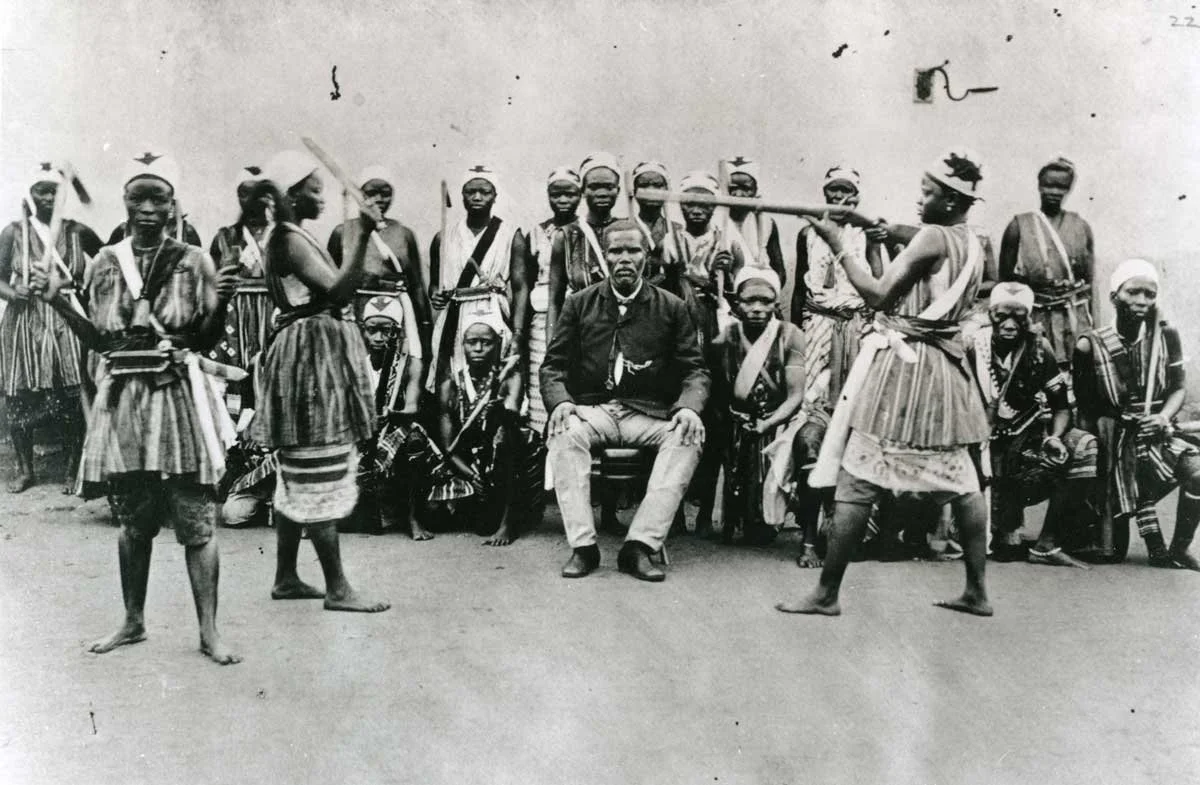
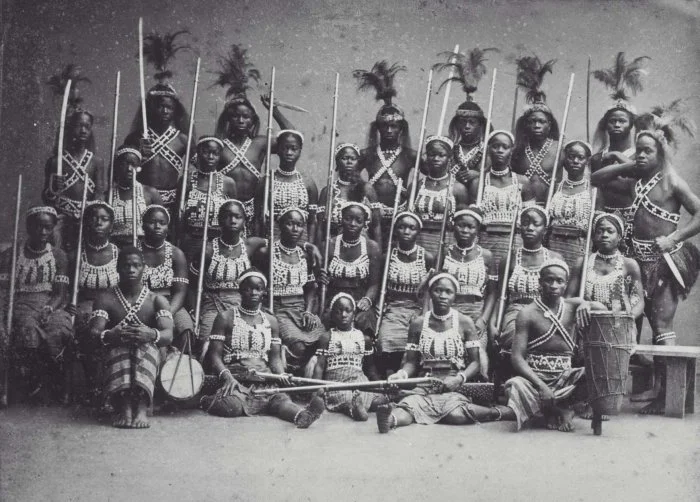
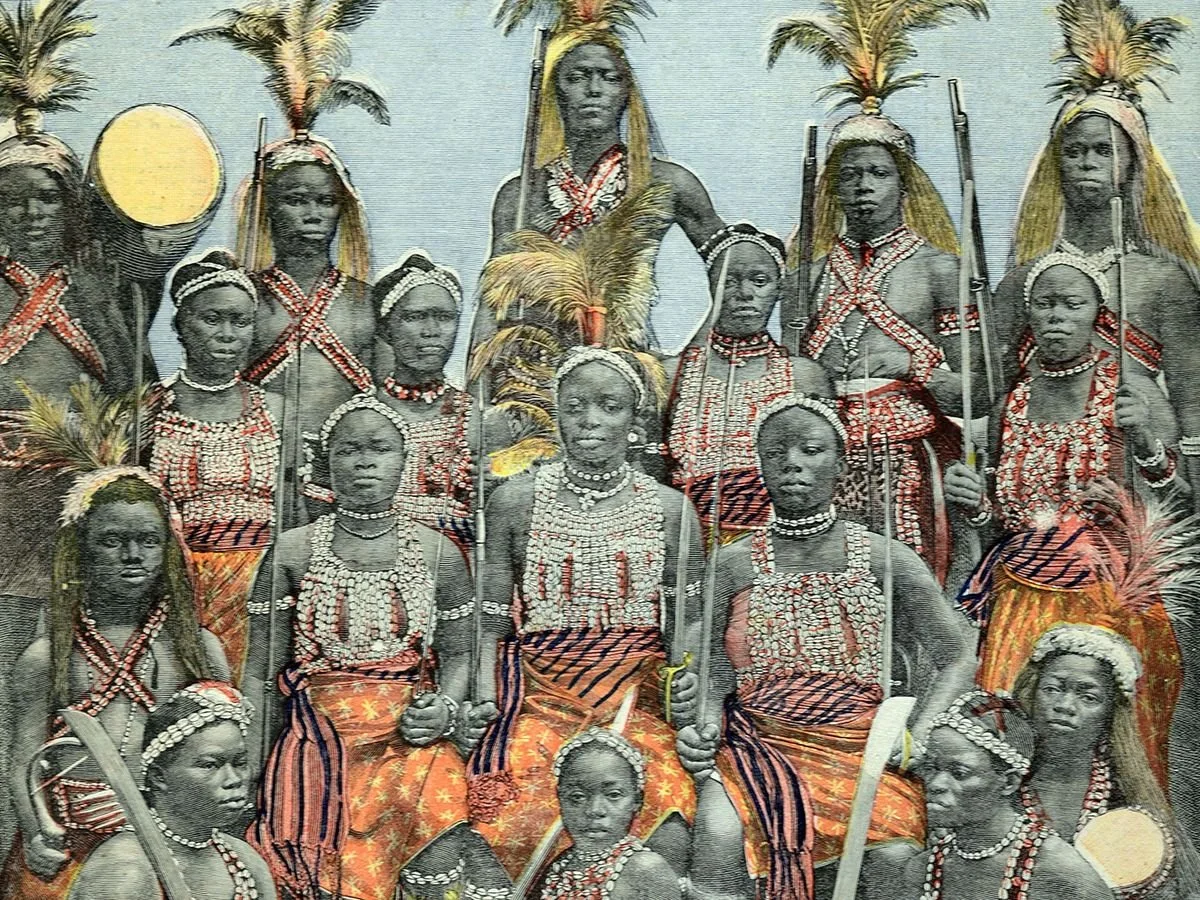
The most distinctive feature of Dahomey’s military was its all-female regiment. Known in the Fon language as Agojie, Mino (“our mothers”), or Ahosi, these women were called Amazons by European visitors who compared them to the warriors of Greek myth.
Their origins are debated. Some accounts link them to earlier groups of women elephant hunters under King Houegbadja. Others connect their formal rise to Queen Hangbe in the early 18th century. The force expanded significantly under King Ghezo in the 19th century, when several thousand women served as both palace guards and combat troops.
The Agojie trained rigorously. They used firearms, blades, and other weapons. They participated in raids and major battles. Their presence challenged common assumptions about gender and warfare in the region and left a lasting impression on outsiders who visited the kingdom.
Power Inside the Royal Court
Women held important positions beyond the battlefield. The royal palace in Abomey was largely a female space. Thousands of women lived there, including wives, relatives, servants, and officials.
A key institution was the kpojito, often described as a queen mother or female reign-mate to the king. This role carried real political and spiritual weight. For many male offices outside the palace, there were corresponding female counterparts inside it. This structure created a form of dual authority that helped stabilize the kingdom and manage succession.
The court was not simply ceremonial. It was a center of decision-making, ritual, and power. Women’s access to the king and their organizational roles gave them influence that extended into the wider political system.
Resistance Against French Expansion
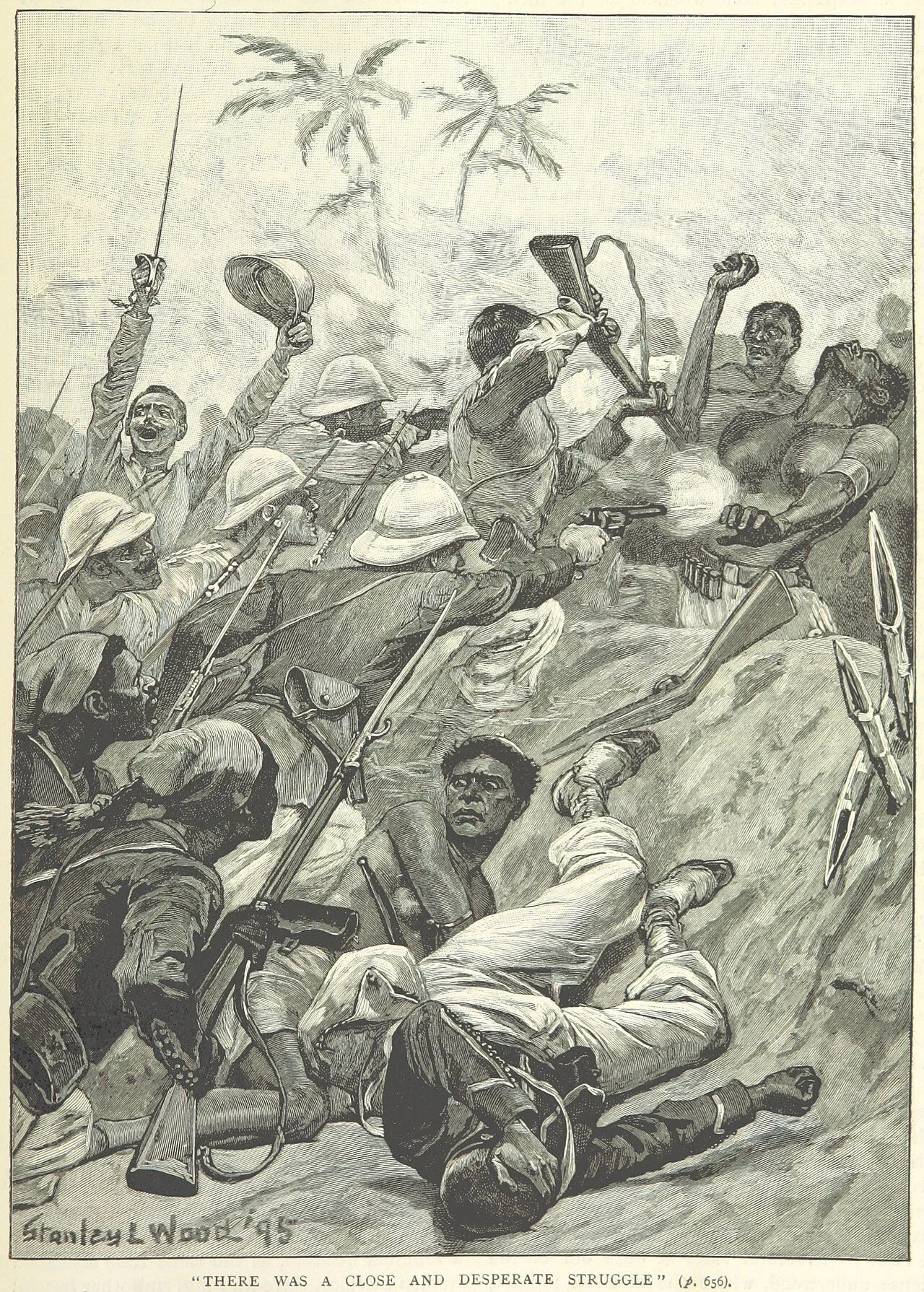
In the late 19th century, French colonial ambitions clashed with Dahomey’s independence. King Behanzin, who took the throne in 1889, refused to accept French claims over coastal areas such as Cotonou.
The resulting conflicts, known as the Franco-Dahomean Wars, saw fierce fighting. The Agojie and the rest of the Dahomean army resisted determinedly. Despite their courage and organization, superior French firepower and resources eventually prevailed. Behanzin surrendered in 1894 and was sent into exile. The kingdom was placed under French control and later became part of the colony of Dahomey.
The resistance remains a powerful memory. Behanzin is widely remembered as a symbol of defiance.
How This History Lives On Today
In modern Benin, the Kingdom of Dahomey is a source of national pride. The royal palaces of Abomey are UNESCO World Heritage sites and major cultural landmarks. Stories of the Agojie appear in education, festivals, tourism, and popular culture.
The women warriors have inspired books, documentaries, and films. Their example is often cited when discussing African women’s historical roles in leadership and defense. Neighboring countries also recognize the broader regional significance of Dahomey’s military and political traditions.
The history continues to shape conversations about identity, resilience, and the pre-colonial past across Francophone West Africa.
FAQs
Who were the Agojie?
They were the all-female military regiment of the Kingdom of Dahomey, also known as Mino or Ahosi. Europeans called them Amazons.
Did women really fight in large numbers?
Yes. By the mid-19th century, several thousand women served in the force, making up a significant part of the army.
What happened to the Kingdom of Dahomey?
It was defeated by French forces in the 1890s. King Behanzin was exiled, and the territory became a French colony.
Is this history still important in Benin?
Very much so. It is taught in schools, preserved at heritage sites in Abomey, and remains a strong part of national identity.
Were the women warriors unique in Africa?
They are the best-documented and largest known standing force of women soldiers in African history.
Conclusion
The Kingdom of Dahomey built lasting power through organized government, military innovation, and the remarkable role of its women warriors. The Agojie, the royal court structures, and the final resistance under Behanzin form a powerful chapter of West African history. That chapter did not end with colonial conquest. It continues to inform identity and pride in Benin and across the region.
Understanding this past helps us see the depth of African political and military achievement before European rule. NKENNE is here to help you explore more of these stories, the languages that carry them, and the cultures that keep them alive. Start with the history that still speaks today.