
Congolese Weddings Through a Lingala Lens: Dance, Dowry, and Non-Stop Vibes
By: Chimdindu Ken-Anaukwu
A Congolese wedding is rarely a single afternoon event. It is a multi-day celebration filled with family negotiations, formal speeches, overflowing plates of food, and dance floors that refuse to empty. In Lingala-speaking communities, especially in and around Kinshasa, the wedding becomes a living expression of respect, alliance, and pure joy.
This guide walks you through the key stages of a Congolese wedding seen through a Lingala cultural lens: the family talks, the traditional ceremony known as the dot, the speeches and toasts, the massive soukous and ndombolo dance sessions, and the food that seals the bond between two families.
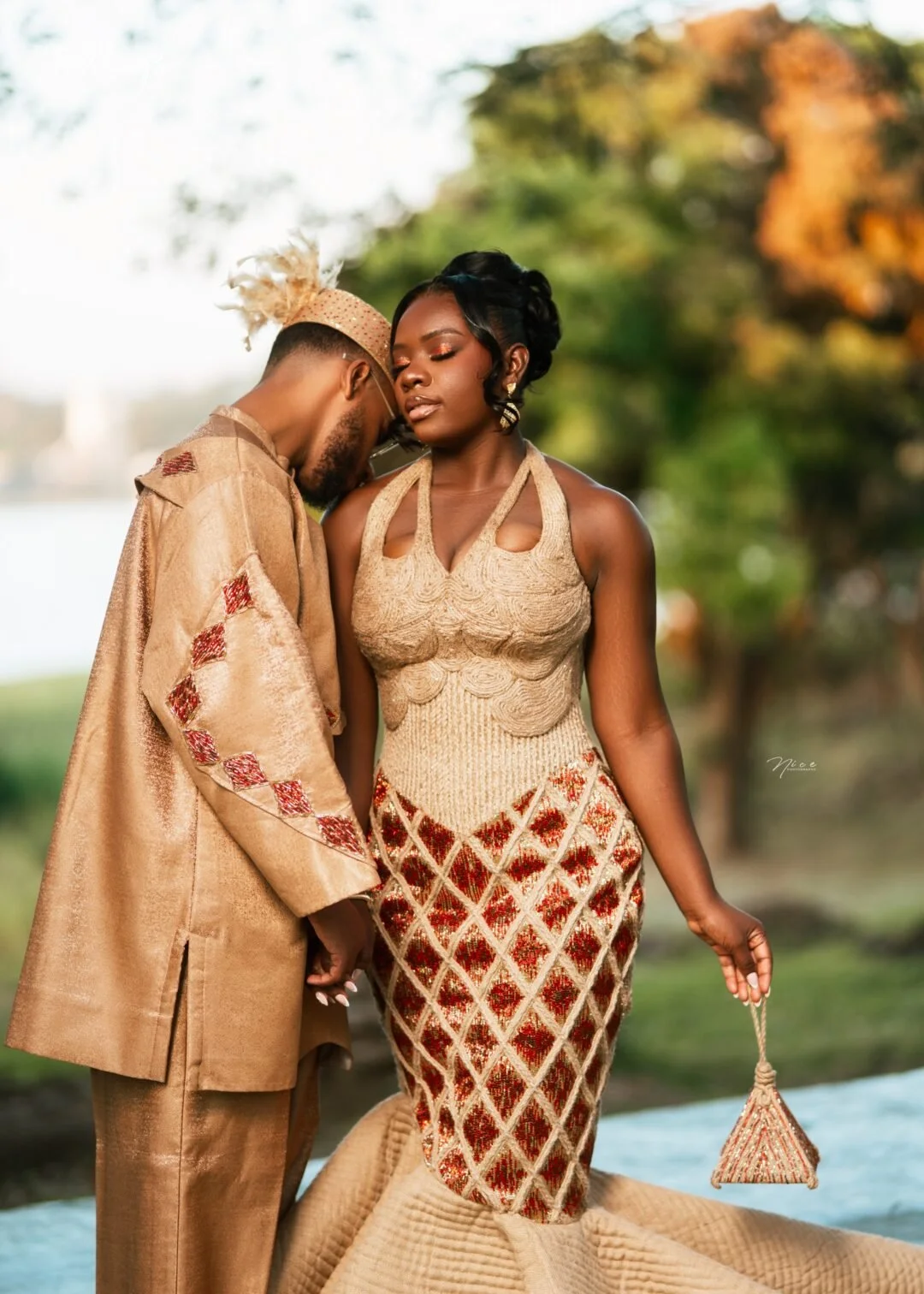
Why Congolese Weddings Feel Like a Festival
In Lingala culture, marriage joins two families, not just two individuals. Celebrations often stretch across several days and include different ceremonies: the customary dot, a civil registration, sometimes a church service, and a large reception.
Music, food, and dance are not optional extras. They are essential. Guests expect hours of dancing, generous servings of food, and warm hospitality. The atmosphere is joyful, loud, and deeply social.
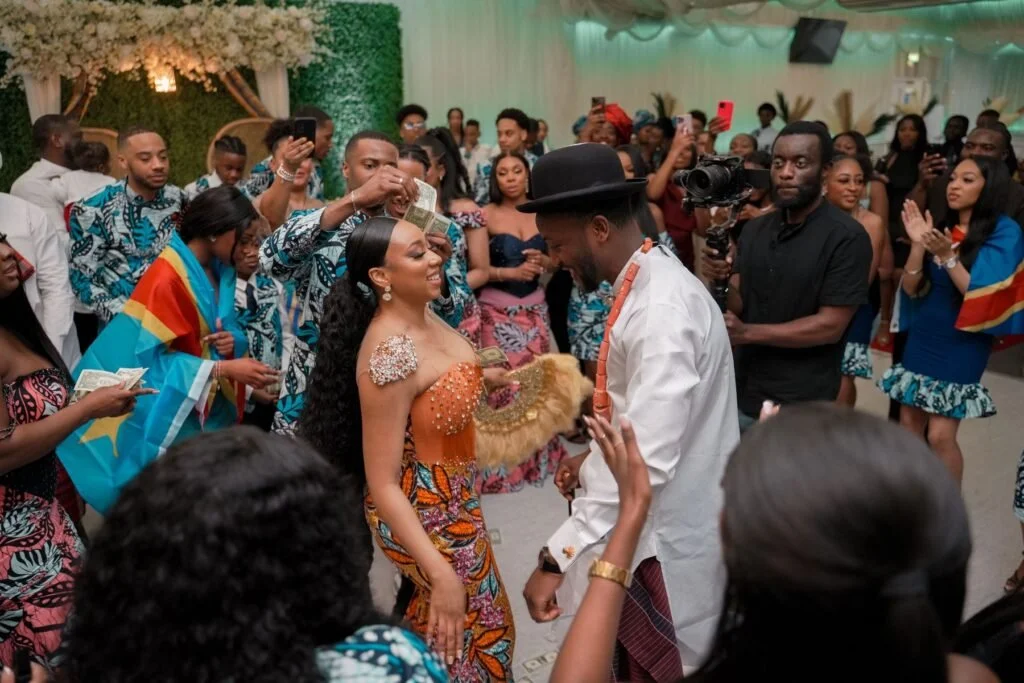
Family Negotiations and the Role of the Dot
Before any dancing begins, serious family conversations take place. The groom’s side approaches the bride’s family to formally express intention. This process involves elders and representatives who speak on behalf of each side.
The dot (also called bridewealth or dowry in everyday speech) is central. It is not a purchase of the bride. In Congolese understanding, it is a sign of respect, commitment, and alliance between families. The list can include cash, clothing, household items, drinks, and sometimes livestock, depending on the family’s origins and agreements.
Negotiations often mix formality with humor. Once the dot is accepted (at least in part), the union gains traditional recognition. In Kinshasa, many families now use a hybrid approach that balances tradition with practicality.
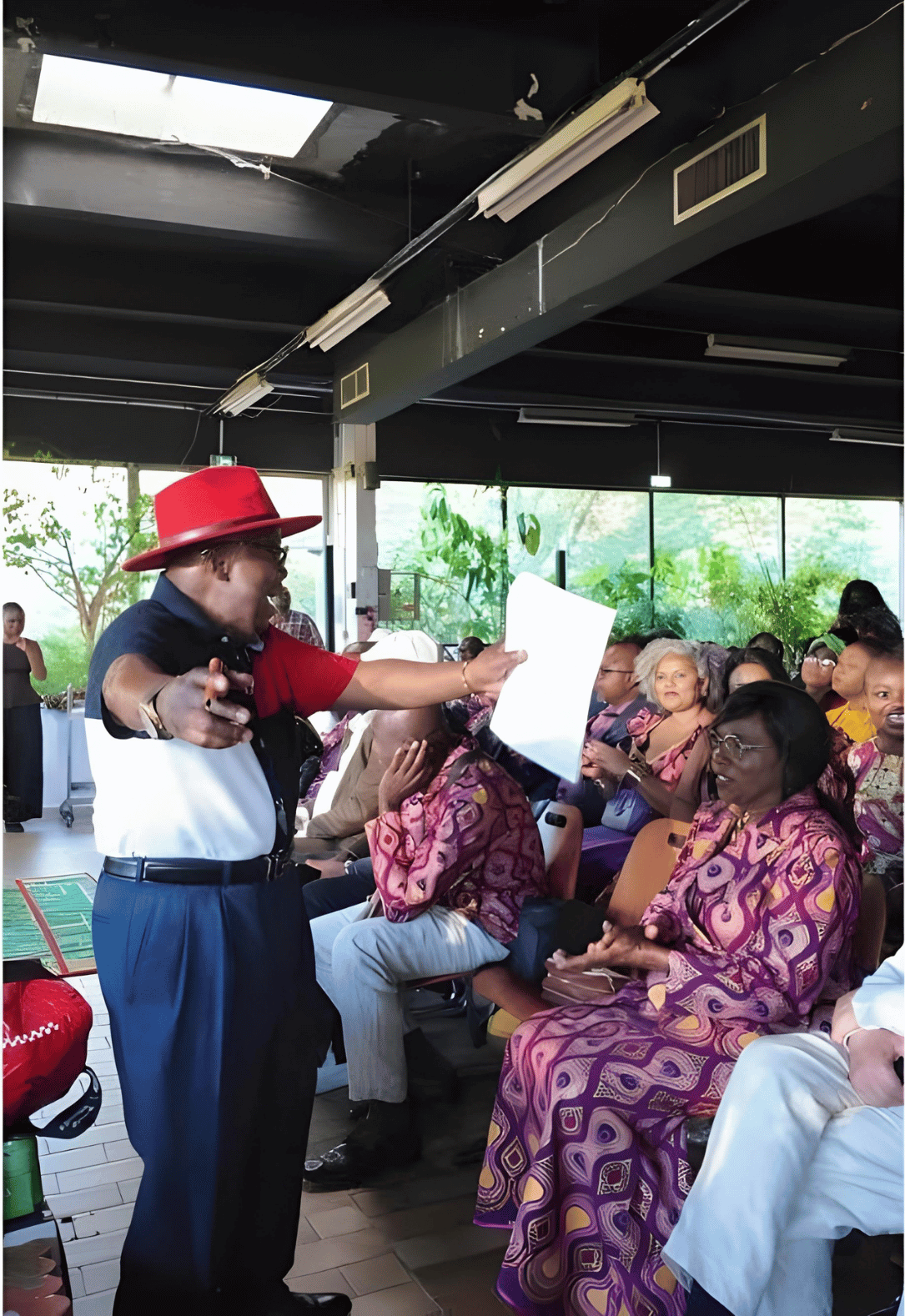
The Traditional Ceremony: Respect and Formality
The customary ceremony usually takes place at the bride’s family home or a designated venue. Representatives from both sides exchange formal greetings and speeches. The groom often remains quiet while a spokesperson speaks for him.
The bride’s entrance is a highlight. Guests cheer, sing, and sometimes challenge the groom playfully to confirm he has chosen well. Gifts are presented and verified. Elders offer advice and blessings. The tone remains respectful even when the atmosphere is lively.
Lingala Toasts, Speeches, and Blessings
Lingala fills the air during speeches. Elders and family members deliver warm, direct, and often poetic words of advice, gratitude, and blessing. Common themes include respect for parents, patience in marriage, the importance of family unity, and wishes for children and prosperity.
Toasts may involve drinks shared among key family members. Guests respond with applause, laughter, and affirmations. These spoken moments reinforce the seriousness of the commitment while keeping the mood celebratory.
The Dance Floor: Soukous, Ndombolo, and Non-Stop Energy
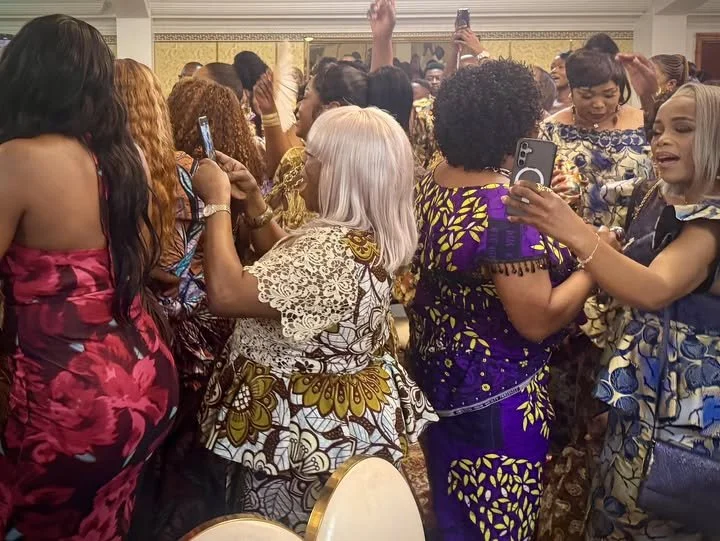
Once formalities ease, the real party begins. Congolese weddings are famous for long, energetic dance sessions. Soukous guitar lines and ndombolo rhythms dominate the playlist.
Guests form dance lines, perform choreographed group numbers, and fill the floor for hours. Families and friends often prepare special dances in advance. The energy rarely drops early. Many celebrations continue late into the night and sometimes resume the next day.
Dancing is not just entertainment. It is a public expression of joy and a way for both families to celebrate the new alliance together.
Food Feasts That Seal the Bond
No Congolese wedding is complete without abundant food. Tables feature classic dishes such as pondu (cassava leaves), poulet moambe, grilled fish or meat, rice, plantains, and other regional favorites.
Food is served generously. Guests eat together, share plates, and continue socializing around the tables. Providing enough food and drink is a point of pride for the hosting families. Eating together symbolizes unity and hospitality.
Modern Touches and Urban Adaptations
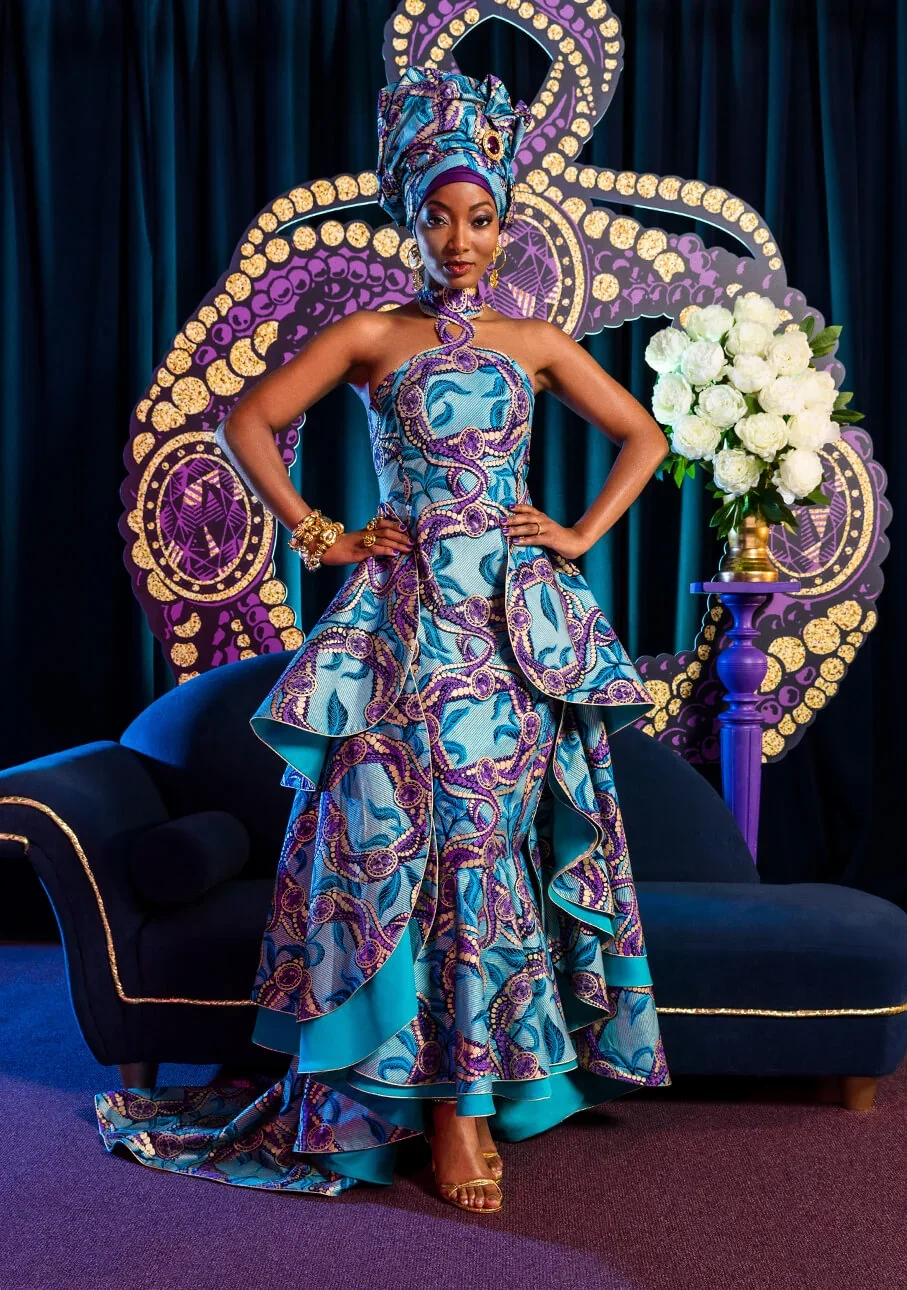
In Kinshasa and among the diaspora, couples often blend traditions. A customary dot may be followed by a civil ceremony and a large reception with both traditional and modern elements. Matching outfits, choreographed entrances, and professional photography are common.
Even with modern influences, the core values remain: respect for elders, family involvement, generous hospitality, and celebration through music and dance.
FAQs
What is the dot in a Congolese wedding?
The dot is the traditional bridewealth or gift exchange from the groom’s family to the bride’s family. It symbolizes respect and the alliance between families, not a purchase of the bride.
How long do Congolese weddings usually last?
Celebrations often span multiple days or at least include several distinct events: family negotiations, the customary ceremony, and a large reception with hours of dancing.
What music is typically played?
Soukous, Congolese rumba, and ndombolo dominate the dance floor. These styles keep energy high and encourage group dancing.
Do people give speeches in Lingala?
Yes. In Lingala-speaking communities, many formal speeches, blessings, and toasts are delivered in Lingala, especially by elders.
What food is commonly served?
Expect generous portions of pondu, moambe chicken, grilled fish or meat, rice, plantains, and other Congolese staples. Hospitality is shown through abundance.
Are Congolese weddings the same across all ethnic groups?
No. Customs vary by ethnic group and region. Kinshasa weddings often blend influences, while specific traditions (such as the exact contents of the dot) depend on the families involved.
Wrapping Up: More Than a Wedding, a Community Celebration
A Congolese wedding seen through a Lingala lens is a full sensory experience: the careful words of elders, the formal exchange of the dot, the non-stop pulse of soukous and ndombolo, and tables heavy with food. It celebrates not only the couple but the joining of two extended families.
These traditions carry respect, joy, and cultural pride into the present day. Whether you are attending, planning, or simply curious, understanding the layers makes the celebration even richer.
Ready to explore more living Congolese culture, language, and traditions? Visit NKENNE for authentic stories, practical insights, and deeper connections to the rhythms of everyday life. Have you ever experienced the energy of a Congolese wedding dance floor?