
By: Chimdindu Ken-Anaukwu
In Igbo thought, every person walks through life with an invisible companion. This companion is called Chi. It is not the same as the Supreme God, yet it is deeply connected to Him. Many describe it as a personal god, a guardian spirit, or a portion of destiny assigned to each individual.
Understanding Chi helps explain how Igbo people traditionally view success, failure, effort, and the shape of a person’s life. It sits at the heart of personal identity and responsibility.
In this guide, you will learn what Chi really means, how it relates to destiny, the famous proverbs that capture its power, and why the concept still matters today.
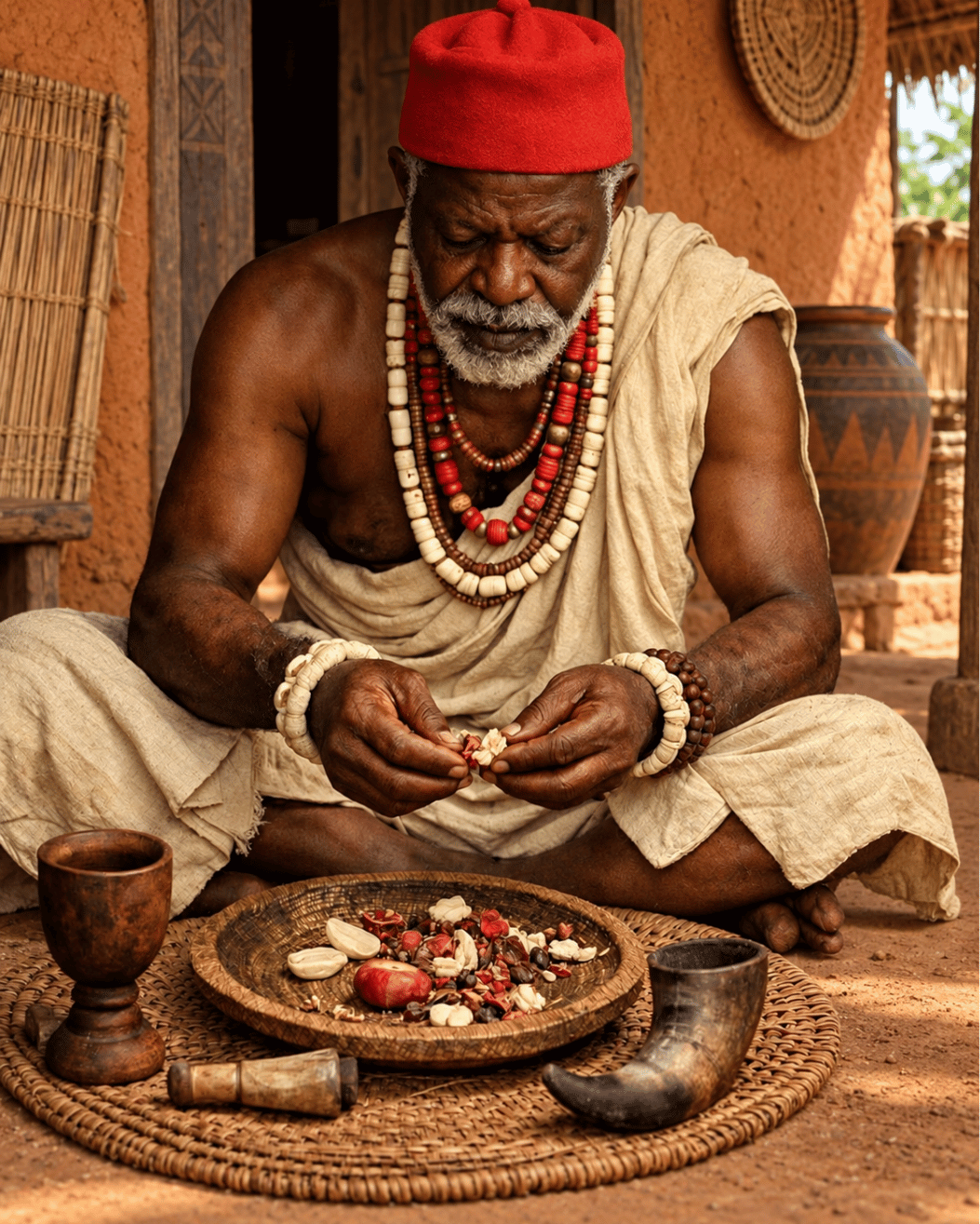
What Exactly Is Chi?
Chi is the personal spiritual force assigned to every individual. It is unique. No two people share the same Chi.
It has been described as a personal god, a guardian spirit, a divine double, or a life-guiding principle. Chi accompanies a person from birth and is believed to influence the course of their life.
In traditional Igbo understanding, Chi is both a protector and a custodian of what a person is meant to become.
Chi and the Supreme God
Chi should not be confused with Chukwu or Chineke, the Supreme Being.
Chukwu is the Great Spirit, the source of all things. Chi is the personal portion or spark that Chukwu gives to each person. In this way, every individual carries a direct spiritual link to the Creator.
This relationship explains why many Igbo people speak of “my Chi” in a deeply personal way. It is theirs alone, yet it comes from the highest source.
Chi and Personal Destiny
Destiny in Igbo thought is often called akaraka or onatara chi. It is believed that before birth, a person’s life path is shaped in connection with their Chi.
Some traditions say the individual and their Chi make an agreement about the life to be lived. Others say Chi receives and guards the destiny package given by Chukwu.
Either way, Chi is seen as the force that helps a person walk out that path. Success or struggle is often understood through the relationship between a person and their Chi.
The Famous Proverb: Onye Kwe, Chi Ya Ekwe
One of the most important Igbo sayings is:
“Onye kwe, chi ya ekwe.”
When a person says yes, their Chi also says yes.
This proverb captures a powerful balance. Destiny is real, yet human effort and agreement matter. Chi does not simply force a fixed fate. It works with the person’s will and actions.
The saying encourages responsibility. A person must first affirm and act. Then Chi supports.
How Chi Shows Up in Daily Life
Traditional Igbo people often spoke of Chi when explaining both good and hard seasons.
If someone prospered, people might say their Chi was good or supportive. If persistent obstacles appeared despite effort, some would reflect on the state of their Chi.
Chi was also linked to character, opportunities, and the timing of events. People offered prayers and maintained right living partly to keep harmony with their personal Chi.
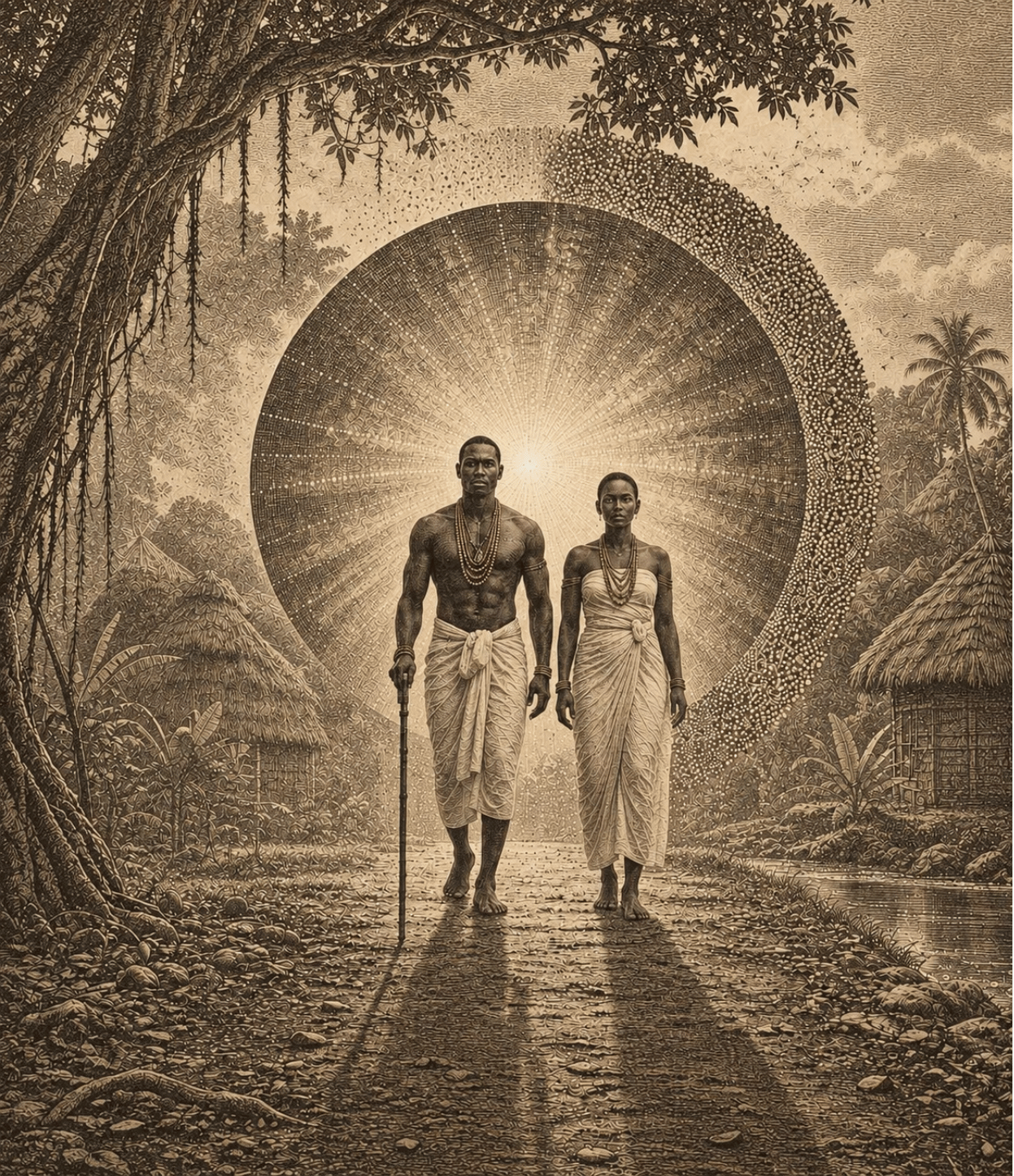
Chi in Names and Everyday Speech
Many Igbo names carry the idea of Chi. Names such as Chika, Chinonso, Chiamaka, Chibuike, and Chinedu all point to the importance of this spiritual force.
In daily conversation, people still say things like “Chi m” (my Chi) or refer to the idea that each person has their own. The concept remains part of how many Igbo speakers express individuality and hope.
Modern Relevance of Chi
Even in a modern world, the idea of Chi continues to influence how many people think about life.
It supports a strong sense of personal responsibility. It also offers a framework for understanding why effort alone is not always enough, and why some seasons feel supported while others feel blocked.
For many, Chi remains a quiet reminder that each person carries a unique spiritual path and a personal connection to something greater.
Frequently Asked Questions
Is Chi the same as God?
No. Chi is the personal spiritual force given to each individual. Chukwu or Chineke is the Supreme God who assigns it.
Does Chi mean a person has no free will?
No. The proverb “Onye kwe, chi ya ekwe” shows that human agreement and effort work together with Chi. Destiny and personal responsibility both matter.
Can a person’s Chi be good or bad?
People traditionally spoke of a supportive or difficult Chi. This often reflected how the relationship between the person and their Chi was understood at different stages of life.
Do only Igbo people have Chi?
In traditional Igbo belief, every person has their own Chi. The concept is specific to Igbo cosmology, though similar ideas of personal spiritual forces exist in other cultures.
Is Chi still relevant today?
Yes. Many Igbo people still refer to Chi in names, conversations, and reflections on life’s direction, success, and challenges.
How is Chi different from a guardian angel?
While both involve personal spiritual guidance, Chi is more closely tied to destiny and the unique path of the individual. It is seen as a portion of the divine given specifically to that person.
Conclusion
Chi is one of the most profound ideas in Igbo spiritual thought. It teaches that every person carries a unique spiritual companion and a distinct path. It balances destiny with personal responsibility. It reminds people that they are never walking alone, yet they must still say yes and act.
Understanding Chi offers a deeper window into how traditional Igbo people viewed life, effort, and the unseen forces that shape human experience.
Want to explore more of Igbo language, culture, and worldview? With NKENNE, the first African language learning app, you can learn practical Igbo while connecting more deeply with the ideas that shape Ndigbo identity. Download today and continue the journey.