
Caste, Craft, and Class Among the Wolof: Geer, Ñeenyo, and Jaam Today
By: Chimdindu Ken-Anaukwu
Traditional Wolof society was organized into a hereditary hierarchy that shaped occupation, marriage, and social respect for centuries. The main categories—Geer (freeborn), Ñeenyo (occupational castes, including griots), and Jaam (descendants of the servile class)—still influence daily life in subtle but real ways. This guide offers an honest look at the historical system and how it continues to affect marriage choices, expressions of respect, and opportunities in contemporary Senegal.
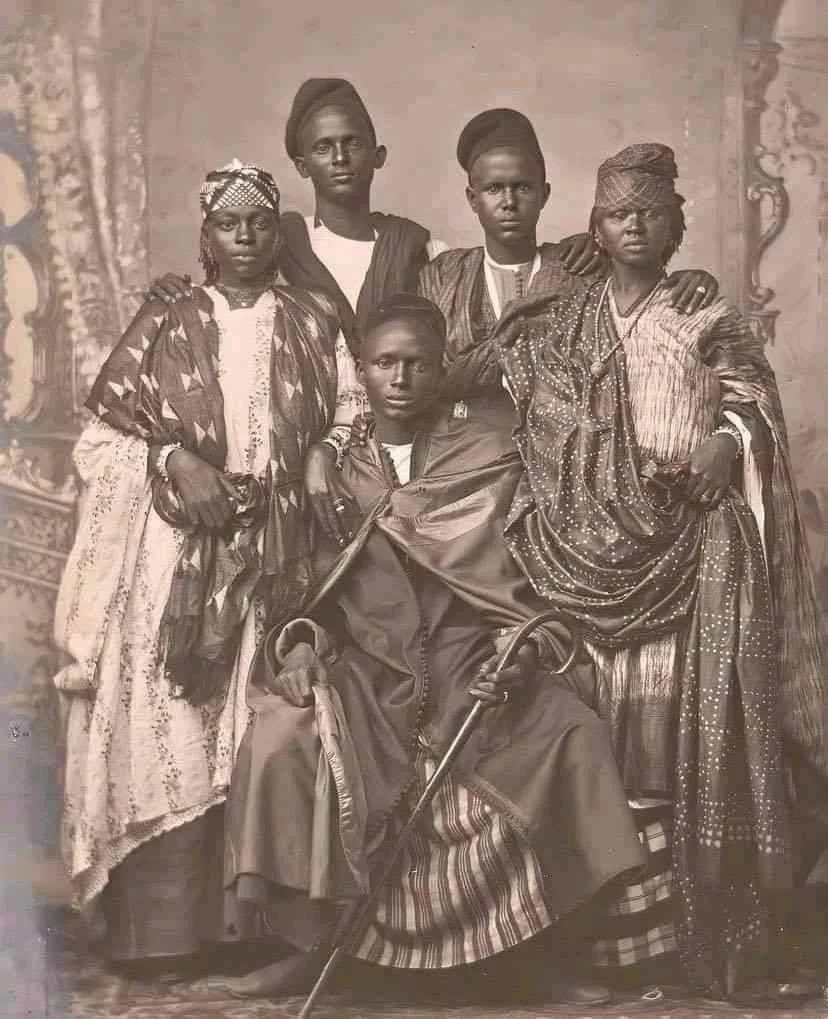
The Traditional Hierarchy Explained
Wolof society developed a stratified system that divided people by birth and occupation. Status was hereditary and largely endogamous (people married within their group). The system emphasized reciprocity: higher groups provided protection and leadership, while specialized groups offered essential skills, music, and labor. It was never identical to South Asian caste systems, but it created clear social boundaries that lasted for generations.
Geer: The Freeborn Class
Geer (sometimes associated with broader freeborn or noble categories) formed the highest traditional tier. This group included landowners, farmers, warriors, and political leaders. They were expected to embody dignity, restraint, and moral authority. In rural areas, Geer families often held village leadership roles and controlled land or decision-making.
Ñeenyo: Artisans, Specialists, and Griots
Ñeenyo (also spelled Neeno or Niégno) covered hereditary occupational groups. These included blacksmiths, leatherworkers, woodworkers, and most famously griots (géwël). Griots served as oral historians, praise-singers, musicians, and mediators. They held essential cultural roles yet occupied a lower formal rank than the Geer. Their public, expressive work and specialized crafts placed them in a distinct category that required mutual dependence with the freeborn class.
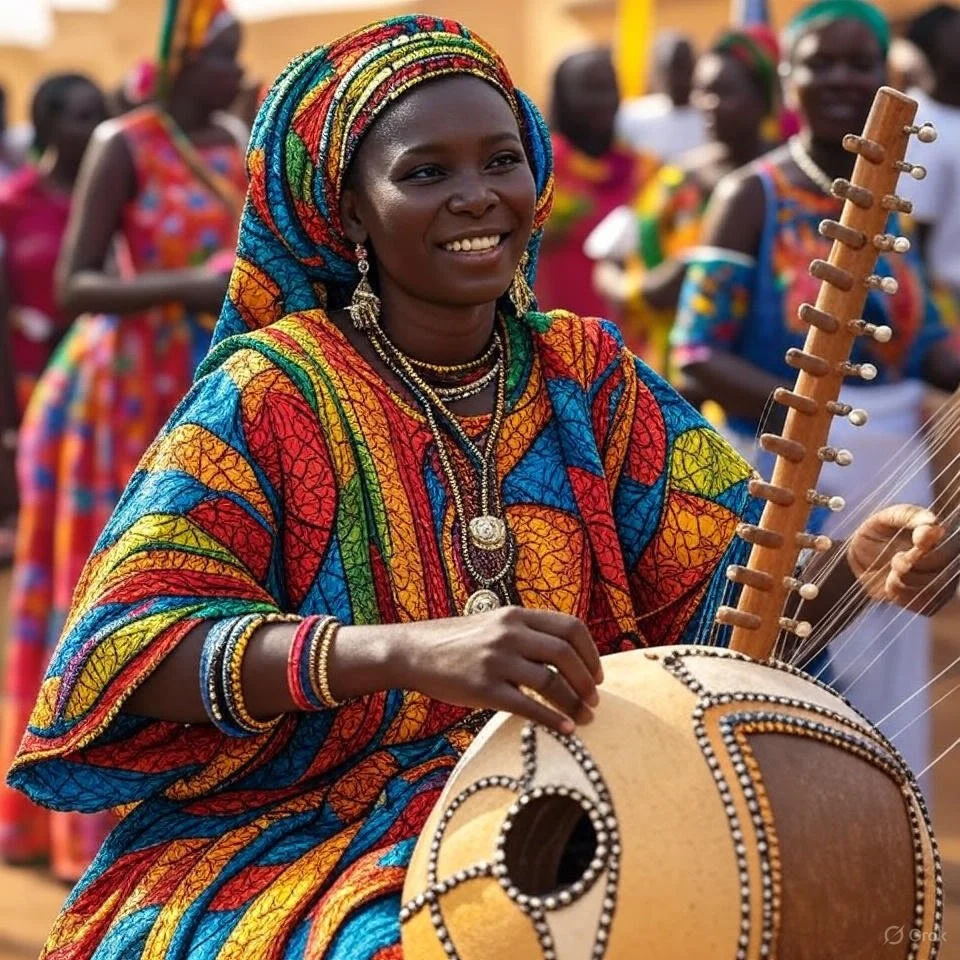
Jaam: Descendants of the Servile Class
Jaam referred to people of slave descent. Slavery existed in precolonial Wolof society through warfare, trade, and other means. Legal slavery ended under French colonial rule, but social distinctions based on ancestry continued. Today many people of Jaam descent have achieved economic and professional success, though subtle status differences can still appear in certain social contexts.
How the System Persists Today
In modern Senegal the hierarchy is no longer rigid or legally enforced. Urbanization, education, migration to Dakar, and individual achievement have opened many doors. Griots, for example, have become prominent in music, media, and politics. People from all backgrounds succeed in business, government, and the arts.
Yet the system has not disappeared. Family names often signal traditional status, and many people can identify their own and others’ categories. Rural areas tend to maintain stronger adherence to older norms than large cities.
Marriage, Respect, and Opportunity
Marriage remains the area where the hierarchy is most visible. Endogamy is still widely preferred. Inter-caste marriages, especially between Geer and Ñeenyo or involving Jaam descent, can face strong family opposition. Some families investigate lineage carefully before approving a match. Crossing these lines is often more controversial than marrying across ethnic groups.
Respect protocols also reflect the old order. Certain forms of address, seating, or participation in ceremonies can still follow traditional expectations. In terms of opportunity, formal discrimination is rare and illegal, but social networks and family preferences can quietly influence connections, especially in more conservative settings.
FAQ: Understanding Wolof Social Hierarchy
What are the main categories in the Wolof system?
Geer (freeborn), Ñeenyo (occupational castes including griots), and Jaam (descendants of the servile class).
Does caste still affect marriage in Senegal?
Yes. Endogamy remains strong. Many families prefer or insist on marriage within traditional categories, particularly in rural areas and among more conservative households.
Can someone change their caste?
Caste is hereditary and based on birth. Individuals cannot formally change it, though education, wealth, and urban life allow people to move beyond traditional limitations in practice.
Are griots still important?
Yes. Griots retain cultural prestige as historians and performers. Many have gained modern influence through music, media, and public life.
Is the system the same everywhere in Senegal?
No. It is more pronounced in rural Wolof communities and less rigid in diverse urban centers like Dakar.
Why does this history still matter?
It helps explain patterns of respect, family decision-making, and social networks that continue to shape everyday interactions.
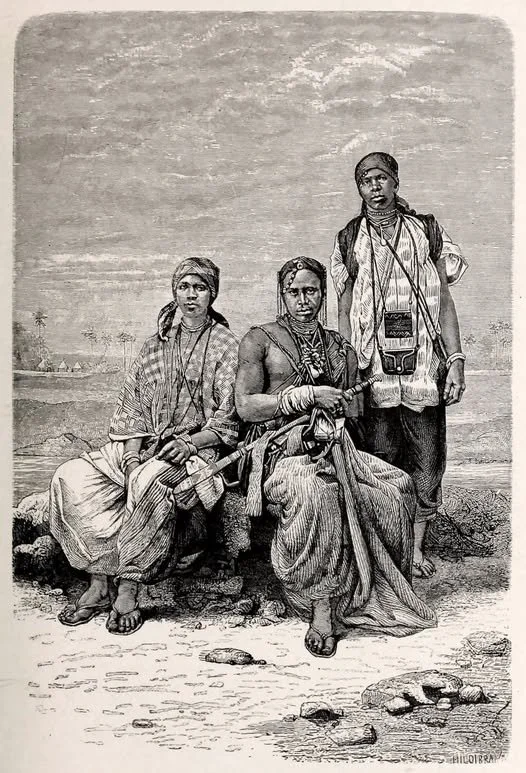
Wrapping Up: Tradition in a Changing Society
The Wolof categories of Geer, Ñeenyo, and Jaam reflect a historical system of interdependence and hierarchy that once organized society. While legal equality and modern opportunities have transformed daily life, the old distinctions still influence marriage choices, expressions of respect, and social expectations in quiet but real ways.
Understanding this background offers deeper insight into Wolof culture and Senegalese society. NKENNE’s resources connect language learning with cultural context so you can engage more thoughtfully with the living traditions of the Wolof people. Explore further and approach these realities with both knowledge and respect.