
Swahili City-States: The Powerful Trading Empires of Kilwa, Mombasa, and Zanzibar
By: Chimdindu Ken-Anaukwu
Imagine a string of independent cities stretched along the East African coast. Each one ruled itself. Each one grew rich from ships that crossed the Indian Ocean. From roughly the 11th to the 15th century, places like Kilwa, Mombasa, and Zanzibar stood as powerful trading hubs. They controlled gold, ivory, and spices. They linked the African interior to Arabia, India, Persia, and even China.
This was the golden age of the Swahili city-states. In this post, you will discover how these independent centres rose to wealth, how they dominated Indian Ocean trade, and why their story still matters today.
What Were the Swahili City-States?
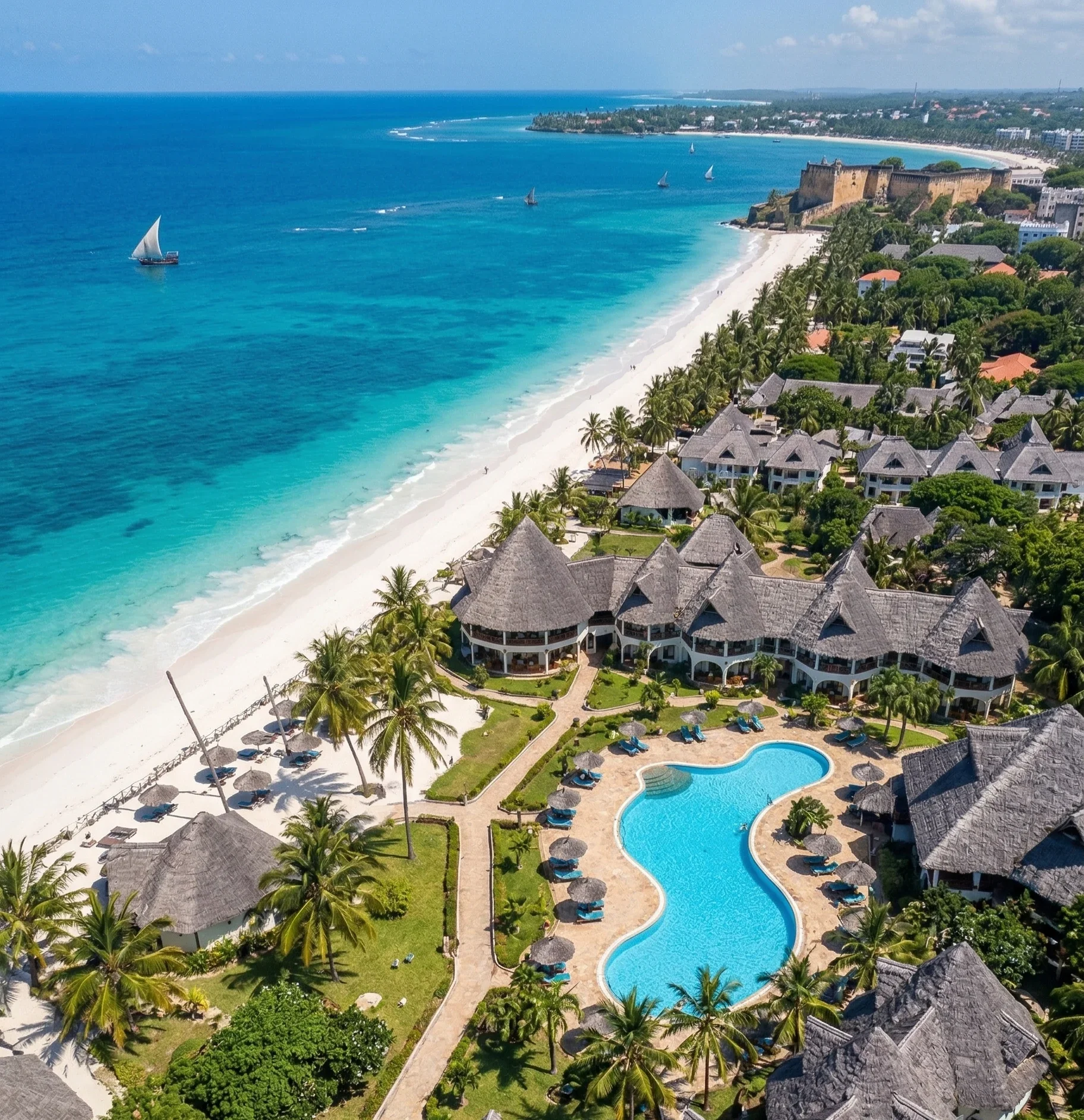
The Swahili city-states were independent urban centres along the East African coast. They stretched from present-day Somalia down to Mozambique and included islands such as Zanzibar, Pemba, and Mafia. Each city governed itself. There was no single empire controlling them all.
These cities shared a common language, Kiswahili, and a growing Islamic identity. They were cosmopolitan places where African Bantu communities mixed with traders from across the Indian Ocean. Their power came from trade, not conquest.
The Rise of Independent Trading Powers
By the 11th and 12th centuries, coastal settlements had grown into thriving towns. Local elites, often called the Waungwana, controlled commerce and politics. Many adopted Islam and built coral-stone mosques and houses.
Competition between cities was strong. Each sought to attract more ships and control key goods from the interior. This rivalry pushed innovation in shipbuilding, architecture, and trade networks. The result was a string of wealthy, self-governing city-states that peaked between about 1200 and 1500.
Kilwa: Master of the Gold Trade
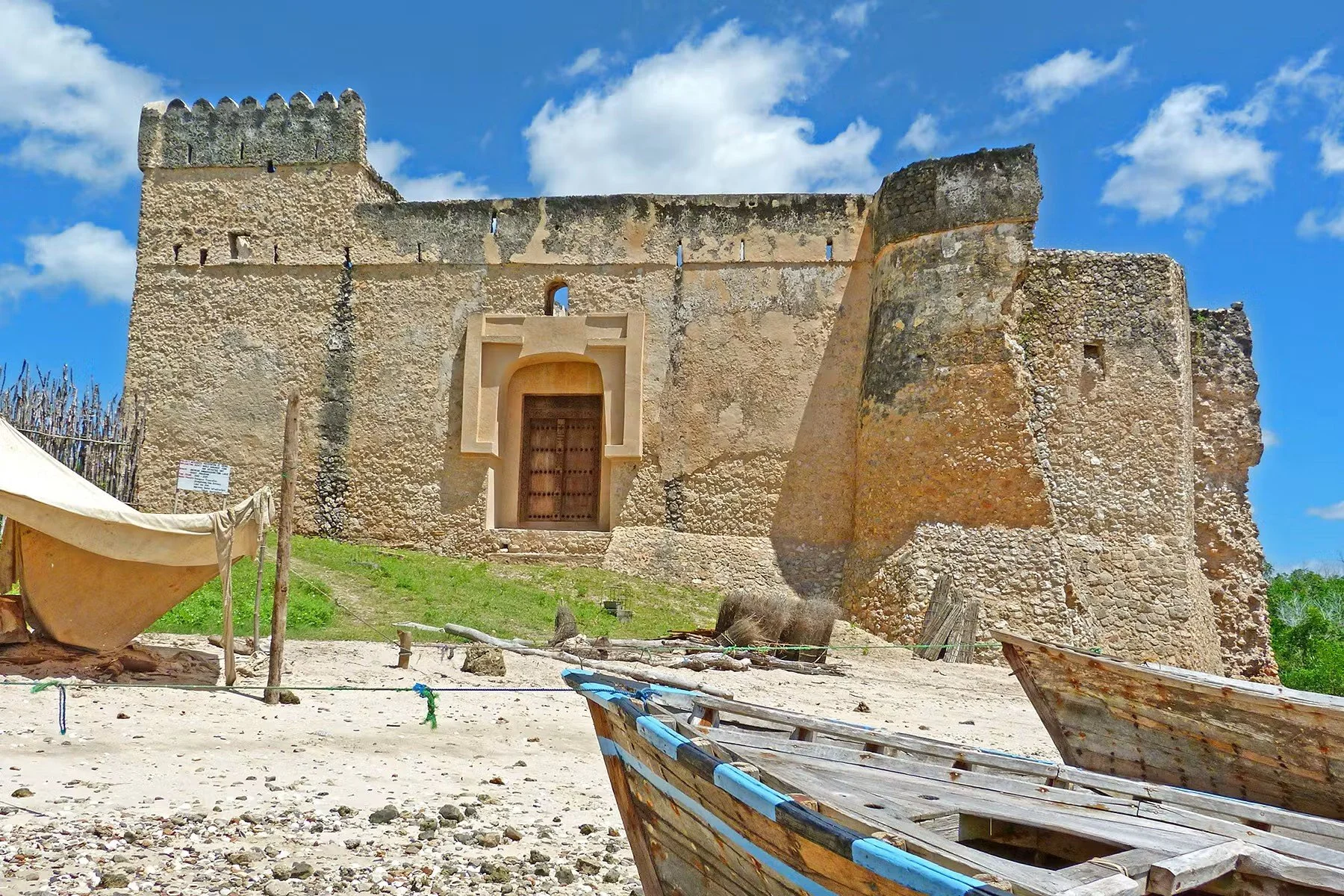
Kilwa Kisiwani, an island off the coast of modern Tanzania, became the most powerful of the Swahili city-states. Its location near the southern edge of the monsoon winds made it the ideal stop for ships heading to or from the gold-rich south.
Kilwa gained control of Sofala, the main outlet for gold from the interior, including the region of Great Zimbabwe. Dhows left Kilwa loaded with gold, ivory, timber, and grain. In return came Chinese porcelain, Indian cloth, Persian goods, and spices. At its height in the 14th century, Kilwa minted its own coins and built the impressive Husuni Kubwa palace and the Great Mosque.
Visitors like the Moroccan traveller Ibn Battuta described Kilwa as one of the most beautiful and well-built cities of its time.
Mombasa and Zanzibar: Key Players on the Coast
Mombasa rose as a major commercial centre further north. It controlled fertile hinterlands that produced food and timber. Mombasa competed with Malindi and later became a key port for regional and international trade.
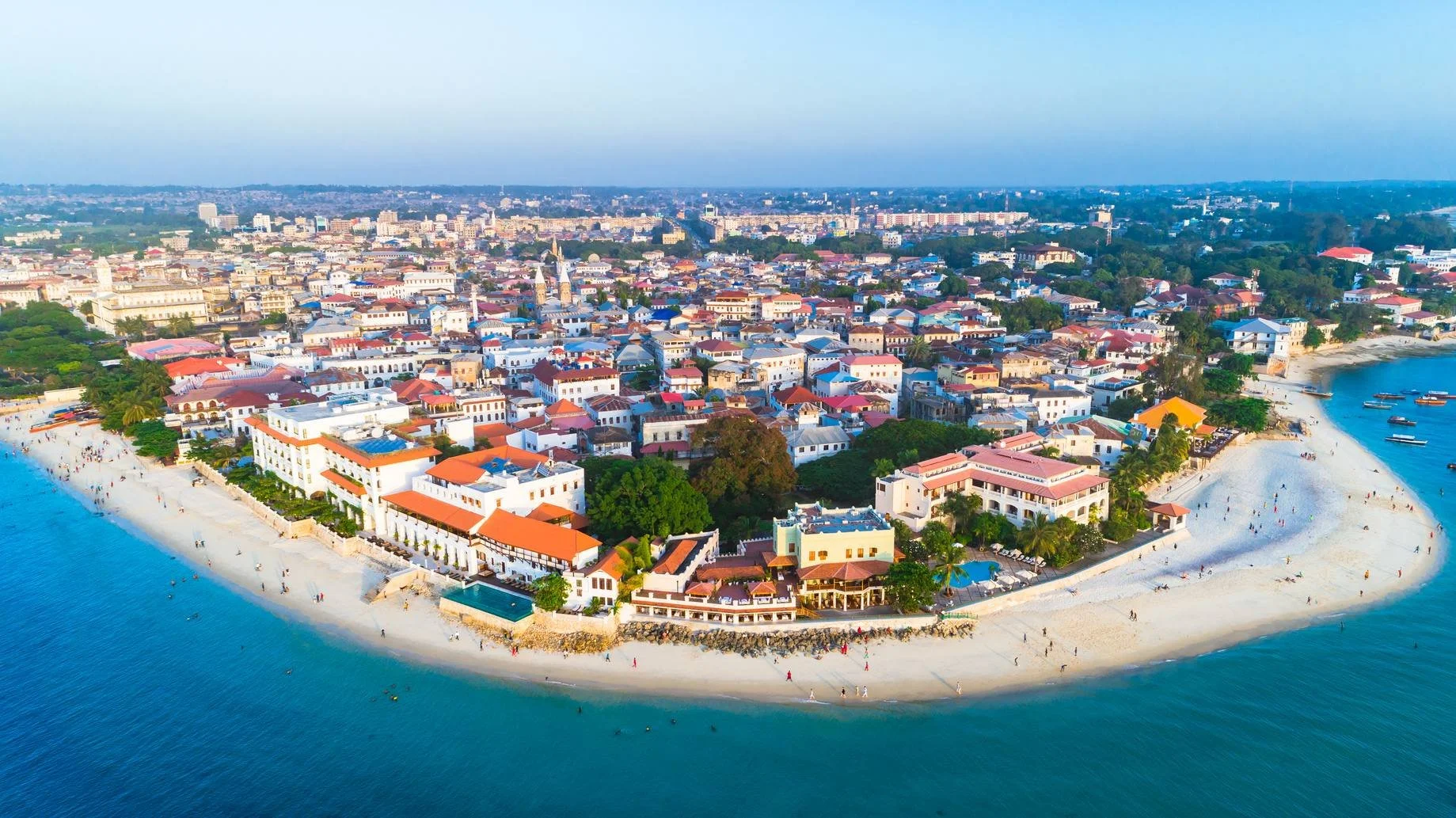
Zanzibar, especially Unguja, developed into an important trading and later administrative centre. Its harbours welcomed ships carrying spices, ivory, and other goods. Over time Zanzibar grew into a major hub that would later play an even larger role under Omani influence.
These cities, like Kilwa, remained independent and competitive. Their strength came from flexible trade networks rather than military empires.
Wealth from Gold, Ivory, and Spices
The city-states grew rich as middlemen. From the African interior they obtained gold, ivory, copper, iron, timber, and animal products. From the Indian Ocean world they received cloth, beads, porcelain, glassware, and spices.
Gold was the most valuable export, especially through Kilwa and Sofala. Ivory was highly prized in India and China. Spices and other luxury goods moved in both directions. The monsoon winds made regular sailing seasons possible, turning the coast into a vital link in global trade.
How They Dominated Indian Ocean Trade
Swahili merchants understood the monsoon cycle. Ships arrived from Arabia, Persia, and India with the northeast monsoon and returned with the southwest monsoon. Coastal cities provided safe harbours, storage, and credit.
Local production added value. Cities manufactured cloth, worked iron, and processed goods for export. Elite families financed voyages and controlled access to inland suppliers. This combination of geography, knowledge, and organisation allowed the city-states to dominate the western Indian Ocean trade for centuries.
Culture, Architecture, and Daily Life
Wealth funded a distinctive culture. Coral-stone buildings, carved doors, and large mosques defined the stone towns. Islam shaped daily life, yet African traditions remained strong in language, social organisation, and customs.
Merchants lived in multi-storey stone houses. Ordinary people lived in timber and thatch dwellings nearby. Markets bustled with local and foreign goods. The cities were truly cosmopolitan, mixing African, Arab, Persian, and Indian influences into something uniquely Swahili.
The End of the Golden Age
The arrival of the Portuguese in the late 15th and early 16th centuries disrupted the system. They attacked several cities, including Kilwa and Mombasa, and tried to control the gold and spice trades. Trade routes shifted. Some cities declined while others adapted under new powers, including the Omanis later on.
The independent golden age of the Swahili city-states gradually ended, but their cultural and linguistic legacy continued.
FAQs About Swahili City-States
What were the main Swahili city-states?
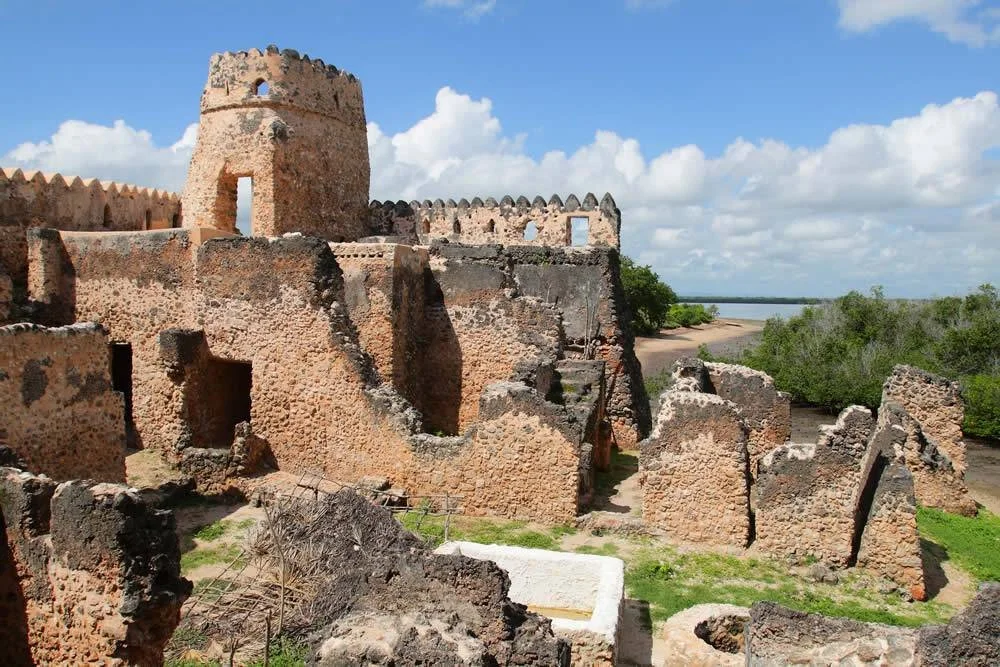
Key ones included Kilwa, Mombasa, Zanzibar, Malindi, Lamu, Pate, Mogadishu, and Sofala. Dozens existed along the coast and islands.
How did Kilwa become so wealthy?
Kilwa controlled access to gold from the southern interior through Sofala. This monopoly, combined with its strategic location, made it the richest city-state for a time.
Were the city-states part of one empire?
No. They were independent and often competed with each other for trade dominance.
What goods did they trade?
Exports included gold, ivory, timber, and animal products. Imports included cloth, porcelain, beads, glassware, and spices.
When was the golden age?
Roughly from the 11th or 12th century to the early 16th century, with a peak in the 14th and 15th centuries.
Why did the city-states decline?
Portuguese interference disrupted trade. Later Omani and European influence further changed the political and economic landscape.
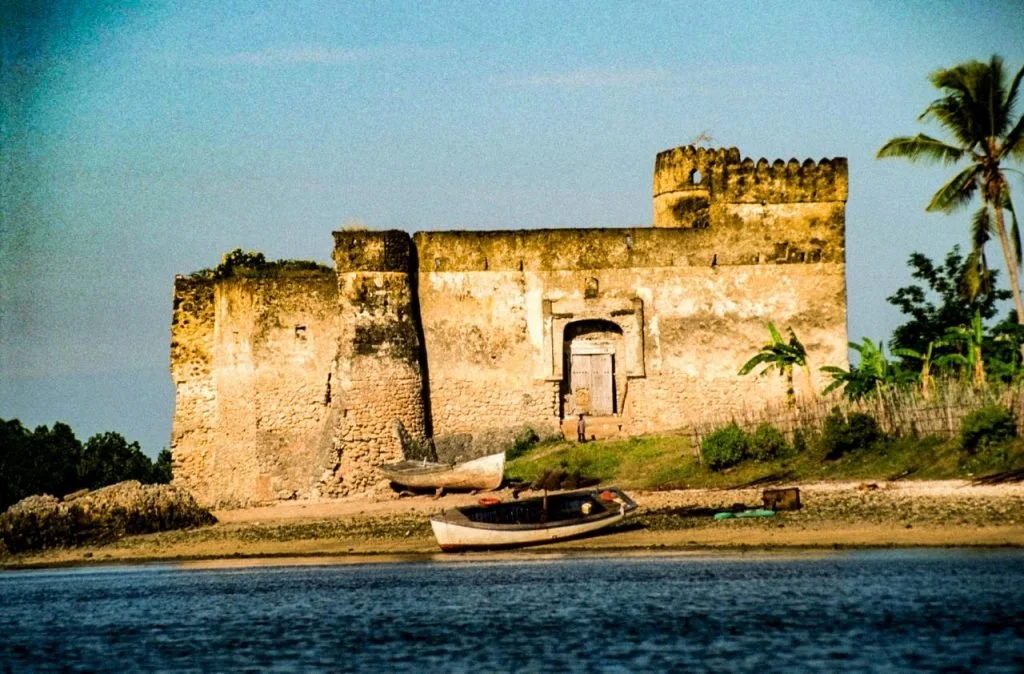
The Swahili city-states of Kilwa, Mombasa, and Zanzibar show the power of trade, independence, and cultural exchange. For centuries they turned the East African coast into a vital link between Africa and the wider Indian Ocean world. Their story is one of African innovation, wealth, and cosmopolitan life that still shapes the region today.
Want to explore more of this rich history and the language that grew from it? NKENNE offers practical lessons on Swahili culture, history, and everyday conversation. Start today and connect more deeply with the heritage of the coast. Karibu!