
By: Chimdindu Ken-Anaukwu
The Somali clan system is one of the oldest and most important social structures in the Horn of Africa. For many Somalis, it is more than ancestry. It is a living network of support, identity, and responsibility.
At the same time, the clan system faces real challenges in the modern world. Understanding both its strengths and its difficulties helps us see how Somalis navigate identity and unity today.
In this NKENNE guide, we take a clear and balanced look at how the clan system works and why it still matters.
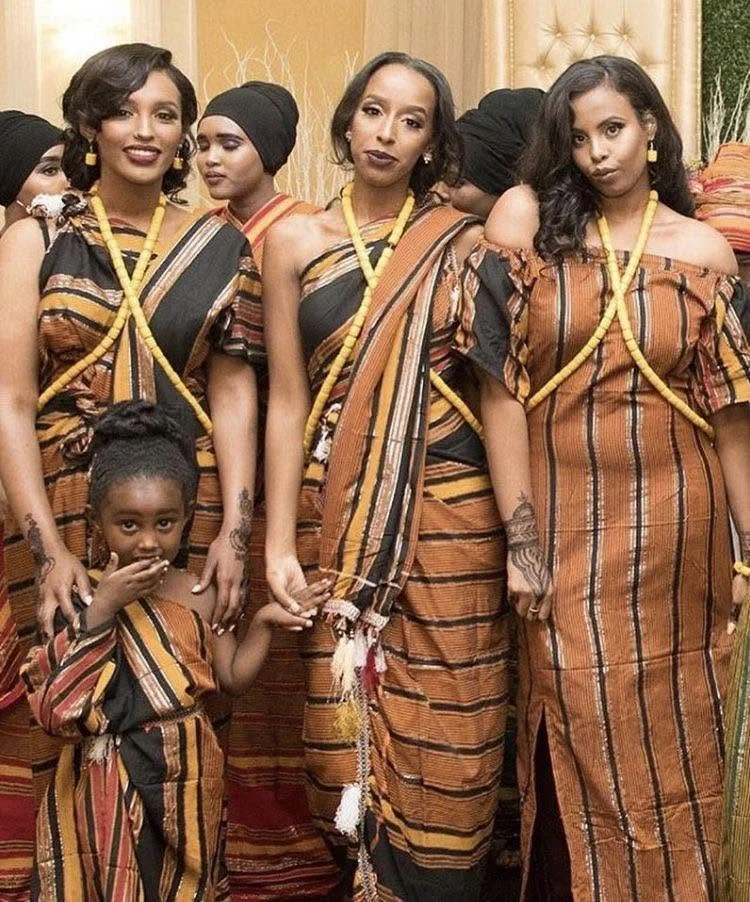
What Is the Somali Clan System?
Somali society is organized around a patrilineal clan structure. People trace their lineage through the male line to a common ancestor. The major clan families include Darod, Hawiye, Isaaq, Dir, and Rahanweyn (Digil and Mirifle).
Each major clan is further divided into sub-clans, lineages, and smaller groups. These connections create a detailed map of relationships that guide social life, marriage, and mutual obligations.
The system is supported by customary law known as Xeer, which elders use to resolve disputes and maintain order.
The Strengths of the Clan System
The clan system offers real and lasting benefits.
It provides a strong safety net. In times of need, relatives are expected to help with money, shelter, protection, or advice. This support has been especially important during conflict, drought, and displacement.
Clans also give people a clear sense of belonging and identity. Knowing your lineage connects you to history, poetry, and a wide network of people who share responsibility for one another.
In traditional settings, the system helped maintain security and social order when formal government structures were weak or absent.
Challenges and Tensions
The same system that provides strength can also create difficulties.
Clan loyalty sometimes competes with broader national unity. In politics, resources and positions have often been distributed along clan lines, which can fuel competition and mistrust.
In some cases, disputes between clans or sub-clans have escalated into conflict. The system can also place pressure on individuals to prioritize group interests over personal choice.
Younger generations, especially in cities and the diaspora, sometimes feel the tension between traditional expectations and modern individual opportunities.
Clans in Modern Somali Society
Today the clan system continues to play an important role, but it is adapting.
In the diaspora, clans often function as community support networks. They help with settlement, business connections, and cultural events. Many Somalis still turn to clan elders for advice on marriage, conflict, or family matters.
In the homeland, clans remain influential in local politics and social organization. At the same time, education, urbanization, and national identity movements are creating new ways for people to relate to one another beyond traditional lines.
Balancing Clan and National Identity
Many Somalis hold both identities at once. They value their clan while also feeling a strong sense of Soomaalinimo (Somali-ness). Shared language, faith, culture, and history provide common ground that cuts across clan divisions.
The challenge of the 21st century is to keep the supportive strengths of the clan system while reducing the divisions that can hold communities back. This balance is being negotiated every day in homes, cities, and diaspora communities around the world.
FAQ
How many major Somali clans are there?
There are five major clan families: Darod, Hawiye, Isaaq, Dir, and Rahanweyn. Each has many sub-clans.
Is the clan system the same as a tribe?
It is similar but more detailed. Somali clans are based on genealogical lineages that can be traced through many generations.
Do all Somalis belong to a clan?
Most Somalis identify with a clan or lineage. There are also minority communities with different social structures.
Why is the clan system still important today?
It continues to provide identity, mutual support, and social networks, especially in times of difficulty or in the diaspora.
Can the clan system and national unity exist together?
Yes. Many Somalis work to honor clan ties while also building stronger national and community bonds based on shared language and culture.
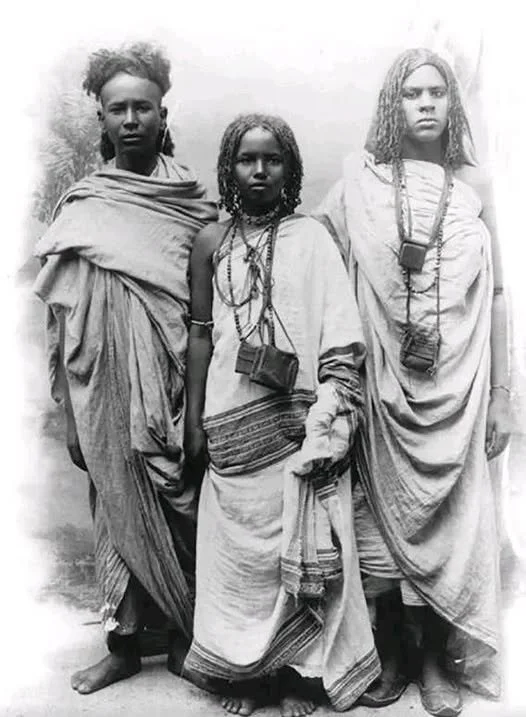
The Somali clan system is neither purely positive nor purely negative. It is a complex and living structure that has helped people survive and thrive for centuries. Understanding both its strengths and its challenges gives a clearer picture of Somali society today.
Continue exploring Somali culture, history, and language on the NKENNE app. Every lesson brings you closer to the full story of this resilient people.