
The Rozvi Empire: Warriors, Firearms, and the Defense of Shona Lands
By: Chimdindu Ken-Anaukwu
After the decline of the Mutapa state, a new power rose on the Zimbabwean plateau.
This was the Rozvi Empire, a Shona warrior kingdom that became known for its military strength and ability to push back foreign interference.
Under leaders like Changamire Dombo, the Rozvi organized a disciplined fighting force, used both traditional weapons and firearms, and defended large parts of what is now Zimbabwe.
Their story is one of resistance, organization, and lasting influence on the politics of the region.
In this guide, I will walk you through how the Rozvi rose, how they fought, and why they still matter in Shona historical memory.
The Rise of Changamire Dombo
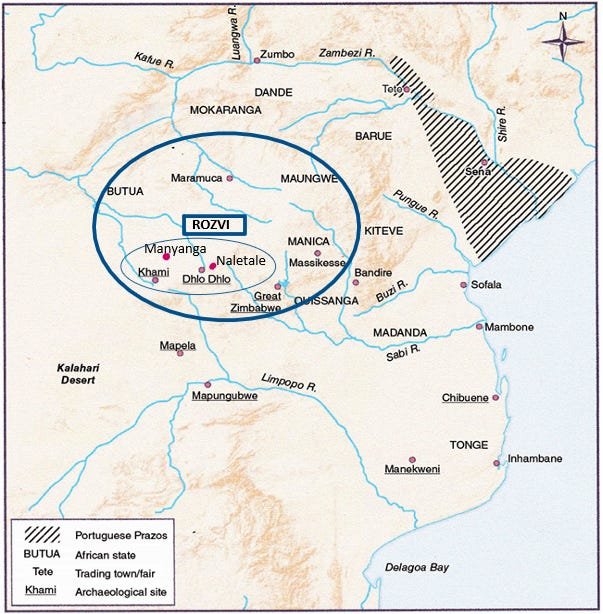
In the late 1600s the Mutapa state had grown weak.
Portuguese traders and settlers had gained influence, and local leaders faced pressure and instability. Out of this situation rose Changamire Dombo.
Dombo gathered followers, built wealth through cattle, and formed a powerful fighting force. By the 1680s he was strong enough to challenge both Mutapa authorities and the Portuguese.
Around 1683–1684 he scored major victories, including the defeat of Portuguese forces at Maungwe. He then expanded southward, conquering the Torwa state of Butua.
The people under his leadership became known as the Rozvi, a name linked to the idea of a warrior or raiding nation.
Building a Warrior State
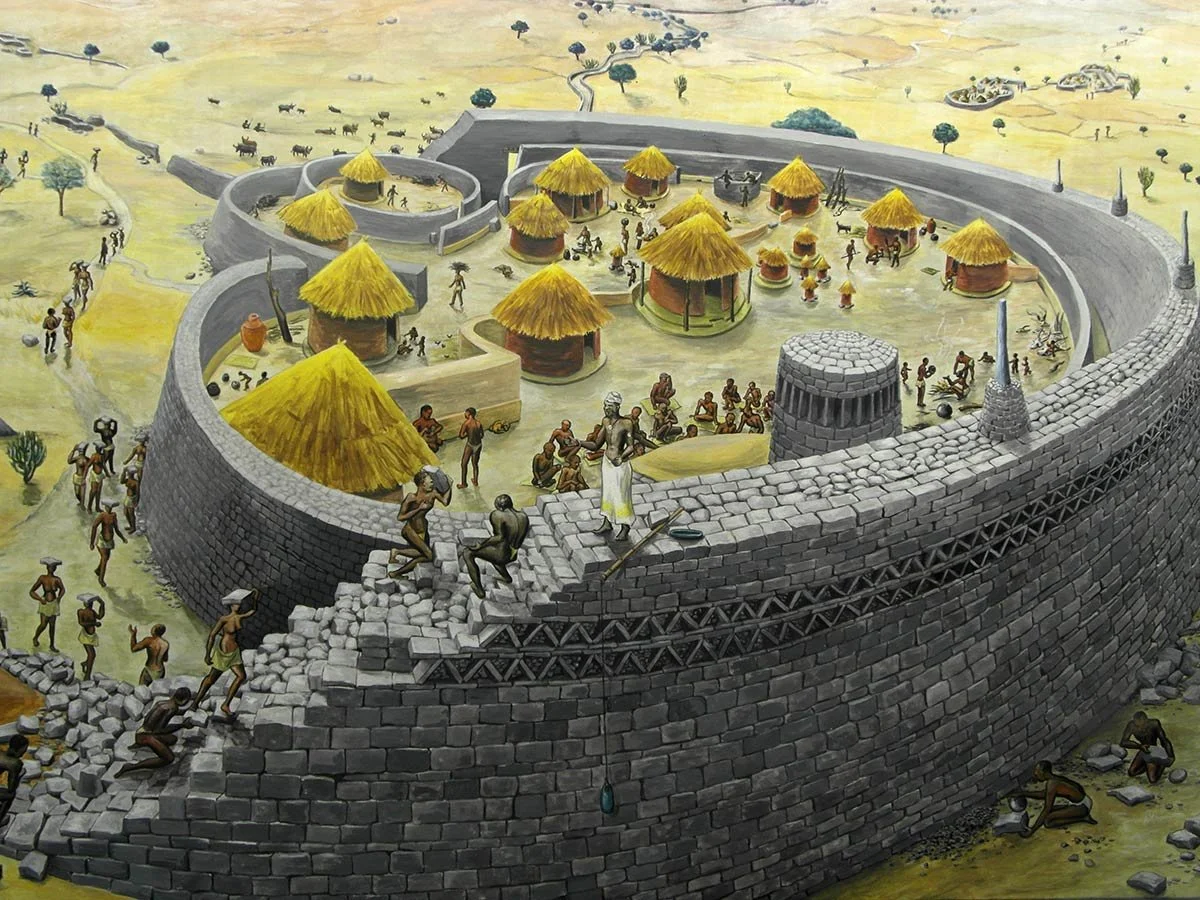
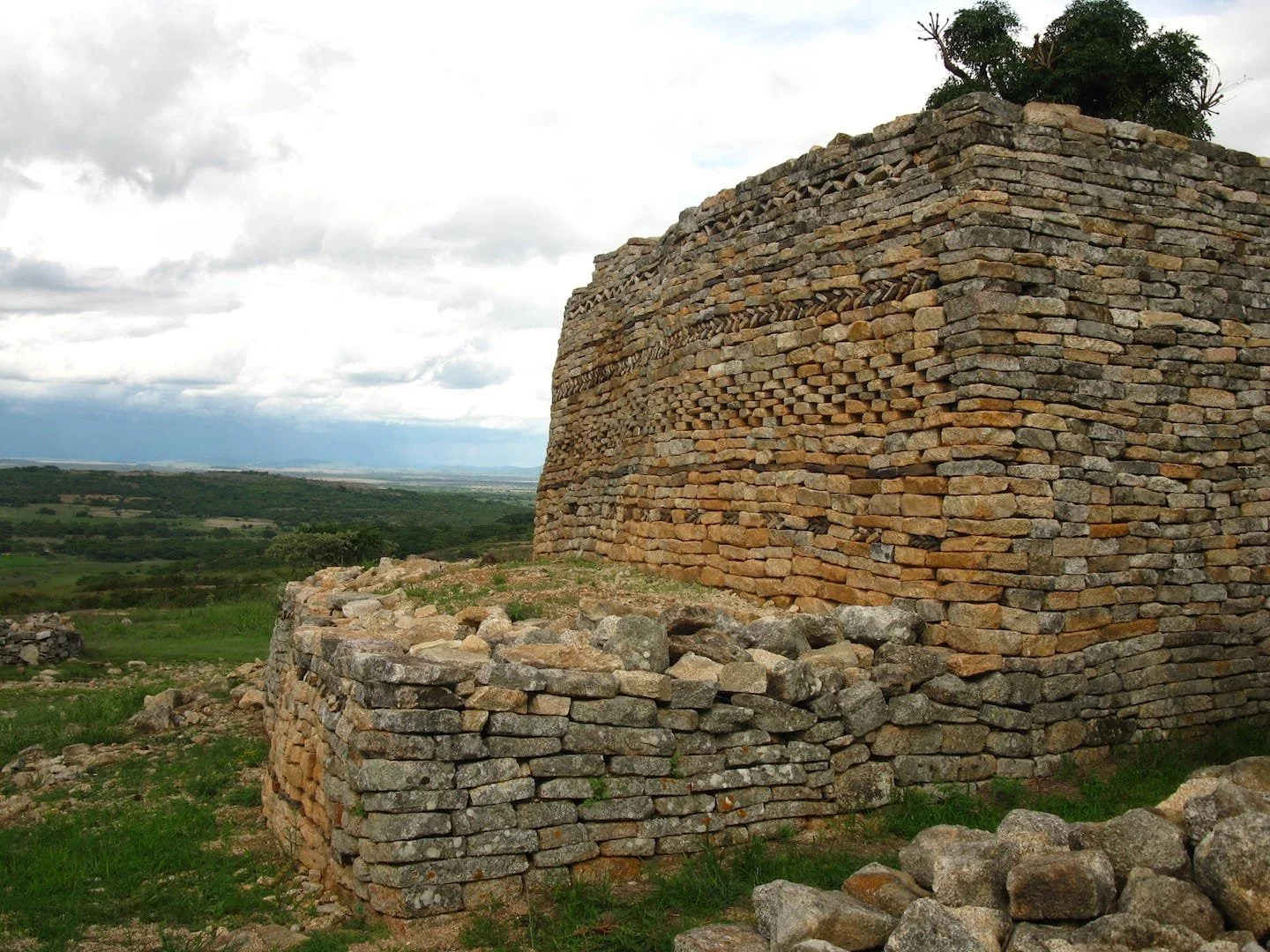
The Rozvi state was centered in the southwest of the plateau, with important capitals such as Danamombe (also called Dhlo-Dhlo).
Power rested with the Changamire (the ruler) and a council of close advisors. The state controlled cattle, trade, and tribute from surrounding areas.
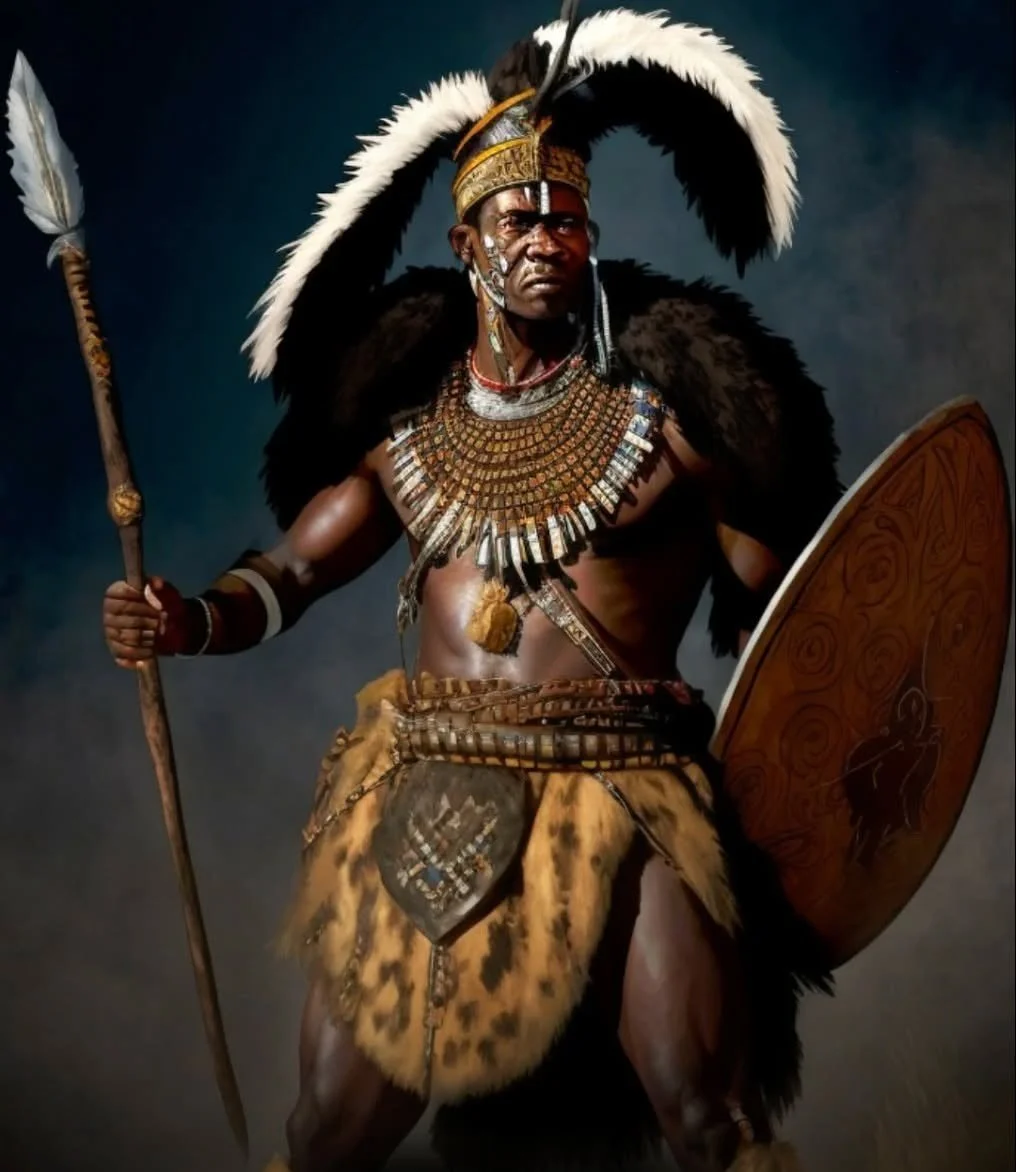
What set the Rozvi apart was the organization of their army. Soldiers were grouped into regiments with clear leadership. This structure allowed them to move and fight more effectively than many of their rivals.
Military Strength and Firearms
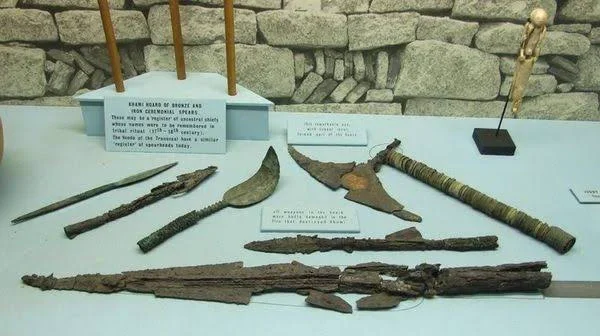
The Rozvi army used traditional weapons with great skill: bows and arrows, spears, shields, battle axes, and clubs.
They also obtained firearms. Some were captured from the Portuguese. Others came through trade. Although these guns were not always reliable, the combination of traditional tactics and limited firearms made the Rozvi a feared force.
Their reputation for discipline and bold action helped them expel Portuguese presence from much of the interior plateau. For a time, this gave Shona communities greater control over their own land and trade routes.
Defense of the Plateau and Relations with Neighbours
The Rozvi did not simply conquer. They also defended.
By pushing the Portuguese back toward the coast and the Zambezi valley, they limited foreign control of the interior. They maintained influence over parts of the former Mutapa territories and kept order across a wide area of the plateau.
Their power shaped regional politics for decades. Neighbouring groups had to deal with a strong, centralized Shona military state rather than a fragmented landscape open to outside interference.
Decline and Lasting Legacy
In the early 1800s the region faced new pressures.
Drought and the movement of Nguni groups during the Mfecane period brought waves of invasion. The Rozvi army resisted the first attacks, but in the 1830s major leaders were killed and the central state fragmented.
Later, under leaders such as Tohwechipi (sometimes called Chibhamubhamu for his use of guns), remnants of Rozvi power continued to resist for years.
Even after the formal state declined, the memory of the Rozvi as defenders of the land remained strong. Their story became part of the longer history of Shona resilience and organized resistance.
Frequently Asked Questions
Who founded the Rozvi Empire?
Changamire Dombo founded the state in the late 17th century.
What does the name Rozvi mean?
It is linked to the Shona idea of a warrior or raiding people, reflecting their military reputation.
How did the Rozvi deal with the Portuguese?
They defeated Portuguese forces in key battles and forced them out of much of the interior plateau.
Did the Rozvi use firearms?
Yes. They captured and traded for guns and combined them with traditional weapons and tactics.
What caused the decline of the Rozvi Empire?
Invasions by Nguni groups in the 1830s, combined with internal fragmentation, brought the central state to an end.
Why is the Rozvi Empire important in Shona history?
It showed that organized Shona military power could defend the plateau and limit foreign control for generations.
The Rozvi Empire stands as a clear example of Shona military organization and determination.
At a time when outside forces were pressing into the interior, the Rozvi built a strong state, defended their lands, and left a lasting mark on the politics of the region.
Remembering their story strengthens understanding of the deeper history of resistance and state-building among the Shona people.
If this history inspired you, keep exploring with NKENNE. We are here for the language, the culture, and the pride that comes from knowing the full story of our past.
Maita henyu for reading. The warriors still speak through history.