
Madora (Mopane Worms): The Crunchy Delicacy That's a True Zimbabwean Treat
By: Chimdindu Ken-Anaukwu
For many Zimbabweans, the sight of madora brings instant nostalgia and excitement.
These mopane worms are a true delicacy with a unique crunchy texture and rich, nutty flavor.
High in protein and packed with nutrients, madora has been enjoyed for generations in rural and urban homes alike.
Whether you are trying it for the first time or recreating childhood memories, this guide makes the preparation approachable and delicious.
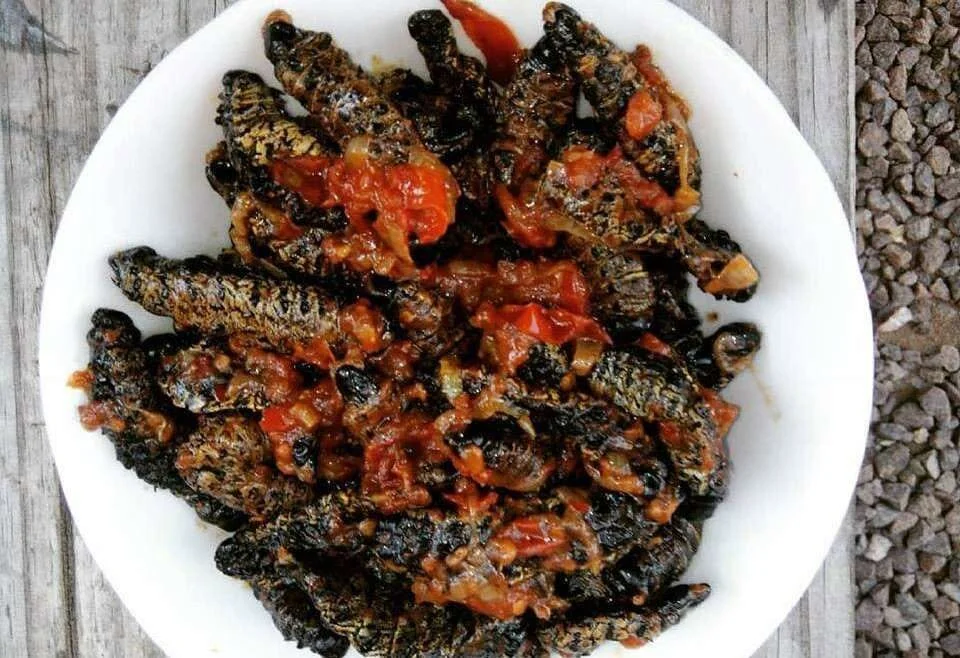
What Are Madora?
Madora are the caterpillars of the emperor moth, harvested from mopane trees.
In Shona culture, they are a seasonal delicacy full of tradition and nutrition.
They are usually sold dried and can be prepared by frying, stewing, or adding to relish. The result is a satisfying, earthy flavor that many describe as similar to peanuts or prawns.

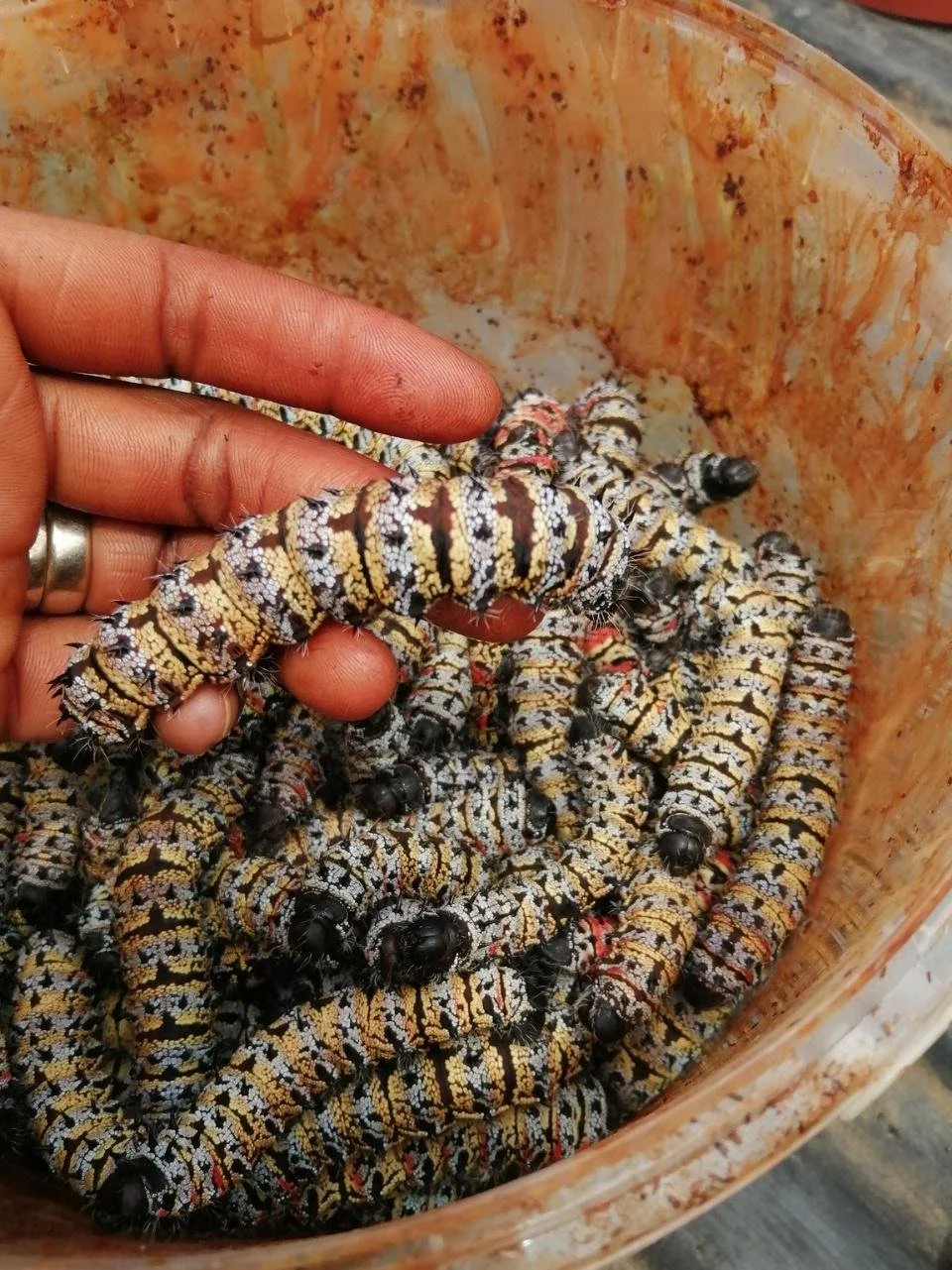
Key Ingredients and Their Shona Names
Ingredients (Serves 4):
200g dried madora (mopane worms) – madora
1 medium onion, chopped
2 tomatoes, chopped
2 cloves garlic, crushed
1 teaspoon salt
½ teaspoon black pepper or chili powder (optional)
3 tablespoons cooking oil
1 cup water
Dried madora and fresh ingredients ready for cooking – simple pantry staples create big flavor.
Easy Madora Recipe
Prep time: 15 minutes (plus soaking if needed)
Cook time: 25–30 minutes
Step-by-Step Cooking Guide
Rinse the dried madora under running water to remove any debris. Soak in warm water for 10–15 minutes if they are very dry.
Drain well and pat dry with a clean cloth.
Heat oil in a pan over medium heat. Add chopped onion and cook until golden.
Add garlic and tomatoes. Cook for 4–5 minutes until the tomatoes soften into a sauce.
Add the drained madora, salt, and any pepper or chili. Stir to coat them evenly.
Pour in the water, reduce heat, and simmer for 15–20 minutes until the madora are tender but still have a pleasant crunch.
Cook a few more minutes on higher heat if you prefer them crispier. Taste and adjust seasoning.
The madora gently simmering and absorbing all the rich flavors.
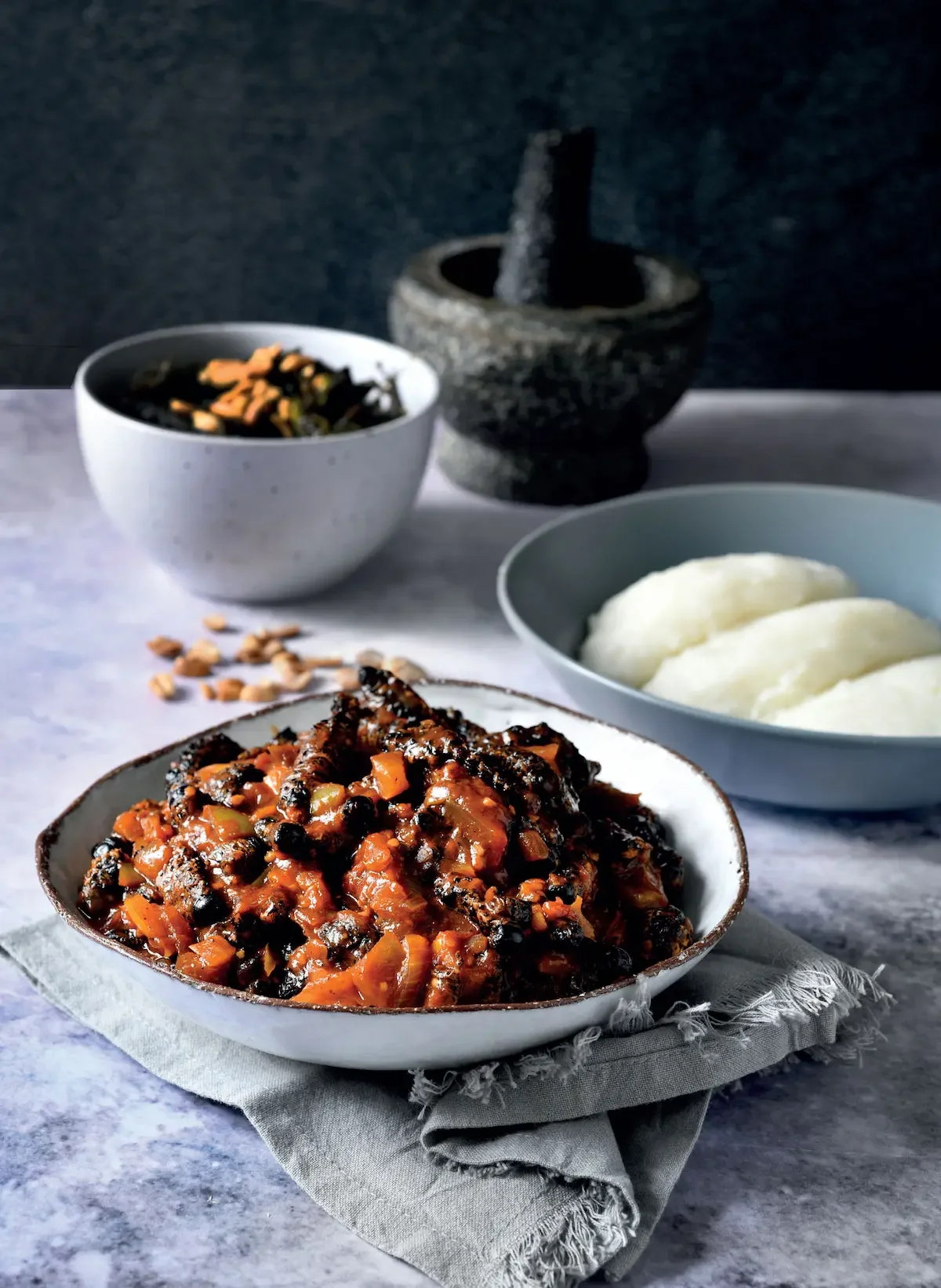
Variations and Helpful Tips
Fried version: After boiling briefly, fry in hot oil until crispy like chips.
Stew style: Add peanut butter for a creamy twist similar to muriwo unedovi.
Spice level: Adjust chili to make it mild for beginners or fiery for lovers of heat.
Fresh madora: If available, clean thoroughly and cook the same way but reduce simmering time.
Storage: Dried madora keep for months in an airtight container.
Serving Suggestions
Serve madora hot as a relish with sadza.
They also pair well with:
Muriwo or other greens
Fresh bread
As a protein snack on their own
A classic Zimbabwean plate of sadza with madora – nutritious, tasty, and full of heritage.
Frequently Asked Questions
What are madora? Madora are mopane worms, the caterpillars of the emperor moth, a traditional Zimbabwean delicacy.
Are mopane worms safe to eat?
Yes, when properly cleaned and cooked. They are highly nutritious and a good source of protein.
Do I need to soak dried madora?
Yes, a short soak softens them and makes cleaning easier.
What do madora taste like?
They have a crunchy texture with a nutty, earthy flavor similar to roasted peanuts or prawns.
Where can I buy madora?
Look for them in African markets, specialty stores, or online dried packs.
Can beginners enjoy madora?
Absolutely. Start with the stewed version – it is milder and more approachable than deep-fried.
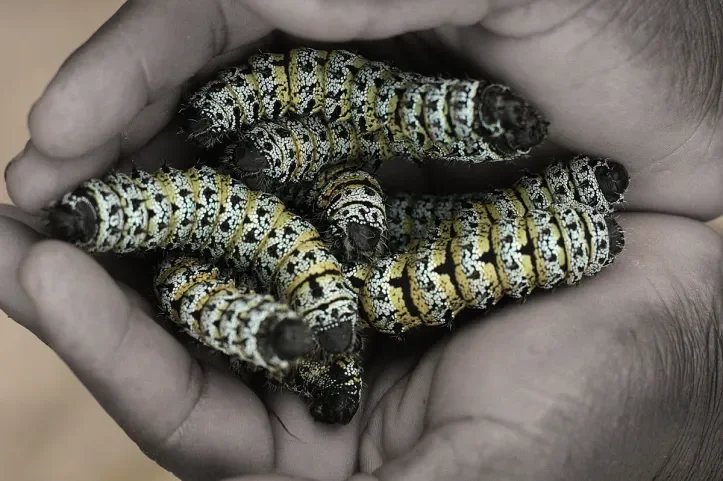
Madora prove that some of the best foods come from deep cultural traditions and simple preparation.
They offer great nutrition and a unique taste that connects you to Zimbabwean heritage.
Give this recipe a try. You might discover a new favorite.
If this inspired you, keep exploring real Shona recipes with NKENNE. We are here for the authentic flavors, the language, and the pride in our traditions.
Maita henyu for cooking with us.
Enjoy your madora! 🍲