
Respect for Elders Across Francophone Africa: Why Age Still Commands Authority
By: Chimdindu Ken-Anaukwu
In much of Francophone Africa, age is not just a number. It carries real social weight. An older person often receives the first greeting, the best seat, and the final word in many discussions. This respect shapes daily interactions from Dakar to Kinshasa. Yet the same value is being tested by rapid urbanization and a large, assertive youth population. This post explains how respect for elders works in practice, why it remains strong, and how it is quietly changing.
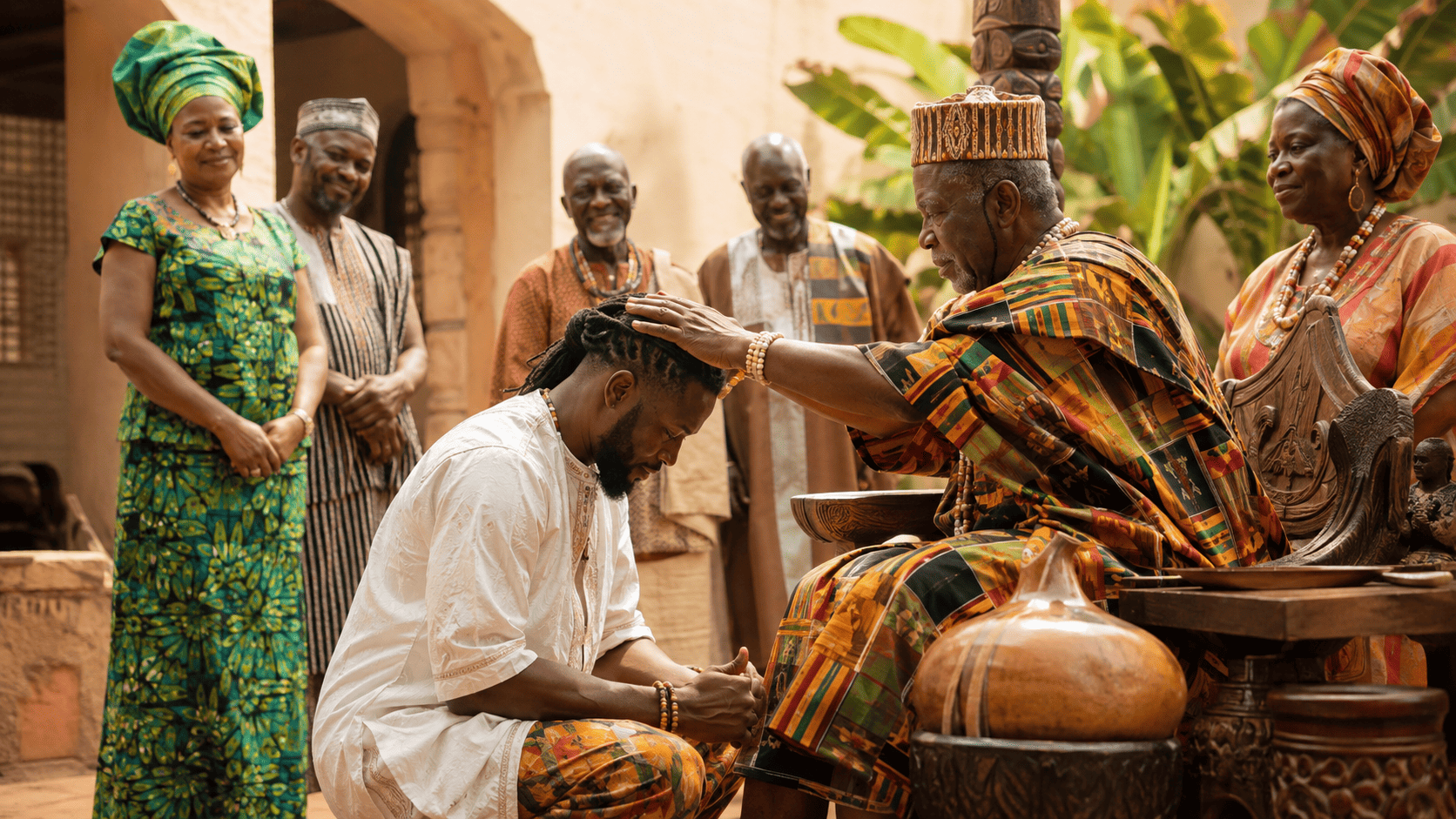
Why Age Carries Authority
Across Francophone West and Central Africa, older people are generally seen as closer to wisdom and life experience. They have lived through more, raised families, and often hold family or community memory.
This view is reinforced by language and custom. Many local languages have specific terms of respect for elders. French spoken in these societies also reflects the same idea through tone, titles, and careful speech. The result is a social system where age often ranks higher than wealth or formal education in everyday interactions.
Greetings as the First Sign of Respect
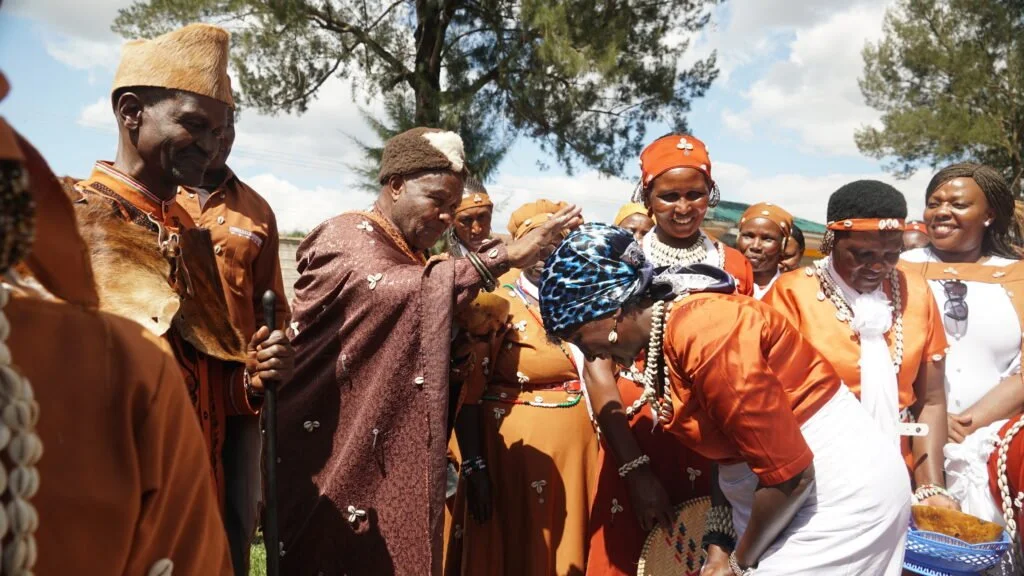
A proper greeting is one of the clearest markers of respect. Younger people are expected to greet elders first. The greeting is often longer and more formal than a simple “bonjour.”
In many places, a younger person may bow the head slightly, use both hands, or wait for the elder to speak first. Skipping or rushing a greeting can be read as arrogance. In Senegal, Mali, Burkina Faso, and Côte d’Ivoire, people still take time to ask about health, family, and the night’s rest before moving to the real topic.
Seating, Space, and Everyday Hierarchy
Seating arrangements quietly show rank. Elders usually receive the most comfortable chair or the place of honor. In a shared meal, the oldest person is often served first or invited to begin eating.
In meetings or family discussions, elders tend to sit at the center or at the head. Younger people may sit on the floor, on lower stools, or further from the main conversation. These patterns are not always rigid, but they remain widely understood and expected.
Decision-Making and the Voice of Experience
In family and community matters, elders often hold strong influence. Marriage discussions, inheritance questions, land issues, and conflict resolution frequently involve older relatives or community leaders.
Even when younger people have more formal education or income, many still seek the blessing or advice of elders before major decisions. Public disagreement with an older person is usually handled carefully. Open confrontation is often avoided to protect the elder’s dignity and the relationship.
How Youth Culture Is Changing the Rules
Cities, social media, higher education, and economic pressure are shifting these norms. Young people in Abidjan, Dakar, Ouagadougou, and Kinshasa often mix traditional respect with more assertive behavior.
Some question automatic deference when they feel elders are out of touch with modern realities. Others continue the outward forms of respect while making more independent choices in private. The result is a living negotiation rather than a complete break. Respect remains important, but it is no longer always absolute.
Practical Tips for Showing Respect
Greet elders first and take your time with it.
Use polite forms and avoid overly casual language.
Offer the best seat and wait to be invited to speak on serious topics.
Listen more than you talk when older people are sharing advice.
Even when you disagree, keep the tone calm and respectful.
These small actions go a long way in building trust and goodwill.
FAQs
Is respect for elders the same in every Francophone African country?
The core idea is shared, but the exact expressions and strictness vary by culture, ethnicity, and urban or rural setting.
Do young people still follow these rules?
Most still show outward respect, especially in family settings. In peer groups and online spaces, the tone is often freer.
What happens if someone fails to show respect?
It can damage relationships, create tension, or lead to quiet social disapproval. In serious cases, family or community elders may intervene.
Is this value only about age?
Age is central, but status, gender, and social role also play a part. An older person with lower social standing may receive less automatic deference.
How should foreigners navigate this?
Observe local behavior, greet carefully, and err on the side of formality with older people. Locals usually appreciate the effort.
Conclusion
Respect for elders remains a living value across Francophone Africa. It shapes greetings, seating, conversation, and decision-making. At the same time, youth culture, cities, and modern life are adjusting how that respect is expressed. The result is neither pure tradition nor total change, but a practical balance that continues to evolve.
Understanding this dynamic helps you move more easily through social situations and appreciate the depth of relationships in these societies. NKENNE teaches African French together with the cultural habits that give the language its real meaning. Learn the words and the respect that goes with them.