
Pepper Soup Pidgin: From Goat Meat to Cat Fish at Home or Buka
By: Chimdindu Ken-Anaukwu
Pepper soup is one of those dishes that can either heal you or disappoint you. Whether it is goat meat or catfish, the real test is the heat. In a buka or at home, the difference between average pepper soup and the correct one is how well you speak Pidgin and how well you cook it. This guide teaches you the practical lines to request the right type, demand proper spice, and speak up when the soup is not hot enough. It also gives you a full authentic recipe so you can make correct-level catfish or goat meat pepper soup yourself.
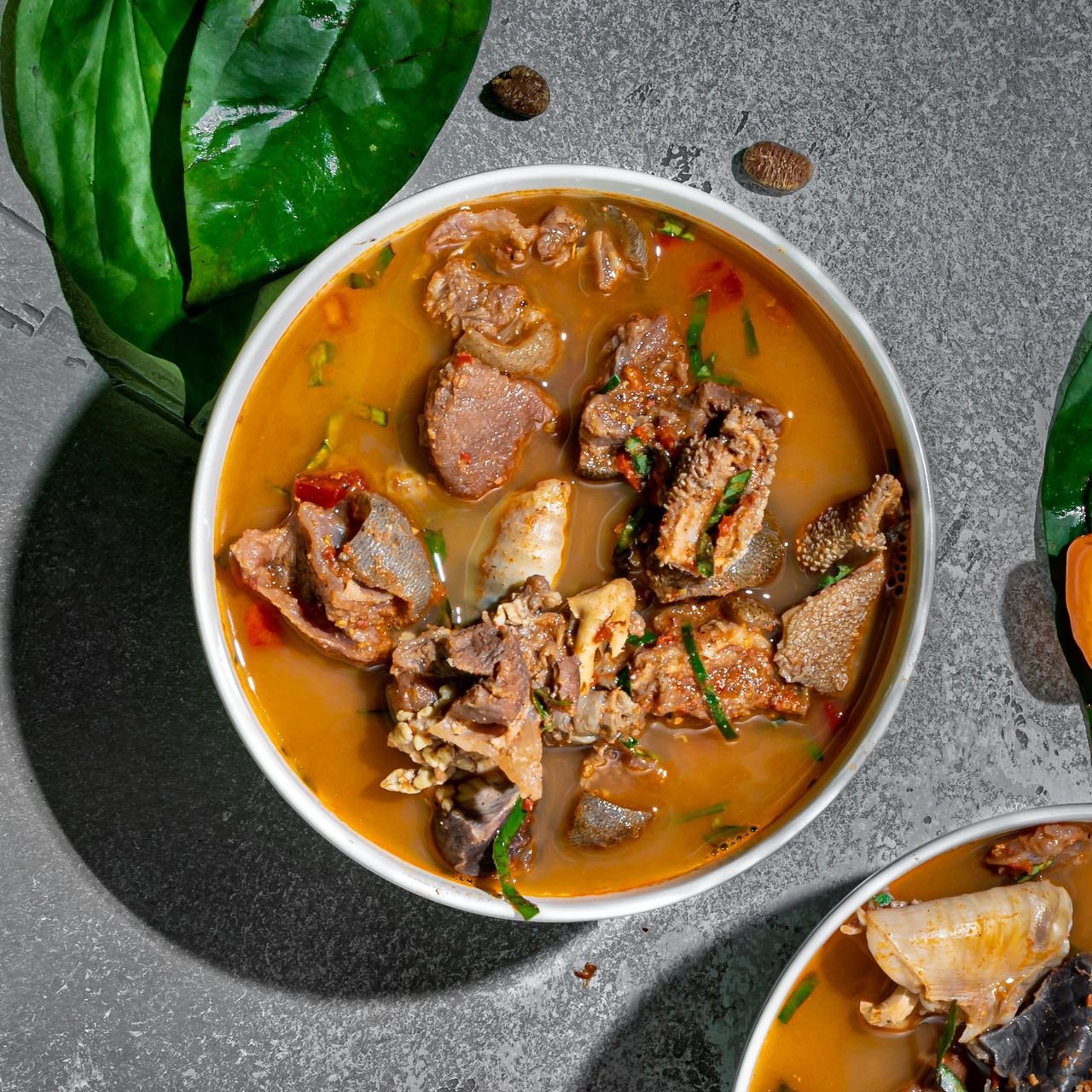
Why Pepper Soup Needs Strong Pidgin
Pepper soup is common across Nigeria, especially in the South-South and South-West where Pidgin flows freely. People order it when they are sick, cold, or just craving something bold. Vendors and home cooks respond better when you speak clearly and directly. Soft English can get you mild soup. Strong Pidgin usually gets you the real heat.
The Classic Pepper Soup Pidgin Script
In a buka:
You: Abeg, give me catfish pepper soup.
Mama: How you wan am?
You: Make e hot well well. Plenty pepper.
Mama: Take am.
You (after tasting): This one no hot enough o. Abeg add more pepper.
At home:
You: Boil the catfish pepper soup make e spicy die.
Person cooking: E don ready.
You: Abeg check am. Make e no soft.
These short exchanges help you get exactly what you want.
Key Phrases Breakdown and How to Use Them
Give me catfish pepper soup
Clear order for the popular type. You can also say “goat meat pepper soup” if that is what you prefer.Make e hot well well
Strong request for high heat. “Well well” adds emphasis so the cook understands you mean serious pepper.Plenty pepper
Direct instruction to load the spice. Use it when ordering or while the soup is still cooking.This one no hot enough o
Polite but firm complaint. The “o” softens it while still making your point clear.Abeg add more pepper
The follow-up request after tasting. It is respectful and effective.
Authentic Pepper Soup Recipe (Goat Meat or Catfish)
This is a simple, authentic Nigerian pepper soup that works for both goat meat and catfish. Serves 3–4 people. Cooking time is about 45–60 minutes for goat meat and much shorter for catfish.
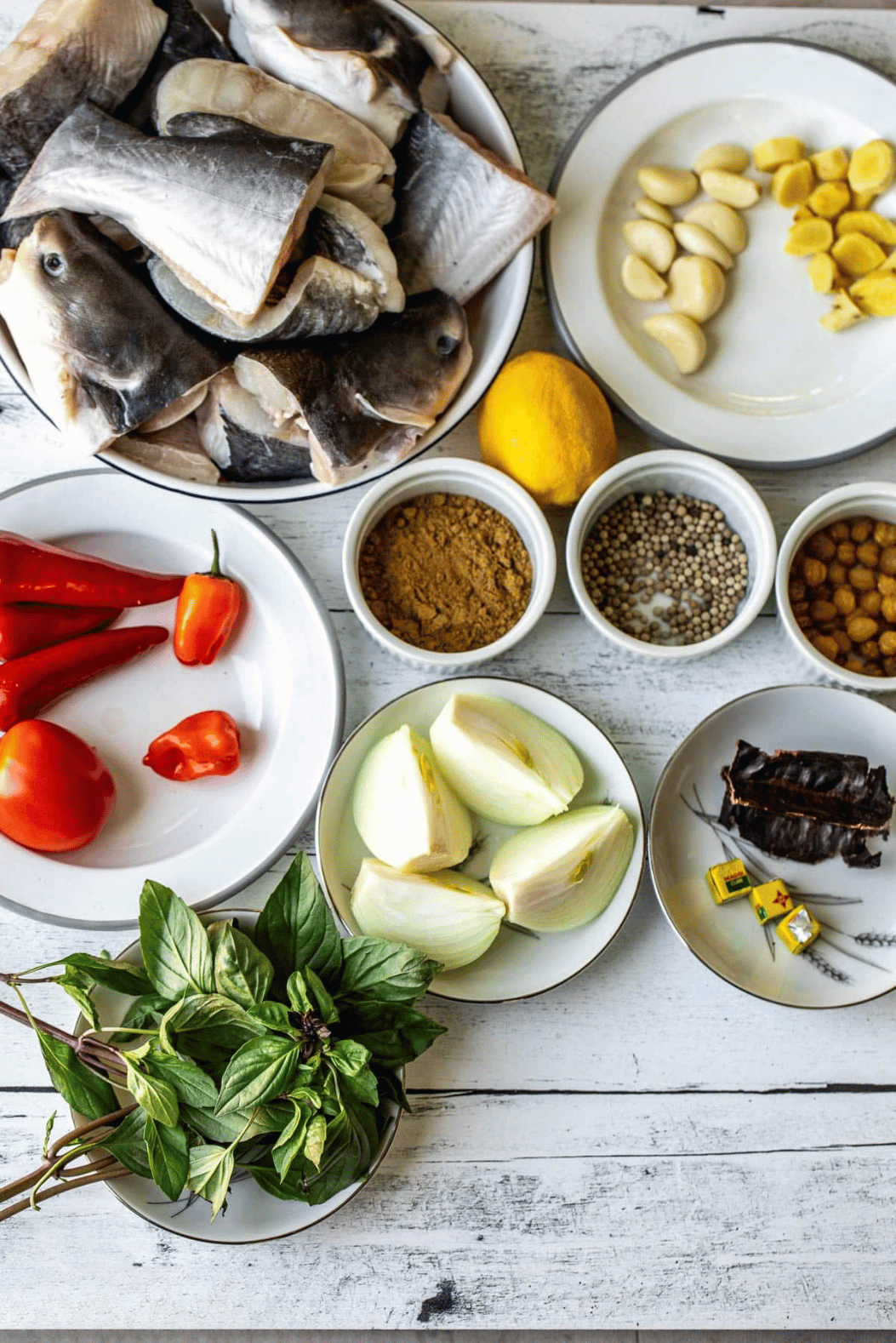
Ingredients
For the soup base:
1 kg goat meat (cut into medium pieces) or 1 kg catfish (cleaned and cut into desired sizes)
1 medium onion (sliced)
2–3 seasoning cubes
Salt to taste
1–2 tablespoons ground crayfish (optional but recommended)
Fresh scent leaves or basil (a handful)
Utazi leaves (optional, for slight bitterness)
For the pepper mix (the real power):
8–12 fresh scotch bonnet peppers (atarodo) – adjust based on your heat level
1 small piece of ginger
3–4 garlic cloves
1 small onion
1 teaspoon uziza seeds or ehuru (calabash nutmeg) if available
Small amount of water for blending
Steps
Wash the goat meat thoroughly. If using catfish, clean and cut into desired sizes. Set aside.
Blend the pepper mix: scotch bonnet peppers, ginger, garlic, onion, and uziza seeds (if using) with a little water until smooth.
Place the goat meat in a pot. Add sliced onion, seasoning cubes, salt, and a little water. Cook on medium heat for 20–25 minutes until the meat begins to soften. (If using catfish, skip this long boiling step.)
Pour in the blended pepper mix. Add ground crayfish. Stir well.
Add more water to your preferred soup consistency. Cover and cook for another 15–20 minutes for goat meat. For catfish, add the fish only after the pepper base has boiled and cook for 8–10 minutes so the fish stays firm and does not break.
Taste and adjust salt or pepper. If it is not hot enough, blend extra scotch bonnet and add.
Add scent leaves and utazi leaves in the last 2 minutes. Stir gently and turn off the heat.
Serve hot in a deep bowl.
Goat meat version needs longer cooking for the meat to become tender.
Catfish version cooks much faster. Add the catfish only after the pepper base has boiled so the fish stays firm.
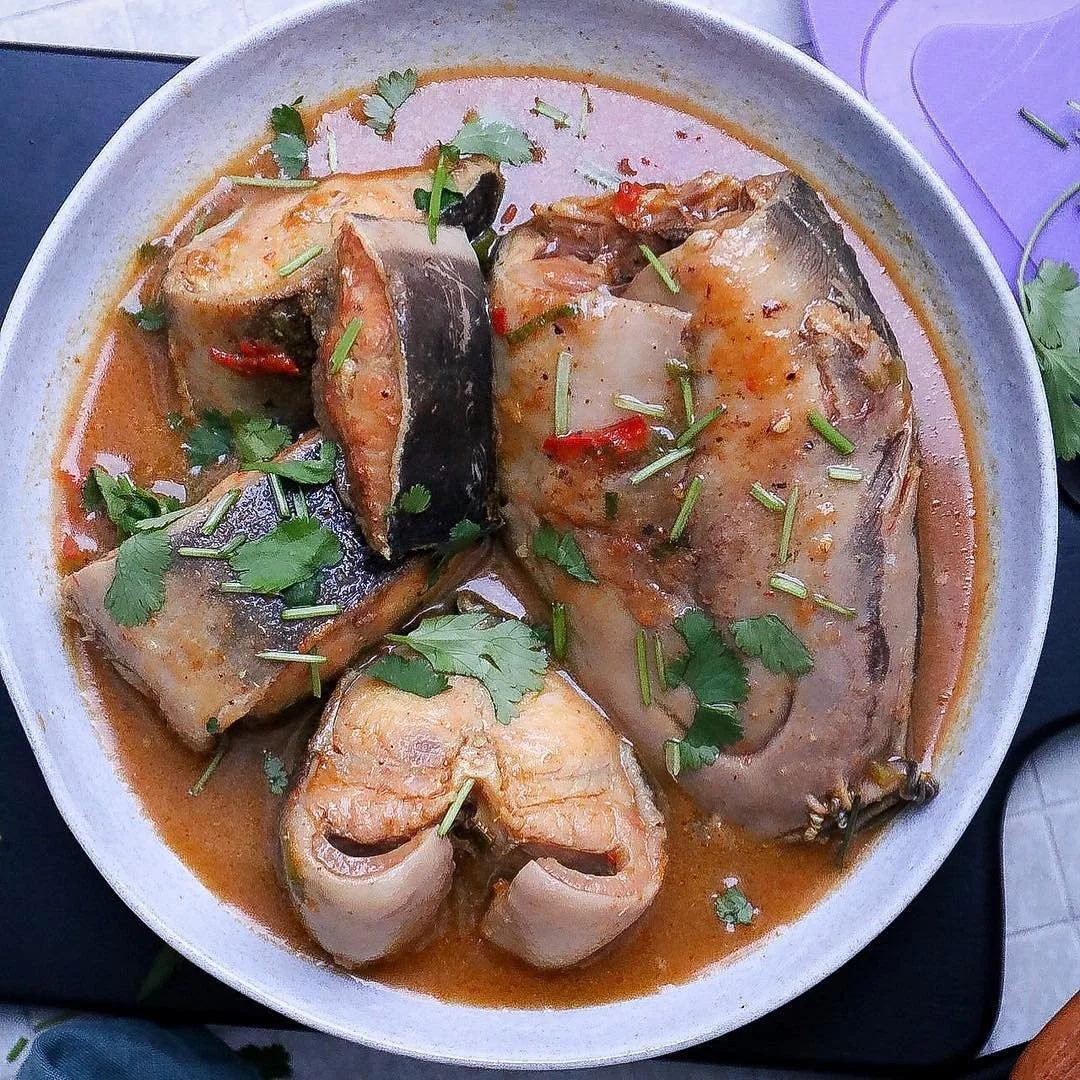
Real-Life Situations: Buka and Home Kitchen
In the Buka
Buka pepper soup is often served in the evening or late at night. Greet first, state the type of meat or fish, then push for heat. If the first taste is mild, speak up immediately before they pack it.
At Home
When someone is cooking, use the same clear language. “Make e spicy die” or “Add more pepper abeg” works well with family or friends. It avoids soft soup that nobody enjoys. Use the recipe above and direct the cook with the Pidgin phrases.
When You Are Sick
Many people request pepper soup for colds or body pain. Say “Make e hot well so e go clear my body” to get the therapeutic heat people expect.
Pro Tips for Perfect Pepper Soup
Always specify the protein first (goat meat or catfish).
Taste before accepting the plate when possible.
If you like it extremely hot, say “Make e burn small.”
At home, remind the cook early so they can adjust while it is still on the fire.
Fresh scent leaves make a big difference in aroma.
Do not overcook catfish. It will break and turn the soup cloudy.
FAQs
What is the most popular type of pepper soup?
Goat meat and catfish are among the most common, depending on the location.
How do I ask for less spicy pepper soup?
Say “Make e no too hot” or “Reduce the pepper small.”
Can I use these phrases for chicken pepper soup?
Yes. Just replace the protein: “Give me chicken pepper soup make e hot well.”
What if the soup is watery?
You can say “This one too watery o. Abeg make e thick small.”
Is it rude to complain about the heat?
No, if you speak politely with “abeg.” Most cooks prefer honest feedback so they can fix it.
Do these lines work outside the South-South?
Yes. Pepper soup and these Pidgin phrases are widely understood across Nigeria.
Conclusion
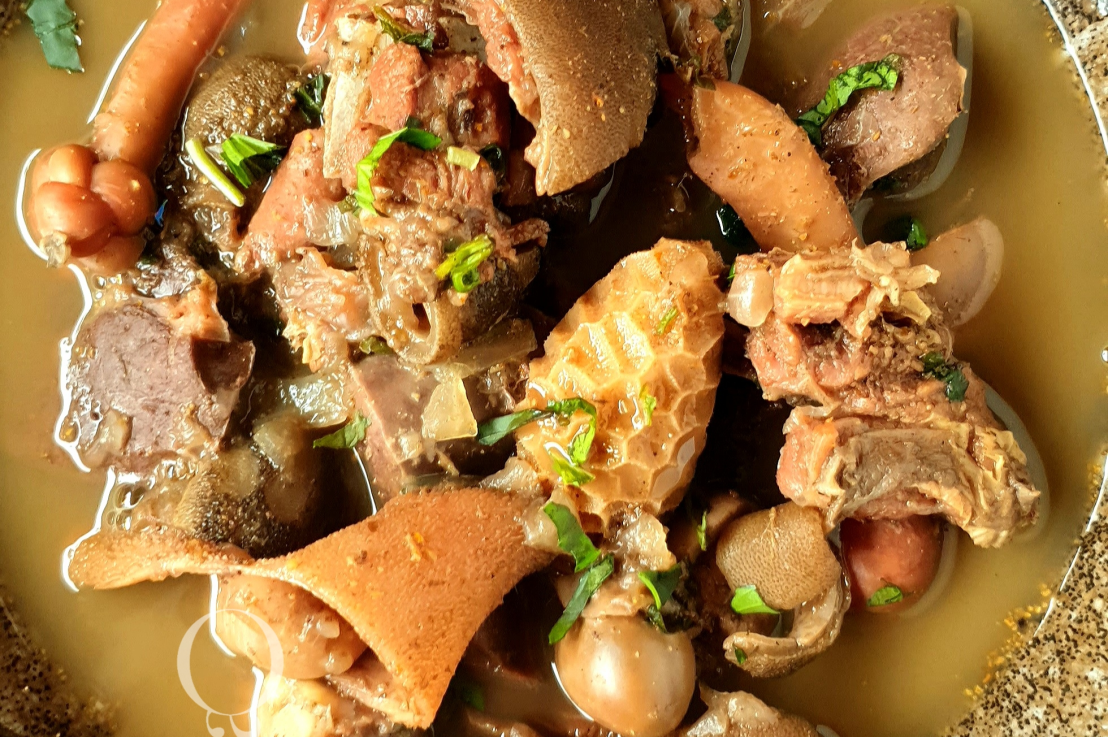
Good pepper soup is about heat, flavour, and clear communication. With the right Pidgin you can request goat meat or catfish soup exactly the way you like it and correct it when the spice is not enough. With the recipe above, you can also make authentic pepper soup at home that tastes like the real buka version.
Whether you are in a busy buka or your own kitchen, these lines and the recipe help you get the real thing.
Want more practical Pidgin for food, markets, parties, and everyday life? Visit NKENNE; your home for authentic Nigerian Pidgin lessons and cultural stories. Start speaking with confidence today.