
Ancestor Veneration and the Living-Dead Connection in Akan Culture
By: Chimdindu Ken-Anaukwu
In Akan culture the dead are not gone. They remain present as nsamanfo, the ancestors, and continue to watch over the living. Families pour libations, keep shrines, and hold festivals to honor them. Many believe these ancestors act as guardians who can bless or correct those still on earth. This post explains how the Akan maintain this living-dead connection and how the practice continues alongside Christianity and Islam today.
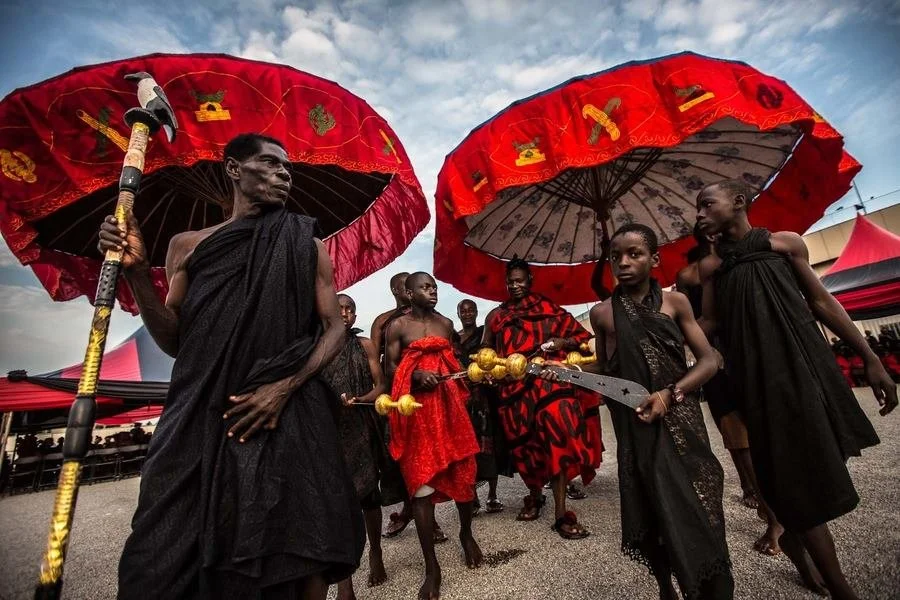
Who Are the Nsamanfo?
Nsamanfo (also called Nananom Nsamanfo) are the ancestors who lived good lives and completed proper funeral rites. They dwell in Asamando, the land of the dead, which is seen as a continuation of life rather than an end.
They keep the rank and character they had while alive. The living regard them as family members who simply live in another realm.
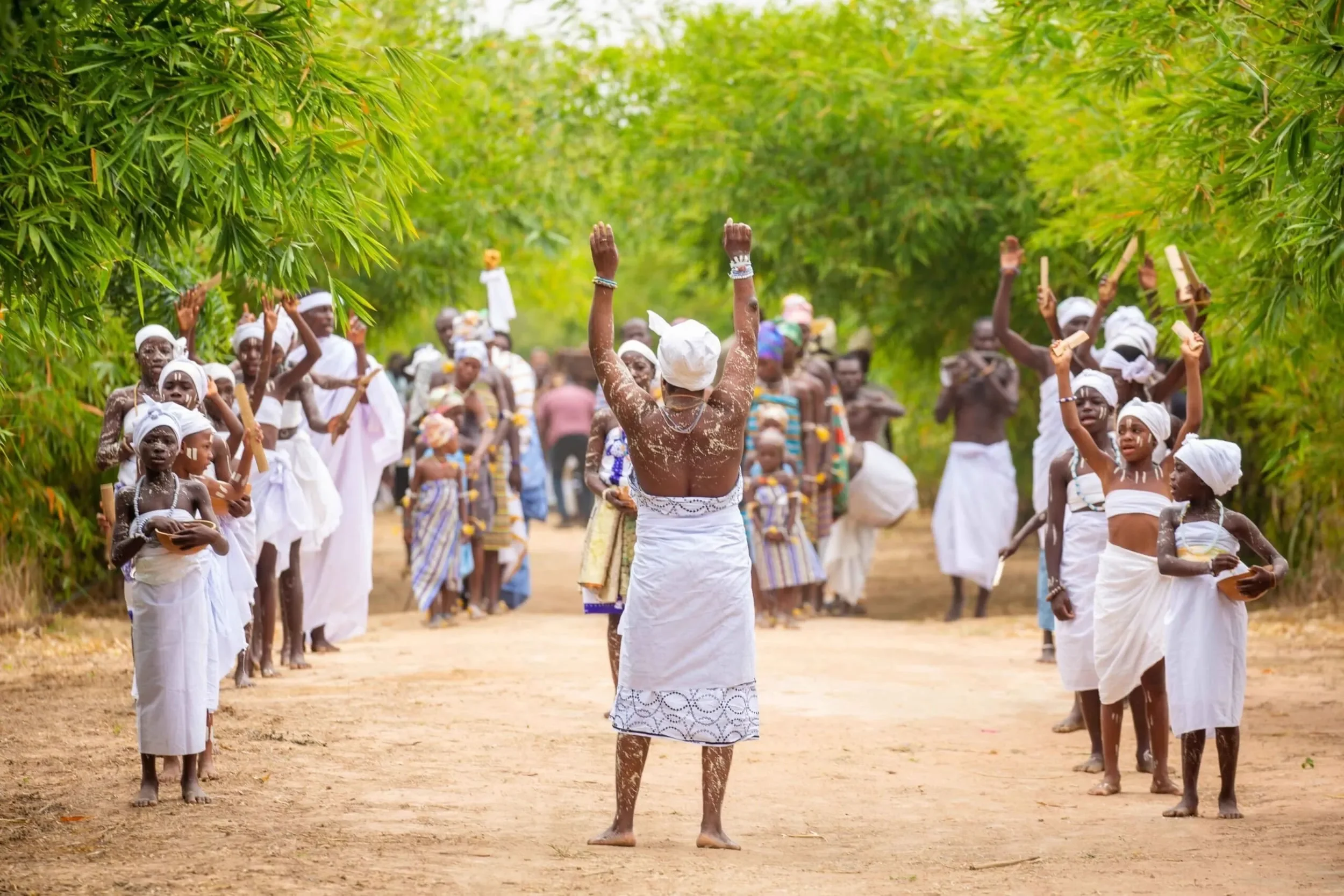
How the Living Honor the Ancestors
Communication between the living and the nsamanfo happens in daily and ceremonial ways. Families speak their names, offer food and drink, and seek their guidance at important moments.
This is not distant worship. It is ongoing relationship.
Libations: Speaking to the Dead
Libation is the most common way to reach the ancestors. An elder pours a small amount of water, palm wine or schnapps onto the ground while calling the names of the dead.
The words invite the nsamanfo to witness, protect and bless the occasion. People pour libations at the start of meetings, before travel, during naming ceremonies and at funerals.
Shrines and Blackened Stools
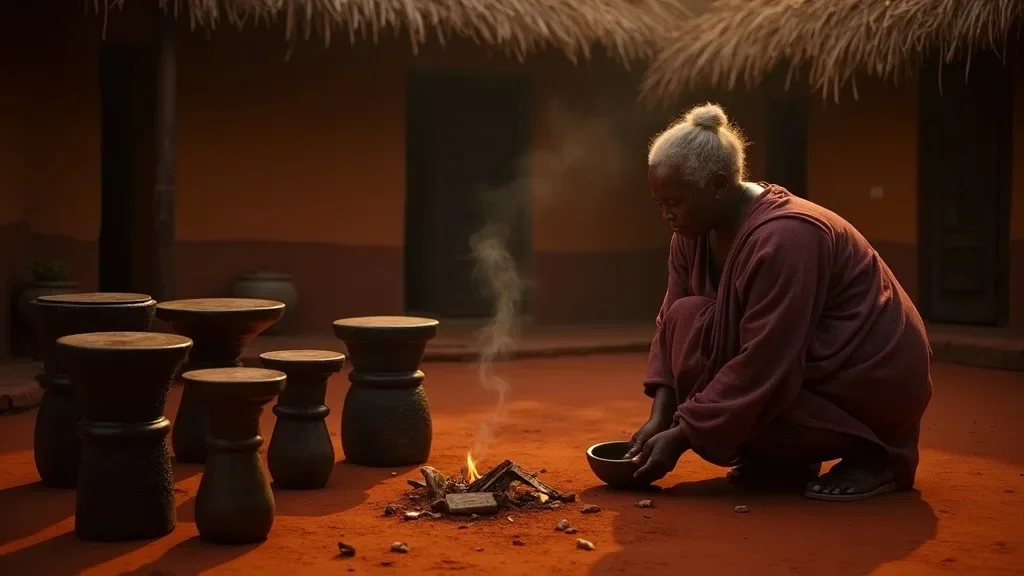
When an important elder or chief dies, their stool is blackened with soot and other materials. These blackened stools are kept in a special room called the nkonuafieso (stool house).
The stools become temporary resting places for the ancestral spirits when they are invited. Families place food and drink before them. The stool house is treated as a living address, not a museum.
Festivals That Keep the Connection Alive
Regular festivals renew the bond with the ancestors.
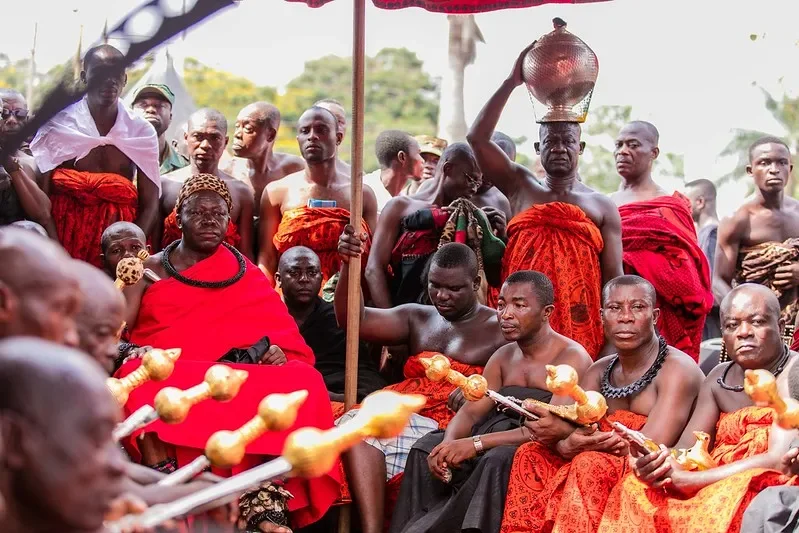
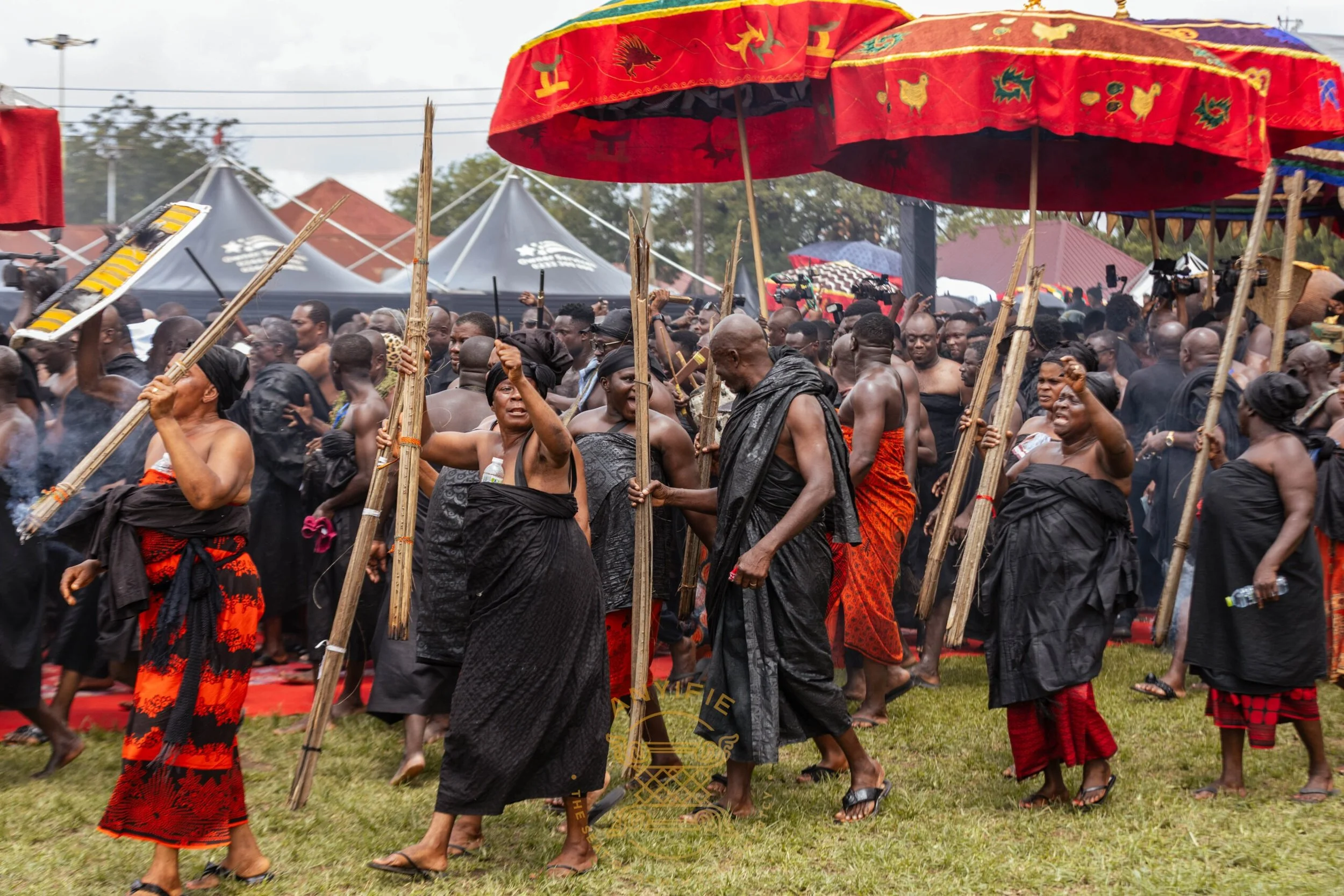
Akwasidae and Awukudae happen every six weeks according to the Akan calendar. During these days the Asantehene and other chiefs honor the nsamanfo with drumming, dancing, offerings and public gatherings.
The annual Odwira festival is a time of purification and renewal. The community cleanses itself of the past year’s wrongs and strengthens its relationship with the ancestors.
Ancestors as Guardians
Many Akan believe the nsamanfo remain interested in their descendants. They can bring protection, fertility, success and health. They can also cause illness or trouble if the living neglect proper respect or behave badly.
This belief encourages moral living and care for family reputation.
The Blend with Christianity and Islam Today
Most Akan people today identify as Christian or Muslim. Yet many still pour libations, attend traditional festivals and keep family stools.
Some see no conflict. They attend church or mosque while also honoring the ancestors as part of family duty. Others keep the practices more private. The result is a practical blend that allows people to hold both identities.
Traditional rites remain strong at funerals, naming ceremonies and festivals even among those who worship in churches or mosques.
FAQs About Akan Ancestor Veneration
What does nsamanfo mean?
Nsamanfo means the ancestors or the spirits of the dead who have become venerated family members.
Do Akan people worship the ancestors?
They venerate them. The focus is respect, remembrance and relationship rather than treating them as gods.
Why do people pour libations?
Libation is a way to invite the ancestors to the gathering, thank them and ask for their protection and blessing.
What is the blackened stool?
It is the stool of a deceased elder or chief that has been ritually prepared and kept in the family stool house as a point of contact with the ancestor.
Do Christians and Muslims still practice these traditions?
Many do, especially during family ceremonies and festivals. Practices vary by individual and community.
Is this belief still strong in modern Ghana?
Yes. Ancestor veneration remains an active part of Akan cultural and spiritual life even as most people also follow Christianity or Islam.
Conclusion
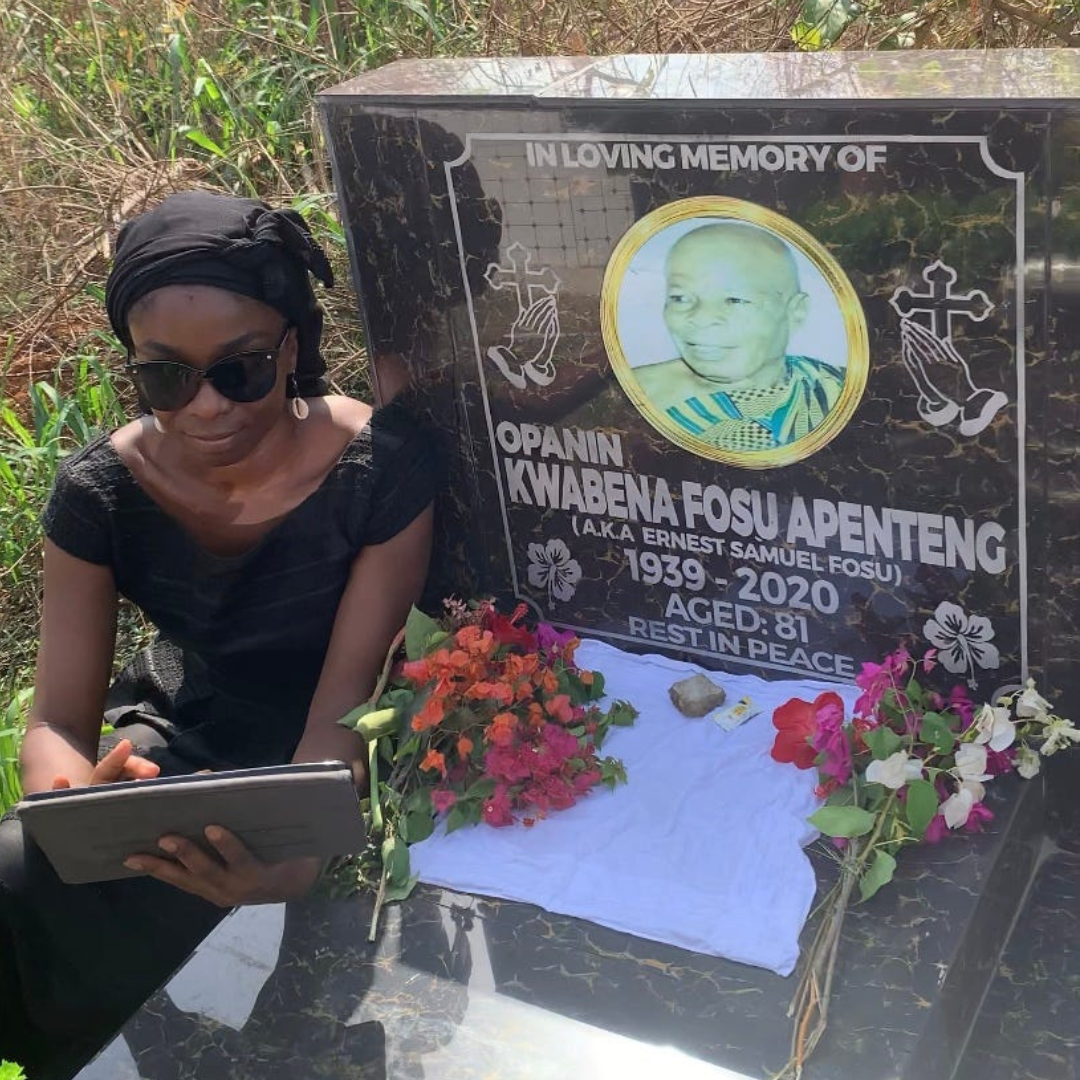
The Akan view of the ancestors keeps the past and present connected. Through libations, shrines and festivals the living maintain a relationship with those who came before. This living-dead connection continues to shape family life, moral guidance and community identity in Ghana today.
If you want to learn more about Twi culture, language and the traditions that shape everyday life, NKENNE offers clear guides and resources. Join the community and keep exploring with pride. Medaase for reading.