
Suya & Shawarma Runs: Ordering Spicy Street Meat in Pidgin
By: Chimdindu Ken-Anaukwu
Evening falls and the smell of charcoal and spice fills the air. Whether you are at a roadside suya stand or a busy shawarma spot on Olu-Obasanjo in Port Harcourt, the right Pidgin gets you the perfect plate. Too mild, too many vegetables, or not enough yaji can ruin the experience. This guide teaches you the exact lines to order spicy street meat like a regular so you leave satisfied every time.

Why Suya and Shawarma Rule Nigerian Nights
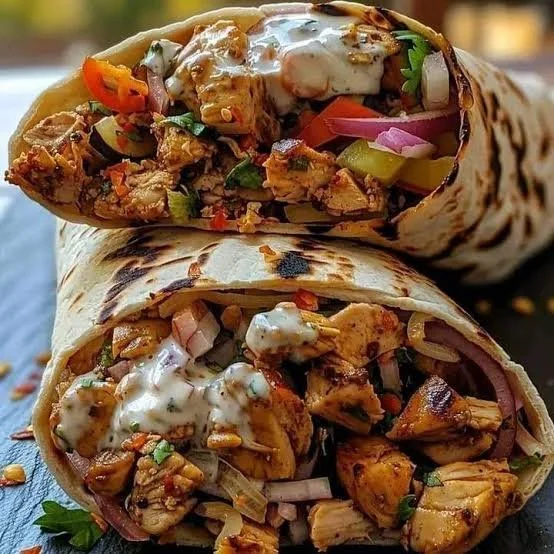
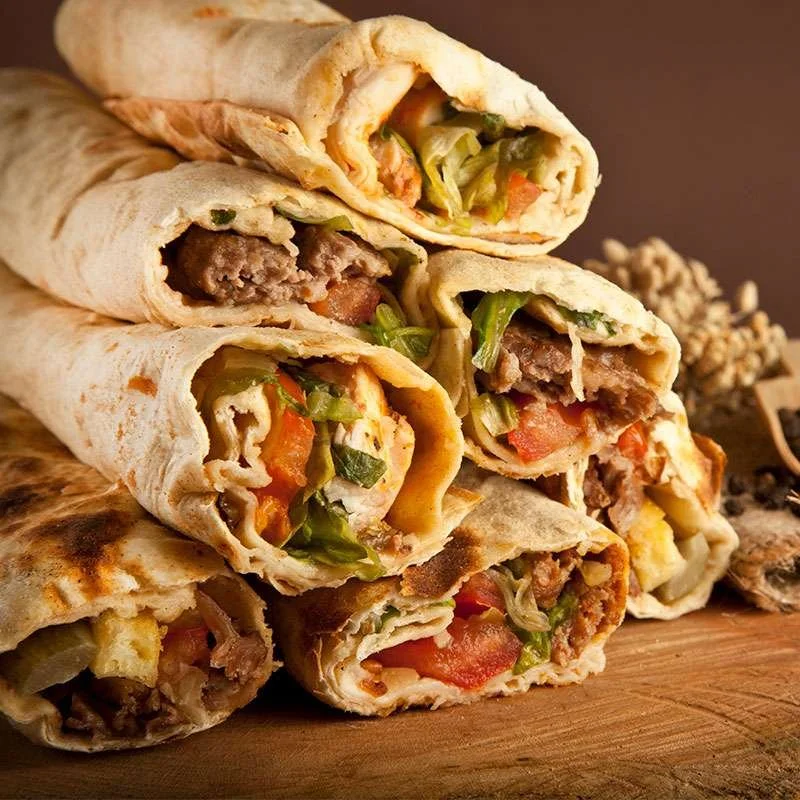
Suya is thin slices of meat grilled over open fire and coated in spicy yaji (ground peanut and pepper mix). Shawarma is the rolled version with soft bread, sauce, and fillings. Both are evening staples across Nigeria, especially in Port Harcourt where people gather after work or night outings.
Pidgin makes ordering smooth and personal. Vendors respond better when you speak their language. It turns a simple purchase into a quick, friendly exchange.
The Classic Street Meat Pidgin Script
You walk up to the glowing coals or the shawarma stand.
For suya:
You: Oga, good evening. Give me suya make e hot-hot.
Oga: How much you wan?
You: One thousand. Plenty yaji abeg.
Oga: Take am.
You (after tasting): This one too spicy o. E sweet die!
For shawarma:
You: Abeg give me one shawarma with extra sauce.
Vendor: Vegetable?
You: No put vegetable too much. Make e hot.
Vendor: Sharp.
These short exchanges work in PH, Lagos, Warri, and most street spots.

Key Phrases Breakdown and How to Use Them
Oga, give me suya make e hot-hot Clear request for well-grilled, spicy suya. “Hot-hot” means both temperature and pepper level.
Plenty yaji abeg The most important add-on. Yaji is the dry spice mix that defines good suya. Always ask for plenty.
Shawarma with extra sauce Standard upgrade. Sauce makes the difference between average and correct level.
No put vegetable too much Common request. Many people prefer more meat and less lettuce or cabbage.
This one too spicy o Can be praise or mild complaint. Tone decides the meaning. Said with a smile it means “perfect heat.”
Real-Life Focus: Evening Suya Spots and Olu-Obasanjo Shawarma
In Port Harcourt, evening suya joints line many roads after 7 pm. The best ones keep the fire high and the meat fresh. On Olu-Obasanjo and nearby areas, shawarma guys stay busy till late.
Use the phrases above and you will sound local. Vendors often add extra yaji or sauce when they hear confident Pidgin. If the meat looks dry, say “Abeg make e hot well” before they pack it.
Pro Tips for Perfect Orders
Always greet first. “Good evening oga” or “How body?” opens the door.
Specify quantity or money amount early to avoid confusion.
Taste before walking away when possible.
Carry small notes. Change can be scarce at night.
For suya, ask if it is beef, chicken, or goat if you have a preference.
FAQs
What is yaji?
Yaji is the dry, spicy peanut and pepper powder sprinkled on suya. It is the heart of the flavour.
How do I ask for less spicy suya?
Say “Make e no too hot” or “Reduce the yaji small.”
Is it okay to say “This one too spicy o” as praise?
Yes. With a smile and “E sweet die” it becomes high praise.
What if the vendor puts too many vegetables in the shawarma?
Politely say “No put vegetable too much next time” or ask them to adjust before packing.
Do these phrases work outside Port Harcourt?
Yes. They are widely understood in Lagos, Warri, Abuja, and most Nigerian cities.
How late do suya and shawarma spots usually open?
Most start from early evening and run until late night or early morning, especially on weekends.
Conclusion
Suya and shawarma runs are part of the Naija night culture. With the right Pidgin you get hotter meat, better spice, and faster service. Master these simple lines and every evening order becomes smoother and more enjoyable.
Want more practical Pidgin for food, markets, transport, and daily life? Explore NKENNE; your home for real Nigerian Pidgin lessons and cultural stories. Start speaking with confidence today.