
Olaudah Equiano’s Journey: An Igbo Slave’s Path to Abolitionist Icon
By: Chimdindu Ken-Anaukwu
At around age 11, a young Igbo boy was kidnapped from his village and sold into the transatlantic slave trade. Decades later, that same boy would write one of the most powerful books against slavery the world had ever seen.
His name was Olaudah Equiano. His 1789 memoir, The Interesting Narrative of the Life of Olaudah Equiano, gave readers a rare firsthand look at 18th-century Igbo life and the brutal reality of the slave trade. It helped fuel the British abolitionist movement and made him an international figure.
In this article, you will follow Equiano’s extraordinary path from Igboland to freedom and lasting influence.
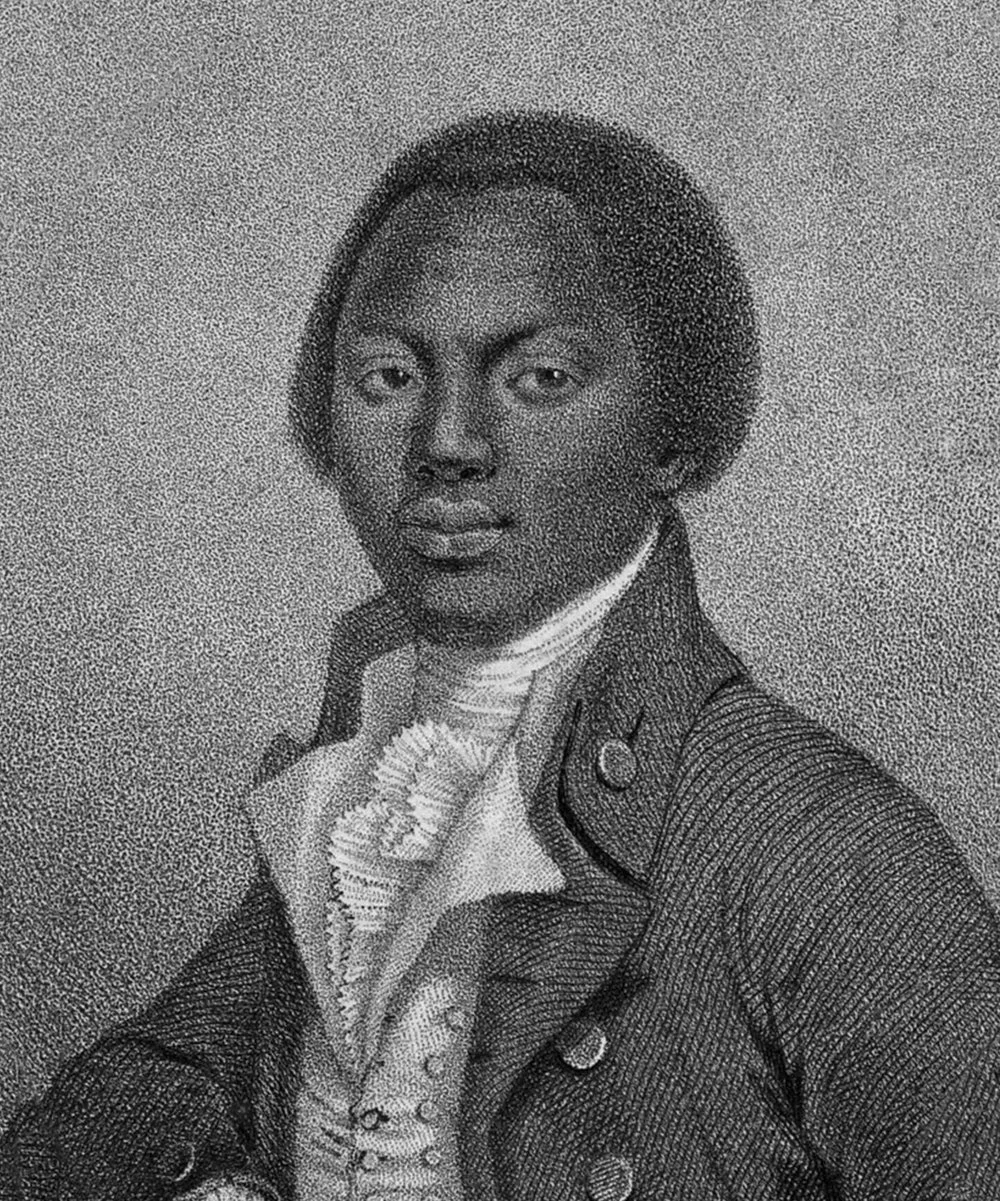
Who Was Olaudah Equiano?
Olaudah Equiano (also known as Gustavus Vassa) was born around 1745. According to his own account, he came from the Igbo village of Essaka in what is now southeastern Nigeria.
He was kidnapped as a child, survived the Middle Passage, worked as a slave in the Americas and the Caribbean, and eventually bought his freedom. He later settled in England, became a leading abolitionist, and published a bestselling autobiography.
His story remains one of the most important personal accounts of the slave trade and early African life written by someone who lived it.
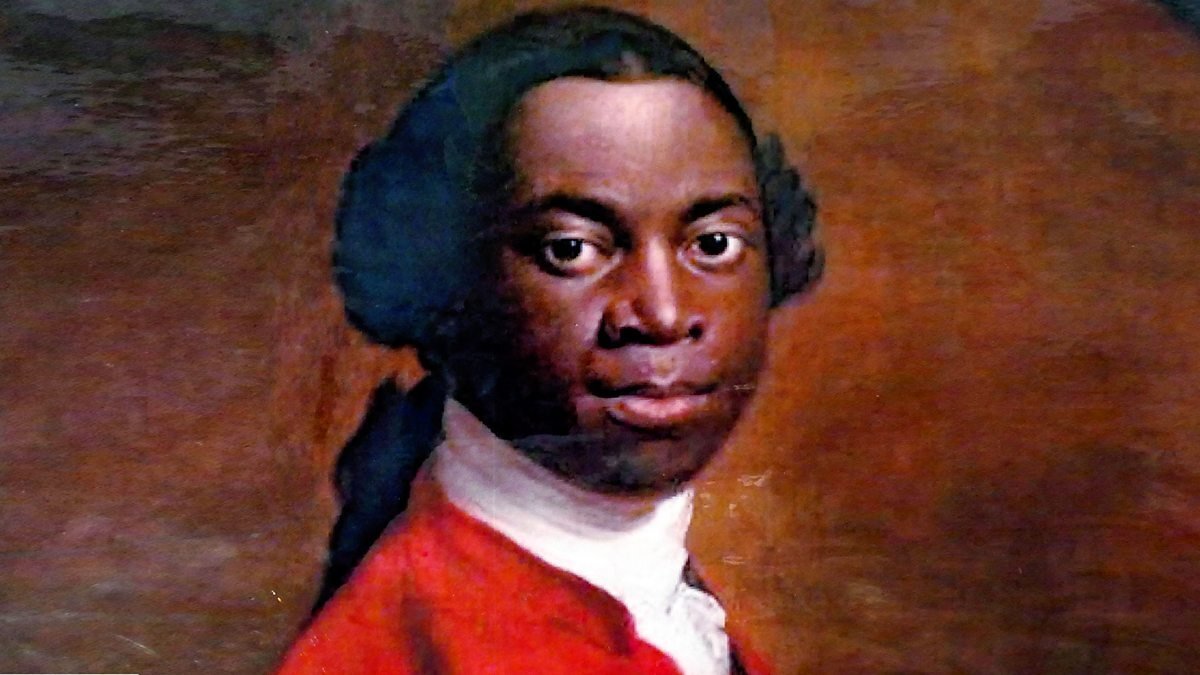
Early Life in Igboland
Equiano described a childhood in a structured, agricultural Igbo community. He recalled family life, local customs, religious beliefs, and a society with clear laws and social order.
He wrote about a Creator who governed events and about the everyday rhythms of village life. His account remains one of the few detailed 18th-century descriptions of Igbo society from an insider’s perspective.
These early chapters of his memoir give modern readers a valuable window into pre-colonial Igbo culture.
Capture and the Middle Passage
Around age 11, Equiano and his sister were seized by slave raiders while their parents were away. They were separated, and Equiano was sold multiple times within Africa before being taken to the coast.
He was forced onto a European slave ship bound for the Americas. His description of the Middle Passage is still one of the most vivid and disturbing firsthand accounts of the journey: the stench, the overcrowding, the despair, and the violence.
This section of his book shocked many European readers and became a powerful tool for abolitionists.
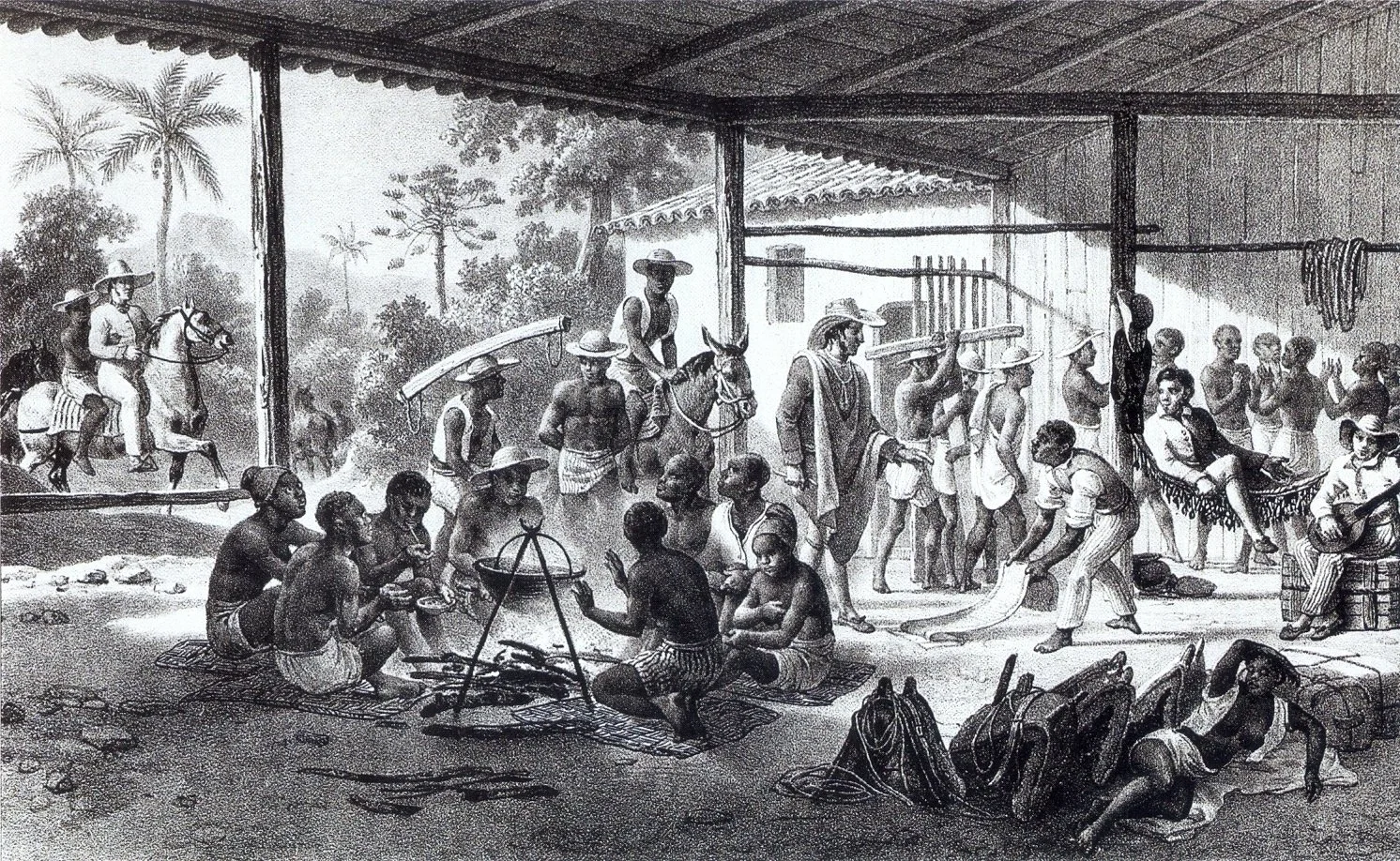
Life in Slavery
Equiano was first taken to the Caribbean and then to Virginia. He was purchased by a British Royal Navy officer, Michael Henry Pascal, who renamed him Gustavus Vassa.
He spent years working on ships, learning seamanship, and traveling widely. Later he was sold again and worked for a Quaker merchant in the Caribbean. Through careful trading and saving, he managed to buy his freedom in 1766 for £40.
His experiences gave him unusual skills and a broad view of the Atlantic world.
Buying Freedom and Building a New Life
After gaining his freedom, Equiano continued working as a sailor and trader. He eventually settled in London, where he became involved with the growing abolitionist movement.
He joined the Sons of Africa, a group of Africans living in Britain who campaigned against the slave trade. He lectured, wrote petitions, and used his personal story to challenge pro-slavery arguments.
The Power of His Memoir
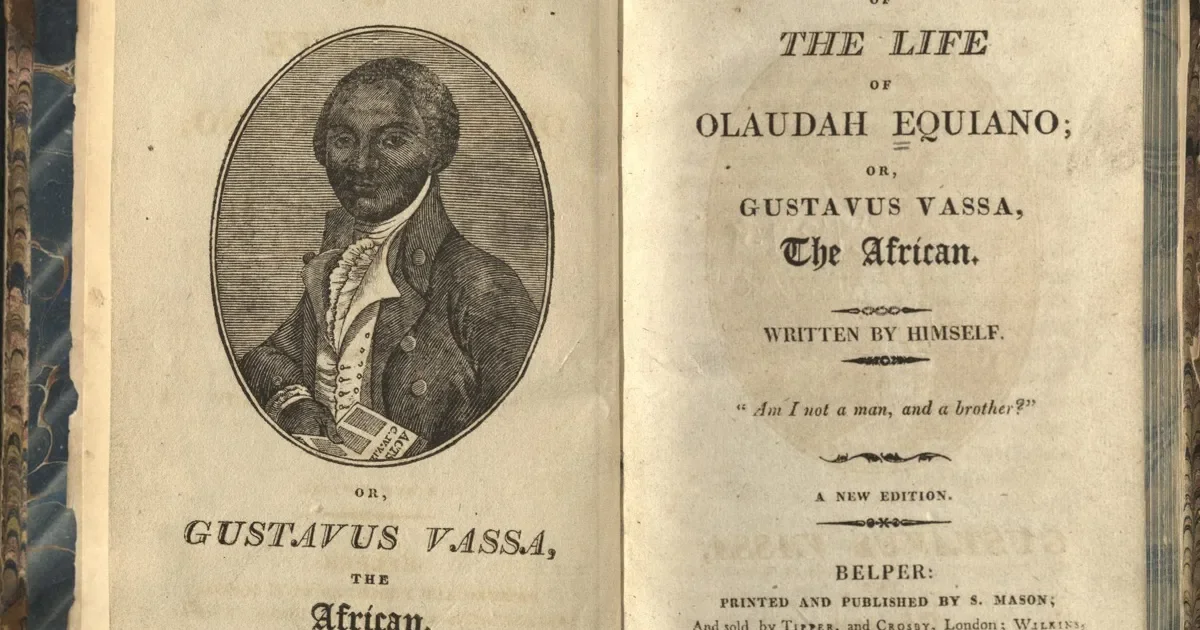
In 1789, Equiano published The Interesting Narrative of the Life of Olaudah Equiano, or Gustavus Vassa, the African, Written by Himself.
The book was an immediate success. It went through multiple editions during his lifetime and was translated into several languages. Readers were moved by his clear descriptions of African life, the cruelty of the slave trade, and his own journey from captivity to independence.
The memoir combined personal testimony, moral argument, and economic reasoning against slavery. It helped shift public opinion in Britain.
Equiano’s Role in Abolition
Equiano became one of the most visible Black voices in the British abolitionist campaign. He worked alongside white abolitionists and used his book tours and public speaking to keep pressure on Parliament.
His efforts contributed to the growing momentum that eventually led to the British Slave Trade Act of 1807, which abolished the slave trade in the British Empire.
Legacy and Why He Matters Today
Olaudah Equiano’s story remains powerful for several reasons. He gave the world a rare African perspective on both Igbo society and the slave trade. He proved that a formerly enslaved person could master the tools of writing, argument, and public persuasion.
For Igbo people and the wider African diaspora, he stands as an early example of resilience, intellect, and moral courage. His memoir continues to be studied as a foundational text in African and Black Atlantic literature.
Frequently Asked Questions
Was Olaudah Equiano really Igbo?
According to his memoir, yes. He described his birthplace as Essaka in the Igbo-speaking region of present-day southeastern Nigeria. Some modern scholars have questioned this based on certain records, but his account of Igbo life remains highly valued.
What is the name of his famous book?
The Interesting Narrative of the Life of Olaudah Equiano, or Gustavus Vassa, the African, Written by Himself (1789).
How did he gain his freedom?
He saved money through careful trading while working for a Quaker merchant and purchased his freedom in 1766.
Why is his memoir important?
It provided one of the earliest and most detailed firsthand accounts of the Middle Passage and African life written by someone who had experienced slavery. It became a major tool in the abolitionist movement.
Did Equiano live to see the end of the British slave trade?
No. He died in 1797. The British Slave Trade Act was passed in 1807.
Where can I read his book today?
The full text is widely available online and in print. It remains a classic of African and abolitionist literature.
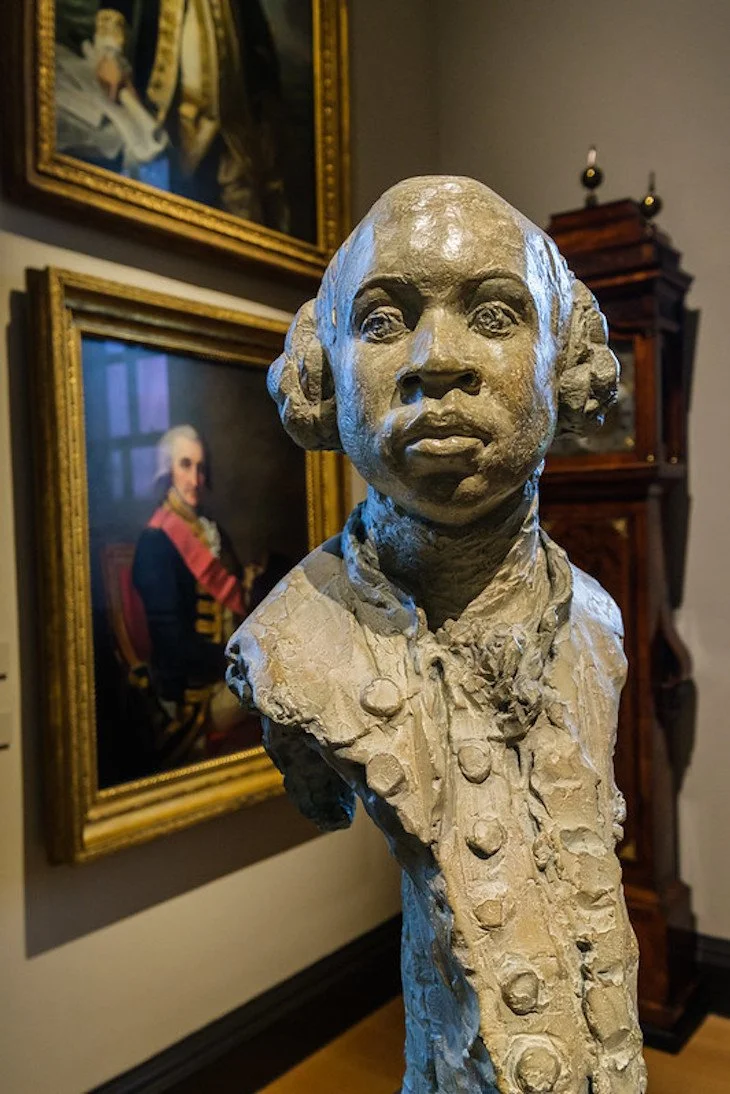
Conclusion
Olaudah Equiano’s life is a remarkable story of survival, self-liberation, and moral leadership. From an Igbo village to the heart of the British abolitionist movement, he used his voice and his pen to fight a system that had once claimed him.
His memoir still educates and moves readers more than two centuries later. It stands as both a personal triumph and a lasting contribution to the struggle for human dignity.
Want to explore more stories of Igbo history, resilience, and culture? With NKENNE, the first African language learning app, you can learn practical Igbo while connecting with the heritage that shaped figures like Equiano. Download today and begin your journey.