
Easy Ofe Onugbu: Mastering Bitter Leaf Soup for Beginners
By: Chimdindu Ken-Anaukwu
Think a soup named "bitter leaf" sounds off-putting? Think again. Ofe Onugbu is one of the most loved dishes in Igbo cuisine. When made right, it has zero bitterness and tons of rich, comforting flavor.
This guide walks beginners through the authentic version step by step. You will learn the key ingredients, simple prep tricks, and why this soup matters in Nigerian culture.
By the end, you will feel confident cooking this nutritious staple. It pairs perfectly with swallows like fufu or eba.
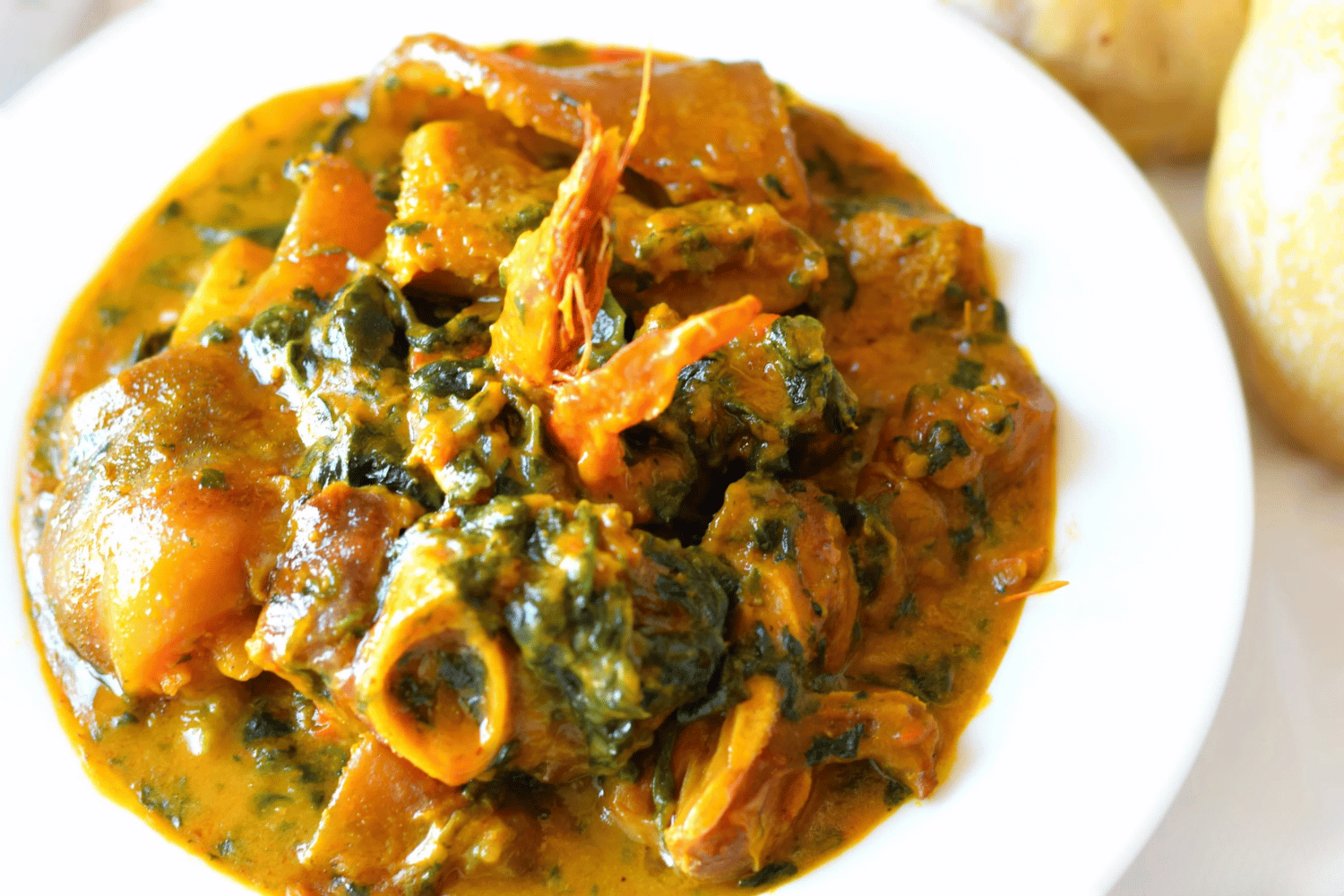
What Is Ofe Onugbu?
Ofe Onugbu means bitter leaf soup in Igbo. It comes from southeastern Nigeria, especially Anambra and nearby areas.
This soup uses washed bitter leaves as the star. It gets thickened with cocoyam paste for a smooth, hearty texture.
In Igbo homes, it appears at family meals, celebrations, and gatherings. It shows hospitality and skill in the kitchen.
Many call it a favorite. Properly prepared, it never tastes bitter.
Why Bitter Leaf Soup Tastes Great
The name tricks people. Thorough washing removes all bitterness.
Bitter leaf brings health perks like vitamins and antioxidants. It supports wellness in traditional Igbo ways.
The soup blends palm oil richness, fermented flavors from ogiri, and spices. Cocoyam adds body without heaviness.
It represents resilience in Igbo culture. The plant grows tough, much like the people who cherish it.
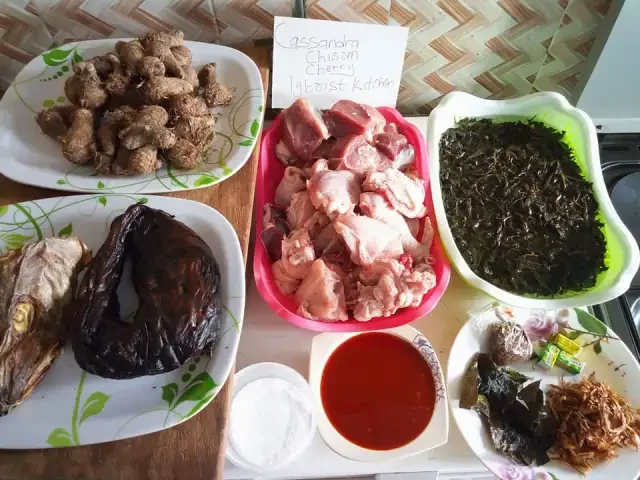
Ingredients for Beginners
Serves 4-6. Use fresh where possible.
1-2 bunches fresh bitter leaves (or washed and squeezed pack)
8-10 small cocoyam (ede) corms
500g assorted meats (beef, shaki/tripe, goat meat)
Dry fish or stockfish (soaked and cleaned)
Smoked fish (optional for extra flavor)
1/2-1 cup palm oil
2-3 tablespoons ground crayfish
Ground pepper (scotch bonnet or Cameroon)
1-2 wraps ogiri (fermented locust bean paste)
Seasoning cubes and salt
Optional: ground ehuru or uziza for aroma
These build authentic taste. Ogiri gives that signature depth.
Step-by-Step Cooking Guide
Follow these steps for success.
First, prep the leaves. Wash bitter leaves well. Squeeze out juice in fresh water multiple times until no bitterness remains.
Boil leaves briefly (5-10 minutes) if needed to soften and remove any last trace of bitterness. Drain and set aside.
Boil cocoyam with skin on until soft (15-20 minutes). Peel and pound or blend into smooth paste. Set aside.
Cook meats. Boil assorted meats with salt, seasoning, onions, and pepper until tender. Reserve stock.
Add fish. Stir in dry/smoked fish. Cook a few more minutes.
Build the base. Add palm oil to the pot. Let it heat, then add ground crayfish, pepper, and ogiri (dissolved in a little water).
Pour in some meat stock for consistency.
Thicken. Add cocoyam paste in small lumps. Stir to dissolve fully. Simmer until soup thickens.
Finish with leaves. Add washed bitter leaves. Stir gently. Taste and adjust salt or pepper.
Cook 5-10 minutes more on low heat. Do not overcook leaves.
Serve hot.
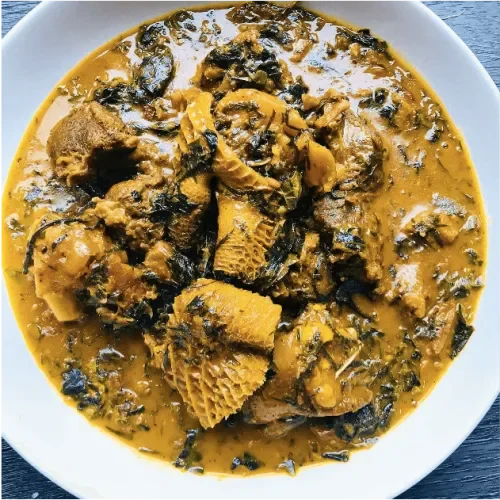
Tips to Avoid Common Mistakes
Wash leaves thoroughly. Bitter soup means poor washing.
Do not use potash unless experienced. It can make soup too soapy.
Add cocoyam gradually. Too much makes it gummy.
Use good palm oil. Fresh red oil gives color and taste.
Start with less pepper. Build heat slowly.
These fixes keep it beginner-friendly.
Serving Ideas
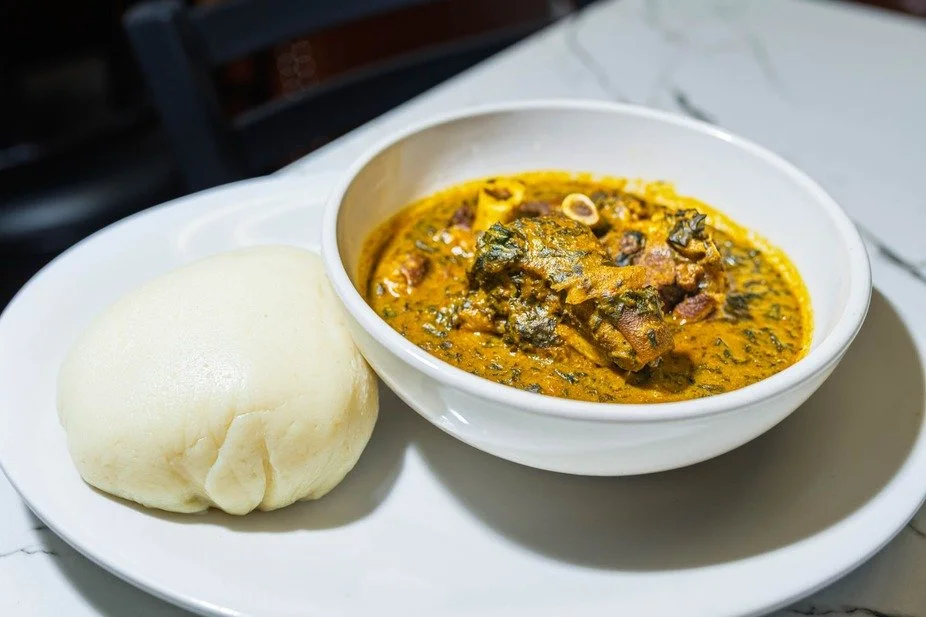
Pair with swallow like pounded yam, garri, or semo.
Serve family-style in a big bowl. Everyone dips in.
Add extra protein like snail or ponmo for variety.
In Igbo gatherings, it shines at events. Leftovers taste even better next day.
Frequently Asked Questions
Why is it called bitter leaf soup if it's not bitter?
The bitterness washes out completely with proper prep. A good version tastes savory and rich.
Can I use dried bitter leaves?
Yes. Soak and wash well. Fresh gives best flavor.
What if I can't find ogiri?
It's key for authenticity. Substitute with a little fermented shrimp paste if needed, but ogiri is best.
How do I store leftovers?
Refrigerate up to 3 days. Reheat gently on stove. Freezes well.
Is Ofe Onugbu healthy?
Yes. Bitter leaf adds nutrients. Meats and oils provide protein and fats.
What's the difference from other bitter leaf soups?
Igbo version uses cocoyam thickener and ogiri. Others like Onugbu from different groups vary slightly.
Conclusion
Ofe Onugbu proves simple ingredients create deep flavor. It connects you to Igbo heritage and everyday nutrition.
Master this and you unlock a piece of Southeastern Nigerian pride. The process teaches patience and care.
Try it soon. Share with family or friends.
Want more hands-on help? With NKENNE, the first African language learning app, explore Igbo basics, cultural recipes, and build real heritage ties. Download today and cook with confidence.