
Life-Cycle Ceremonies in Wolof Culture: Naming (Nggentée), Circumcision, and Weddings
By: Chimdindu Ken-Anaukwu
In Wolof communities across Senegal, major life events aren't private affairs; they're communal celebrations that strengthen family ties, honor traditions, and mark transitions with joy, music, and shared responsibility. From the first breath of a newborn to the union of marriage, these rituals blend Islamic practices with deep Wolof customs, creating moments where everyone has a role. This guide breaks down the key ceremonies: nggentée (naming), circumcision for boys, and weddings, detailing the rituals, gifts, music, and community involvement that make them unforgettable.
The Role of Life-Cycle Ceremonies in Wolof Society
Wolof life revolves around family and community, and life-cycle events reinforce that. These ceremonies (nggentée for newborns, circumcision as boys enter manhood, and weddings for new households) mix pre-Islamic Wolof customs with Islamic elements, as most Wolof are Muslim.
Griots (géwël) often lead music and praise, while elders guide prayers and decisions. Everyone contributes: gifts show support, music creates energy, and shared meals build bonds. These events aren't just milestones; they affirm social roles and teranga (hospitality).
Nggentée: The Traditional Naming Ceremony
Held about seven days after birth, nggentée (or ngente/nguenté) marks the safe arrival of a baby and officially gives the child a name.
The day starts quietly. Family and neighbors gather at the parents' home. In the morning, the father (sometimes with friends) meets an Imam to finalize the name, often chosen by the father, though the mother may suggest one privately. The name might honor an ancestor, relative, or hold special meaning; being named after someone creates a lifelong bond of care and support.
A common ritual includes shaving the baby's head (not universal) to symbolize purity and new beginnings. The Imam announces the name publicly, often with a short prayer or blessing.
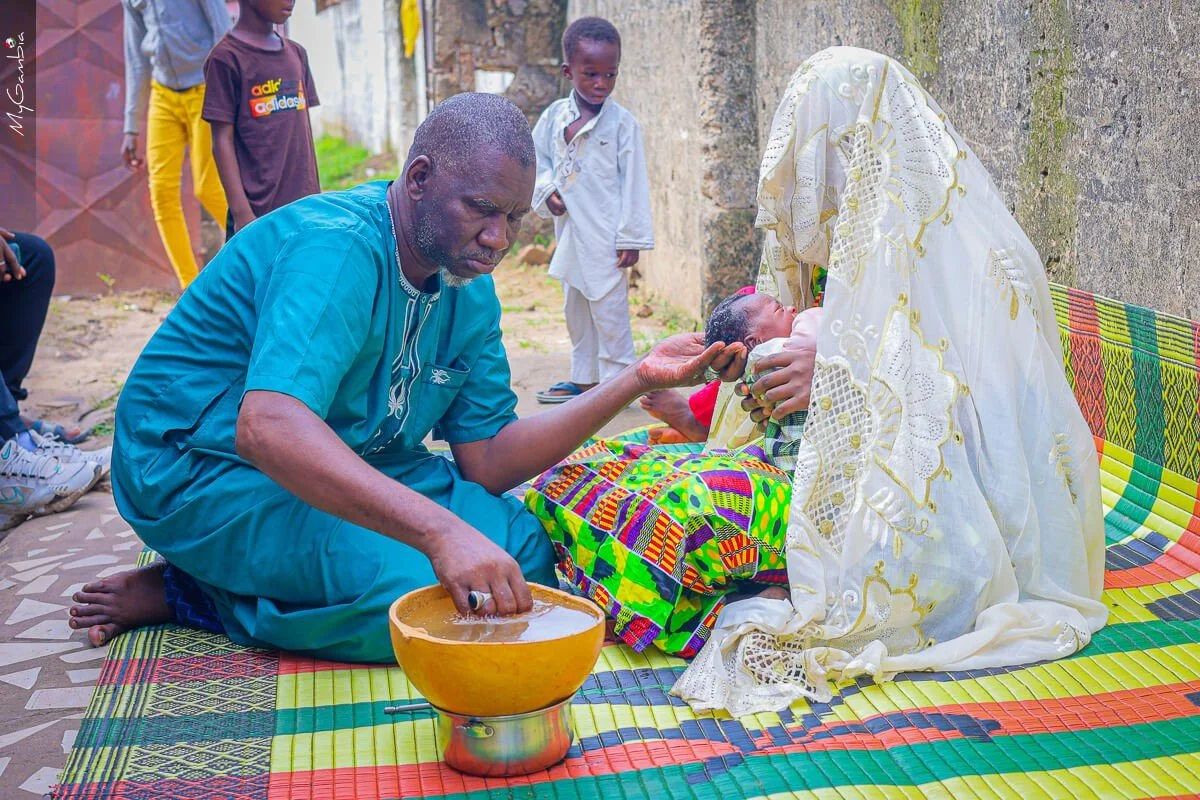
The celebration ramps up: guests arrive with gifts like clothing, money, baby essentials, or small cash envelopes to help the family. Women prepare a feast: rice dishes, meat stews, or sweets. Traditional music plays (sabar drums, griot singing), and people dance and eat together late into the day.
Community involvement is key; it's the first chance to congratulate openly, as wishing well before birth is seen as tempting bad luck.
Circumcision: Rite of Passage for Boys
Circumcision (takk or related terms) typically happens between ages 8–12, though timing varies. It's viewed as a transition to manhood, often with Islamic reinforcement of a pre-Islamic Wolof practice.
The ritual involves seclusion in a bush or camp for days to weeks, where boys learn about responsibility, courage, and adult expectations. Elders or specialists perform the procedure. Songs and poetry (like kasak) accompany the event, sung to encourage bravery and mark the shift from childhood.
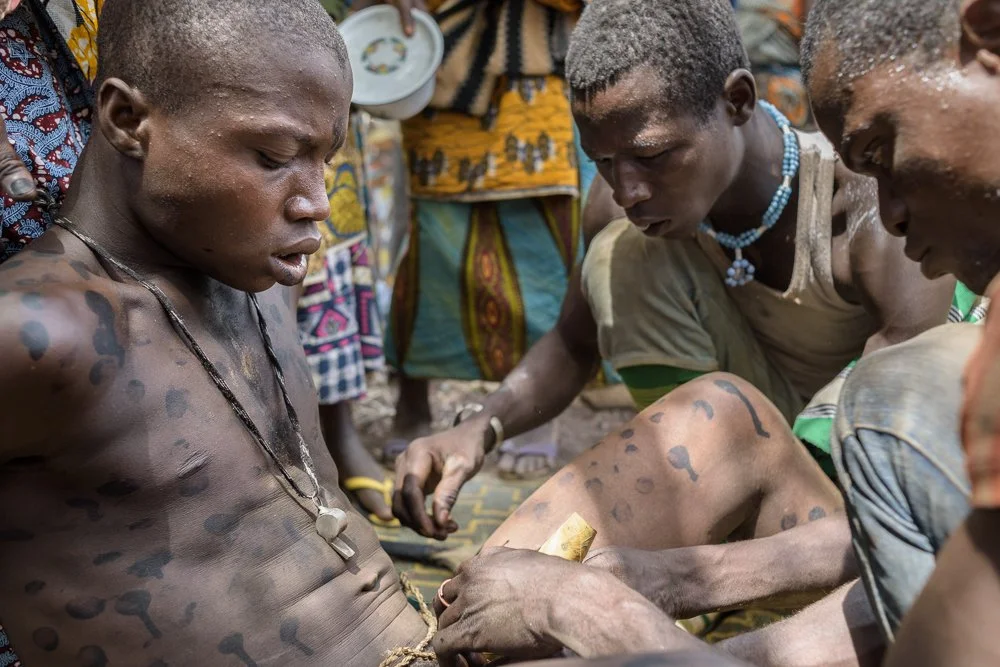
Afterward, boys return home amid celebration. Music, dancing, and feasting follow; sometimes with griots praising their endurance. In some areas, masked figures or dancers appear for protection and blessing.
Community supports the boys' families with food, gifts, or help during recovery. It's a proud moment that integrates young men into brotherhoods or social orders.
Weddings: Celebrating Union and New Beginnings
Wolof weddings unfold in stages, blending negotiation, religious rites, and big parties.
It starts with courtship (ngoro) and parental agreement. The groom's family presents kola nuts, gifts, and dowry (mehar: money, jewelry, or valuables) to the bride's family, showing respect. A financial gift (sadde) may seal commitment.
The religious core is the nikah at the mosque, where fathers or representatives agree to the union under Islamic law.
Festivities explode afterward: women prepare feasts (thiéboudienne, yassa), griots drum sabar rhythms, and dancers fill the space. The bride wears elaborate bazin outfits; gold jewelry shines. Gifts continue (fabrics, household items, cash) from both sides.
A fun tradition: the couple feeds each other lakh (millet porridge), playfully smearing it to "claim control" in the marriage. Music and dance last late, with griots praising lineages.
Community involvement peaks here; everyone attends, contributes, and celebrates the new family.

Common Threads: Music, Gifts, and Community
Across these ceremonies:
Music: Sabar drums, griot songs, and praise poetry create energy and preserve stories.
Gifts: Essential support (clothes, money, food) symbolize solidarity.
Community: No event happens alone; griots, elders, neighbors all participate.
These elements tie back to Wolof values: interdependence, respect for elders, and joy in transitions.
FAQ: Questions About Wolof Life-Cycle Ceremonies
When is the nggentée naming ceremony held?
Usually seven days after birth, blending Islamic naming with Wolof celebration and gifts.
What role do griots play in Wolof ceremonies?
Griots provide music, sing praises, announce events, and preserve family histories through song.
Is circumcision still practiced traditionally in Wolof communities?
Yes, often with seclusion and songs, though modern medical options exist; it's a key manhood rite.
What gifts are common at Wolof weddings?
Kola nuts, money, fabrics, jewelry, household items are given to show respect and support.
How has Islam influenced these Wolof rituals?
It adds prayers and Imam-led naming/marriage, but Wolof elements like griot music and communal feasting remain strong.
Are women involved in circumcision ceremonies?
They prepare food and celebrate returns, but the core ritual focuses on boys and male elders.
Wrapping Up: Preserving Wolof Heritage Through Ritual
These ceremonies (nggentée, circumcision, weddings) aren't relics; they're living threads that weave Wolof identity, passing values of community, resilience, and hospitality to new generations. In a fast-changing world, they remind us why gathering, giving, and celebrating matter.
Want to experience this culture firsthand? NKENNE's Wolof lessons weave in stories like these, helping you understand the language behind the rituals. Start your journey today and connect deeper with Senegal's heartbeat.