
Ngombe: Hearty Congolese Beef Stew for Weekend Family Gatherings
By: Chimdindu Ken-Anaukwu
Imagine the aroma of slow-simmered beef filling your home on a lazy Saturday. In Congolese kitchens across Kinshasa and beyond, that's the signal: ngombe is ready. This tender beef stew in a rich tomato-onion gravy brings everyone to the table. Family, neighbors, sometimes even strangers who smell it from the street. It's simple ingredients turned into deep flavor through time and care.
Ngombe (beef in Lingala) isn't fancy restaurant food. It's home food, weekend prep food, the kind you make when you want to feed hearts as much as bellies. Often finished with a touch of peanuts for creaminess, it pairs perfectly with fufu, rice, or plantains. Let's walk through why it matters, how it's made, regional twists, and the little Lingala moments that make it special.
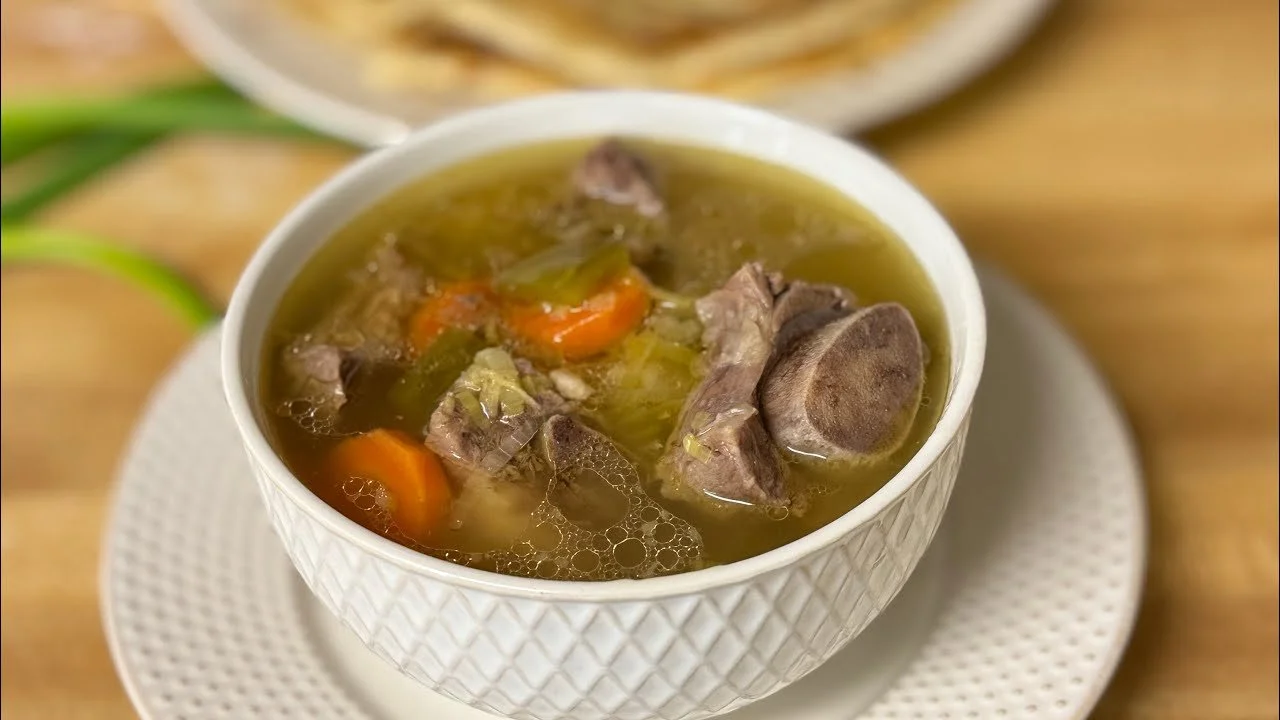
Why Ngombe Rules Family Weekends in Congo
In Lingala-speaking homes, weekends mean time to cook slow. Ngombe ya soupe (beef soup/stew) starts Friday night or Saturday morning. Beef marinated or seared, then left to bubble while life happens.
It's hearty protein in a place where meals often lean on cassava or greens. The long cook tenderizes tougher cuts, turning affordable beef into something luxurious. Families gather around the pot, sharing stories, adding a pinch here or there. That shared prep builds bonds, especially in diaspora kitchens recreating Kinshasa vibes.
Culturally, it's tied to abundance and hospitality. A big pot says "there's enough for everyone." A quiet value in Congolese life.
Core Ingredients for Authentic Flavor
Keep it real with these staples. Adjust based on what the market has.
Beef (chuck or stewing cuts, cut into chunks) — about 1-2 kg for 6-8 people
Onions (red or yellow, chopped) — 2-3 large
Tomatoes (fresh or canned) — 4-6, blended or chopped
Garlic and ginger — plenty, minced
Spring onions and celery — for freshness
Bay leaves, nutmeg, Maggi cubes or bouillon — for depth
Oil (palm or vegetable)
Optional: peanut butter or ground peanuts — 2-3 tbsp for creamy richness
Salt, black pepper, sometimes all-purpose seasoning
Lemon juice or vinegar — to clean and tenderize the meat
No fancy spices needed. The magic comes from slow cooking and layering flavors.
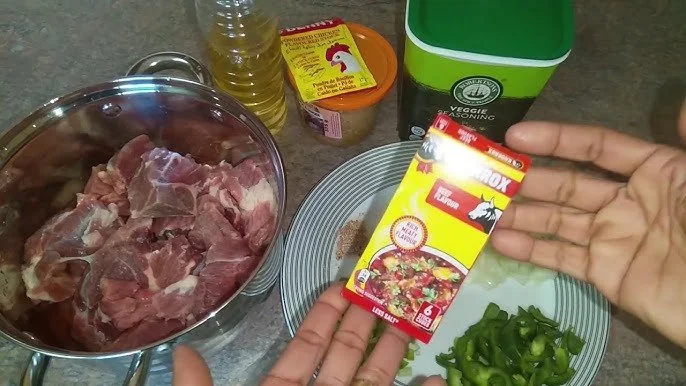
Step-by-Step: How to Make Ngombe Ya Soupe
This version draws from home cooks in DRC and diaspora. Easy, forgiving, full of flavor.
Clean the beef: Rinse chunks, rub with lemon juice or vinegar, salt, and seasoning. Let sit 30 minutes (or overnight in fridge).
Sear for flavor: Heat oil in a large pot. Brown beef in batches so it caramelizes. Remove and set aside.
Build the base: In the same pot, sauté chopped onions until soft and golden. Add garlic, ginger, spring onions, celery. Cook 5 minutes.
Add tomatoes: Stir in blended or chopped tomatoes. Cook down until oil separates (10-15 minutes).
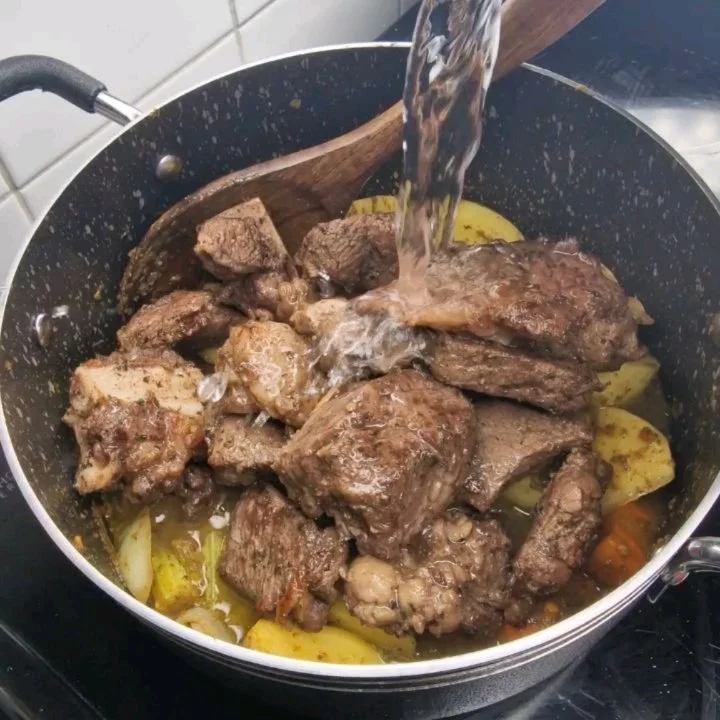
Return beef: Add seared meat, bay leaves, nutmeg, Maggi cubes, water or stock to cover. Bring to boil, then simmer low 1.5-2 hours until beef is fork-tender.
Finish: Stir in peanut butter if using. Dissolve it in a bit of hot broth first. Taste and adjust salt/pepper. Simmer another 15-20 minutes for richness.
Rest: Let it sit off heat 10 minutes. Flavors deepen.
Total time: 2-3 hours, mostly hands-off. Serve hot.
Regional Variations Across the DRC
Congolese cuisine shifts by region, and ngombe adapts.
Kinshasa and west (Lingala heartland): Often richer with palm oil hints, peanuts common for creaminess. Served with fufu or rice.
Kasai/south: Might include more goat influence or pair with corn/maize sides. Vegetables like cabbage added.
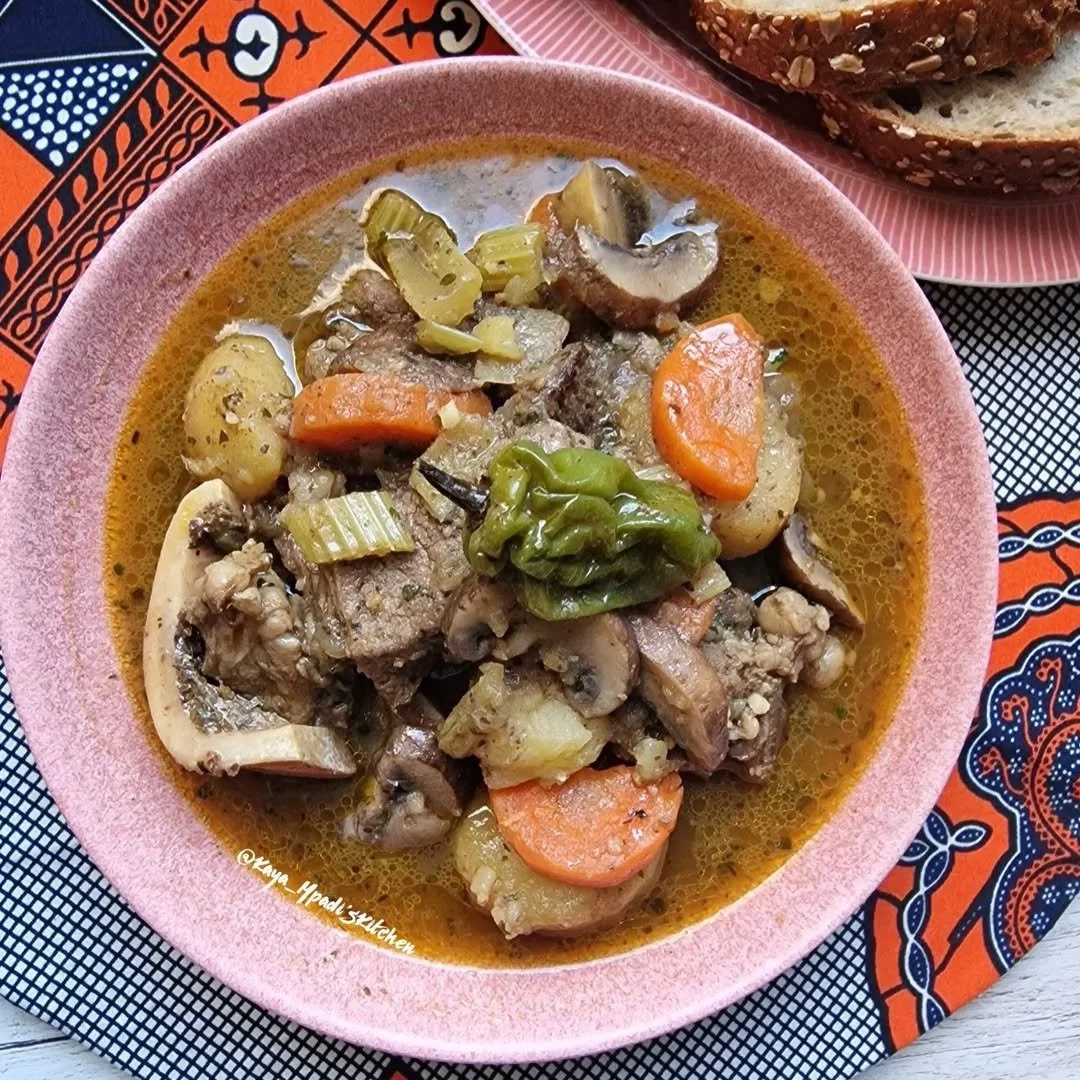
Eastern highlands: Leaner, with beans or potatoes incorporated. Milder spices, sometimes cross-border touches from Rwanda/Uganda.
Northern/river areas: Fish versions exist, but beef ngombe stays tomato-heavy.
Every family tweaks it. Some add Scotch bonnet for heat, others keep it mild for kids.
Lingala Toasts and Table Rituals
Around the pot, Lingala flows easy.
Lift a spoon and say "Na mersi mingi" (thank you very much) to the cook.
Or toast with "Tozua malamu" (let's eat well) before digging in.
Someone might joke "Ezali kitoko!" (It's beautiful!) at the first taste.
Eating is communal. Hands or spoons from shared plates. The pot stays on low so latecomers get hot portions. These moments turn a meal into memory.
Serving Suggestions and Pairings
Classic: Over fufu (pounded cassava/plantain). Tear and scoop.
With rice or kwanga (fermented cassava rolls).
Sides: Fried plantains, pondu (cassava leaves), or simple greens.
Drink: Ginger beer, hibiscus tea, or cold Primus beer.
Leftovers taste even better next day.
FAQs
What cut of beef works best for ngombe?
Chuck or stewing beef. Tougher cuts that break down beautifully in long simmers. Avoid lean cuts; they dry out.
Is peanut butter traditional in ngombe?
Often yes, especially in central/western DRC. It adds creaminess like in moambe. Skip if allergies or preference. Still delicious.
How spicy is authentic ngombe?
Mild to medium. Some add Scotch bonnet or pili-pili, but base is flavorful from onions/tomatoes, not heat.
Can I make ngombe ahead?
Yes. Better the next day. Refrigerate up to 4 days or freeze portions.
What's the difference between ngombe and moambe?
Moambe uses palm nut sauce (richer, redder). Ngombe is tomato-onion based, sometimes with peanuts.
Any vegetarian version?
Swap beef for mushrooms or chickpeas. Keep the tomato-onion base and peanuts for depth.
Wrapping Up: The Stew That Keeps Bringing People Together
Ngombe is more than beef in gravy. It's weekend rhythm, family laughter, the smell of home no matter where you are. In tough times or good ones, a bubbling pot reminds us there's always room at the table.
Try it this weekend. Gather your people, stir in some love, and let the flavors do the rest.
Ready for more tastes of Congo? Head to NKENNE for full recipes, Lingala kitchen phrases, and stories behind every dish. What's cooking in your kitchen next?