
French Bread Meets African Markets: The Baguette Fusion in Francophone Africa
By: Chimdindu Ken-Anaukwu
Walk through any busy street in Dakar, Abidjan, or Yaoundé, and you'll spot boulangeries pumping out fresh baguettes every few minutes. The long, crusty loaves are everywhere; stacked high, sold by the half or whole, and often still warm. But here's the twist: these aren't just French imports. In Francophone Africa, the baguette has been fully claimed, reshaped, and paired with bold local dishes like ndolé, attiéké, or yassa. This guide shows why the baguette thrives here, how it's fused with African flavors, and the everyday magic of this tasty cultural blend.
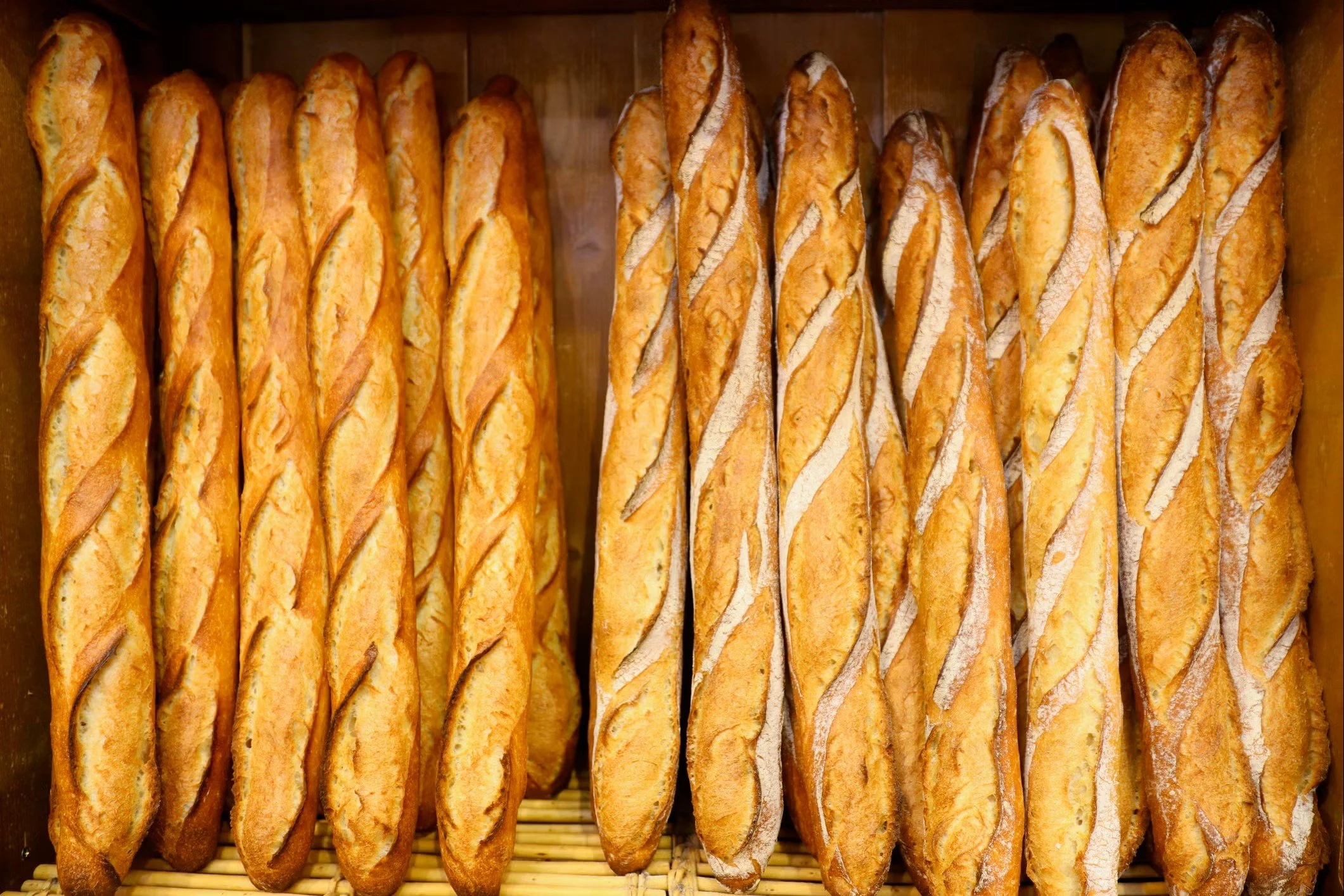
Why the Baguette Took Root in Francophone Africa
The baguette arrived with French colonialism in the 19th and 20th centuries. In places like Senegal, Côte d'Ivoire, and Cameroon, colonial authorities introduced wheat bread as part of European-style meals.
After independence, it stayed—cheap, quick to bake, and filling. Today, Senegal alone consumes around eight million baguettes daily. It's not about imitating France; it's about practicality and taste.
Wheat often comes imported, but local bakers adapt recipes, sometimes using more local grains or adjusting for climate. The result? A bread that's familiar yet fully part of African daily life.
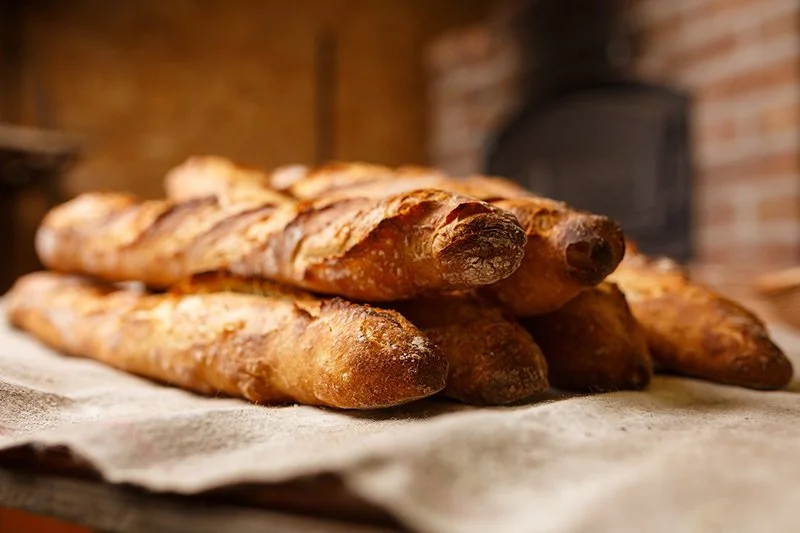
Bakery Culture: From Colonial Legacy to Local Staple
Boulangeries dot every neighborhood in cities like Dakar, Abidjan, and Yaoundé. Many are small, family-run spots with wood-fired ovens churning out dozens at a time.
In Dakar, you find classic French-style ones alongside informal tapalapa bakeries in suburbs, sturdier loaves for local tastes. Abidjan streets often have a patisserie or boulangerie on nearly every block, selling fresh baguettes alongside croissants.
In Yaoundé, bakeries blend French technique with Cameroonian energy—early morning lines for warm loaves to pair with tea or coffee. This daily ritual builds community: neighbors chat while waiting, and kids grab one for school.
The baguette became a marker of urban life: accessible, versatile, and always fresh.
(Note: These images show bustling boulangeries in Dakar and Abidjan, fresh baguettes stacked high, and street vendors with warm loaves—real scenes from Francophone African markets.)
Everyday Pairings: Baguette with Ndolé, Attiéké, and Yassa
The real story is fusion. The baguette's neutral crunch balances rich, spicy African dishes.
With ndolé (Cameroon's bitterleaf and peanut stew): Tear off chunks to scoop the thick sauce crust so it soaks up flavors without falling apart.
With attiéké (Ivorian grated cassava couscous): Often served alongside grilled fish or chicken; baguette adds texture contrast to the soft attiéké.
With yassa (Senegalese onion-lemon chicken): Dip pieces into the tangy sauce, or make a quick sandwich with onions and chicken spilling out.
These pairings aren't forced, they're natural. The bread's lightness cuts richness, making meals more satisfying.
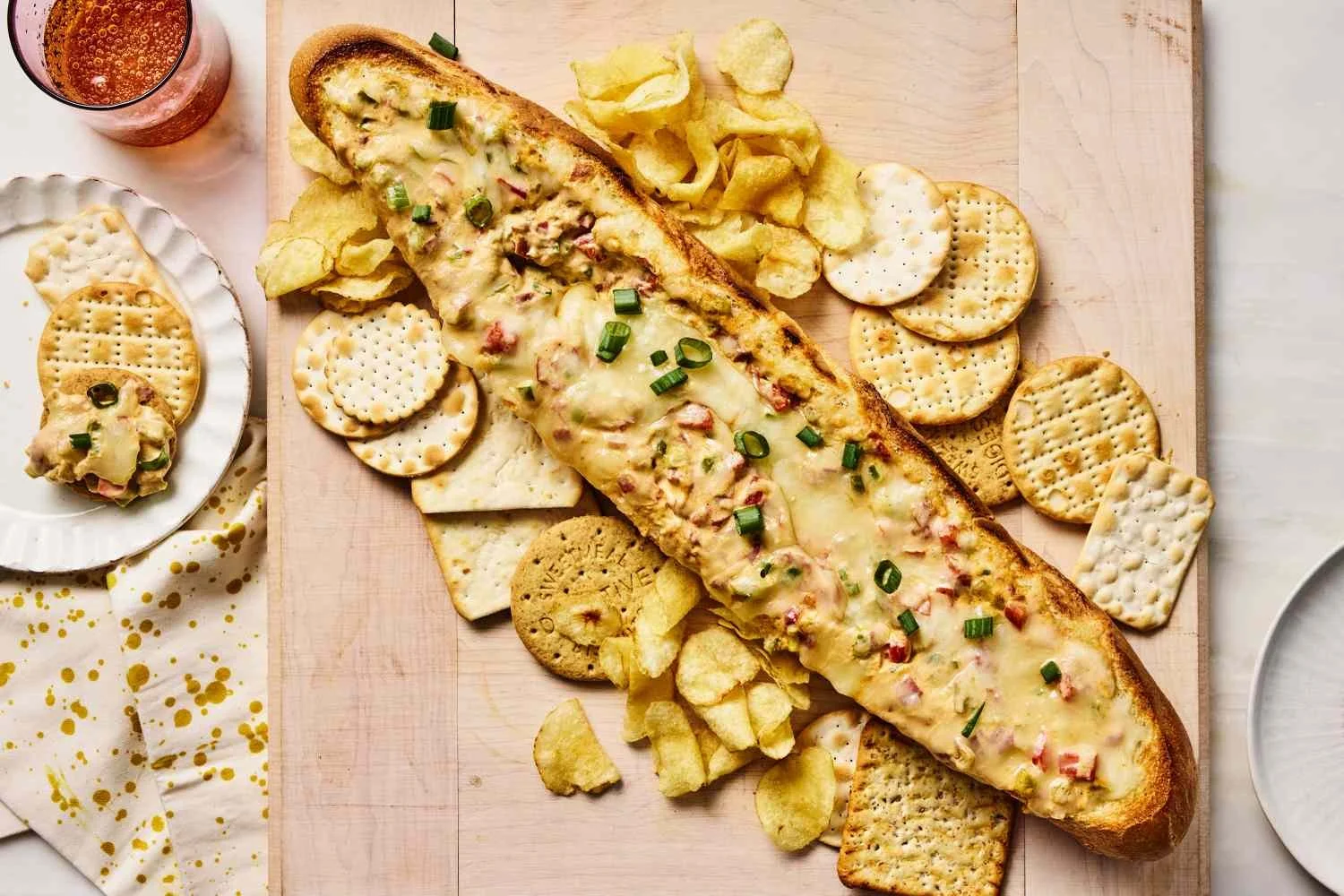
Street Food Twists: Sandwiches and Snacks
Street vendors turn baguettes into portable feasts.
In Côte d'Ivoire: Pain brochette, grilled meat skewers (beef or chicken) stuffed in baguette with onions, peppers, mayo, and spices. Crunchy bread meets smoky meat.
In Senegal: Simple pain au beurre (baguette with butter) or filled with omelette, sardines, or avocado.
In Cameroon: Baguette often pairs with grilled fish or ndolé leftovers for quick lunches.
These snacks are cheap, filling, and everywhere, perfect for on-the-go life.
Modern Takes and Cultural Pride
Bakers experiment: some use local grains to reduce imports, others add flavors like spices. In Senegal, there's pushback against over-reliance on French wheat, encouraging homegrown alternatives.
Yet the baguette stays loved. It's proof of cultural ownership: what started as colonial now belongs to Africa, eaten with pride, fused creatively.
This blend shows Francophone Africa's strength: taking elements and making them better, tastier, and more communal.
Practical Phrases for Buying Baguette
At the boulangerie: "Une baguette s'il vous plaît." (One baguette, please.)
For half: "Une demi-baguette."
Asking fresh: "C'est frais?" (Is it fresh?)
With filling: "Avec du beurre?" (With butter?) or "Sandwich au poulet?" (Chicken sandwich?)
These make you sound local and get the best loaf.
FAQs
Why are baguettes so popular in Francophone Africa despite local staples?
They're quick to bake, cheap, filling, and pair well with sauces, practical for busy urban life.
How did the baguette spread after colonialism?
It stayed as affordable food, with local bakers adopting and adapting techniques.
Is there a push to replace baguettes with local breads?
Yes, in Senegal and elsewhere; promoting homegrown grains for sustainability and pride.
What's the best way to eat baguette with ndolé?
Tear into chunks and use as a scoop; it lets you enjoy the peanut-bitterleaf mix fully.
Do bakeries in Abidjan or Dakar differ from French ones?
Yes. Often smaller, more community-focused, with faster turnover and local twists.
Can you make baguette sandwiches at home with African dishes?
Absolutely! Yassa chicken in baguette is simple and delicious; try it for fusion flavor.
Conclusion
The baguette in Francophone Africa isn't a leftover; it's proof of creative ownership. From boulangerie aromas in Dakar to street pain brochette in Abidjan, it fuses seamlessly with ndolé, attiéké, yassa, and more. This everyday blend celebrates how African markets turn simple ingredients into something richer and more communal.
Want to taste these fusions and speak the language around them? NKENNE brings you real African French lessons, recipes, and cultural stories. Start exploring; your next baguette could tell a whole new story. Bon appétit! 🥖