
The Mystical World of Mwari and the Ancestral Spirits (Vadzimu)
By: Chimdindu Ken-Anaukwu
Many people assume African traditional religions are all about multiple gods or "animism" without a supreme being.
That's not the case with the Shona.
At the center is Mwari, the one omnipotent creator, remote yet all-powerful.
Then come the vadzimu, ancestral spirits who bridge the gap between Mwari and the living.
People turn to these ancestors for everyday guidance: healing sickness, bringing rain, making big decisions.
This system has deep roots and still shapes life in Zimbabwe today, even for many who attend church.
In this guide, I'll walk you through the core beliefs, how consultations happen, real-life examples, and the fascinating way this worldview mixes with Christianity.
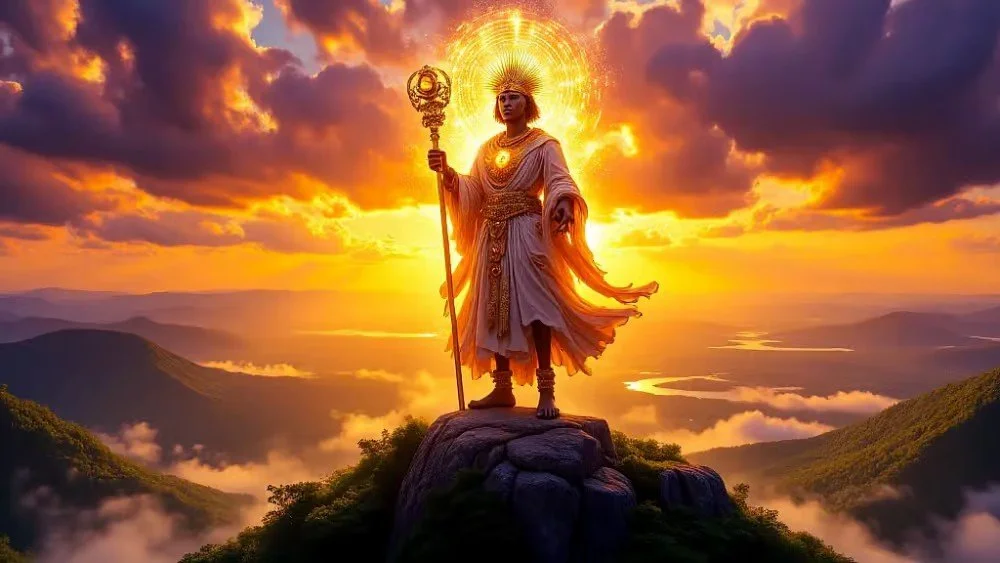
Who Is Mwari? The Supreme Creator
Mwari (also called Musikavanhu or Nyadenga) is the Shona name for the supreme God.
Mwari created everything: all life, the land, the rains, the good and the bad.
Mwari is omnipotent and rules over all spirits, but distant. People don't approach Mwari directly in everyday matters.
This belief is monotheistic at its core: one high God above everything.
Shona cosmology sees the universe as ordered, with Mwari at the top of a spiritual hierarchy.
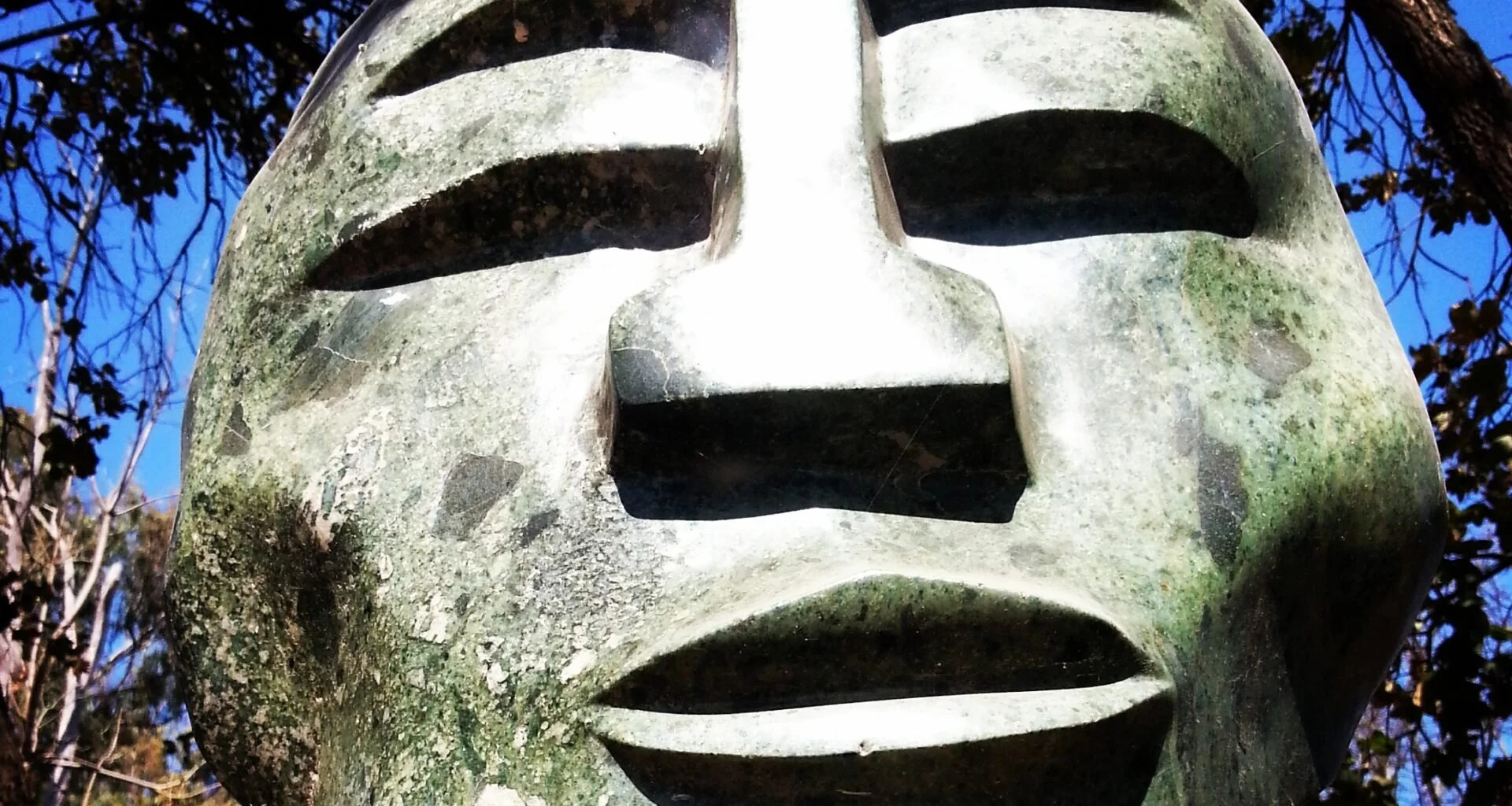
This stone sculpture captures the timeless, watchful presence many associate with ancestral connection to the divine.
Vadzimu: Ancestral Spirits as Intermediaries
Vadzimu (singular mudzimu) are the spirits of deceased family members, especially patrilineal ancestors.
They form an invisible community that stays close to their living descendants.
The vadzimu protect the family, watch over traditions, bring fortune when honored, and can withdraw protection if customs are ignored. This can lead to misfortune or illness.
They act as messengers and go-betweens, carrying prayers, thanks, and requests from the living to Mwari.
This setup keeps the connection personal and family-centered.
How People Consult Spirits for Guidance
Consultation usually happens through spirit mediums (svikiro) or traditional healers (n'anga).
During rituals like bira (all-night ceremonies), the medium becomes possessed by a mudzimu or other spirit.
The spirit speaks directly, giving advice, diagnosing problems, or demanding appeasement (like offerings or rituals).
Family members bring issues: a sick child, poor harvest, family conflict.
The medium relays the spirit's message, often with herbal remedies, sacrifices, or behavioral changes.
It's practical. Spirits are seen as caring elders who know the family's history.
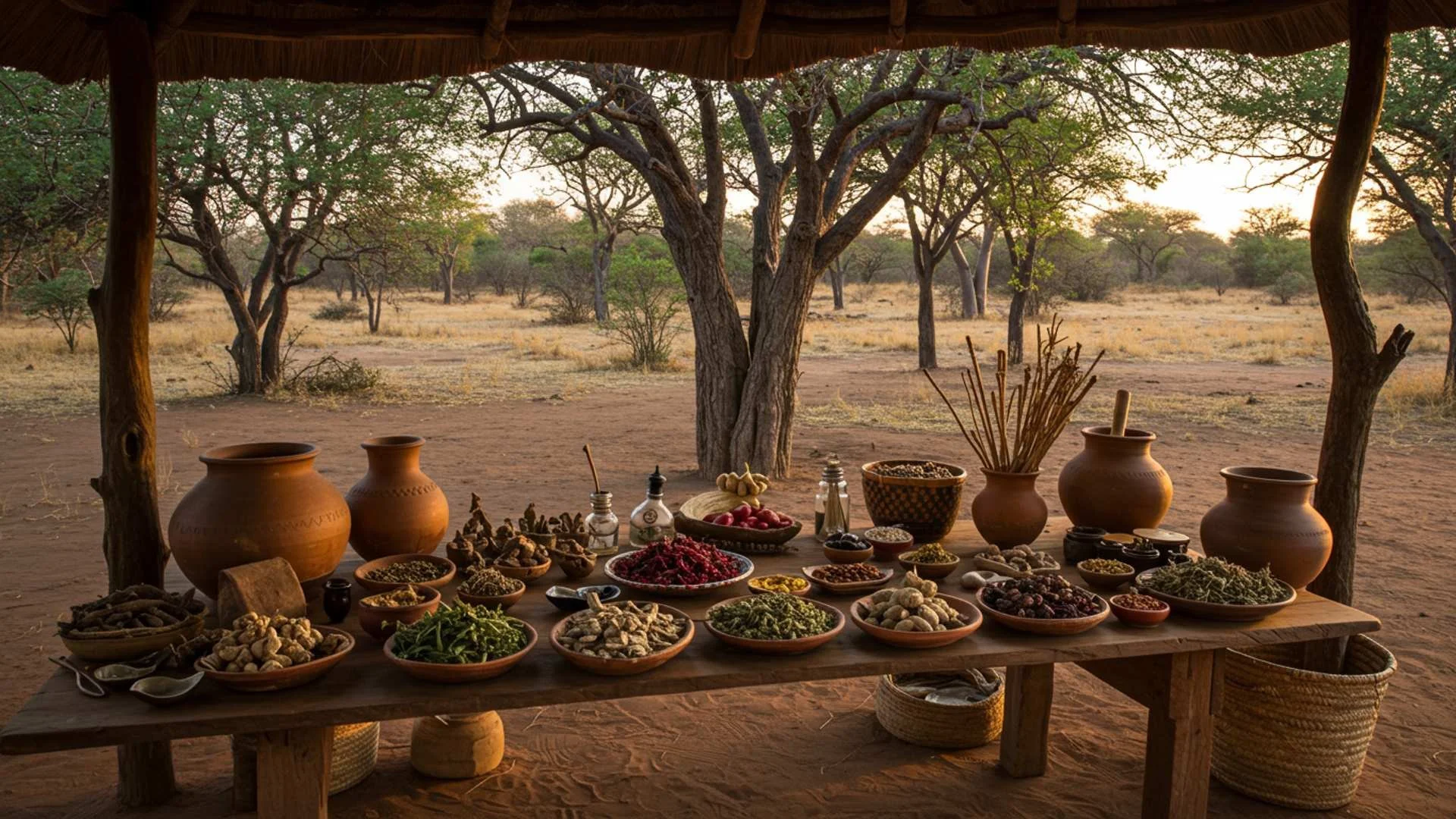
Traditional healers prepare muti (herbal medicines) in settings where spiritual consultation often takes place.
Guidance on Health, Rain, and Life Decisions
Health: Many illnesses have spiritual causes: offended vadzimu, witchcraft, or imbalance. Consultation reveals the root. Healing combines herbs, rituals, and reconciliation.
Rain: Territorial spirits (mhondoro) or clan ancestors influence weather. Mediums lead rain-making rituals to appeal for fertility of the land.
Life decisions: Big choices (marriage, jobs, moves) often involve asking ancestors for approval or warnings through dreams, mediums, or signs.
This isn't superstition. It's a worldview where the spiritual explains and influences the physical.
The Blend with Modern Christianity
Christianity arrived with missionaries, but Shona beliefs didn't vanish.
Most Zimbabweans today identify as Christian (especially Apostolic or Pentecostal), yet many retain vadzimu reverence.
Mwari is often equated with the Christian God. Both are supreme creators.
People pray in church but still consult n'anga for illness or perform family rituals.
This syncretism shows in Vapostori (white-robed Apostolic groups) or Zionist churches that mix possession, healing, and prophecy with biblical elements.
It's a living fusion: faith in Jesus alongside respect for ancestors as guardians.
Frequently Asked Questions
Who is Mwari in Shona belief?
Mwari is the supreme creator God: omnipotent, remote, and the source of all life.
What role do vadzimu play?
Vadzimu are ancestral spirits who protect families, act as intermediaries to Mwari, and guide or punish the living.
How do Shona people consult ancestors?
Through spirit mediums during possession rituals, where ancestors speak directly to address problems.
Why consult spirits for health or rain?
Illness or drought often stems from spiritual imbalance. Ancestors reveal causes and solutions.
Do Shona Christians still honor vadzimu?
Yes. Many blend the two: seeing Mwari as the Christian God while respecting ancestors as family guardians.
Is this belief system dying out?
No. It's adapting. Traditional elements persist in churches, healing practices, and family life.
This mystical world isn't ancient history.
It's alive in Zimbabwe: shaping how people face sickness, seek rain, make choices, and find meaning.
Understanding Mwari and vadzimu helps you see the depth of Shona spirituality: connection across generations, respect for the unseen, and harmony between worlds.
If this opened something for you, explore more with NKENNE. We're here to unpack the language, the beliefs, and the pride that ties it all together.
Maita henyu for reading. Your roots run deep. 🌿