
Alloco: Côte d'Ivoire's Addictive Fried Plantains and the Heart of Allocodromes
By: Chimdindu Ken-Anaukwu
Picture the sizzle of hot oil and the sweet smell of caramelizing plantains drifting from a busy street corner in Abidjan. That is alloco. Ripe plantains sliced and fried until golden and crisp on the outside, soft and sweet inside. This is not complicated cooking. It is pure everyday joy in Côte d’Ivoire. Vendors sell it on every corner, but the real experience happens at allocodromes. These are dedicated spots where alloco meets grilled fish, attiéké, spicy sauces, and lively crowds. This guide explains what makes alloco so addictive, how to make it, the best pairings, and why allocodromes feel like community gathering places. You will also pick up practical African French phrases to use when ordering.
What Is Alloco and Where Does It Come From?
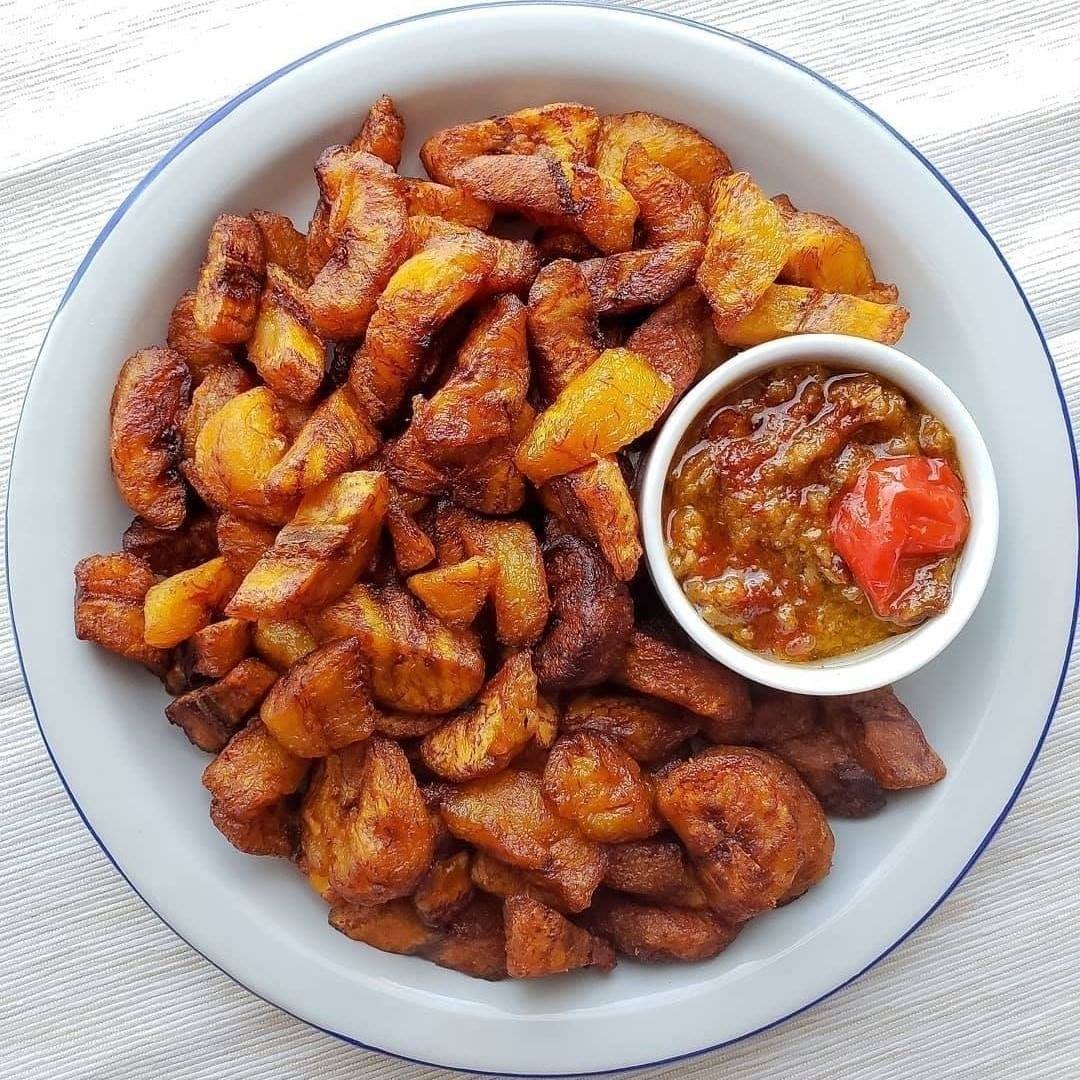
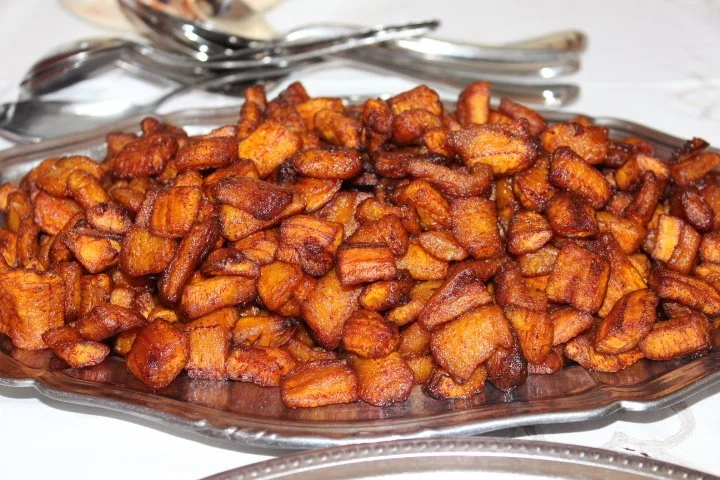
Alloco is fried ripe plantains. They are sliced and deep-fried until golden and caramelized.
The name comes from the Baoulé language in eastern Côte d’Ivoire. “Loko” means ripe and sweet. That is the secret. Use very ripe plantains with yellow skin and black spots for the perfect sweet-savory balance.
People eat alloco any time of day. It works as a mid-afternoon snack, a side dish, or a late-night treat. Street vendors fry it fresh, often in peanut oil or red palm oil for richer flavor.
Simple ingredients create serious addiction.
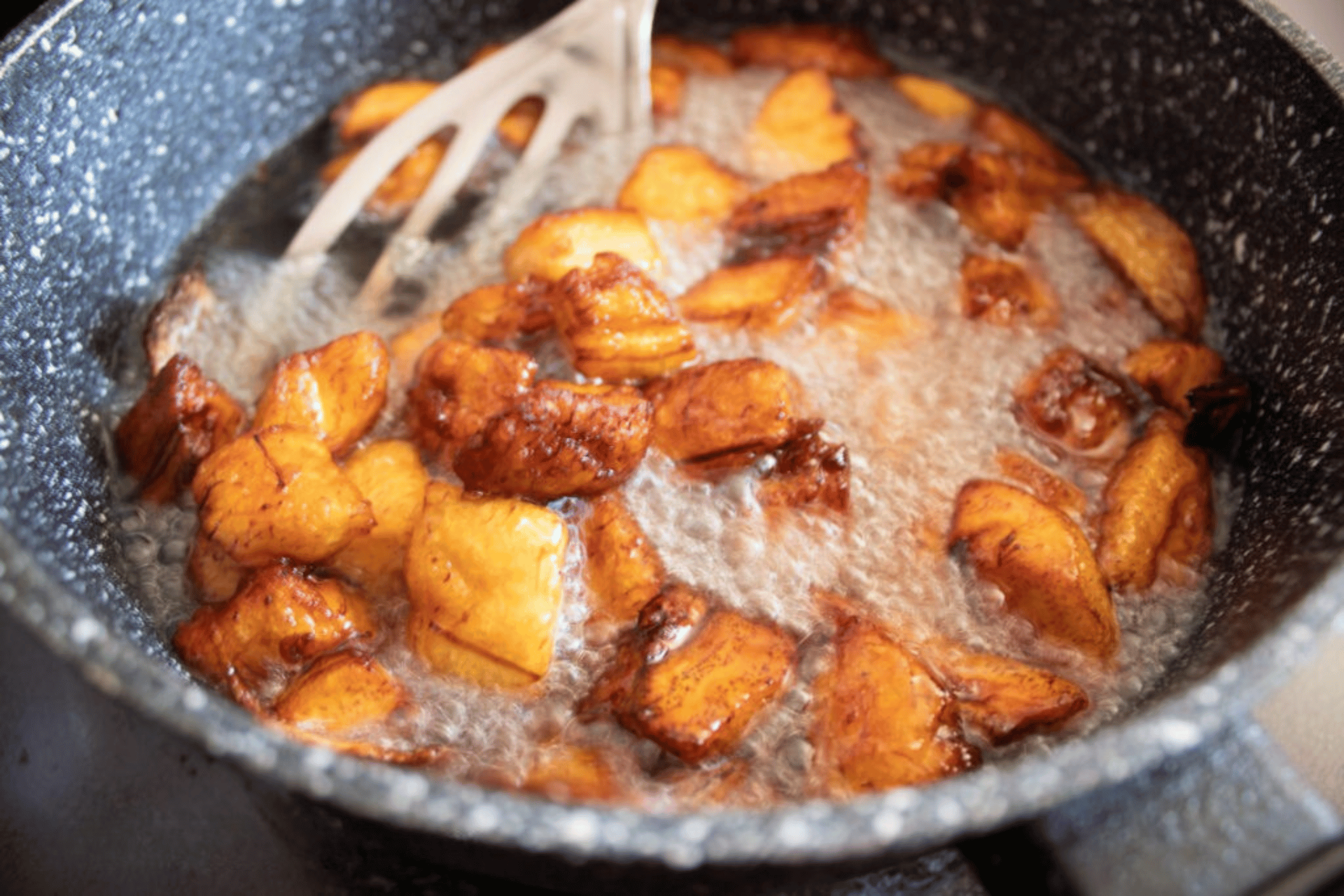
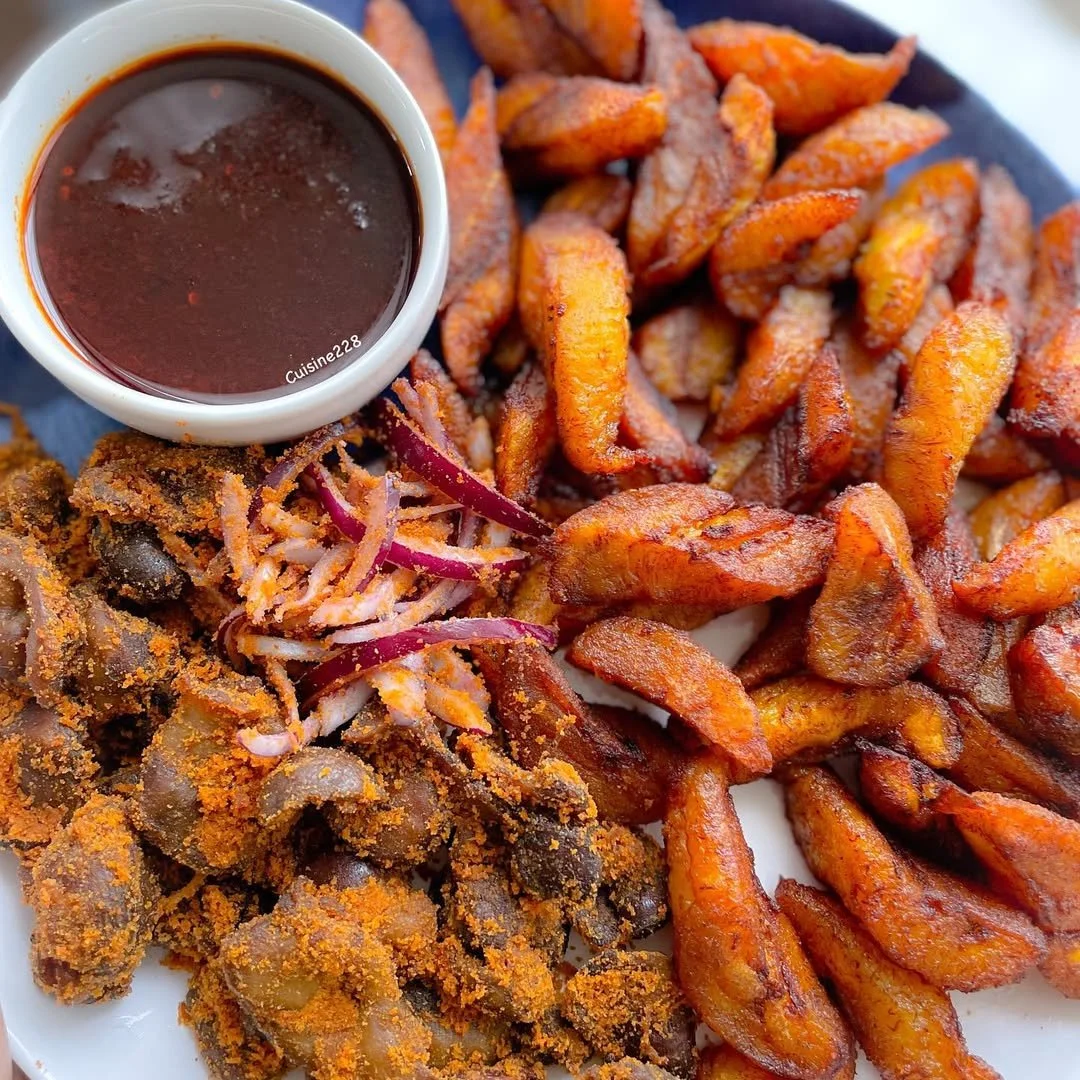
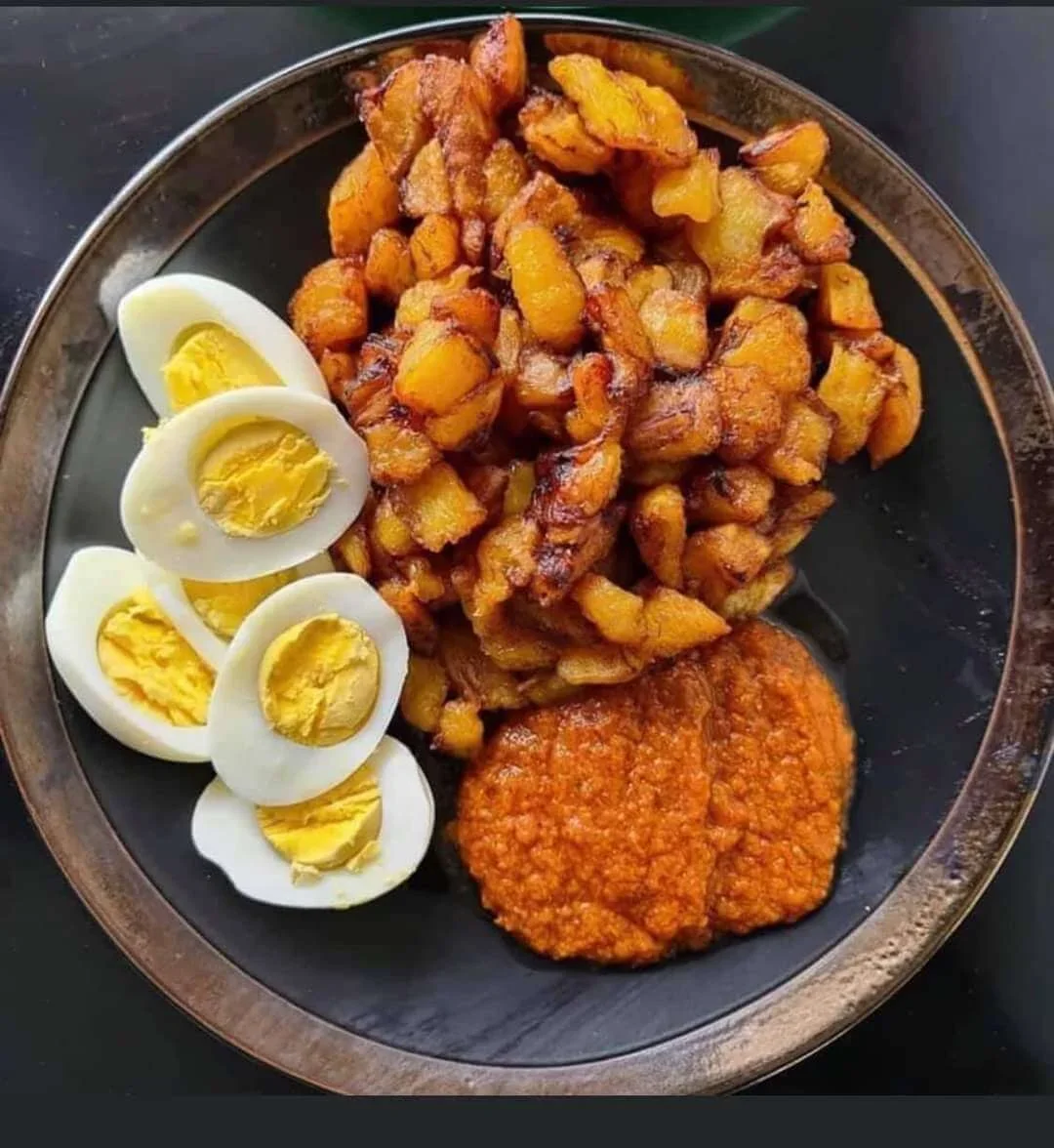
(Note: These images show fresh alloco frying in Abidjan streets, golden crispy batches with spicy toppings, and busy allocodromes with vendors grilling fish alongside. Real Ivorian street energy.)
The Simple Magic: How Alloco Is Made
Authentic alloco stays simple.
Pick very ripe plantains. Yellow with black spots. Avoid green ones or fully black overripe fruit.
Peel them and slice diagonally into rounds or thick chunks.
Add a light sprinkle of salt. Some people skip salt completely to let the natural sweetness shine.
Heat oil. Use peanut oil or red palm oil. Bring it to medium-high heat.
Fry the slices in batches. Cook until golden-brown with crisp edges. This takes about three to five minutes per side.
Drain on paper towels or a wire basket.
No batter. No extra steps. The natural sugars in the plantains caramelize during frying. That is what makes them so good.
Tip: Do not overcrowd the pan. Space gives crispier results.
Toppings and Classic Pairings
Alloco tastes great plain. It becomes even better with toppings and sides.
Popular spicy toppings include fresh pili-pili chili sauce, chopped onions, diced tomatoes, or a tangy pepper relish.
Favorite pairings include:
Grilled or fried fish such as poisson braisé or tilapia. The smoky protein balances the sweetness.
Attiéké. This grated fermented cassava couscous adds fluffy texture that contrasts the crisp plantains.
Boiled or fried eggs. A simple extra that makes the plate more filling.
Grilled chicken or meat. Common at street spots.
A full street plate often has attiéké as the base, alloco on the side, fish or meat on top, and sauce poured over everything.
Allocodromes: The Heart of Alloco Culture in Abidjan
Allocodromes are open-air food zones built around alloco and grilled meats.
The most famous one sits in Cocody, Abidjan. Rows of vendors grill over charcoal and fry plantains in large pots.
You smell smoke and hot oil from blocks away. Choose your vendor. Order your portions. Find a seat at shared tables.
The atmosphere stays casual, smoky, and full of life. Locals bargain, laugh, and eat with hands or plastic forks.
These spots turn alloco into a social event. Affordable. Communal. Packed with flavor.
Why Alloco Is a Must-Try Street Food
Alloco captures the spirit of Ivorian street food. It is quick, cheap, and full of flavor. It uses local staples that grow in abundance.
Frying is fast. Perfect for busy city life.
It also shows beautiful fusion. Baoulé roots meet modern urban energy.
The addiction comes from texture contrast. Crispy outside. Soft and sweet inside. No added sugar needed.
Snack or side dish, alloco delivers comfort in every bite.
Everyday African French Phrases for Ordering Alloco
At an allocodrome try these:
"Un alloco, s’il te plaît." (One alloco, please.)
With extras: "Alloco avec poisson braisé et sauce piment." (Alloco with grilled fish and chili sauce.)
For size: "Une petite portion d’alloco." (A small portion of alloco.)
Compliment: "C’est trop bon, les alloco !" (These alloco are so good!)
Asking price: "C’est combien l’alloco ?" (How much for the alloco?)
These phrases get you served quickly and warmly.
FAQs
What makes alloco different from other fried plantains?
Alloco uses very ripe plantains for sweetness and caramelization. It feels more like a sweet-savory snack than purely savory versions found elsewhere.
Why use red palm oil for alloco?
It adds rich authentic flavor and a beautiful color. Red palm oil is common in Ivorian cooking for depth.
Are allocodromes only in Abidjan?
They are most famous in Abidjan, especially Cocody. Similar spots exist in other Ivorian cities and in diaspora communities.
Can I make alloco less sweet?
Yes. Use less-ripe plantains for a more savory taste. Or add extra salt.
What is the best pairing for beginners?
Start with alloco plus grilled fish plus pepper sauce. Classic and well-balanced.
Is alloco healthy?
Plantains bring potassium and fiber. Fried food should be enjoyed in moderation like any street treat.
Conclusion
Alloco is more than fried plantains. It is a taste of Ivorian life. Sweet. Crispy. Shared under Abidjan skies at lively allocodromes. From simple street frying to full plates with attiéké and grilled fish, it proves everyday ingredients can create unforgettable moments. You now have the recipe, the culture, and the words to order like a local.
Craving more Ivorian flavors and the African French that brings them to life? NKENNE offers lessons, stories, and recipes to deepen your connection. Grab some plantains and start cooking. Your next bite could spark real cultural pride. Bon appétit! 🍌🔥