
The Languages Behind Africa's Biggest Music Genres
By: Yvonne Mag-usara
You don't have to understand every lyric to feel African music.
A Yoruba chant in Lagos. A Lingala chorus in Kinshasa. A Swahili love song in Dar es Salaam. A Wolof refrain in Dakar.
Even before you know the words, you recognize the emotion.
That is because language has always been at the heart of African music. Long before songs reached streaming platforms, they carried family histories, spiritual beliefs, celebrations, and everyday stories from one generation to the next.
Today's biggest African music genres continue that tradition. While many artists blend multiple languages in a single song, local languages remain the heartbeat of the music.
Here are some of the languages shaping Africa's biggest sounds.
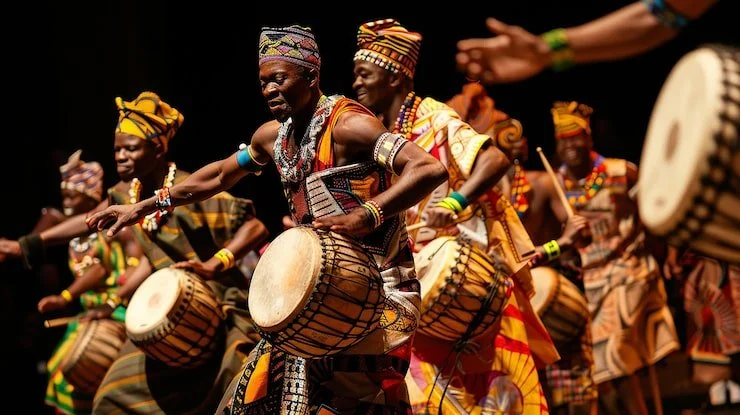
African music carries language through rhythm, movement, memory, and community.
Why Language Is the Heartbeat of African Music
African music has never been just entertainment.
For centuries, songs preserved history, taught values, celebrated milestones, and connected communities. Many traditions relied on oral storytelling long before written records became widespread.
That legacy continues today.
Modern artists often switch between local, national, and global languages in the same song because it reflects how many Africans speak every day.
Understanding those languages adds another layer to the music.
Afrobeats: Yoruba, Nigerian Pidgin, English, and More
Afrobeats is one of Africa's biggest cultural exports.
Although many of its best-known artists are Yoruba, the genre is multilingual by nature. Songs often blend Yoruba, Nigerian Pidgin, English, Igbo, and sometimes Hausa, reflecting Nigeria's linguistic diversity.
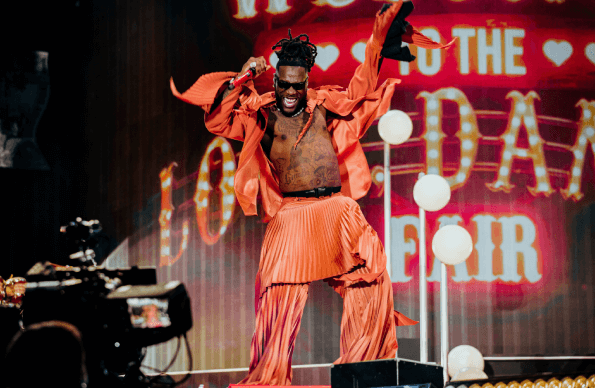
Credit: Queen Elizabeth Olympic Park / London Stadium
Afrobeats carries Yoruba, Nigerian Pidgin, English, and other Nigerian languages onto global stages.
Artists such as Burna Boy, Wizkid, Asake, Olamide, Fireboy DML, and Davido frequently move between these languages in a single song.
Yoruba contributes rich proverbs, praise names, and rhythmic speech, while Nigerian Pidgin adds everyday accessibility. Together, they create the distinctive sound that has helped Afrobeats reach listeners around the world.
Highlife: Twi and the Sound of Ghana
Long before Afrobeats became a global phenomenon, Highlife introduced West African music to international audiences.
Originating in Ghana, Highlife is closely associated with Twi, one of the major Akan languages, alongside English.
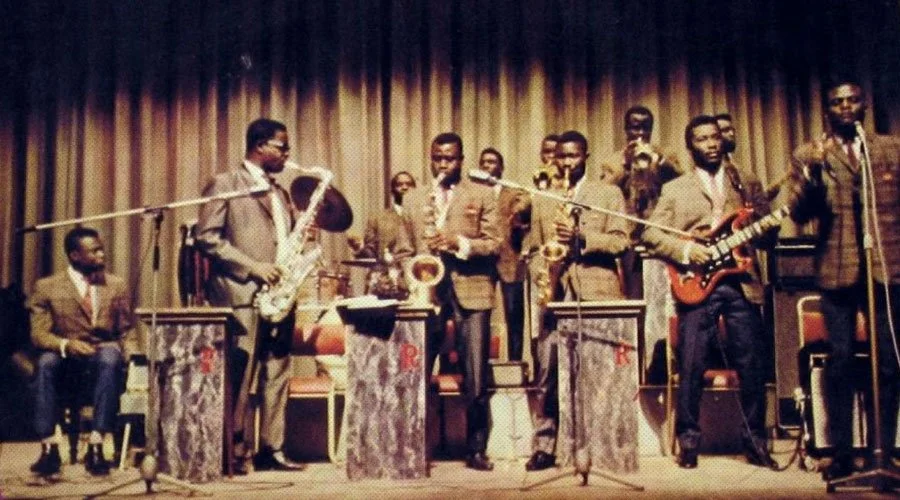
Credit: Band on the Wall
Highlife emerged from Ghana's dance halls, where Twi storytelling and lively rhythms helped shape one of West Africa's most enduring musical traditions.
Artists use Twi to sing about love, family, faith, resilience, and community. The language's expressive storytelling remains central to both classic Highlife and many modern Ghanaian Afro-fusion songs.
Learning a few Twi phrases reveals the cultural meaning behind lyrics that might otherwise sound simple.
Bongo Flava: Swahili Across East Africa
Few music genres are as closely tied to one language as Bongo Flava is to Swahili.
Born in Tanzania, Bongo Flava blends hip-hop, R&B, reggae, and traditional East African influences. Because Swahili is widely spoken across East Africa, the genre reaches audiences in Kenya, Uganda, Rwanda, Burundi, the Democratic Republic of Congo, and beyond.
Its lyrics often explore love, ambition, family, faith, and social issues through everyday language that feels familiar to millions of listeners.
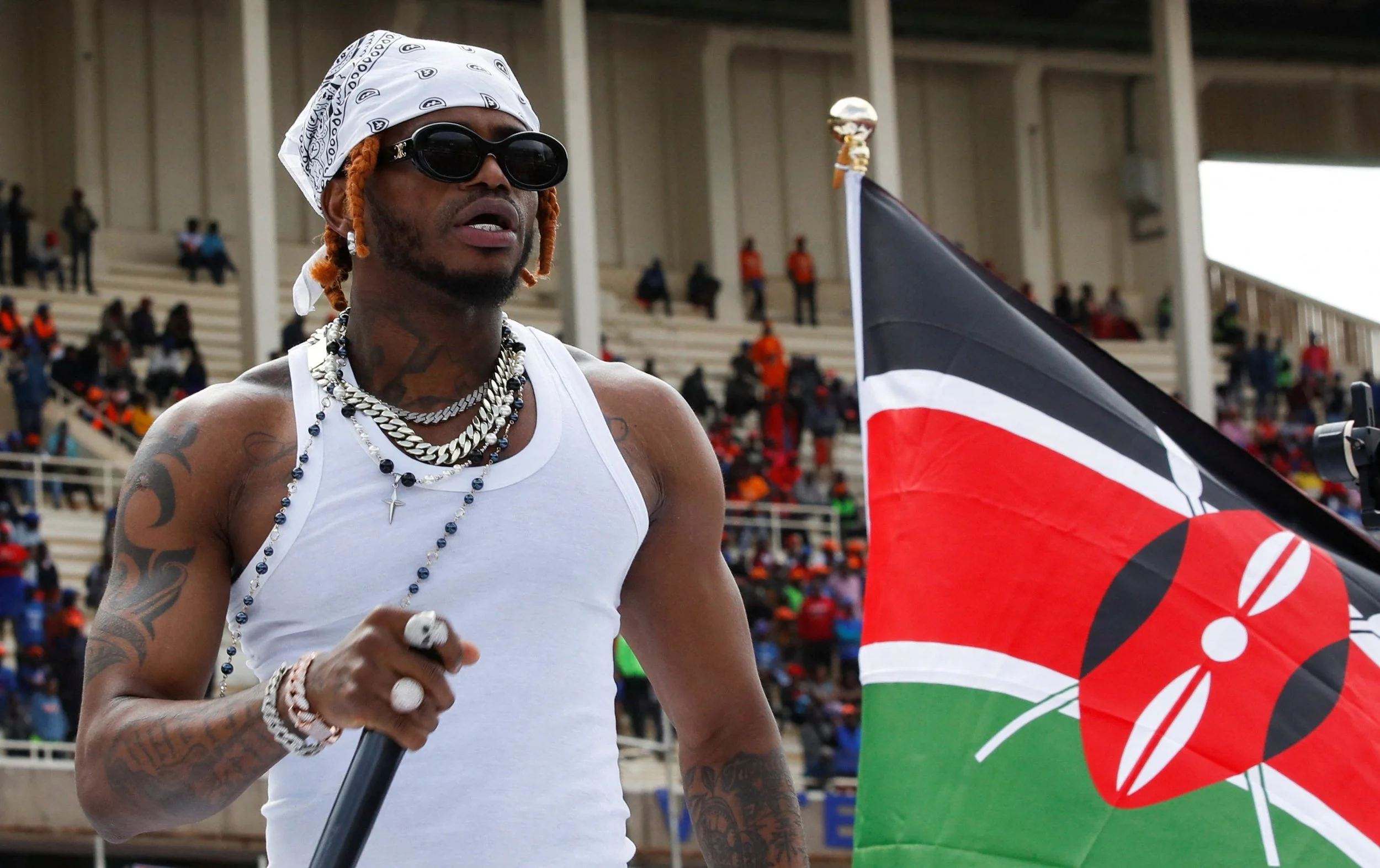
Credit: The Africa Report / REUTERS/Monicah Mwangi
Diamond Platnumz has helped introduce Swahili-language music to audiences across Africa and beyond through the global success of Bongo Flava.
Soukous and Congolese Rumba: The Power of Lingala
If one language has become synonymous with African dance music, it is Lingala.
Lingala rose to prominence through Congolese rumba before becoming the defining language of Soukous, one of Africa's most influential music genres.
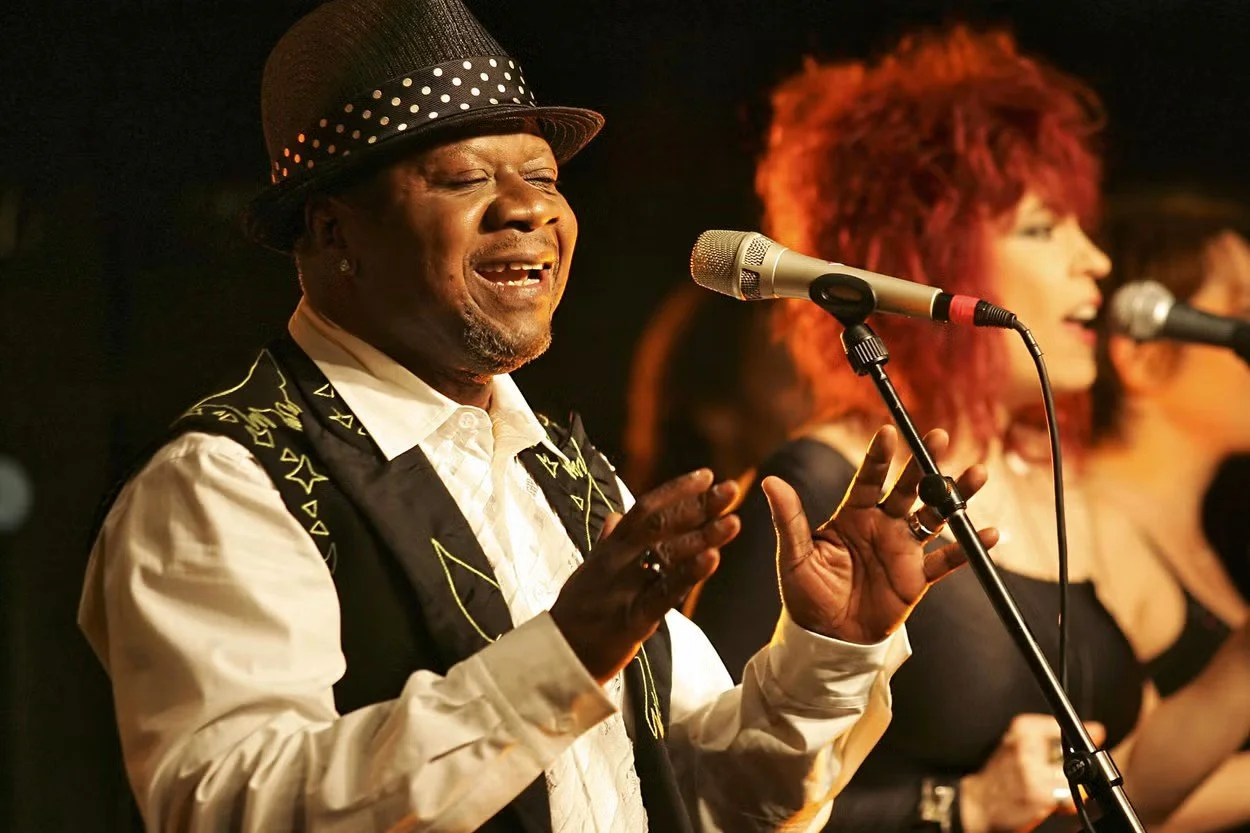
Credit: The Independent / AFP
Papa Wemba's music helped carry Lingala beyond the Democratic Republic of Congo, making it one of Africa's most recognizable musical languages
Artists including Franco Luambo, Papa Wemba, Koffi Olomidé, and Fally Ipupa helped introduce Lingala to audiences across the continent.
Even listeners who cannot translate every lyric often recognize its flowing rhythm and melodic quality.
Amapiano: South Africa's Multilingual Sound
Amapiano reflects the linguistic diversity of South Africa.
Rather than relying on one language, artists often move between Zulu, Xhosa, Sesotho, Setswana, English, and Tsotsitaal, an urban linguistic mix that draws from several South African languages.
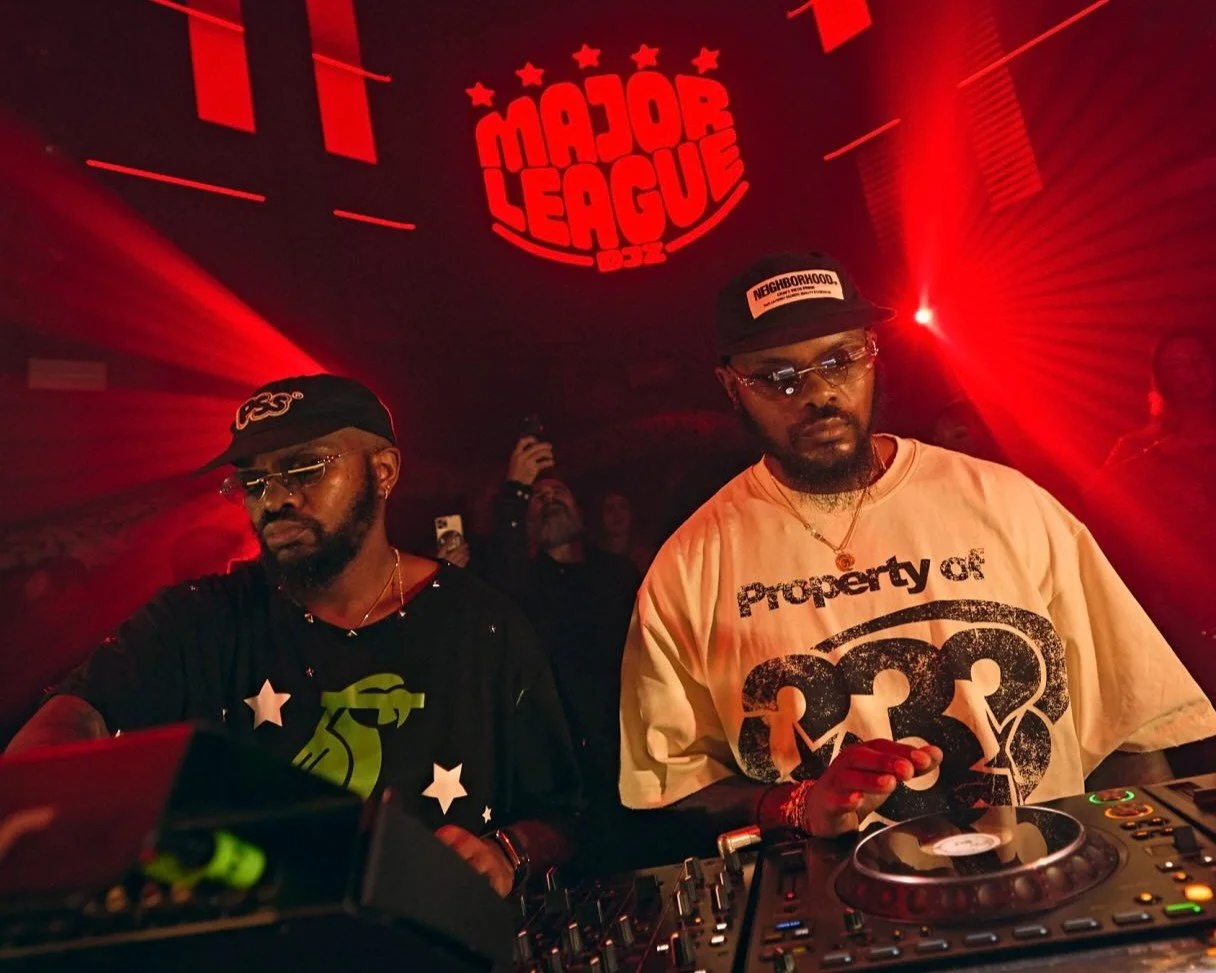
Credit: @majorleaguedjz via Instagram
Major League DJz embody Amapiano's multilingual spirit, where Zulu, Xhosa, Sesotho, English, and township slang meet on the dance floor.
This multilingual approach mirrors everyday conversations in many South African communities, where switching between languages is common.
It also gives Amapiano its unmistakable energy and authenticity.
Mbalax: Wolof and Senegal's Musical Identity
In Senegal, Mbalax and Wolof are deeply connected.
Traditional sabar drumming combines with modern instruments while lyrics celebrate family, community, spirituality, and social responsibility.
Artists such as Youssou N'Dour introduced Wolof to international audiences without leaving the language behind.
His success showed that music can travel the world while remaining rooted in local identity.
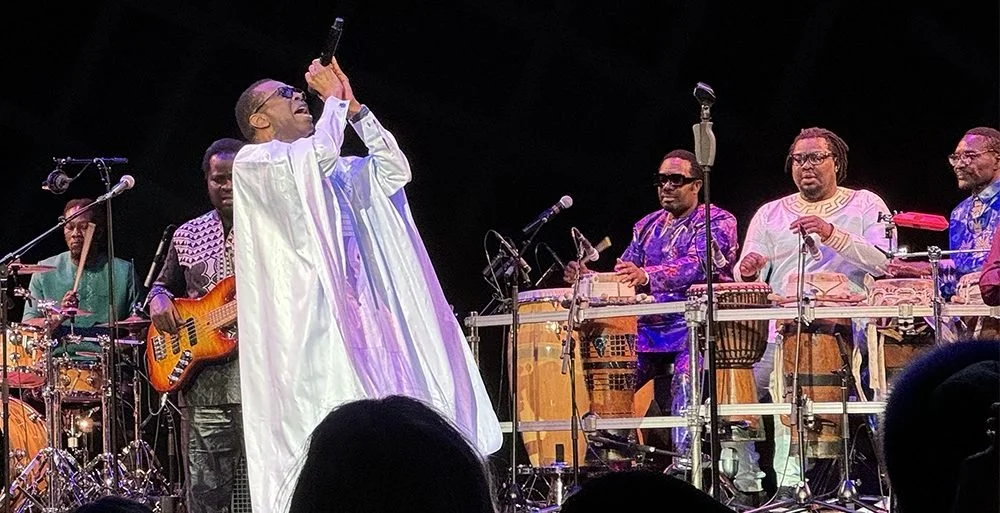
Credit: Morgan Greenstreet / Afropop Worldwide
Youssou N'Dour brought Wolof-language music to international audiences while keeping Mbalax deeply rooted in Senegalese culture.
Why Music Is One of the Best Ways to Learn a Language
Music teaches more than vocabulary.
It teaches pronunciation.
Rhythm. Emotion. Humor. Even cultural values.
You begin to recognize greetings, repeated expressions, family terms, and everyday conversations long before you become fluent.
For many heritage learners, music is also an emotional bridge. A familiar melody often becomes the first step toward reconnecting with a language that once felt distant.
FAQs
What languages are most common in African music?
Some of the most widely heard languages include Yoruba, Swahili, Lingala, Wolof, Twi, Zulu, Xhosa, Nigerian Pidgin, English, French, and Arabic. The exact mix depends on the genre and region.
What language is most common in Afrobeats?
Afrobeats often combines Yoruba, Nigerian Pidgin, and English, while many artists also include Igbo, Hausa, or other Nigerian languages.
Why is Lingala so important in African music?
Lingala became the defining language of Congolese rumba and Soukous, two genres that influenced musicians across Africa for decades.
Can music help you learn an African language?
Yes. Songs improve listening skills, pronunciation, vocabulary, and cultural understanding, making them one of the most enjoyable ways to begin learning.
Which African music genre is best for language learners?
There is no single answer. Bongo Flava is excellent for learning conversational Swahili; Highlife introduces learners to Twi; Soukous highlights Lingala, while Afrobeats exposes listeners to Yoruba, Nigerian Pidgin, and other Nigerian languages.
Conclusion
Africa's biggest music genres are more than sounds.
They are living expressions of language, history, and identity.
Every chorus carries the rhythm of a community. Every proverb reflects generations of wisdom. Every language adds another layer to the music millions of people enjoy every day.
The more you understand the language, the more you understand the story behind the song.
With NKENNE, you can learn African languages while exploring the music, history, and culture that give every lyric its meaning.
