
Why Peri-Peri Prawns Define Mozambican Coastal Cuisine
By: Chimdindu Ken-Anaukwu
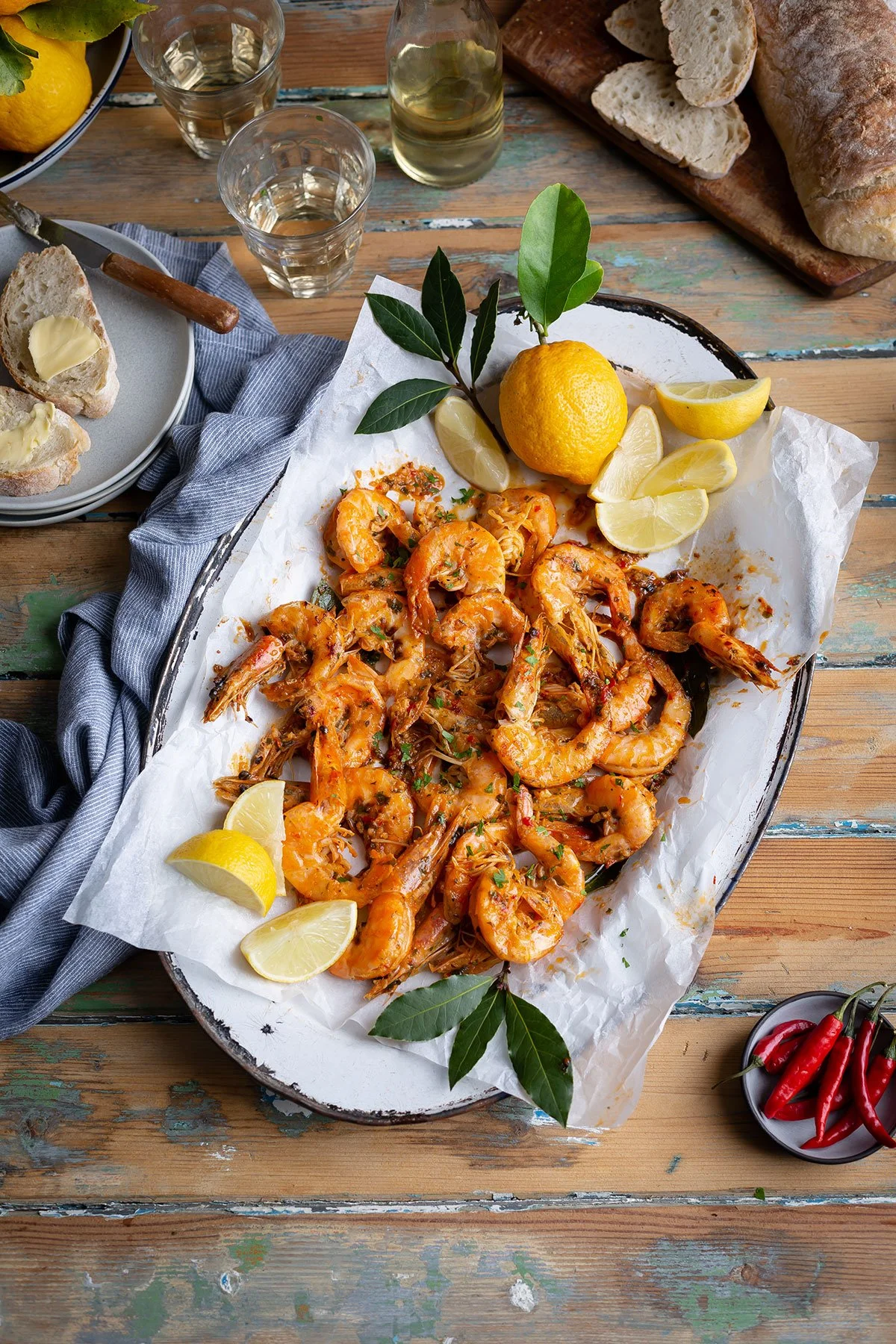
Peri-peri prawns combine fresh seafood from the Indian Ocean with bold African spices. The Portuguese introduced chilies from the Americas centuries ago. Local cooks adapted them into a fiery sauce that defines Mozambican grilling.
This dish is popular along the coast from Maputo to Inhambane. It reflects Mozambique's fusion of African heat, Portuguese techniques, and abundant ocean resources. People enjoy it at beach bars, family gatherings, and roadside spots.
The balance of spicy, garlicky, and citrus notes makes it addictive and perfect for sharing.
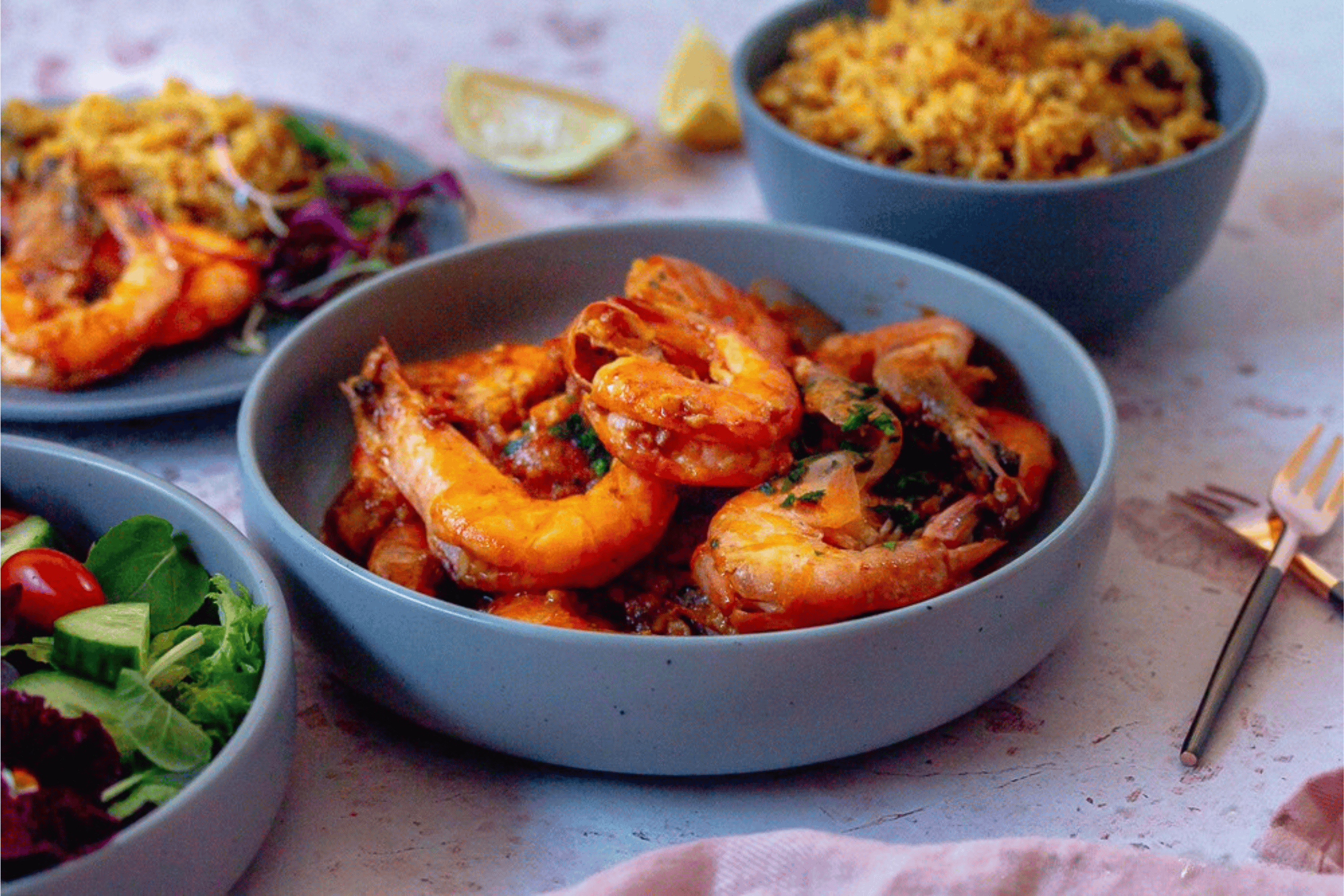
Why Peri-Peri Prawns Define Mozambican Coastal Cuisine
Peri-peri prawns combine fresh seafood from the Indian Ocean with bold African spices. The Portuguese introduced chilies from the Americas centuries ago. Local cooks adapted them into a fiery sauce that defines Mozambican grilling.
This dish is popular along the coast from Maputo to Inhambane. It reflects Mozambique's fusion of African heat, Portuguese techniques, and abundant ocean resources. People enjoy it at beach bars, family gatherings, and roadside spots.
The balance of spicy, garlicky, and citrus notes makes it addictive and perfect for sharing.
The Star Ingredient: African Bird's Eye Chilies
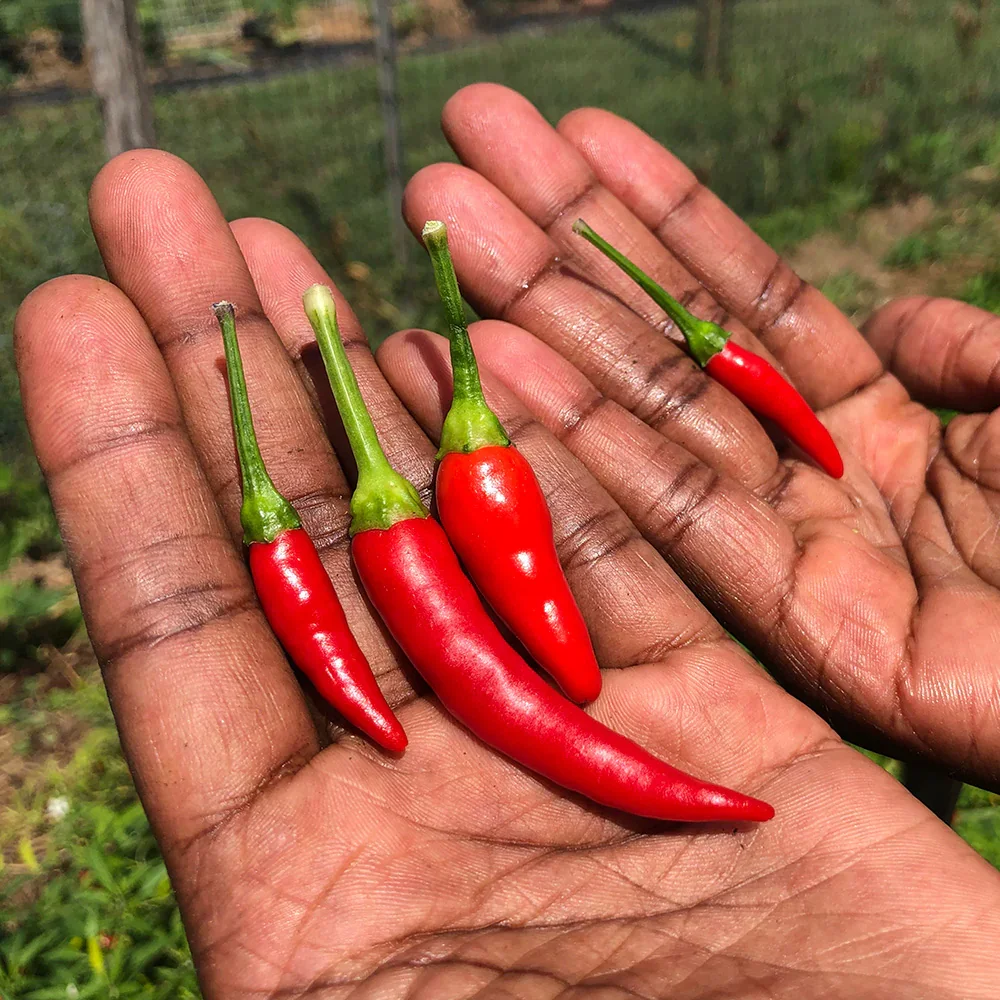
African bird's eye chilies (known locally as peri-peri or piri-piri) bring the signature heat. These small red chilies are intensely spicy yet fruity.
In Mozambique, cooks use fresh or dried versions for marinades. The heat level varies, so you can adjust to taste.
Peri-peri is more than spice. It carries cultural pride as a truly Mozambican flavor enhancer used on chicken, fish, and prawns alike.
Core Ingredients and Their Portuguese Names
Build your vocabulary while preparing the dish.
Camarão (prawns/shrimp): Fresh large prawns are best.
Pimenta peri-peri (African bird's eye chilies): The heat source.
Alho (garlic): Plenty for depth.
Limão (lemon or lime): For bright acidity.
Azeite (olive oil) or óleo (oil): To carry the flavors.
Cebola (onion): Sometimes added for sweetness.
Sal (salt) and pimenta (black pepper): To season.
Coentro or salsa (cilantro or parsley): For fresh finish.
These words help when shopping at Mozambican markets or talking about the recipe.
How to Make the Authentic Peri-Peri Marinade
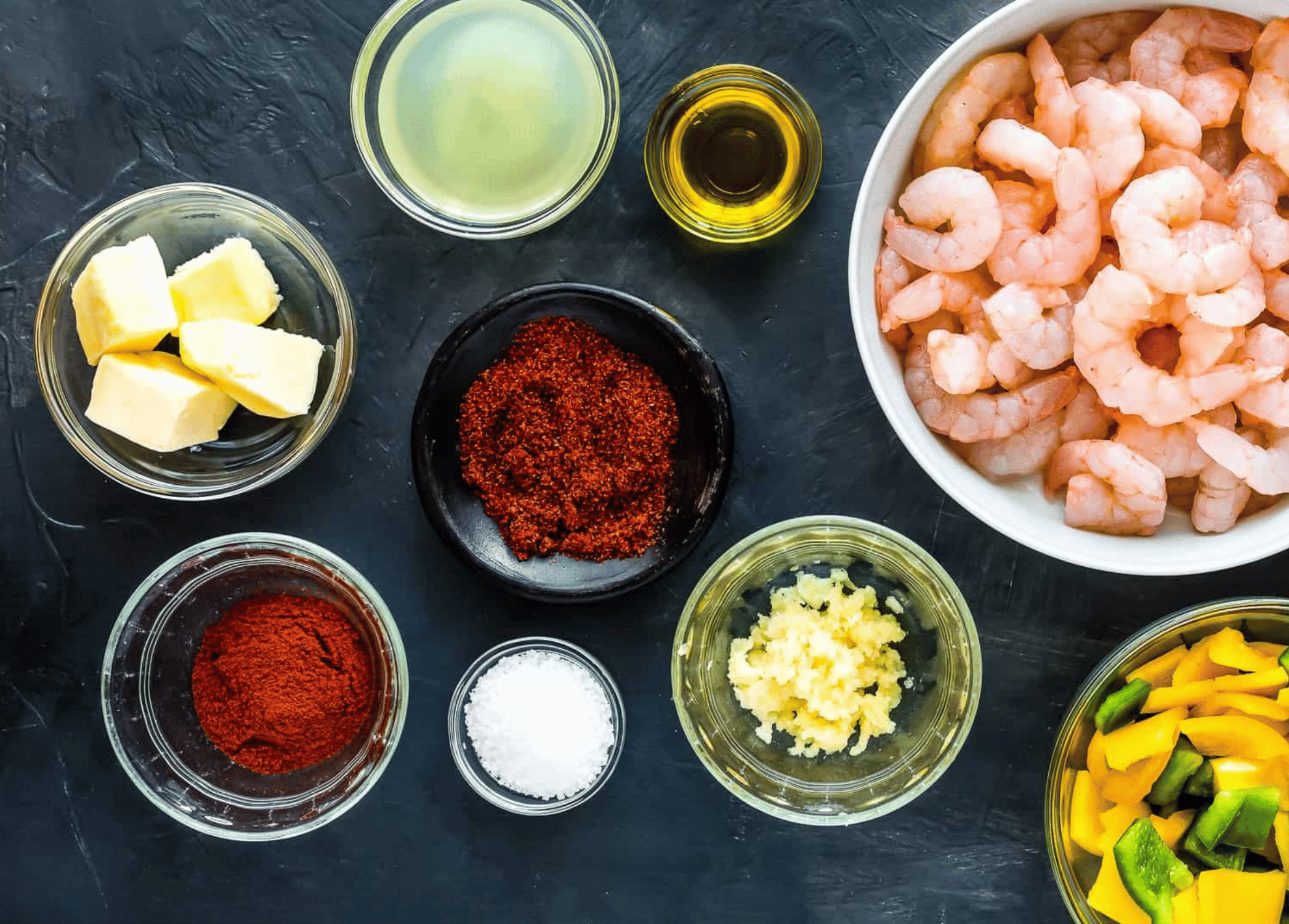
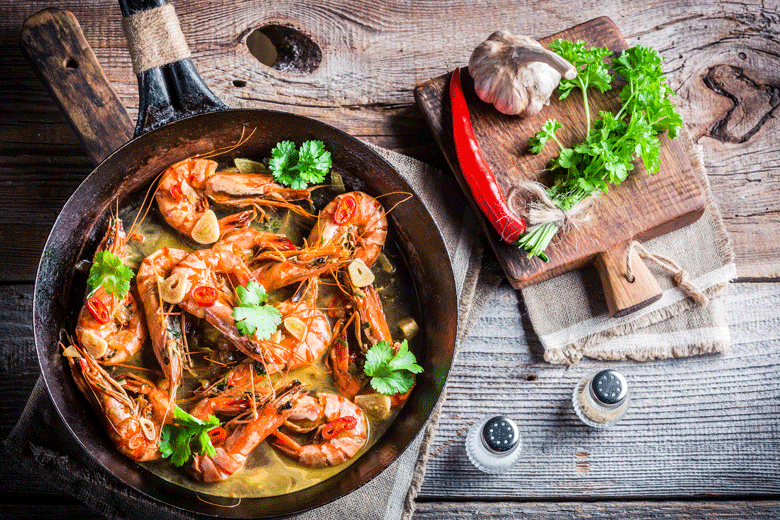
Blend the following for a classic marinade (enough for 1 kg of prawns):
8-10 fresh or dried peri-peri chilies (adjust for heat)
6 cloves of alho
Juice of 2 limão
4 tablespoons azeite
1 teaspoon sal
Optional: a small piece of cebola and fresh herbs
Blend everything into a smooth paste. Taste and adjust the chili level. The marinade should be vibrant red and fragrant.
Marinate the cleaned camarão for at least 30 minutes, or up to 2 hours in the fridge for stronger flavor.
Step-by-Step Grilling Guide
Preheat your grill or barbecue to medium-high heat.
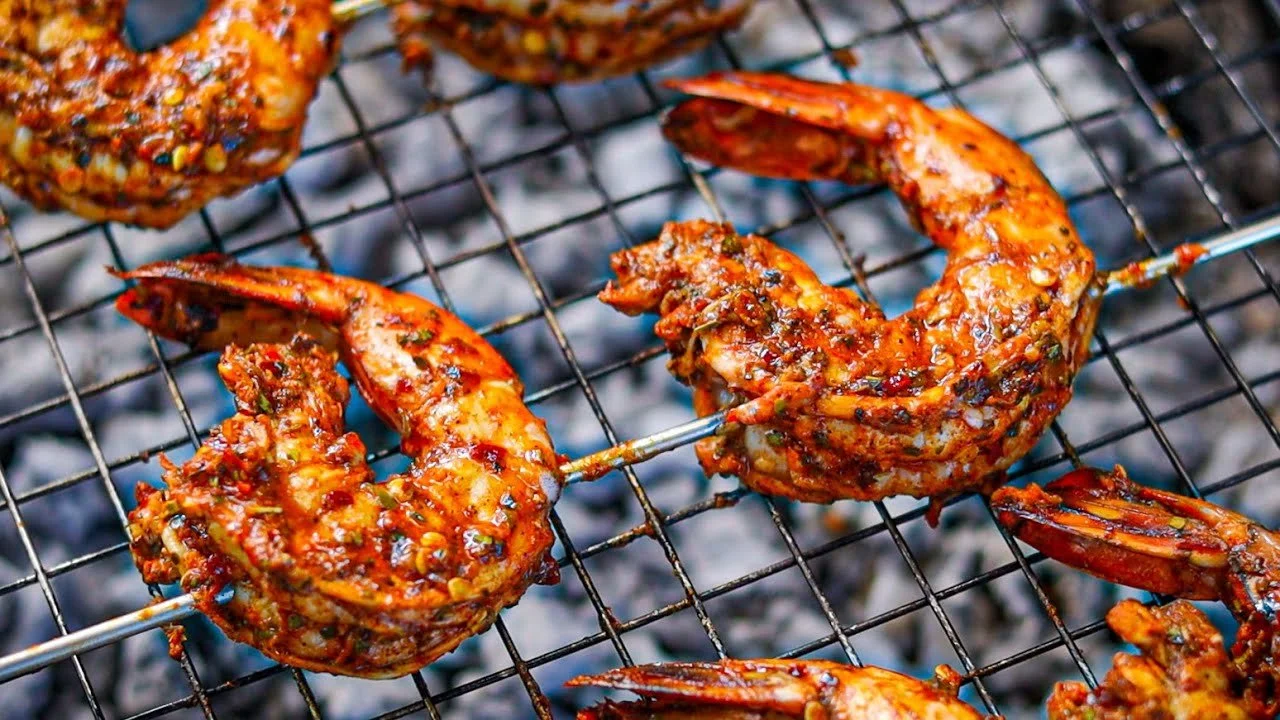
Thread the marinated prawns onto skewers or place directly on a grill basket.
Grill for 2-3 minutes per side until they turn pink and slightly charred.
Brush with extra marinade while grilling for maximum flavor.
Remove when just cooked through to keep them juicy.
Serve immediately with lemon wedges. The quick cooking keeps the prawns tender while the peri-peri caramelizes beautifully.
Beachside Stories from Inhambane
Inhambane, known for its calm bays and friendly fishing communities, is a peri-peri prawn paradise. Fishermen bring in the day's catch at dawn. Families set up small grills on the sand by afternoon.
Locals share stories while turning prawns. One common tale involves fishermen grilling the catch right on the beach after a good day at sea. Tourists join in, learning to handle the heat with cold beer or coconut water.
The combination of ocean breeze, spicy aroma, and laughter creates unforgettable evenings. This scene repeats across Mozambique's coastline, turning simple grilling into a social ritual.
Serving Suggestions and Modern Twists
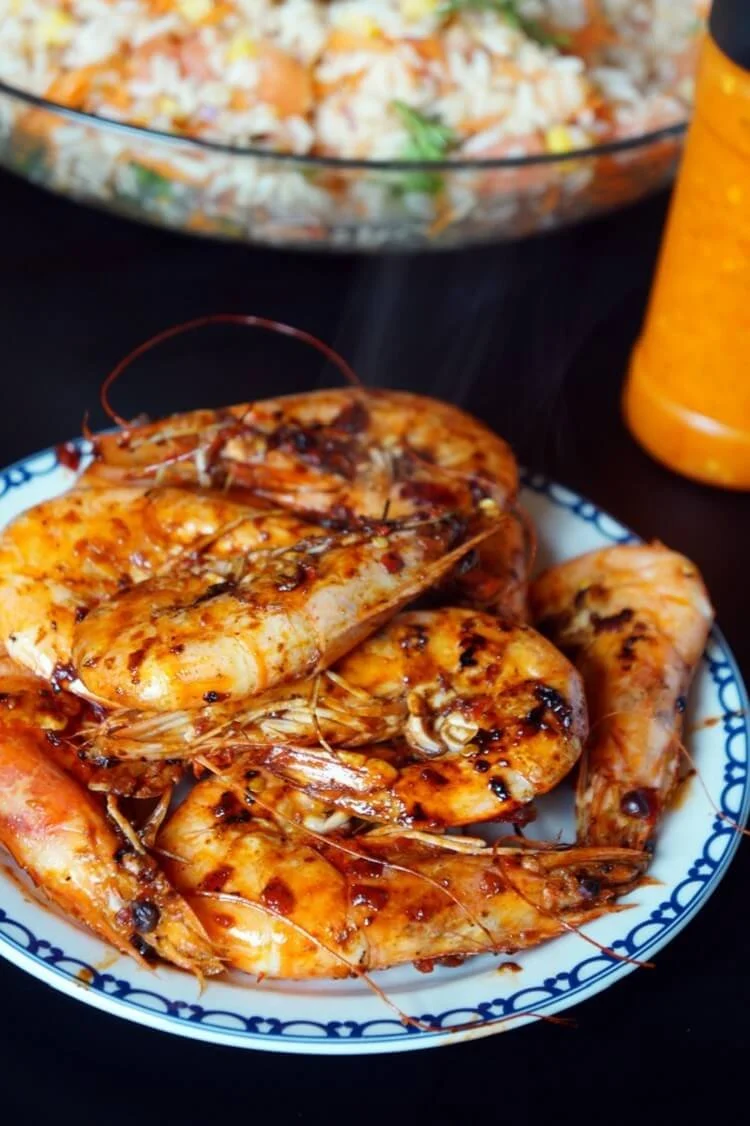
Serve grilled peri-peri prawns with arroz (rice), xima (maize porridge), or a fresh salad. Many add a side of pão (bread) to soak up the sauce.
Modern twists include adding coconut milk for creaminess or honey for sweetness. In urban areas, people serve them in tacos or bowls for a fusion touch.
The key stays the same: bold peri-peri flavor balanced with fresh seafood.
FAQs
What makes Mozambique's peri-peri different?
It uses African bird's eye chilies with local spices and citrus for a bright, fiery taste that differs from other hot sauces.
How spicy are peri-peri prawns?
They can be very hot. Start with fewer chilies and increase as you build tolerance.
Can I make this without a grill?
Yes. Use a hot cast-iron skillet or oven broiler for similar charred results.
What Portuguese words should I know for this recipe?
Camarão (prawns), pimenta peri-peri (chilies), alho (garlic), and limão (lemon).
Is this dish only for special occasions?
No. It appears at everyday beach meals as well as celebrations along the Mozambican coast.
How does this connect to learning Mozambican Portuguese?
Cooking introduces food vocabulary and phrases used in markets and social settings.
Final Thoughts
Grilled prawns with peri-peri showcase Mozambique's love for bold flavors and fresh seafood. The spicy marinade, rooted in African bird's eye chilies, turns a simple meal into something memorable. From Inhambane beaches to your own table, this dish brings people together through heat and hospitality.
You now have the knowledge and vocabulary to recreate this coastal classic. It is a tasty way to connect with Lusophone African culture.
Ready to explore more Mozambican recipes, language, and stories? Join NKENNE for practical lessons that bring flavors and words to life. Let's grill, taste, and learn together.