
Mafé (Maafé): Senegal's Creamy Peanut Stew
By: Chimdindu Ken-Anaukwu
Few dishes capture the warmth of Senegalese home cooking like mafé. This rich peanut butter sauce wraps tender meat and hearty root vegetables in velvety, nutty layers that feel like a hug from the inside out. Known across West Africa but deeply rooted in Wolof traditions, mafé turns simple ingredients into something soul-satisfying. In this guide, you'll get an authentic recipe, step-by-step instructions, cultural context, and tips to make it your own whether with beef, chicken, fish, or veggies.
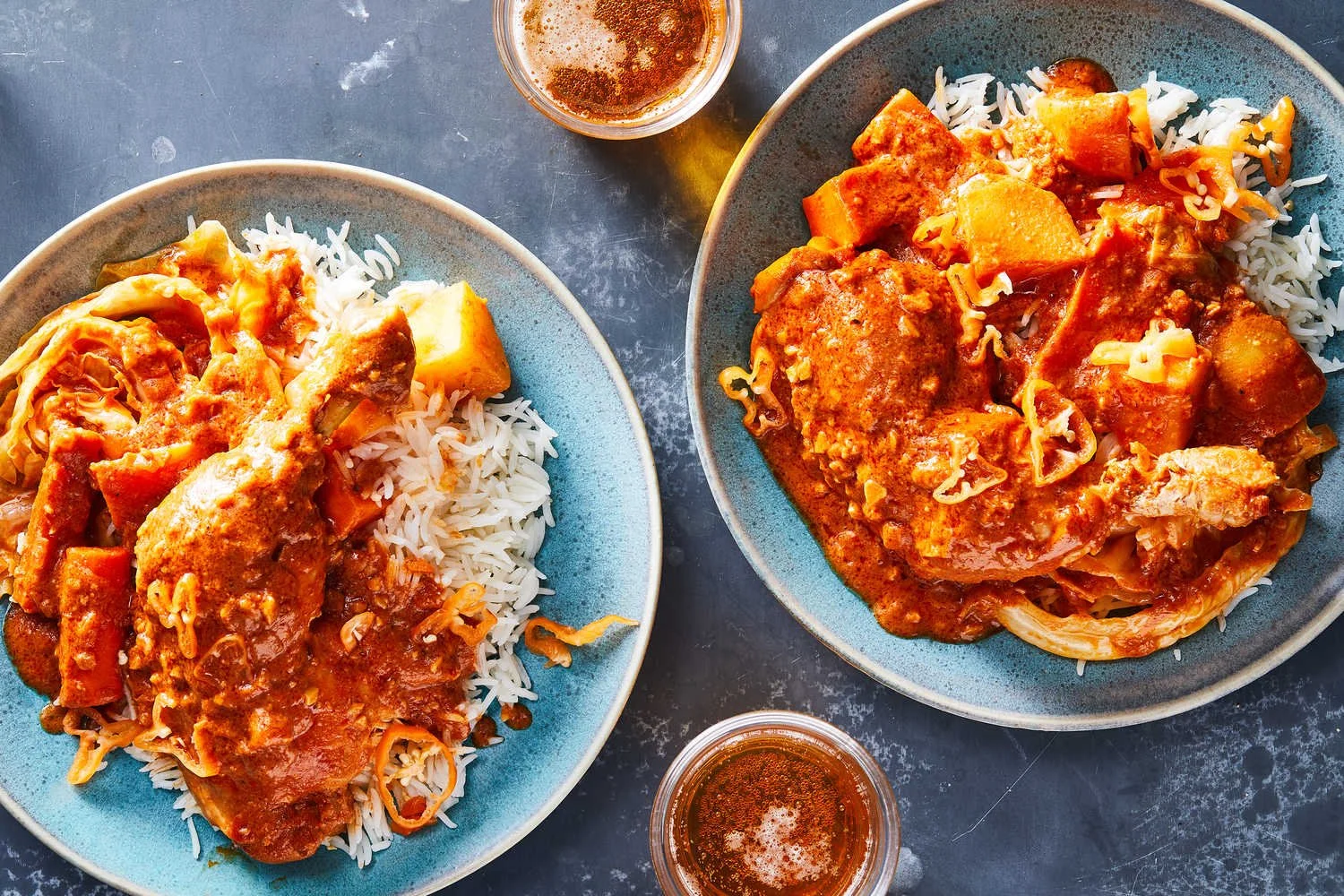
What Makes Mafé So Special in Wolof Culture
Mafé (also spelled maafé or maffe) is a staple across Senegal, Mali, and Gambia, but in Wolof communities it embodies teranga — that deep hospitality where food brings people together. Families gather around a shared bowl, scooping sauce and veggies with rice, turning meals into moments of connection.
Peanuts arrived in West Africa via colonial trade in the 17th century and quickly became central to Senegalese cooking. Mafé reflects this history: a blend of local roots (cassava, sweet potato) with introduced flavors (peanut butter, tomato paste), simmered low and slow for depth.
It's everyday comfort but also shows up at celebrations. The creamy sauce balances nutty richness with tomato tang and gentle heat — no wonder it's called soul-warming.
Key Ingredients for Authentic Senegalese Mafé
Gather these for the real deal (serves 6–8):
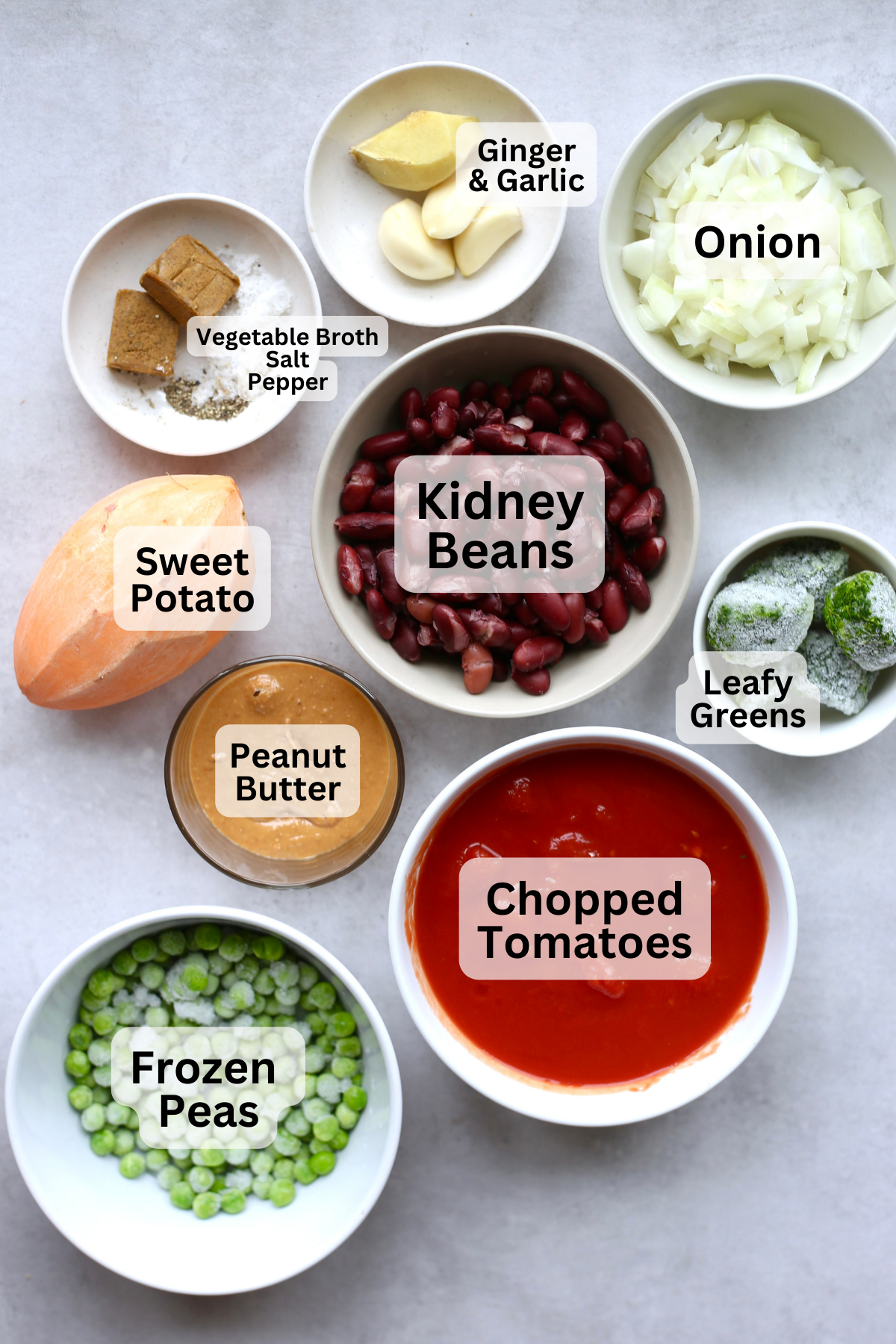
2 lbs beef stew meat (or chicken thighs, lamb, or firm fish like snapper)
½–¾ cup smooth natural peanut butter (unsweetened)
1 large onion, diced
4 garlic cloves, minced
1-inch ginger, grated
3–4 tbsp tomato paste
2–3 cups beef or chicken stock (or water)
Root veggies: 4 carrots (sliced), 2 sweet potatoes or yams (cubed), 2 potatoes (cubed), optional cabbage or okra
Spices: 1 tsp thyme, 1 bay leaf, ½–1 tsp cayenne or chili flakes, salt, black pepper
2–3 tbsp oil (peanut or neutral)
Optional: Scotch bonnet pepper for heat
Peanut butter is the star; use natural for best flavor. Veggies add sweetness and texture.
Fresh ingredients ready for mafé: meat, root veggies, onions, tomatoes, and peanut butter base.
Step-by-Step Recipe: Classic Beef Mafé
Prep the meat Season beef chunks with salt and pepper. Heat oil in a large pot over medium-high. Brown meat in batches (5–7 minutes). Remove and set aside.
Build the base In the same pot, add onion, garlic, and ginger. Sauté 4–5 minutes until soft. Stir in tomato paste; cook 2–3 minutes to deepen color.
Simmer the sauce Return meat to pot. Add stock, thyme, bay leaf, cayenne, and salt. Bring to boil, then reduce to low simmer. Cover and cook 45–60 minutes until meat tenderizes.
Add peanut butter and veggies Whisk peanut butter with a cup of hot broth until smooth, then stir into pot. Add carrots, potatoes, sweet potatoes. Simmer uncovered 20–30 minutes until veggies soften and sauce thickens. Adjust seasoning; it should be nutty, tangy, mildly spicy.
Rest and serve Let sit 10 minutes off heat. Serve over rice, scooping generous sauce.
Total time: About 2 hours, mostly hands-off simmering.
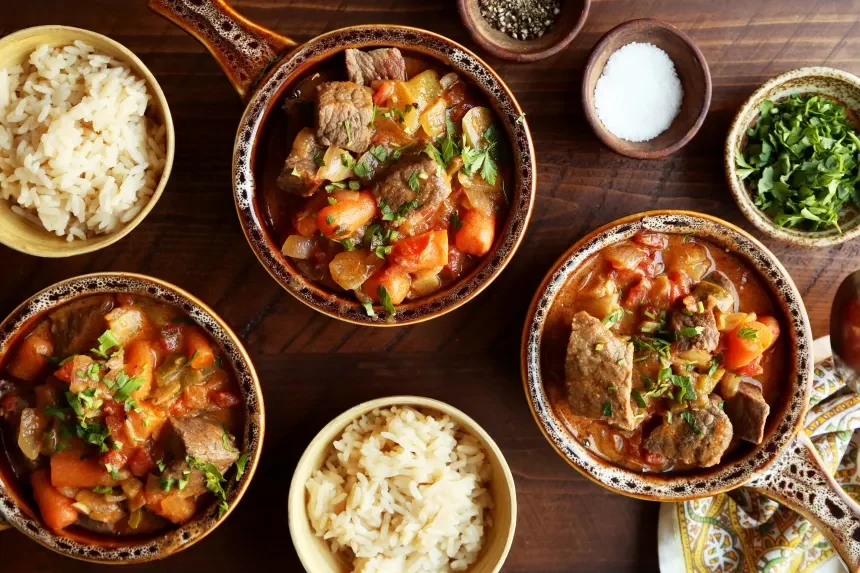
A simmering pot of mafé captures the rich, aromatic process with visible chunks and glossy sauce.
Variations: Chicken, Fish, or Vegan Versions
Chicken mafé: Use bone-in thighs for extra flavor; reduce meat cook time to 30–40 minutes.
Fish mafé: Add firm white fish in last 15 minutes to avoid overcooking.
Vegan mafé: Skip meat, use vegetable stock, add extra veggies (eggplant, cabbage). Boost with mushrooms for umami.
All versions stay true to the creamy peanut core.
Serving Tips and Cultural Notes
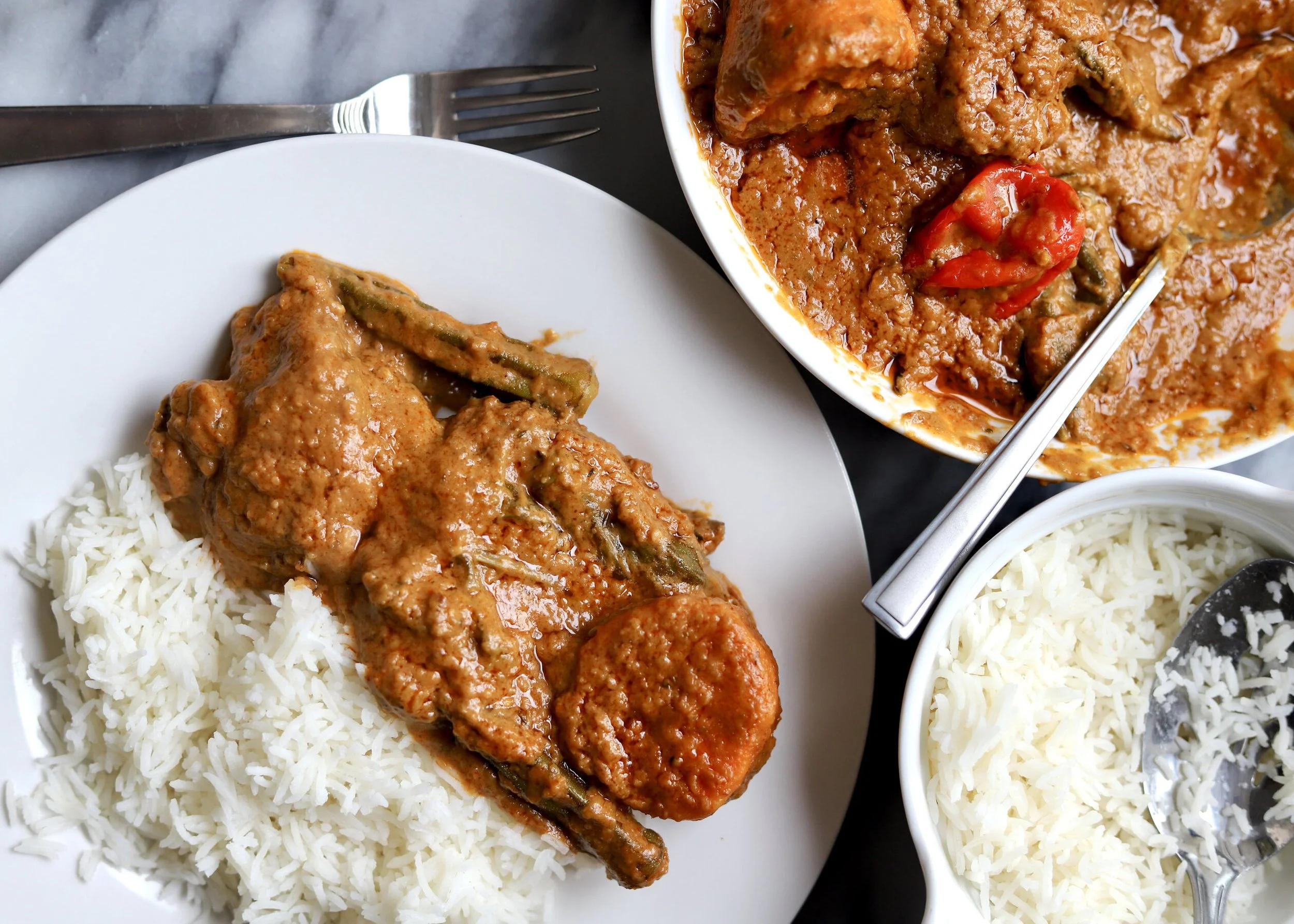
Plate family-style: mound rice in a large bowl or platter, ladle mafé over top. Eat with hands or a spoon, right hand only in traditional settings.
Pair with attiéké (cassava couscous) or plain white rice. Add a side of sosa kaani (chili sauce) for heat.
In Wolof homes, the person serving often ensures everyone gets a fair share – a small act of teranga.
Communal eating scene reflects how mafé brings people together around one shared dish.
Common Questions About Mafé
Is mafé the same as groundnut stew?
Yes, groundnut is another name for peanut. Mafé is the Wolof/Senegalese version, often richer with tomato.
Can I make mafé ahead of time?
Absolutely. It tastes better the next day as flavors meld. Reheat gently, adding stock if it thickens too much.
How spicy is traditional mafé?
Mild to medium. Adjust cayenne or add Scotch bonnet for more heat; many keep it gentle for family meals.
What's the best peanut butter for mafé?
Natural, unsweetened smooth. Avoid brands with added sugar or oils that alter the savory profile.
Is mafé gluten-free?
Yes, naturally. Just serve with gluten-free rice or sides.
Why is peanut butter used in Senegalese cooking?
Peanuts became a staple after introduction in the 1600s, turning into sauces that add creaminess without dairy.
Wrapping Up: Bring a Piece of Senegal Home
Mafé isn't just food; it's comfort wrapped in history, a dish that warms bodies and builds bonds. Mastering it connects you to Wolof kitchens where every spoonful carries stories of resilience and shared joy.
Try this recipe soon; the first bite will show why it's Senegal's ultimate comfort food. Ready to explore more? NKENNE's Wolof courses pair language lessons with cultural deep dives like this; start speaking and cooking with confidence today.