
Buraanbur: Somali Women’s Powerful Wedding Poetry
By: Chimdindu Ken-Anaukwu
Somali weddings feel electric when the drums start. Women step forward, voices rise in rhythmic verse, and the room fills with ululation and movement. This is buraanbur: a centuries-old art form created and led by women. It turns celebrations into displays of strength, wisdom, and unbreakable bonds.
In this guide, we explore what buraanbur really is, how it works, and why it remains one of the most powerful expressions of Somali women’s voices today.
What Is Buraanbur?
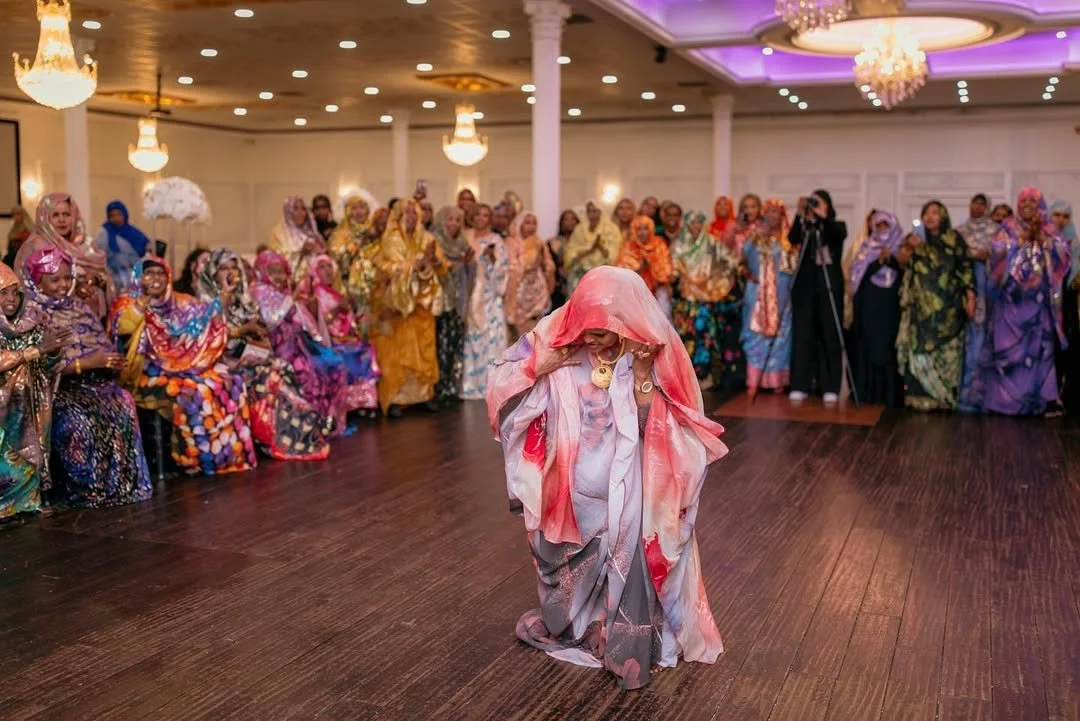
Buraanbur is a form of Somali women’s poetry performed almost exclusively at weddings and major celebrations.
Unlike the more formal gabay or geeraar recited by men, buraanbur is lively, communal, and deeply feminine. It is delivered in a call-and-response style, often by a lead poet (called the buraanbur or hees-yaqaan) and answered by a group of women.
The name itself comes from the word for “drumming” and reflects the inseparable link between the poetry and percussion.

How Buraanbur Is Performed
A typical performance begins when women gather in a circle or semicircle.
The lead poet starts with a line or short verse. The group responds with a repeated refrain or chorus.
Handclaps, swaying, and shoulder-shaking often accompany the rhythm. As the energy builds, the lead poet improvises new verses while keeping the meter and rhyme tight.
Performances can last from twenty minutes to several hours, especially during long wedding celebrations.
Themes and Messages in Buraanbur
Buraanbur covers a wide range of topics, always delivered with purpose:
Praise for the bride, groom, and their families
Honoring clan lineage and unity
Advice to the couple about marriage and respect
Gentle (or sharp) humor about in-laws or wedding logistics
Reminders of cultural values like hospitality and generosity
Blessings for fertility, prosperity, and long life
The poetry is direct and often very personal. It can tease, encourage, or lovingly correct, all in front of the entire gathering.
The Role of Drums and Ululation
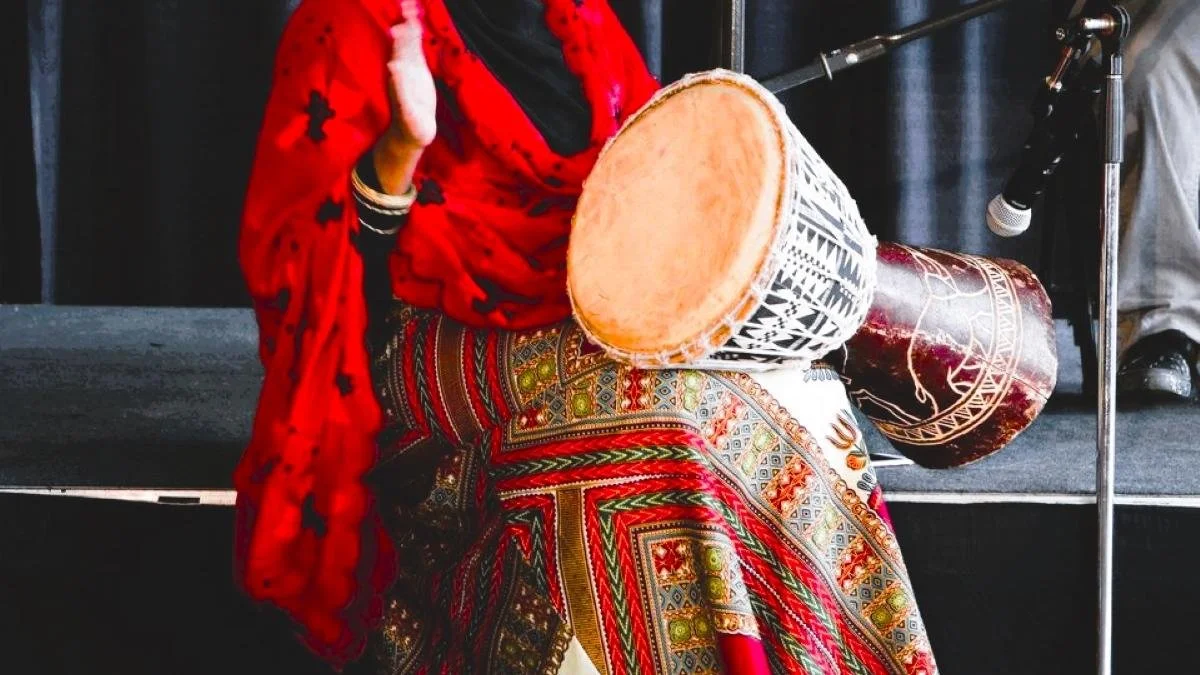
The frame drum (called chapua or tambourine-style drum) sets the tempo. Women play it with open hands, creating sharp, driving rhythms.
Ululation, the high, trilling sound called 'gacal' or 'dhawaaq', is used to punctuate strong lines, show approval, or raise the emotional temperature.
Together, these elements turn a performance into something physical and collective. You don’t just hear buraanbur. You feel it.
Buraanbur in the Digital Age
Today, buraanbur is no longer limited to physical wedding venues.
Short clips of powerful verses or full performances regularly appear on TikTok, Instagram, and YouTube. Somali women in the diaspora record sessions at home, in community halls, or during virtual celebrations.
These videos often go viral within Somali networks, spreading both traditional lines and newly composed verses that speak to modern life; migration, education, and changing gender roles.
The art form is adapting without losing its core power.
Why Buraanbur Matters Today
Buraanbur gives Somali women a public platform to speak with authority, humor, and wisdom.
In a culture famous for its oral tradition, it proves that women’s voices have always held equal weight, just in a different register.
It strengthens social bonds, transmits values across generations, and keeps the Somali language vibrant and expressive.
In an age of rapid change, buraanbur remains a space where tradition and creativity meet.

FAQ
Who can perform buraanbur?
Mainly women, though men sometimes join the chorus or play drums. The lead poet is almost always female.
Is buraanbur only for weddings?
No. It also appears at naming ceremonies, graduations, and major community events, but weddings are the classic setting.
Do you need training to compose buraanbur?
Many women learn by listening and participating from childhood. Skilled poets often develop the ability naturally through practice.
Is buraanbur the same across all Somali regions?
The style is similar, but wording, rhythm, and local references can vary slightly between northern, southern, and diaspora communities.
Can non-Somali people learn buraanbur?
Yes. The rhythm and basic call-response structure can be learned, though full cultural fluency takes time and immersion.
How is buraanbur different from gabay?
Gabay is more formal, often composed by men, and focuses on serious topics like politics or history. Buraanbur is lighter, communal, and celebration-focused.
Buraanbur shows the world that Somali women have always used poetry as power, joy, and connection.
It’s a reminder that some traditions don’t just survive; they thrive, adapt, and continue to speak loudly.
Want to hear real buraanbur performances and learn key Somali phrases used in celebrations? Explore more on the NKENNE app. The language and culture are waiting for you.