
Libanga: Why Congolese Songs Shout Out Names Mid-Track
By: Yvonne Mag-usara
You are following a Congolese song when the singer suddenly calls someone’s name. Then another. The guitars continue, and the names become part of the performance.
Those moments may be examples of libanga, a practice that connects music with recognition, friendship, and financial support. Understanding it changes how you hear a song: a name can point toward a real relationship beyond the recording.
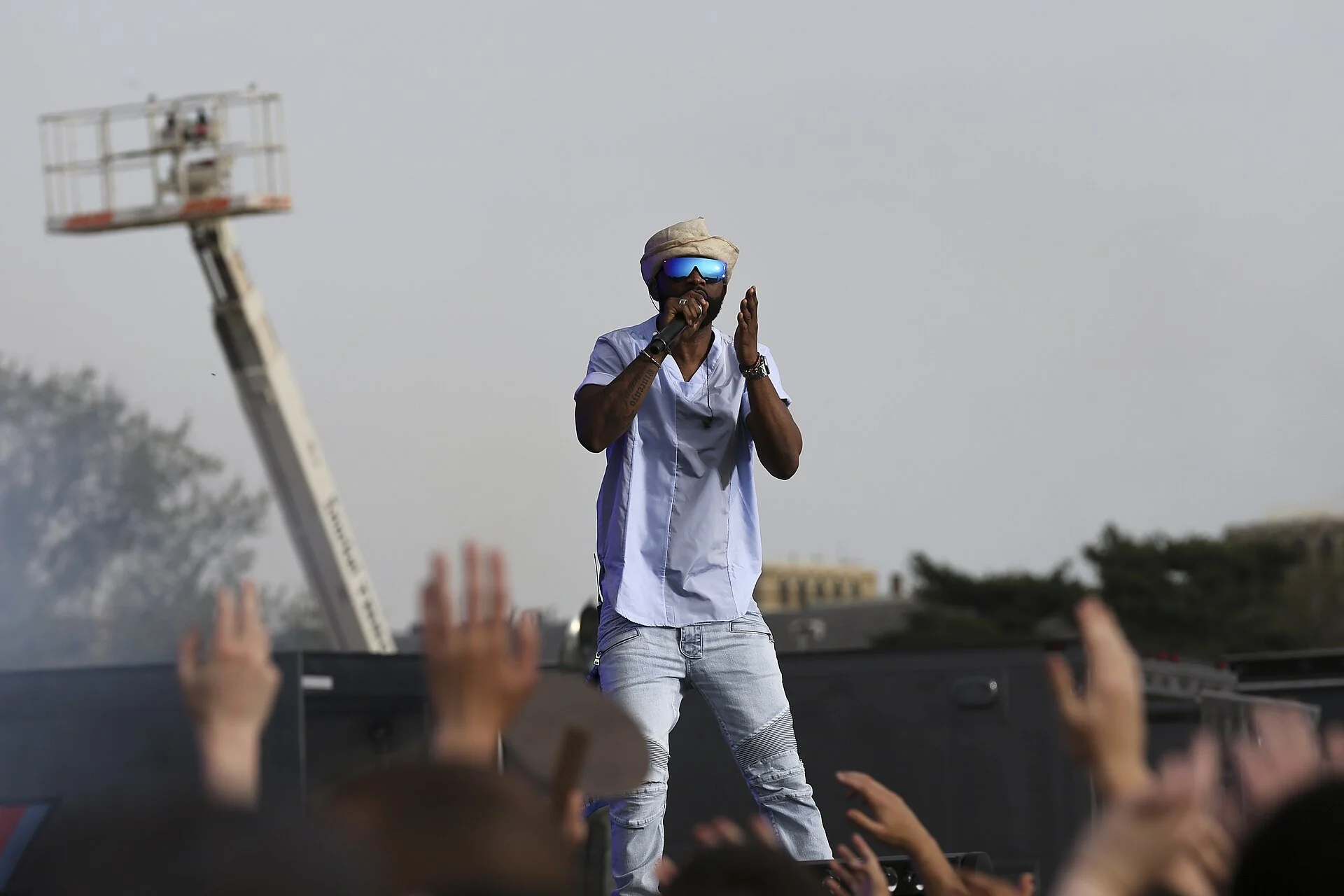
Credit: Lorie Shaull / Wikimedia Commons, CC BY-SA 2.0
Fally Ipupa performs at Global Citizen Earth Day in 2015, bringing Congolese popular music to an international stage.
What Is Libanga in Congolese Music?
In Congolese popular music, libanga refers to naming or praising someone within a performance or recording. The plural is mabanga. Such mentions can acknowledge supporters or form part of a patronage arrangement, where someone provides resources in exchange for public recognition.
In its everyday meaning, libanga is a stone or pebble. The expression kobwaka libanga, literally “to throw a stone,” is also used to describe giving someone a musical mention.
The article’s title says “shout out,” but the delivery can be gentler than that. A name may be spoken, chanted, or woven into a sung line.
Not every name you hear represents a payment. In a 2019 Afropop Worldwide interview, Fally Ipupa emphasized that dedications also recognize friends, family, and members of an artist’s team.
Why Having Your Name in a Song Matters
Recognition That Travels
A recorded name can reach people who have never met its owner.
Research on Congolese diaspora patronage describes migrants sponsoring musicians so their names would circulate back in Kinshasa. A mention in a popular recording could make someone living abroad recognizable at home. The song connected physical distance with public presence.
Imagine hearing your name in a recording played at family gatherings, in bars, or by people in your old neighborhood. The appeal involves being remembered as well as being heard.
Support Behind the Recording
Musicians need resources to rehearse, record, and perform. Patronage can provide support when income from selling recordings is unreliable.
Anthropologist Bob W. White distinguishes longstanding mentions of friends and fellow musicians from the increasingly commercial use of names, which became particularly prominent during the 1990s. His research also records disagreement among listeners about how much space dedications should occupy.
That creates a tension. A dedication can help sustain music while raising questions about whose money earns attention. Appreciating the practice does not require assuming that every person praised deserves the praise.
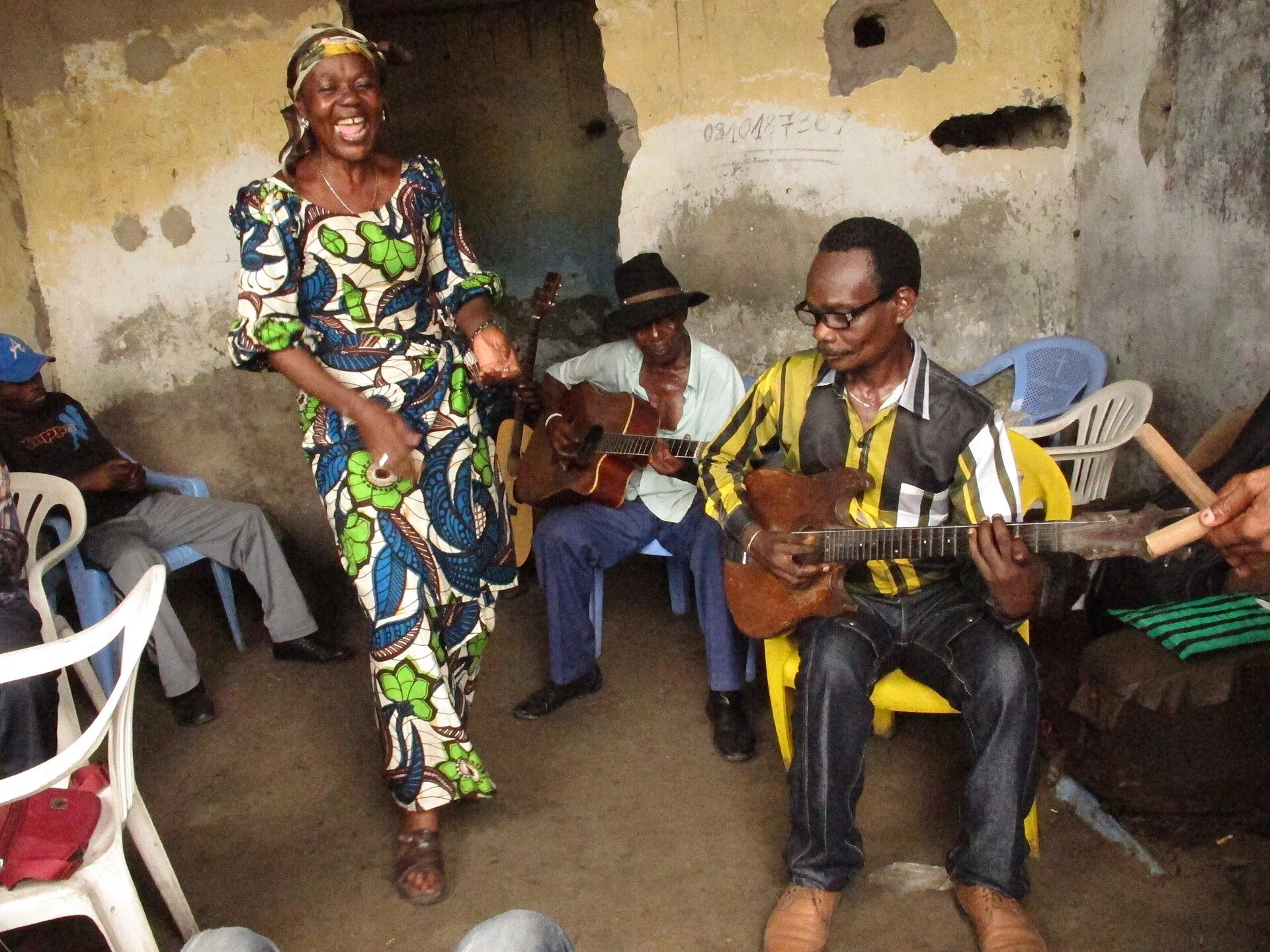
Credit: Jeanne Vu Van / Wikimedia Commons, CC BY-SA 4.0
Bakolo Music International rehearses in Kinshasa in 2014, showing the collective musicianship behind Congolese rumba.
How Names Become Part of the Music
Libanga works through timing, repetition, and vocal delivery. A performer has to make a name sit within the music.
An important related figure is the atalaku, a vocal animator who energizes performances through calls, chants, and dance prompts. The role became prominent through groups such as Zaiko Langa Langa in the early 1980s. However, an atalaku’s work includes much more than naming patrons, and lead singers also deliver dedications.
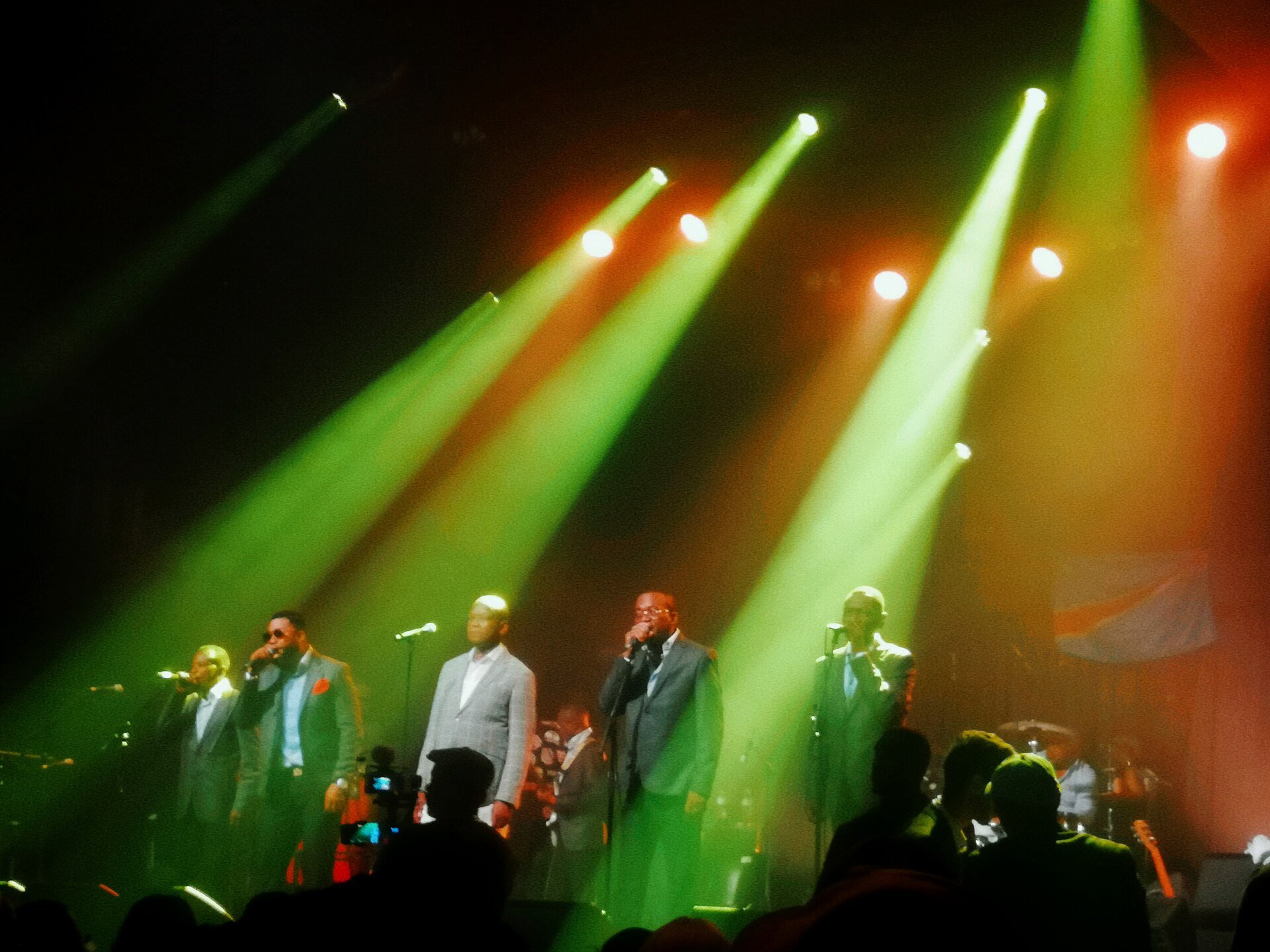
Credit: DejiJJ / Wikimedia Commons, CC BY 4.0
Zaïko Langa Langa performs in Brussels in 2024. The group’s history connects directly to the article’s discussion of vocal animation in Congolese music.
White’s research shows that names can enter a song’s melody and story, rather than remain separate announcements. Repetition and overlapping voices can make them part of what listeners anticipate and enjoy.
A Song Can Carry More Than One Message
The World’s reporting discusses “Éternellement,” performed by Fally Ipupa and Koffi Olomidé, as a love song that also appeals to a patron named Laurent Lorenzo. Romantic expression and a relationship with a supporter occupy the same recording.
Placement varies, too. In his 2019 interview, Fally explained that he had reduced mabanga and was placing them toward the ends of rumba songs to leave more room for the music. That was his approach at the time, rather than a rule for every artist.
Listening for Libanga While Learning Lingala
A name can be a useful landmark when the surrounding lyrics are unfamiliar. You may recognize it before you understand the sentence around it.
Start with these terms:
Libanga → A stone or pebble; in musical usage, a name dedication.
Mabanga → The plural of libanga, used when discussing musical dedications.
Kobwaka → To throw.
Kobwaka libanga → Literally “to throw a stone”; an expression used for giving a musical mention.
Atalaku → A vocal animator whose calls help drive a performance.
Try this with a recording you already enjoy:
Listen once for repeated names.
Replay a short passage and notice whether the name is spoken or sung.
Check a reliable transcription or ask a fluent speaker what surrounds it.
Compare the recording with a live version, if available.
Keep the musical evidence separate from assumptions. Recognizing a name does not establish who paid, how much, or whether payment happened at all.
For broader context, explore NKENNE’s guide to Lingala, music, dance, and Kinshasa, then continue with learning Lingala through Fally Ipupa’s music.
FAQs
What does libanga mean?
Literally, libanga means a stone or pebble in Lingala. In Congolese music, it refers to naming or praising someone during a song or performance.
Why do Congolese musicians mention people’s names?
Mentions can recognize friends, collaborators, relatives, or patrons. Some are connected to financial support, while others acknowledge personal relationships.
What is the difference between libanga and mabanga?
Libanga is singular, and mabanga is plural. Both appear in discussions of the musical practice.
Is every dedication paid for?
No. Fally Ipupa has described dedications as including recognition of friends, family, and colleagues. A name alone does not prove a financial arrangement.
Is libanga the same as atalaku?
No. Libanga is the practice of giving a name mention or dedication. An atalaku is a performer whose broader role includes vocal animation, chants, and encouraging dancing.
Conclusion
A name inside a song can carry a history the casual listener never hears.
It may acknowledge a friendship, recognize someone who helped an artist, or preserve a patron’s claim to public importance. Following those names reveals relationships behind the voice and guitars.
Libanga also invites a thoughtful question: when music remembers people, who gets remembered, and why?
For heritage listeners, asking an older relative about a familiar dedication can open a conversation about the people, places, and musical loyalties surrounding a recording. A song you have known for years may still have something to tell you.
Learn Lingala Through Culture With NKENNE
With NKENNE, you can learn Lingala while exploring the music, relationships, and everyday expressions that give it meaning.
Understanding the language helps you hear more of what a favorite recording carries, from its central story to the names passing through it.
