
By: Chimdindu Ken-Anaukwu
Kanaval is more than a party. It is one of the clearest windows into Haitian creativity, history, and resilience.
Every year before Lent, the streets of Port-au-Prince and Jacmel fill with music, dance, satire, and extraordinary masks. This guide looks at the two main celebrations, the craft of the masks, the sound of the music, and the deeper story that runs through it all.
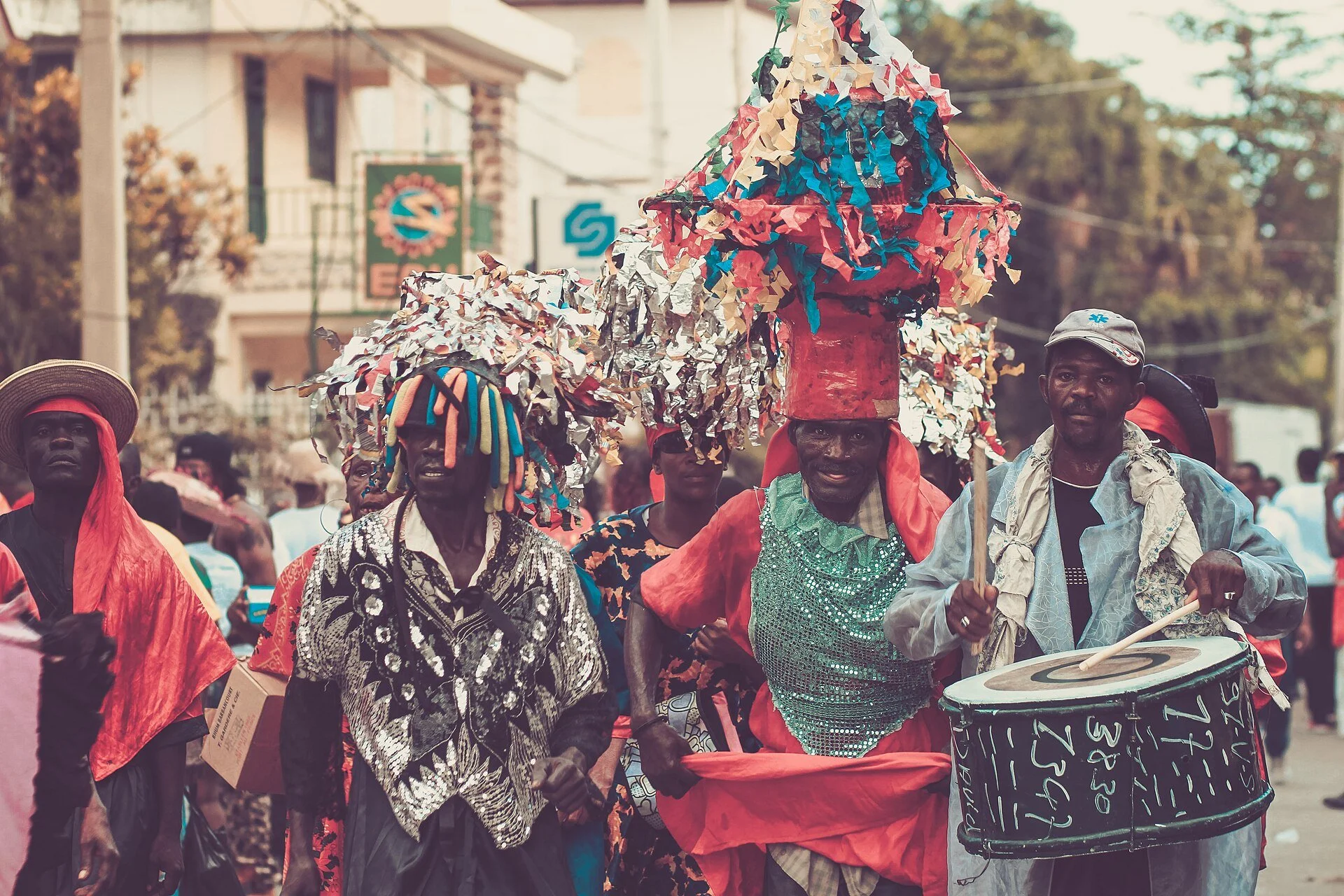
What Kanaval Means in Haiti
Kanaval is the Haitian Creole name for Carnival. The main public celebrations take place in the days leading up to Ash Wednesday, with the largest events in Port-au-Prince and a highly distinctive version in Jacmel.
It mixes the European pre-Lenten tradition brought by colonizers with African performance styles, Vodou imagery, and Haitian historical memory. People use the space of carnival to celebrate, to mock power, to remember the past, and to claim joy in the present.
Official large-scale public carnival in Port-au-Prince dates to 1804, the year of independence. Since then it has remained a major national event, even as local styles developed their own character.
Port-au-Prince: The National Stage
Port-au-Prince hosts the biggest and most commercial version of Kanaval. Large sound-system trucks and professional bands roll through the streets. Popular konpa groups compete for attention. Rap kreyòl and other contemporary styles appear alongside older forms.
Parades often end at the Champ de Mars, the large public plaza near the National Palace. The atmosphere is dense, loud, and energetic. Floats, dancers, and crowds fill the route.
This version of Kanaval functions as both entertainment and a platform. Bands gain national exposure. Political commentary appears in songs and costumes. It is the carnival that most outsiders first encounter when they think of Haiti.
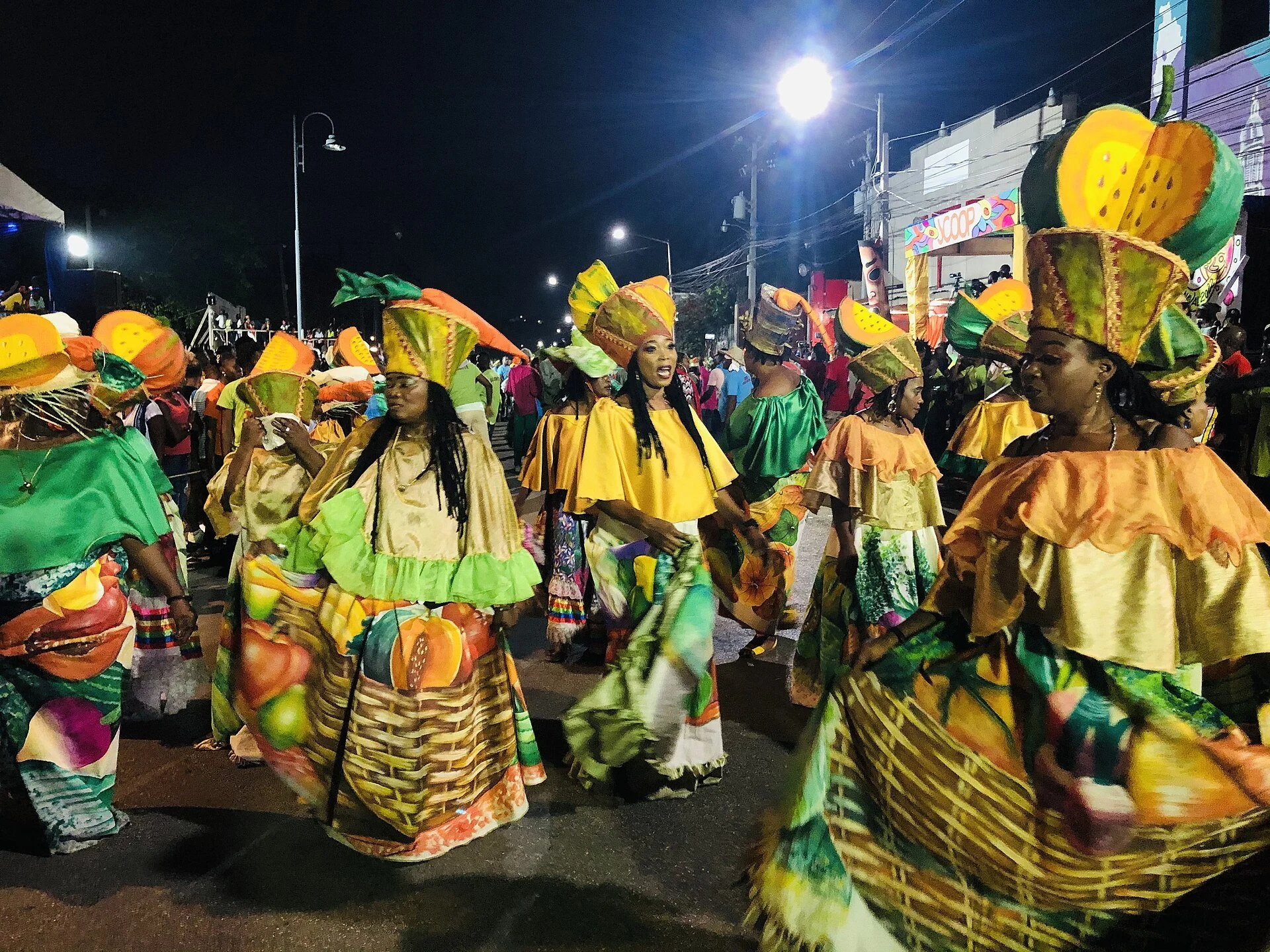
Colourful troupes at the Port-au-Prince carnival. Photo: Dade70, CC BY-SA 4.0, via Wikimedia Commons
Jacmel: The City of Masks
Jacmel, on the southern coast, offers a different experience. It is widely regarded as Haiti’s most artistic and distinctive carnival. The city has been designated a Creative City of Crafts and Folk Arts, and its Kanaval is celebrated for craftsmanship rather than pure scale.
Jacmel’s carnival usually takes place about a week before the main Port-au-Prince events. The streets fill with large, hand-made papier-mâché masks and elaborate costumes. Groups perform characters drawn from history, folklore, animals, politics, and the imagination.
Many consider Jacmel the place where Haitian carnival feels most rooted in local artistry and community tradition.
Papier-Mâché and the Art of Transformation
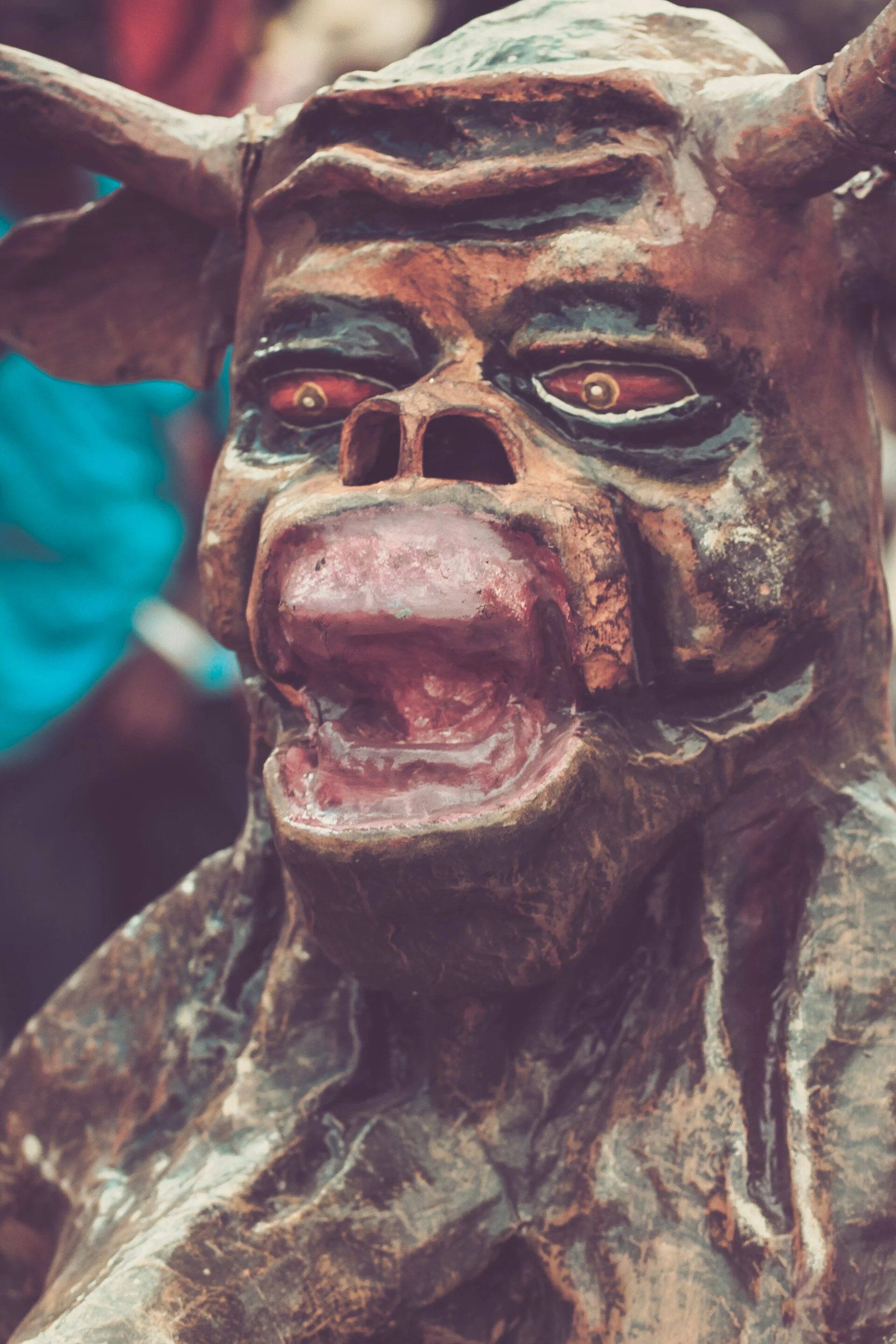
The signature of Jacmel Kanaval is the papier-mâché mask. Artisans build large, expressive heads and full costumes that transform the wearer.
Common figures include:
Brightly colored animals (jaguars, crocodiles, birds, and invented creatures)
Demons and winged figures (zèl Maturin)
Historical and political characters
Figures linked to Vodou imagery and local legend
The masks are built over weeks or months. They are painted in bold colors and designed to be both beautiful and sometimes unsettling. Some are humorous. Others carry sharp political or social commentary. The craft itself is a living tradition passed among local artists.
Wearing the mask allows people to step outside everyday identity. It creates space for play, critique, and collective storytelling.
Music That Moves the Streets
Music is central to both cities’ celebrations. In Port-au-Prince the dominant sound is often commercial konpa played from large sound systems, mixed with rap kreyòl and other popular styles.
In Jacmel and in many smaller processions, rara bands play a major role. Rara uses drums, bamboo horns called vaksen, tin trumpets, and percussion. The sound is raw, rhythmic, and processional. Rara continues after Carnival proper and runs through Lent, linking the pre-Lenten celebration to longer seasonal traditions rooted in Vodou and rural community life.
Call-and-response songs and dance chants keep the energy high. The music is not background. It organizes the movement of the crowd.
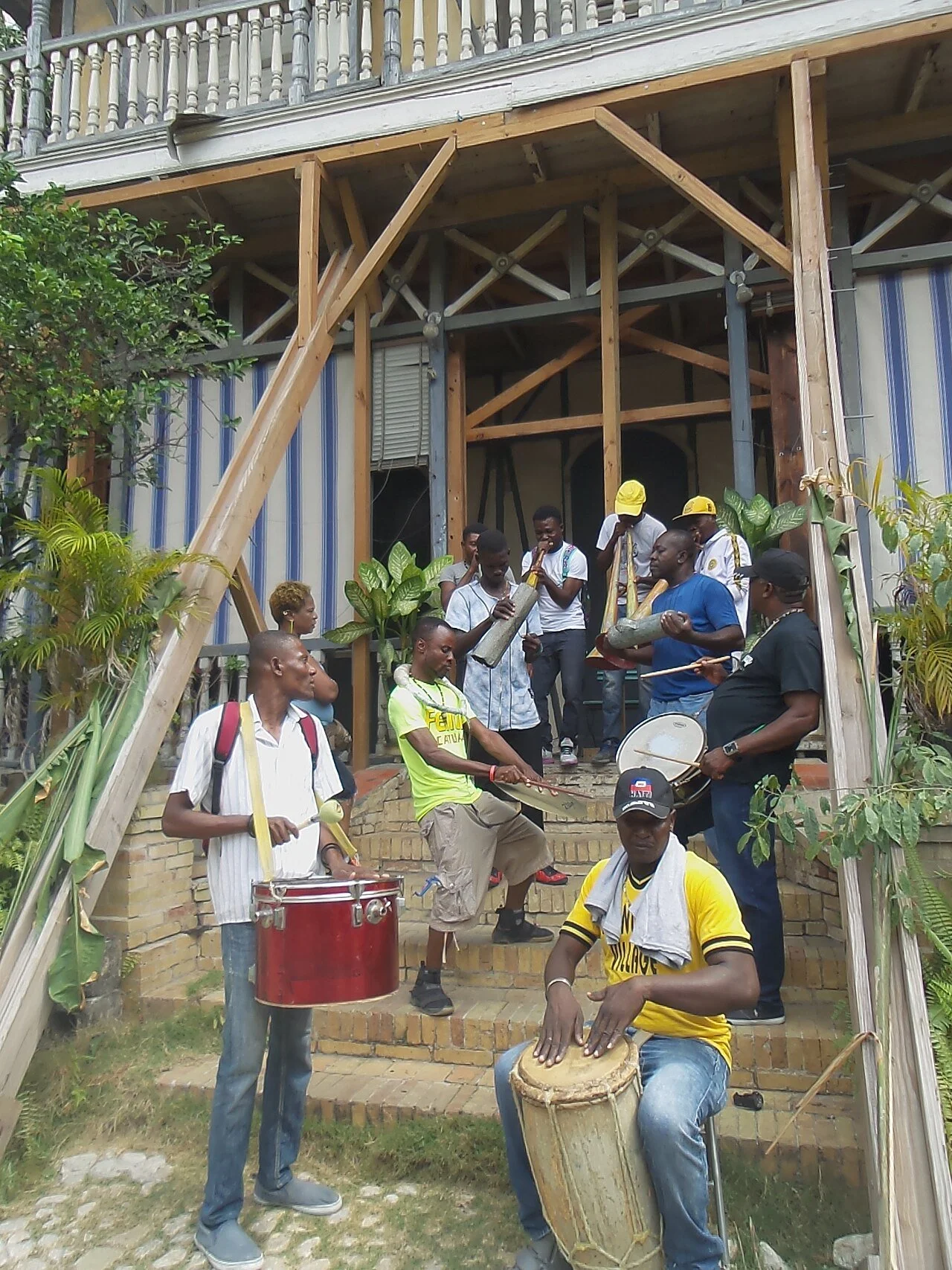


Rara musicians rehearsing for the 2020 Haitian carnival. Photo: Erwin509, CC BY-SA 4.0, via Wikimedia Commons

History, Satire, and Memory
Kanaval has always been a place where Haitians process history. Costumes and performances reference the Revolution, colonial violence, political leaders, and current events. Satire is common and often pointed.
In Jacmel especially, the masks and troupes act as a living archive. They retell stories of resistance, survival, and everyday life through performance rather than textbooks. The festival becomes a public stage for collective memory.
This combination of joy and seriousness is one reason Kanaval remains powerful. People celebrate, but they also remember and comment.
Common Questions
When does Kanaval take place?
The main events fall in the days before Ash Wednesday, usually in February or early March depending on the year. Jacmel’s parade often happens about a week earlier than Port-au-Prince’s.
Is Jacmel safer or more artistic than Port-au-Prince?
Jacmel is known for its artistic focus and smaller scale. Conditions in both cities can change, so current local advice is always necessary.
What is the difference between Kanaval and Rara?
Kanaval is the pre-Lenten carnival. Rara is a related processional tradition that continues through Lent, especially in rural areas, with its own music and spiritual associations.
Do the masks have religious meaning?
Some figures draw on Vodou imagery and local folklore. Others are purely festive, political, or artistic. The boundary is often fluid.
Can visitors participate?
Visitors can watch and, in some cases, join the energy of the streets. Respect for local groups and current security conditions is essential.
A Living Expression of Haitian Culture
Kanaval in Jacmel and Port-au-Prince shows two faces of the same tradition. One is large, musical, and national. The other is intimate, artisanal, and deeply local. Together they demonstrate how Haitians turn history, belief, and daily life into public celebration.
The masks, the music, and the movement of the crowds keep cultural memory alive in the most physical way possible.
At NKENNE we share these cultural realities so Haitian creativity and history are seen clearly and with respect. Explore more on Haitian music, art, and community traditions.
Have you experienced Kanaval or seen Jacmel’s masks? What stood out to you? Share in the comments.