
Islam in Wolof Style: Sufi Brotherhoods, Marabouts, and Folk Practices in Senegal
By: Yvonne Mag-usara
Many people assume Islam looks the same wherever it is practiced.
The Quran is the same. The daily prayers are the same. The core beliefs are shared by Muslims around the world. Yet when you spend time in Senegal, particularly among Wolof-speaking communities, Islam has developed a distinctly local character shaped by centuries of history, culture, and community life.
Religious leaders are trusted advisors. Pilgrimages draw millions of worshippers. Spiritual teachings influence everything from education and family life to business and everyday conversations. The result is a religious culture that is deeply Islamic, strongly rooted in Sufi traditions, and uniquely Senegalese.
In this guide, you'll learn how Islam became central to Wolof society, why Sufi brotherhoods play such an important role, who marabouts are, and how local traditions continue to shape religious life in Senegal today.
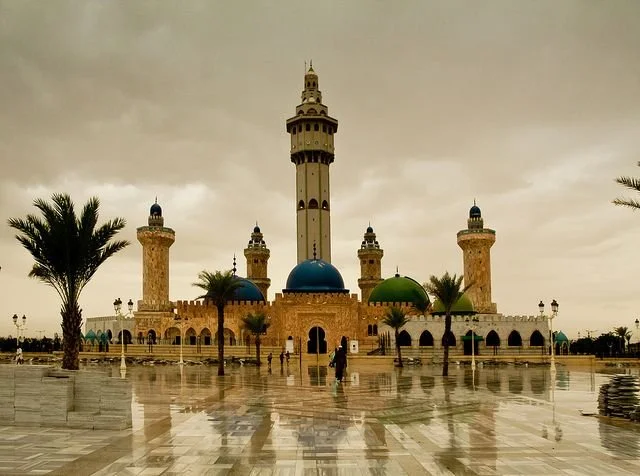
Credit: Wikimedia Commons
What Makes Islam in Wolof Culture Unique?
Islam in Wolof culture is shaped by more than religious practice alone.
It combines Islamic teachings with centuries of local history, social customs, and community traditions. Much of its character comes from Senegal's powerful Sufi brotherhoods, which have influenced everything from education and commerce to politics and social life.
Unlike the way religion is often discussed in Western societies, Islam in Senegal is rarely separated from daily life. Faith is woven into relationships, community obligations, family structures, and public celebrations.
This is one reason visitors often describe Senegalese Islam as both deeply religious and remarkably approachable. Spirituality is visible, but so is hospitality, humor, and a strong sense of collective responsibility.
How Islam Took Root Among Wolof Communities
Islam arrived in West Africa through trans-Saharan trade routes centuries before European colonialism.
Merchants, scholars, and travelers brought religious teachings across the region, gradually establishing Islamic centers of learning. Over time, local rulers, religious scholars, and communities adopted Islamic beliefs while continuing to preserve many aspects of their cultural identity.
The process was gradual rather than sudden.
Instead of replacing existing social structures, Islam became integrated into them. Religious education expanded. Quranic schools grew. Islamic scholarship flourished. At the same time, local customs continued to influence how faith was practiced and understood.
This long history of adaptation helps explain why Islam feels both universal and distinctly local in Senegal today.
Why Sufi Brotherhoods Matter in Senegal
To understand Islam in Senegal, it is impossible to ignore the influence of Sufism.
Sufism focuses on the spiritual dimension of Islam. While prayer, scripture, and religious law remain central, Sufi traditions place additional emphasis on character, discipline, devotion, and personal transformation.
Across Senegal, Sufi leaders helped spread literacy, religious education, and community organization. Their teachings gave rise to brotherhoods known as tariqas, which continue to shape religious life throughout the country.
Today, most Senegalese Muslims belong to a Sufi order, and many families have maintained ties to the same brotherhood for generations.
Among the most influential are the Muridiyya and Tijaniyya brotherhoods.
The Muridiyya Brotherhood: Work, Faith, and Community
No discussion of Islam in Wolof culture is complete without the Muridiyya brotherhood.
Founded in the late nineteenth century by Sheikh Ahmadou Bamba, the Muridiyya movement has grown into one of the most influential religious communities in Africa. Bamba taught that faith should be reflected through discipline, service, education, humility, and productive work.
His teachings continue to resonate far beyond religious settings. Across Senegal, his image appears in homes, businesses, taxis, and markets. Many followers view his life as a model for balancing spiritual devotion with everyday responsibility.
One of the most distinctive aspects of the Muridiyya tradition is its view of work. Productive labor is often understood as a form of worship when carried out with sincerity and good intentions. This philosophy helped build strong networks of traders, farmers, entrepreneurs, and migrants whose influence extends across West Africa, Europe, and North America.
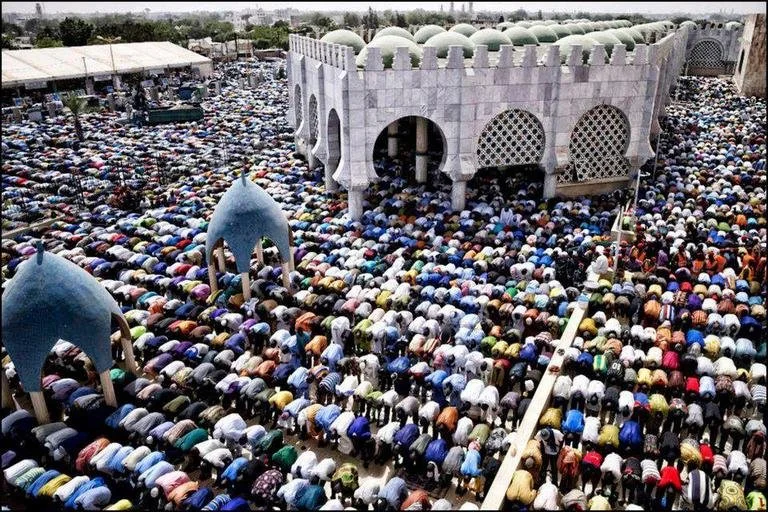
The spiritual heart of the Muridiyya movement is Touba, a city founded by Ahmadou Bamba himself. Every year, millions of followers travel there for the Grand Magal, one of Africa's largest religious pilgrimages.
For many participants, the pilgrimage is more than a religious event. It is a powerful expression of community, history, and shared identity.
The Tijaniyya Tradition and the Culture of Scholarship
While the Muridiyya brotherhood receives significant international attention, the Tijaniyya order is equally important in Senegal's religious landscape.
The Tijani tradition emphasizes scholarship, prayer, spiritual reflection, and ethical living. Its influence extends throughout West Africa, and many of Senegal's most respected Islamic scholars emerged from Tijani communities.
The city of Tivaouane serves as one of the movement's major centers. It attracts thousands of visitors seeking religious education and spiritual guidance.
For many followers, the Tijani tradition represents a lifelong commitment to learning. Religious knowledge is not viewed as something reserved for specialists. Instead, it is considered a responsibility that strengthens both individual character and community life.
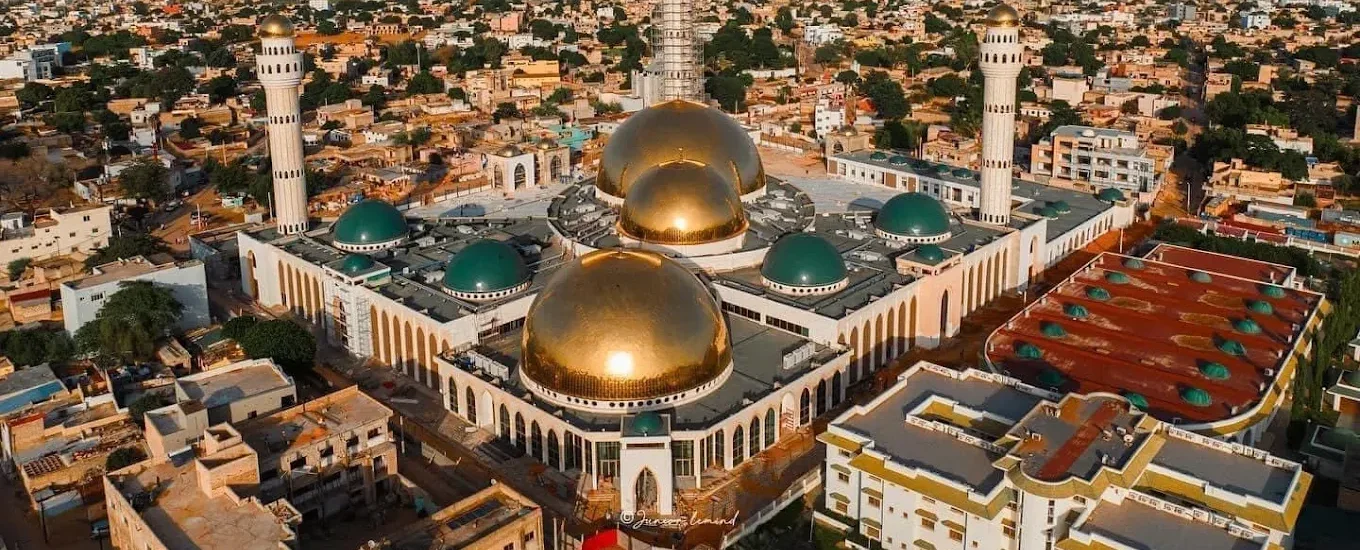
Credit: Mosqpedia
Marabouts: Teachers, Advisors, and Spiritual Guides
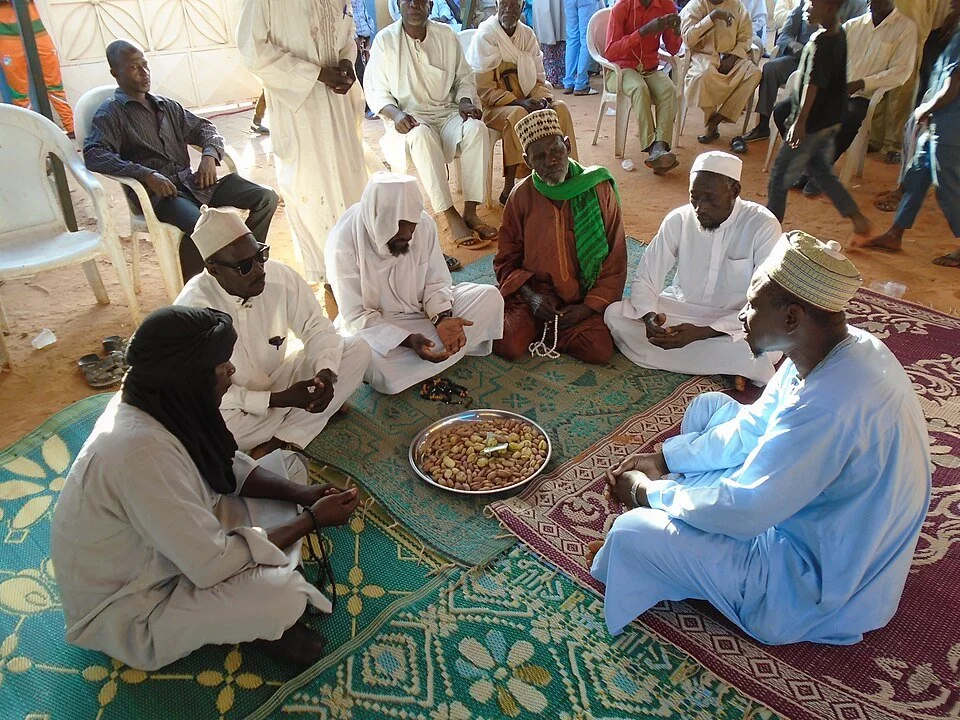
One of the first terms visitors encounter when learning about Senegalese Islam is marabout. Outside Senegal, the word is often misunderstood. Many people assume marabouts are primarily mystics or healers. In reality, most are religious teachers, scholars, mentors, and community leaders.
Traditionally, marabouts play an important role in religious education. They teach Quranic studies, provide guidance on personal and family matters, and help preserve religious knowledge across generations.
Credit: Wikimedia Commons
In many communities, a marabout's influence extends beyond formal religious instruction. Families may seek advice before major decisions, consult them during times of difficulty, or turn to them for spiritual support.
This relationship reflects a broader cultural value within Wolof society: the importance of learning from respected elders and trusted guides.
Gris-Gris, Protection, and the Meeting of Faith and Tradition
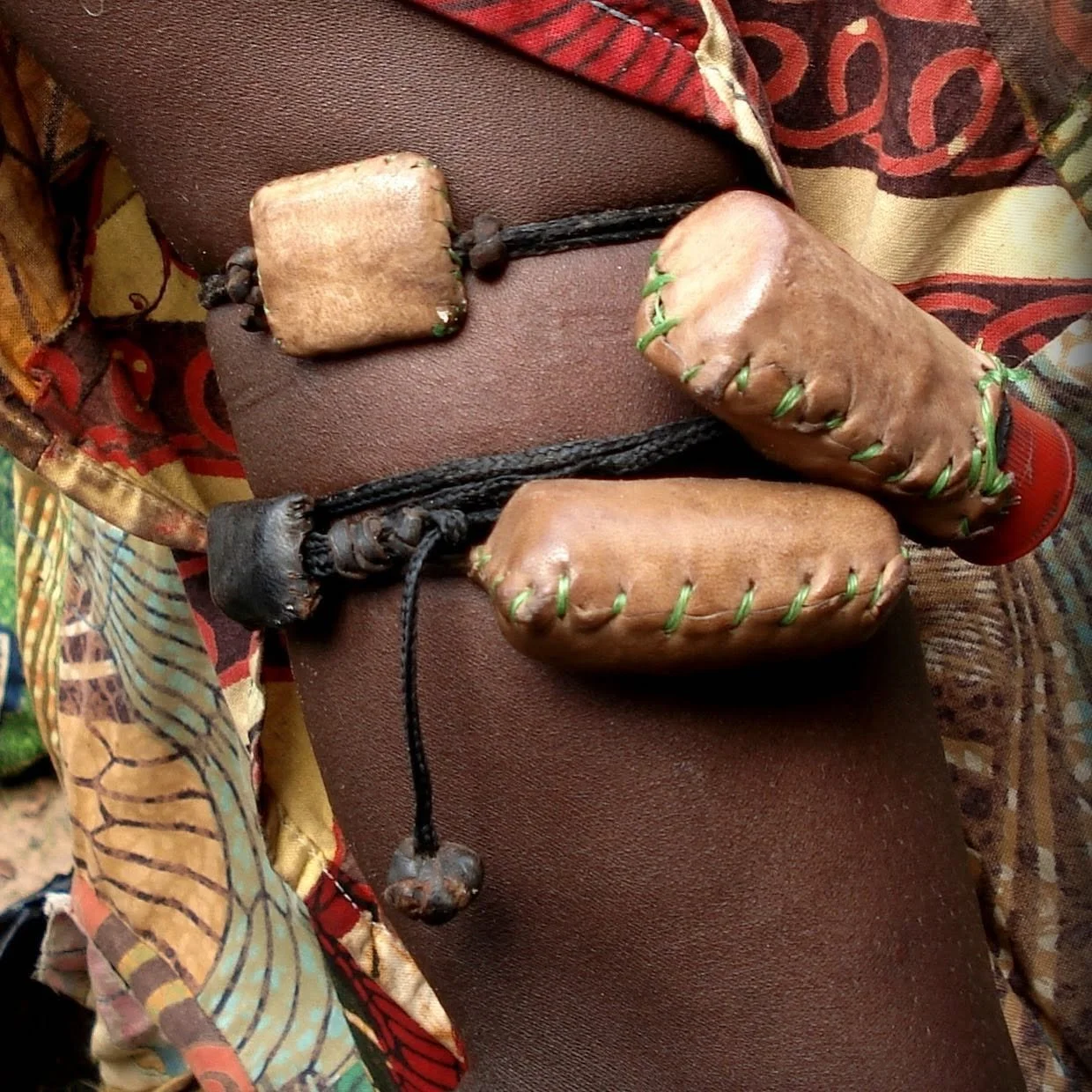
Perhaps the most discussed example of local tradition within Senegalese Islam is the use of gris-gris.
A gris-gris is a protective amulet that may contain Quranic verses, written prayers, or symbolic items placed inside a small pouch. Some people wear them around the neck, arm, or waist, while others keep them in homes, businesses, or vehicles.
Their use reflects a long history of interaction between Islamic beliefs and local cultural practices.
Not every Muslim in Senegal uses gris-gris. Some embrace them as meaningful expressions of faith and protection. Others view them primarily as cultural traditions. Still others reject them altogether, believing protection should come solely through prayer and religious devotion.
These differences of opinion are part of an ongoing conversation about how faith and tradition intersect in modern Senegal.
Credit: Studio Mondocubo via Facebook
How Faith Shapes Everyday Wolof Life
One of the most striking aspects of Islam in Wolof culture is how naturally it appears in everyday conversation.
Religious expressions are woven into greetings, family interactions, celebrations, and daily routines. Phrases such as Inshallah ("If God wills") and Alhamdulillah ("Praise be to God") are used frequently, often without conscious thought.
Faith also influences broader social values. Hospitality is highly respected. Community support is expected. Family relationships carry deep importance. Religious holidays become community events that bring together relatives, neighbors, and friends.
Senegal is also widely recognized for its tradition of religious coexistence. Although Muslims make up the majority of the population, relationships between Muslim and Christian communities are often characterized by mutual respect and participation in each other's celebrations.
This combination of faith, tolerance, and strong community ties is one reason Senegal is frequently cited as a model of religious harmony.
Common Misunderstandings About Wolof Islam
All Senegalese Muslims practice Islam the same way.
Religious practice varies across families, regions, and brotherhoods.
Marabouts are only spiritual healers.
Most marabouts are educators, scholars, advisors, and community leaders.
Folk practices replace Islamic beliefs.
For most practitioners, local traditions exist alongside Islamic teachings rather than replacing them.
Sufi brotherhoods are only religious organizations.
Historically, they have influenced education, economics, politics, and social development throughout Senegal.
FAQs
What is the largest Sufi brotherhood in Senegal?
The Muridiyya and Tijaniyya are the country's largest and most influential Sufi brotherhoods.
What is a marabout?
A marabout is a religious teacher, scholar, spiritual guide, or community advisor who plays an important role in many Senegalese communities.
What is a gris-gris?
A gris-gris is a protective amulet that may contain Quranic verses, prayers, or symbolic items.
Why is Senegal known for religious tolerance?
Strong Sufi traditions, community-centered values, and a long history of coexistence have helped foster religious harmony.
Do all Wolof people belong to a Sufi brotherhood?
No. While many do, religious affiliations and practices vary among individuals and families.
Conclusion
Islam in Wolof culture is not defined by a single institution, tradition, or religious leader.
It is shaped by centuries of scholarship, powerful Sufi movements, trusted marabouts, community values, and local customs that continue to evolve today.
Understanding these traditions offers a deeper understanding of Senegal itself. Not only how people worship, but how they build communities, preserve knowledge, and pass values from one generation to the next.
For anyone learning Wolof, these cultural insights provide an important reminder: language and culture are inseparable. The more you understand one, the more meaningful the other becomes.
Learn Wolof with NKENNE
Language reveals culture in ways textbooks rarely can.
With NKENNE, you can learn practical Wolof while exploring the history, traditions, and everyday conversations that shape life across Senegal.
Start your Wolof journey with NKENNE and discover the culture behind the words.