
Highlife Music Origins: How Igbo Rhythms Shaped African Sounds
By: Chimdindu Ken-Anaukwu
You hear those bouncy guitar riffs and upbeat horns, and suddenly you are tapping your feet. That is highlife, the joyful sound that has moved generations across Africa and beyond.
While highlife began in Ghana, Igbo musicians in Nigeria took the genre, infused it with local rhythms, guitar styles, and folklore, and created something unforgettable. From palm wine guitar roots to dance floors in the 1960s and global hits today, Igbo highlife helped shape modern African music.
In this guide, you will trace its journey, meet the legends, and discover key tracks that still play at parties and family gatherings.
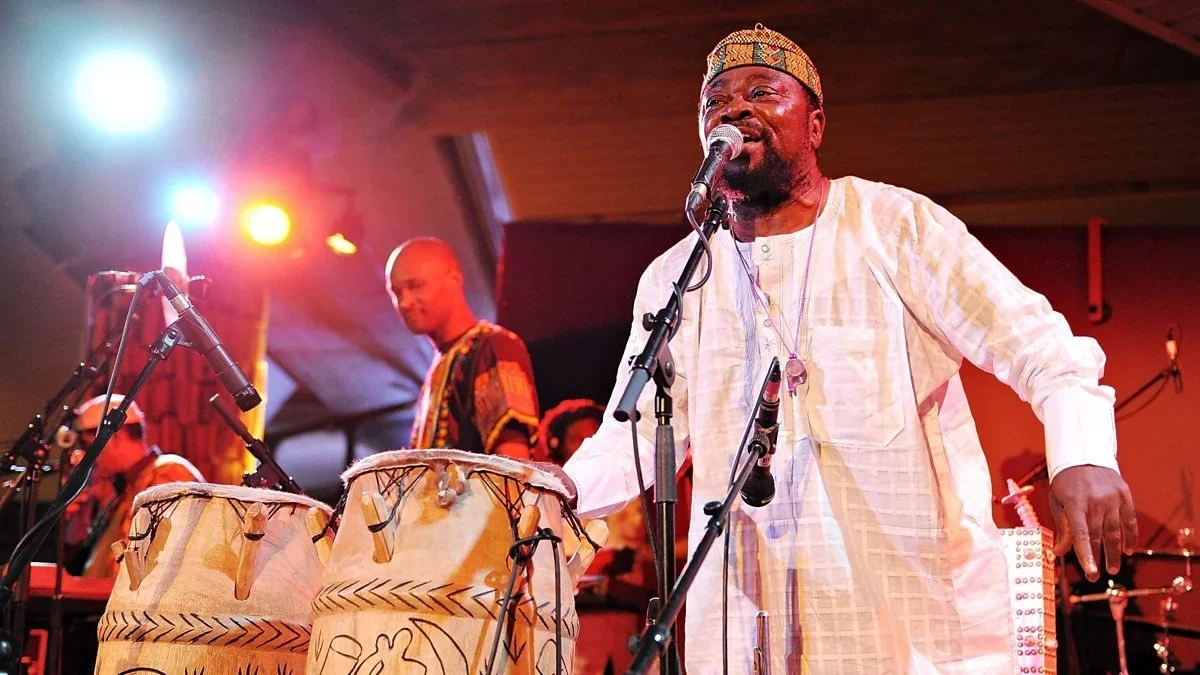
What Is Highlife Music?
Highlife blends African rhythms with jazz, calypso, and brass band sounds. It features lively guitars, horns, percussion, and feel good energy perfect for dancing.
The name highlife came from the fancy lifestyle of the elite who danced to it in early clubs. But it quickly became the people’s music, played in bars, parties, and village gatherings.
The Roots: Palm Wine Guitar Era
Highlife traces back to the late 19th century in coastal Ghana. It grew from palm wine music, acoustic guitar styles played while people relaxed with palm wine.
Sailors, traders, and local musicians mixed local melodies with Caribbean calypso and Western jazz. The sound spread along the West African coast.
In Nigeria, early highlife arrived through traveling bands and records. But it was the Igbo touch that gave it deep roots in the east.
How Igbo Musicians Made It Their Own
After World War II, highlife exploded in Nigeria. Igbo artists brought traditional rhythms, storytelling lyrics in the Igbo language, and energetic guitar playing.
They transformed the genre into Igbo highlife, guitar driven, brass heavy, and full of cultural pride. This style became dominant in the 1960s and remains beloved today.
Igbo highlife speaks directly to everyday life, love, social issues, praise, and resilience.
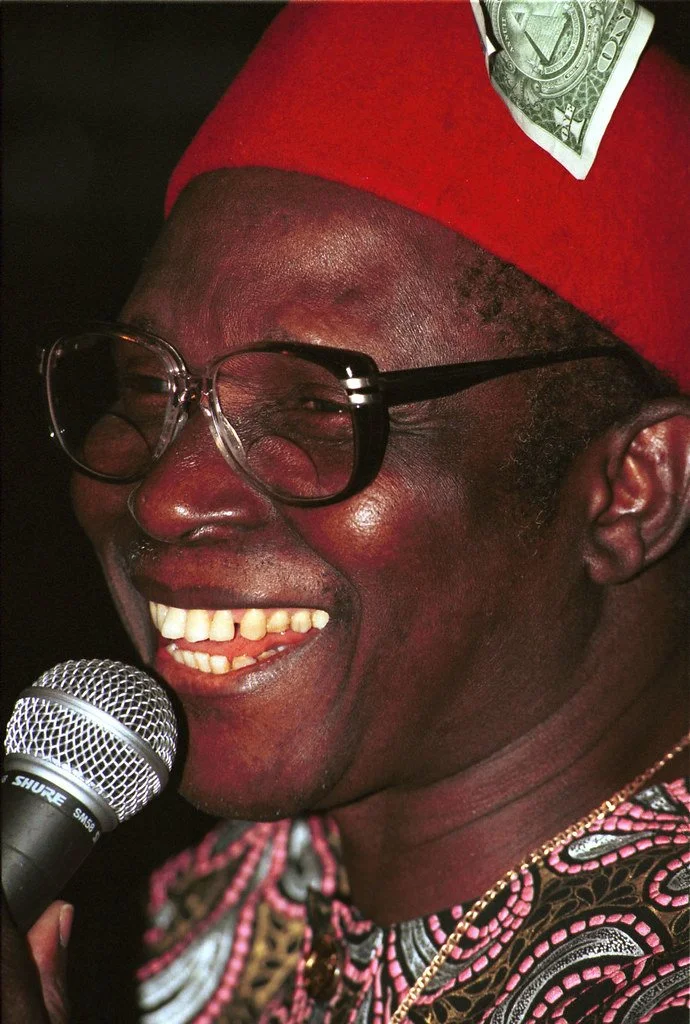
Golden Age Legends and Iconic Tracks
Here are some of the biggest names and songs that defined the sound:
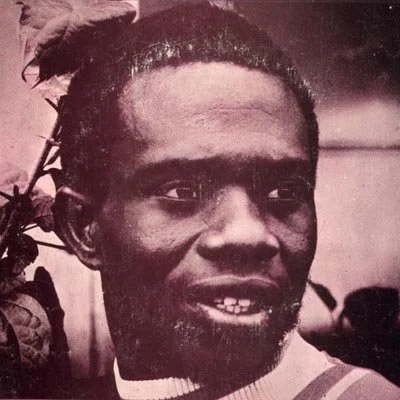
Chief Stephen Osita Osadebe, the undisputed King of Igbo Highlife. His classic Osondi Owendi became a massive hit and still plays everywhere.
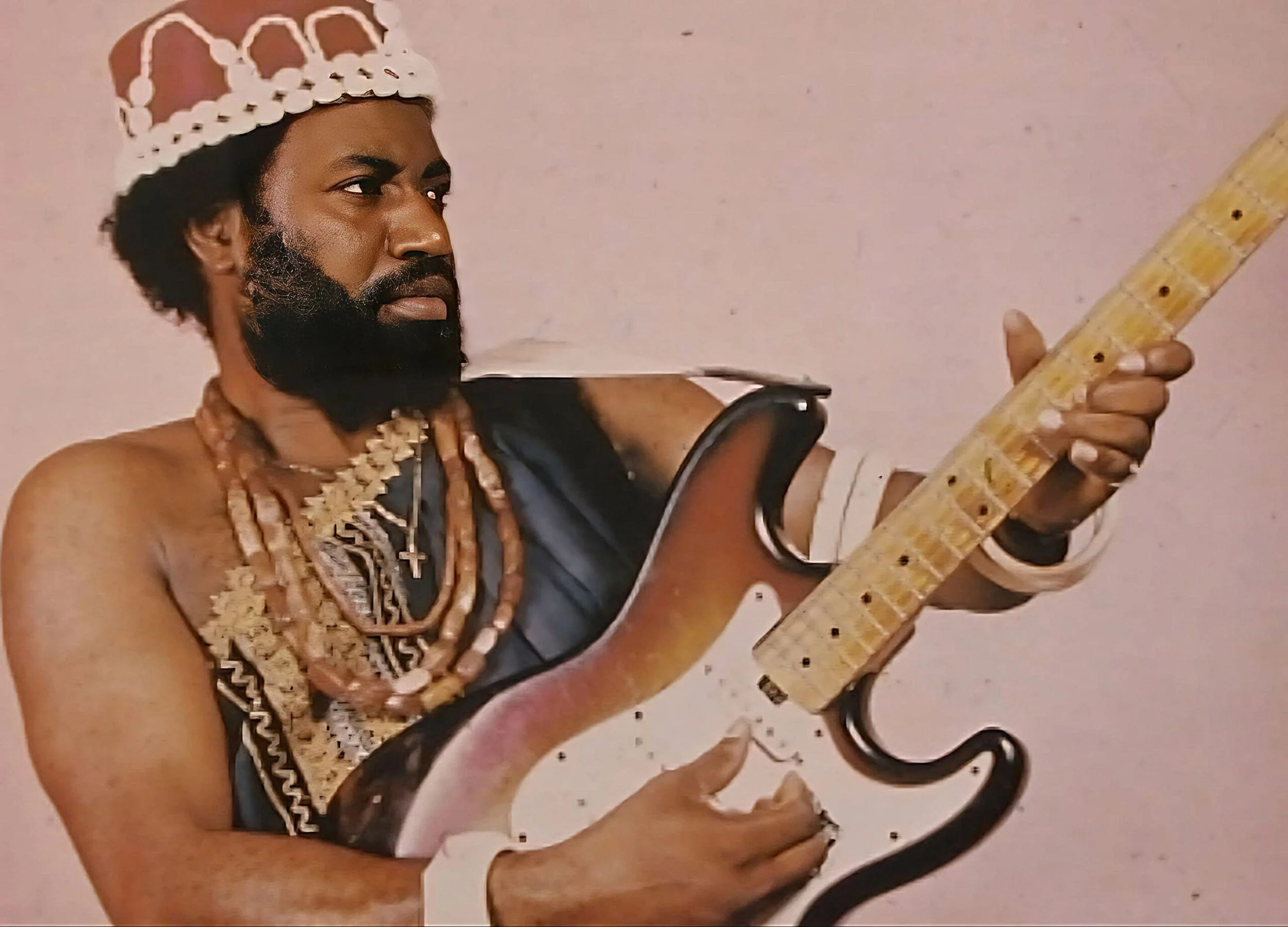
Oliver De Coque, the guitar wizard known for high energy tracks like Biri Ka Mbiri and Ana Enwe Obodo Enwe.
Cardinal Rex Lawson brought soulful Kalabari influence with hits like Sawale and Love Adure.
Victor Olaiya, the Evil Genius of Highlife who blended styles and influenced many.
Celestine Ukwu and Sir Victor Uwaifo also added their magic with unforgettable melodies.
These artists turned highlife into a national and African phenomenon.
![LEGEND OF THE DAY- Chief Stephen Osita Osadebe(March 17, 1936] – May 11, 2007) often referred t.webp](https://images.squarespace-cdn.com/content/v1/614f831e90f08045038b4dae/1781530102801-CW1CD7SERCWG5C3BWD9T/LEGEND+OF+THE+DAY-+Chief+Stephen+Osita+Osadebe%28March+17%2C+1936%5D+%E2%80%93+May+11%2C+2007%29+often+referred+t.webp)
The Impact of the Nigerian Civil War
The Biafran War (1967 to 1970) affected the scene deeply. Many Igbo musicians returned east from Lagos, which helped strengthen Igbo highlife as a distinct regional sound.
Instead of fading, the music became even more rooted in Igbo identity and folklore during tough times.
Modern Revival and Global Influence
Highlife never died. It evolved. Artists like Flavour, The Cavemen, and KCee blend highlife rhythms with Afrobeats, creating fresh sounds that reach global audiences.
Its guitar styles and upbeat energy influenced juju, Afrobeat, and even modern Afrobeats. You can still hear those palm wine roots in today’s hits.
Highlife remains the soundtrack of celebrations, showing the power of Igbo creativity.
Frequently Asked Questions
Did highlife originate from Igbo people?
Highlife started in Ghana, but Igbo musicians created a powerful sub style called Igbo highlife that became hugely popular in Nigeria and beyond.
What makes Igbo highlife different?
It features more guitar work, lyrics in Igbo language, and strong traditional Igbo rhythms and storytelling.
What is the most famous highlife song?
Osondi Owendi by Chief Stephen Osita Osadebe is one of the biggest and most enduring classics.
Is highlife still popular today?
Yes. Classic highlife lives on at parties, while modern fusions with Afrobeats keep it fresh for younger generations.
Who is the King of Igbo Highlife?
Chief Stephen Osita Osadebe is widely regarded as the master and pioneer of the genre.
Can I learn to dance to highlife?
Absolutely. The steps are fun and energetic. Just move with the rhythm and enjoy yourself.
Conclusion
Highlife music shows how Igbo rhythms helped shape African sounds. From humble palm wine guitar sessions to legendary bands and today’s global stages, the genre carries joy, resilience, and cultural pride.
Every time you hear those bouncing guitars, you are hearing generations of creativity at work.
Next time the music comes on, listen closer. You will feel the heartbeat of Igbo musical genius.
Ready to dive deeper into Igbo culture and language? With NKENNE, the first African language learning app, you can learn practical Igbo phrases, explore cultural stories, and connect with this rich heritage. Download today and let the rhythm guide you.