
How to Shop in Shona: Market Phrases, Prices, and Everyday Conversations in Zimbabwe
By: Yvonne Mag-Usara
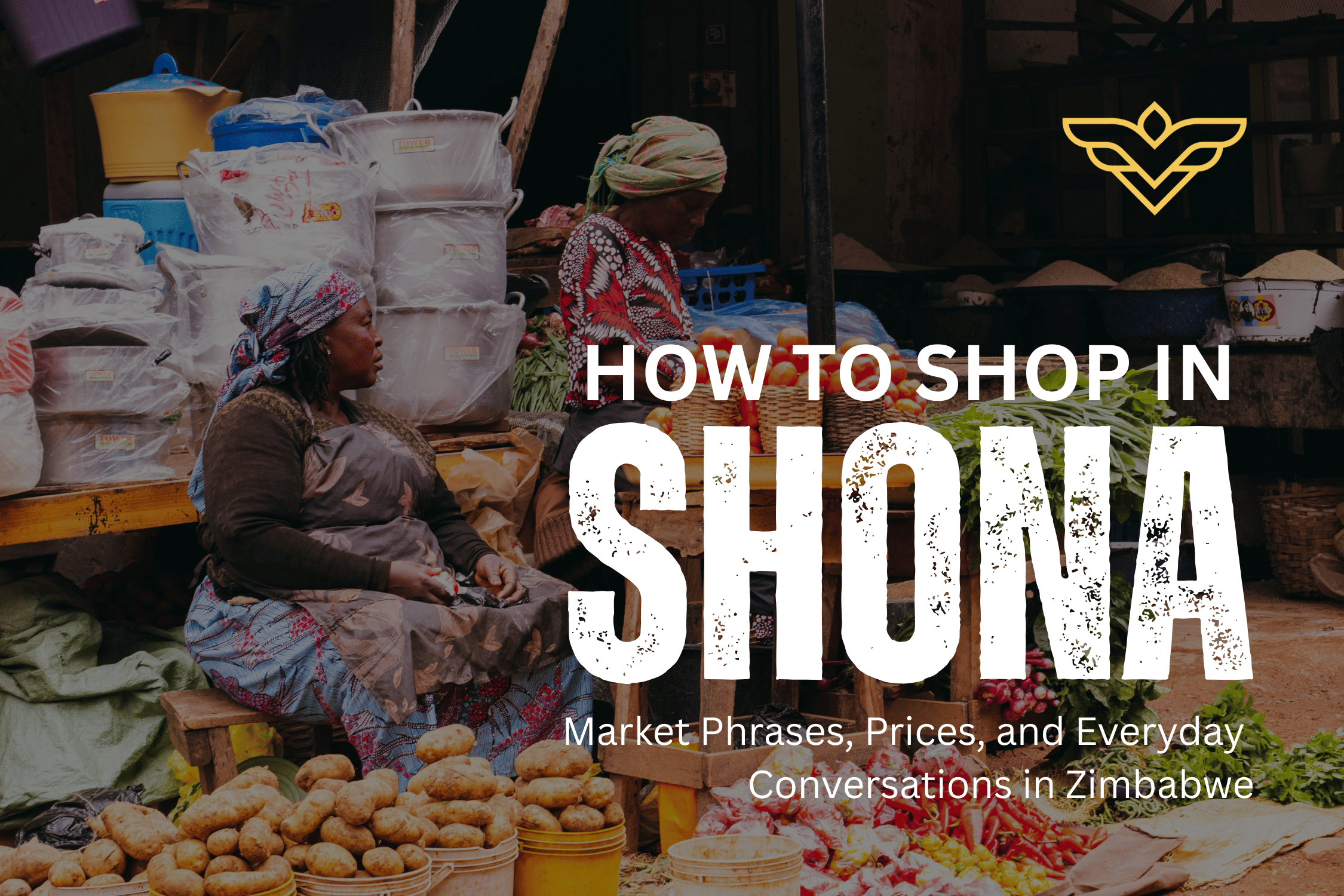
For many people learning Shona, the language starts feeling real at the market. Not during grammar exercises or vocabulary drills, but while standing in front of a table of tomatoes trying to ask a vendor how much they cost. Suddenly, the phrases you practiced at home become part of an actual conversation. You greet someone properly, ask for vegetables, maybe negotiate the price a little, and realize you understood more than you expected.
That’s part of what makes markets such important places for language learning.
In Zimbabwe, markets are more than places to buy food. They are social spaces filled with conversation, humor, bargaining, greetings, and everyday interaction. Vendors call out prices across crowded walkways. Customers compare fruit and vegetables from one stall to another. People greet each other before discussing business. Even quick exchanges carry warmth and familiarity.
Learning how to shop in Shona helps you understand more than vocabulary. It teaches you how people communicate naturally in daily life.
In this guide, you’ll learn useful Shona shopping phrases, how to ask for prices, common food vocabulary, bargaining expressions, and the kinds of conversations you’re likely to hear in Zimbabwean markets and supermarkets.
Why Markets Matter in Zimbabwean Culture
Markets play an important role in everyday life across Zimbabwe. They are places where people buy groceries and household items, but they are also spaces for conversation and community. Vendors often know their regular customers well. Neighbors stop to exchange news. Conversations continue while vegetables are weighed or prices are negotiated.
Language shapes these interactions. In many Shona-speaking communities, greeting someone before asking questions is considered respectful. Walking up to a vendor and immediately asking for prices can sound abrupt, even if unintentionally.
That’s why many conversations begin with phrases like:
“Makadii henyu?”
How are you?
Or:
“Maswera sei?”
How has your day been?
These greetings may seem small, but they help establish friendliness and respect before business begins.
That cultural rhythm is an important part of speaking Shona naturally.
Essential Shona Shopping Vocabulary
Before learning full conversations, it helps to know the words you’ll hear most often while shopping.
| Shona | English |
|---|---|
| Musika | Market |
| Chitoro | Shop/store |
| Mari | Money |
| Mutengo | Price |
| Zvinhu | Things/items |
| Chingwa | Bread |
| Muriwo | Vegetables |
| Michero | Fruits |
| Nyama | Meat |
| Mukaka | Milk |
| Mvura | Water |
| Shuga | Sugar |
| Munyu | Salt |
These words appear constantly in everyday conversations at markets, grocery stores, and supermarkets throughout Zimbabwe.
Once you begin recognizing them regularly, listening becomes much easier.
How to Ask for Prices in Shona
One of the first practical skills many learners want is knowing how to ask for prices.
Fortunately, the phrases are simple and easy to practice.
Useful Price Questions
“Zvinoita marii?”
How much is it?
“Izvi zvinoita marii?”
How much are these?
“Mutengo wacho ndewei?”
What is the price?
You can use these phrases when buying:
vegetables
fruit
bread
household items
snacks
groceries
They are some of the most useful everyday Shona phrases for beginners.
Shona Numbers Used at Markets
You do not need to memorize every number immediately. Start with the numbers that appear most often in shopping conversations.
| Number | Shona |
|---|---|
| 1 | Imwe |
| 2 | Mbiri |
| 3 | Nhatu |
| 4 | Ina |
| 5 | Shanu |
| 10 | Gumi |
| 20 | Makumi maviri |
| 50 | Makumi mashanu |
| 100 | Zana |
Common Price Examples
“Dollar rimwe.”
One dollar.
“Madhora mashanu.”
Five dollars.
“Makumi maviri emadhora.”
Twenty dollars.
Learning numbers through real-life shopping situations often makes them easier to remember because you hear them repeatedly in context.
How Bargaining Works in Zimbabwean Markets
Bargaining is common in many open-air markets across Zimbabwe, especially when buying produce or multiple items.
In most cases, bargaining is conversational rather than aggressive. Tone and politeness matter. Friendly interactions often lead to better experiences for both the customer and the vendor.
Useful Bargaining Phrases
“Hazvidhure here?”
Isn’t it too expensive?
“Deredzaiwo mutengo.”
Please reduce the price.
“Handina mari yakawanda.”
I don’t have much money.
“Ndikwereteiwo.”
Please help me out a little.
“Ndikwereteiwo” is an especially flexible phrase. Depending on the situation and tone, it can suggest:
asking for assistance
requesting a lower price
asking someone to help you out
politely negotiating
This flexibility is part of what makes conversational Shona feel expressive and relational.
Buying Bread, Vegetables, and Fruit in Shona
Buying Bread
“Ndinoda chingwa.”
I want bread.
“Mune chingwa here?”
Do you have bread?
Bread is one of the most common purchases in Zimbabwean shops and supermarkets, making these useful everyday phrases.
Buying Vegetables
“Ndinoda muriwo.”
I want vegetables.
“Muriwo uyu mutsva here?”
Are these vegetables fresh?
Fresh produce matters in Zimbabwean markets, and many shoppers carefully inspect vegetables before buying them.
Buying Fruit
“Ndinoda michero.”
I want fruit.
“Mabhanana anoita marii?”
How much are the bananas?
“Maapuro mangani?”
How many apples?
Because these conversations happen frequently, food vocabulary is often one of the easiest categories for beginners to remember.
Useful Money and Payment Phrases
Shopping conversations naturally involve discussing money and payment.
Here are some helpful phrases you’re likely to hear often.
Useful Payment Phrases
“Ndinobhadhara necash.”
I’m paying with cash.
“Mune change here?”
Do you have change?
“Handina mari.”
I don’t have money.
“Ndatenda.”
Thank you.
“Waita hako.”
Thank you very much.
Expressions of gratitude are important in Shona-speaking environments and help conversations feel warmer and more natural.
Real-Life Shona Market Conversations
Buying Tomatoes
Customer:
“Mangwanani. Madomasi anoita marii?”
(Good morning. How much are the tomatoes?)
Vendor:
“Dollar rimwe pabhaketi.”
(One dollar per bucket.)
Customer:
“Deredzaiwo mutengo.”
(Please reduce the price.)
Vendor:
“Torai maviri nema$1.50.”
(Take two for $1.50.)
Short conversations like this happen constantly in Zimbabwean markets and are excellent for practicing practical vocabulary and listening skills.
Supermarkets vs Open-Air Markets
The language used in supermarkets and open-air markets can feel slightly different.
Supermarkets
Conversations in supermarkets are usually:
shorter
quicker
more transactional
You may hear phrases like:
“Munoda receipt here?”
Do you want a receipt?
Or:
“Cash kana swipe?”
Cash or card?
Open-Air Markets
Open-air markets tend to feel more conversational.
People joke more, negotiate more openly, and spend longer interacting with vendors. These spaces often provide better opportunities for practicing conversational Shona in a natural setting.
Why Markets Help You Learn Shona Faster
Markets are one of the best environments for beginner language learners because the vocabulary repeats constantly.
You hear:
greetings
numbers
food names
money vocabulary
common sentence patterns
again and again.
The conversations are usually short, practical, and connected to real situations. That repetition helps build listening confidence naturally over time.
More importantly, markets teach cultural communication alongside language itself.
You learn not only what people say, but how they say it.
FAQ
How do you ask for prices in Shona?
The most common phrase is:
“Zvinoita marii?”
How much is it?
What is the Shona word for money?
The Shona word for money is:
“Mari”
What language is commonly spoken in Zimbabwean markets?
Many Zimbabwean markets use both Shona and English, though Shona is especially common in informal everyday interactions.
How do Zimbabweans bargain at markets?
Bargaining is usually polite and conversational. Greetings, humor, and friendliness often shape the interaction.
What is the Shona word for vegetables?
“Muriwo”
This is one of the most common food-related words used in shopping conversations.
Is learning shopping vocabulary a good way to learn Shona?
Yes. Shopping vocabulary helps learners practice:
numbers
greetings
food names
listening skills
practical conversation patterns
It’s one of the most useful ways to begin using Shona in everyday life.
Conclusion
Learning how to shop in Shona does more than help you navigate markets and supermarkets.
It helps you participate more naturally in everyday Zimbabwean life.
Simple conversations become easier. Greetings start feeling more automatic. Prices and numbers become familiar instead of confusing. Over time, small interactions at markets can build real confidence in the language.
And for many learners, that confidence begins with ordinary moments: greeting a vendor properly, asking for fruit, or understanding the price of tomatoes without needing to switch back to English.
Those moments may seem small, but they are often where language connection truly begins.
Learn Shona with NKENNE
The best language learning happens through real-life interaction and cultural connection.
NKENNE helps you learn Shona through practical conversation, everyday vocabulary, and culturally grounded lessons designed for real situations, not just memorization.
Whether you’re reconnecting with Zimbabwean heritage or learning Shona for the first time, small daily conversations can become the foundation for lasting confidence and deeper cultural understanding.