
Fuul: Ethiopian-Style Fava Beans for Breakfast or Brunch
By: Chimdindu Ken-Anaukwu
Few Ethiopian breakfasts are as comforting and satisfying as a warm bowl of fuul. Mashed fava beans simmered with garlic, spices, fresh tomatoes, onions, and jalapeños create a rich, flavorful dish. Topped with a boiled egg and served with injera or bread, it powers you through the day. This street-food classic is loved across Ethiopia and the Horn of Africa. In this guide, you will learn how to make restaurant-style fuul at home with simple ingredients and easy steps.
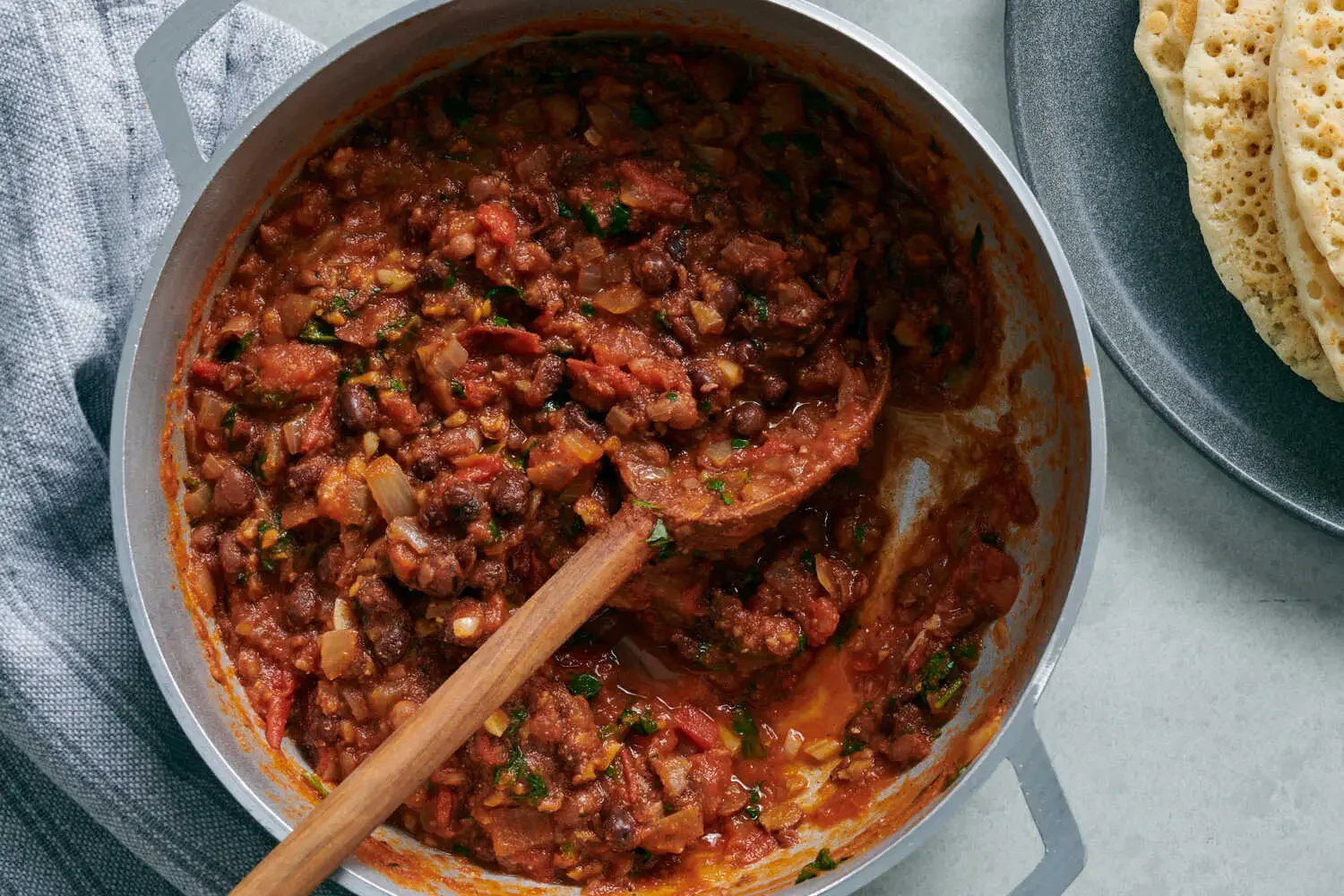
What Is Fuul and Why Ethiopians Love It
Fuul (also spelled ful) is a spiced fava bean stew that originated in North Africa and became a beloved staple in Ethiopia, Eritrea, Somalia and Sudan.
In Ethiopia, it is a go-to breakfast or brunch dish. It is affordable, filling, and packed with protein. Street vendors serve it early in the morning from carts, filling the air with the aroma of garlic and berbere.
It is especially popular during fasting periods because it is naturally vegan (without the egg), yet hearty enough for active days.
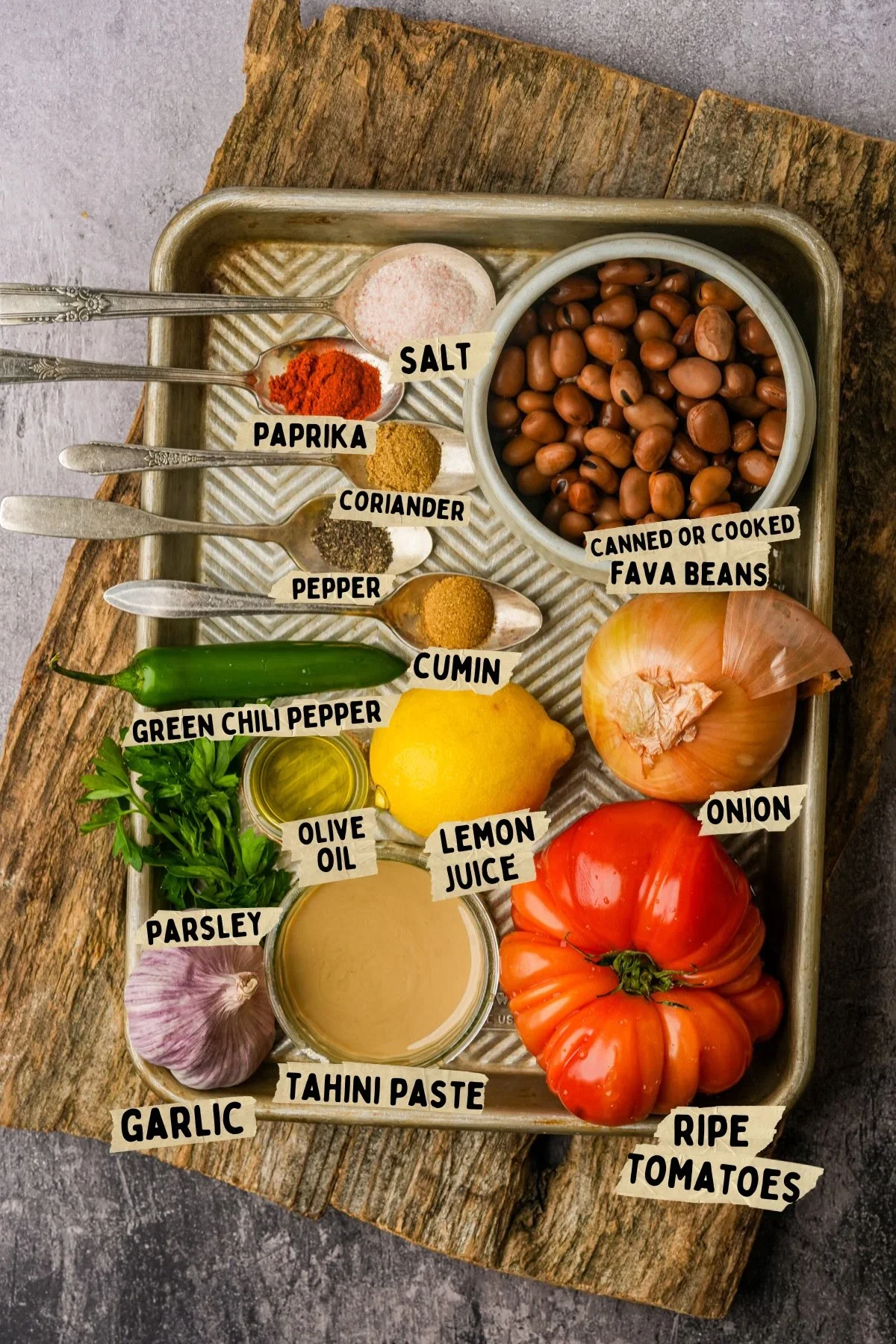
Key Ingredients for Authentic Flavor
You need these core ingredients:
Dried fava beans (or canned for quicker prep)
Fresh garlic and ginger
Onion and tomato
Jalapeño or green chili for heat
Spices: berbere, cumin, turmeric, salt
Olive oil or niter kibbeh
Lemon or lime for brightness
Boiled eggs (optional but classic)
Fresh herbs like cilantro or parsley for garnish
Canned fava beans work well and save time. Soak and cook dried beans if you want the most traditional texture.
Step-by-Step Fuul Recipe
Ingredients (Serves 4)
2 cans (400g each) fava beans, drained
1 large onion, finely chopped
3 ripe tomatoes, chopped
4–5 garlic cloves, minced
1–2 jalapeños, chopped (adjust for heat)
2 tbsp niter kibbeh or olive oil
1 tsp berbere (or more to taste)
1 tsp ground cumin
½ tsp turmeric
Salt to taste
Juice of 1 lemon
4 boiled eggs, halved
Fresh chili, onion slices, and cilantro for topping
Steps
Heat niter kibbeh or oil in a pan over medium heat.
Add chopped onion and cook until soft and golden, about 5–7 minutes.
Stir in garlic, ginger, and jalapeños. Cook for 2 minutes until fragrant.
Add chopped tomatoes and cook until they break down into a sauce, about 5 minutes.
Add berbere, cumin, turmeric, and salt. Stir well for 1 minute.
Add drained fava beans and a splash of water. Mash some beans with a spoon or potato masher for creaminess.
Simmer on low heat for 8–10 minutes, stirring occasionally. Add more water if it gets too thick.
Finish with lemon juice. Taste and adjust seasoning.
Serve hot in bowls. Top each with halved boiled egg, fresh onion, chili, and cilantro.
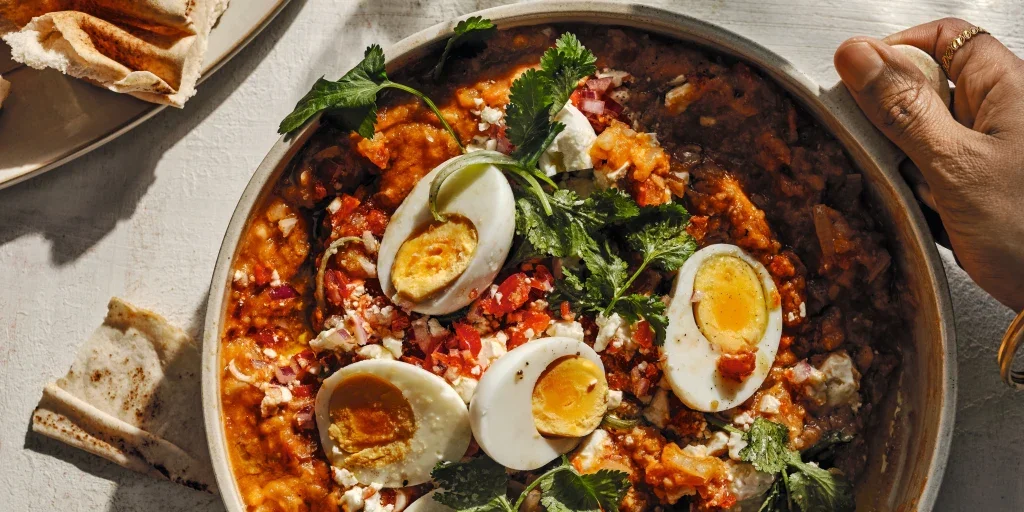
Creamy Ethiopian fuul topped with boiled egg and fresh vegetables.
How to Serve Fuul Like a Local
Scoop fuul with pieces of injera, bread, or baguette.
Many Ethiopians enjoy it with extra berbere or awaze on the side for more heat. Pair it with avocado slices, fresh tomato salad, or a cup of strong Ethiopian coffee to complete the breakfast experience.
Popular Variations
Spicy Fuul: Add extra berbere and mitmita for serious heat.
Fuul with Yogurt: A creamy twist popular in some regions.
Vegan Version: Skip the boiled egg and use extra vegetables.
Fuul with Lamb: Some restaurants add small pieces of cooked meat.
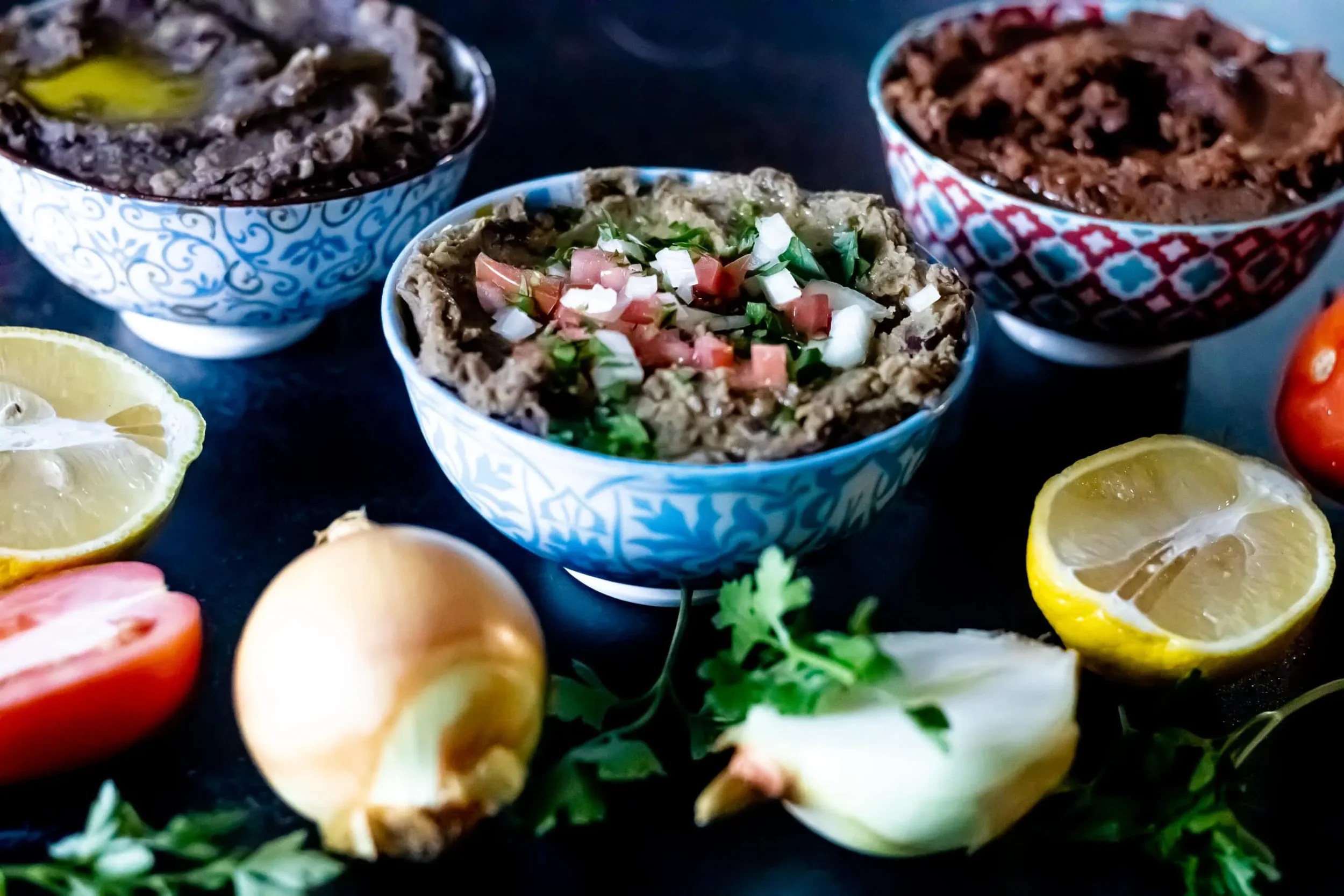
Street Food Tips and Cultural Context
On Ethiopian streets, fuul is usually served fast and hot from large pots. Vendors often keep it warm on charcoal stoves.
It is more than food. It is a social moment where people gather, chat, and start their day together. In cities like Addis Ababa, you can find excellent fuul near bus stations and busy markets early in the morning.
Common Mistakes to Avoid
Do not skip mashing some beans. The creamy texture is what makes fuul special.
Avoid cooking on high heat after adding the beans. Low and slow develops better flavor.
Do not be afraid to adjust spices. Start mild and add more berbere as you like.
FAQs
What is fuul made of?
Fuul is made from fava beans cooked with garlic, onions, tomatoes, and spices like berbere and cumin.
Is Ethiopian fuul very spicy?
It can be, but you control the heat. Start with less berbere and jalapeño if you prefer mild.
Can I use canned fava beans?
Yes. Canned beans are convenient and give excellent results with less cooking time.
What is the best bread to eat with fuul?
Injera is traditional, but fresh baguette, rolls, or even toast work very well.
How long does fuul keep?
Refrigerate leftovers for up to 3 days. Reheat gently with a splash of water.
Is fuul suitable for vegans?
Yes. Simply omit the boiled egg for a fully plant-based meal.

Conclusion
Fuul brings the flavors of Ethiopian mornings straight to your kitchen. Creamy, spiced, and deeply satisfying, it is perfect for breakfast, brunch, or a comforting lunch. Once you master this dish, it becomes an easy go-to recipe you will make again and again.
Want to explore more authentic Ethiopian recipes and the language behind the culture? NKENNE’s guides and Amharic lessons help you dive deeper into the food, traditions, and everyday conversations of Ethiopia. Start your journey today.