
The Real Reason Hausa Weddings Last Seven Days
By: Chimdindu Ken-Anaukwu
Have you ever wondered why a traditional Hausa wedding stretches across a full week instead of ending in one big celebration? There is a clear reason for it.
Hausa weddings are not rushed. They unfold over seven deliberate days, each with its own purpose. This guide walks you through the stages and explains the deeper social and spiritual logic behind them.
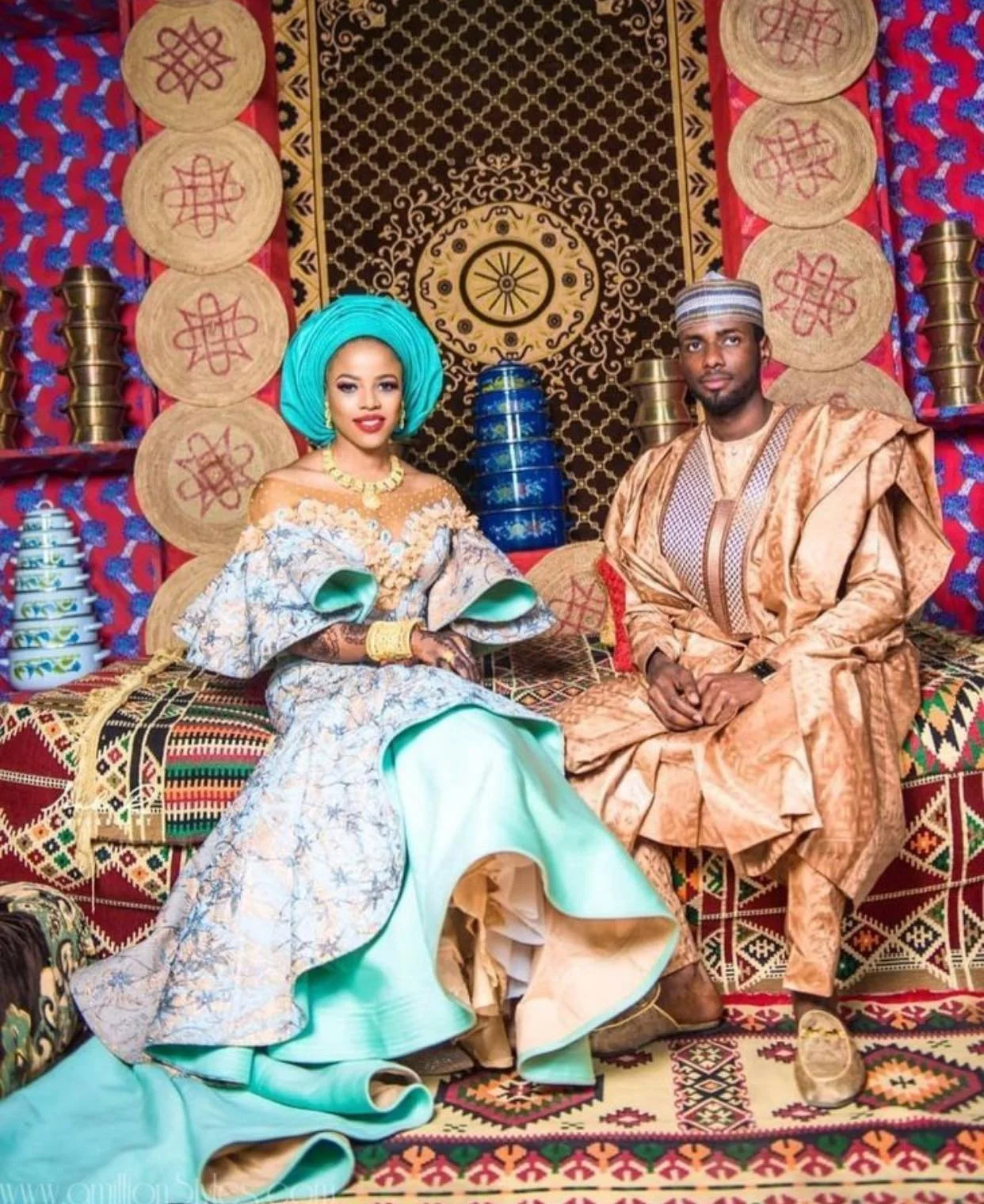
The Seven-Day Structure
Traditional Hausa weddings take place over seven days to create a smooth and meaningful transition for the couple and both families.
This is not about showing wealth. Every day serves a specific purpose. The process moves from negotiation and preparation to public celebration, blessings, and the bride’s careful move into her new home.
The structure reflects core Hausa and Islamic values: patience, community, modesty, and gratitude to God.
Day-by-Day Breakdown
Here is how a classic Hausa wedding often flows:
Days 1–2: Kamu (Negotiation and Agreement) Families formally agree on the marriage and settle the sadaki (bride price). This step builds respect between both sides.
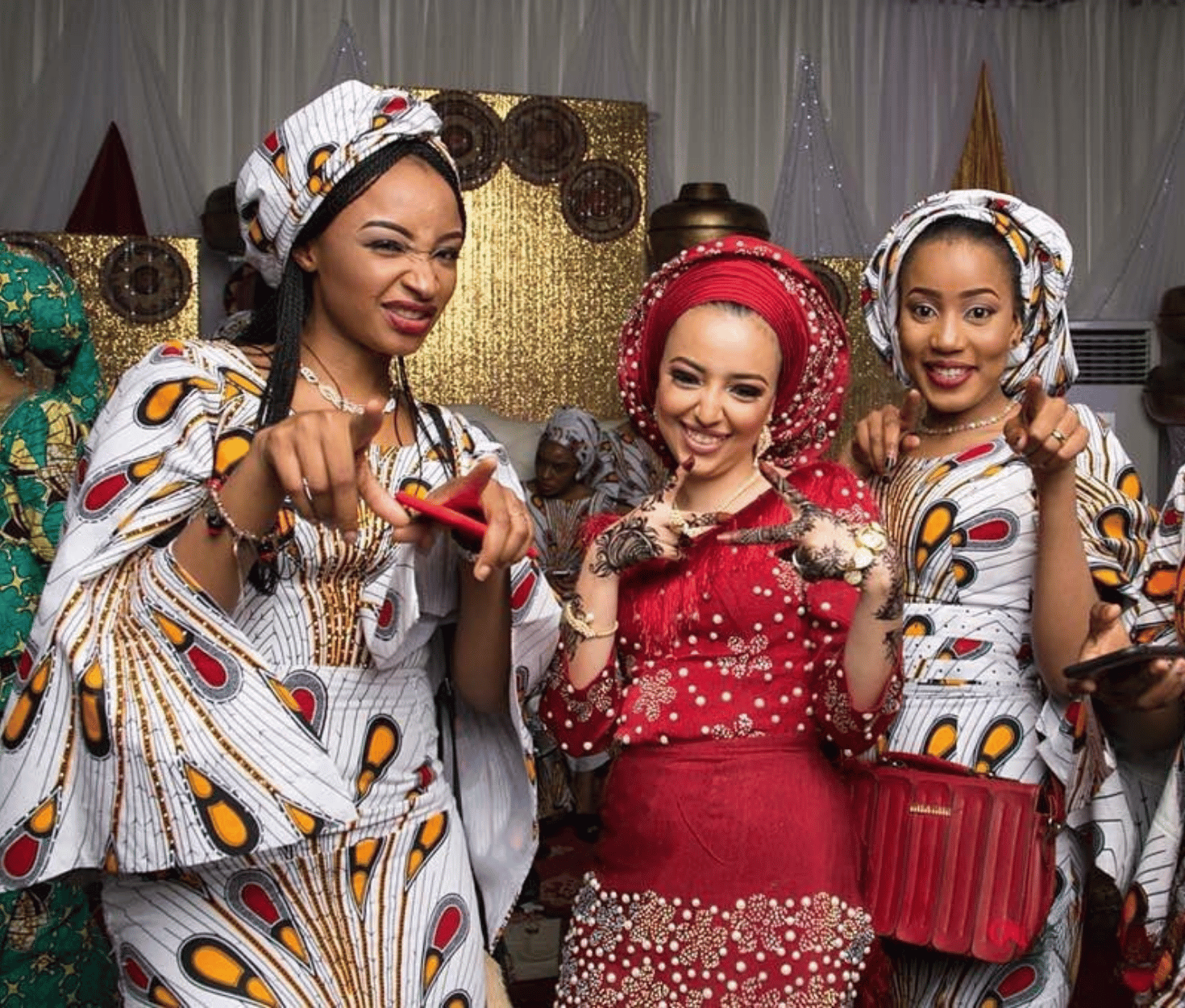
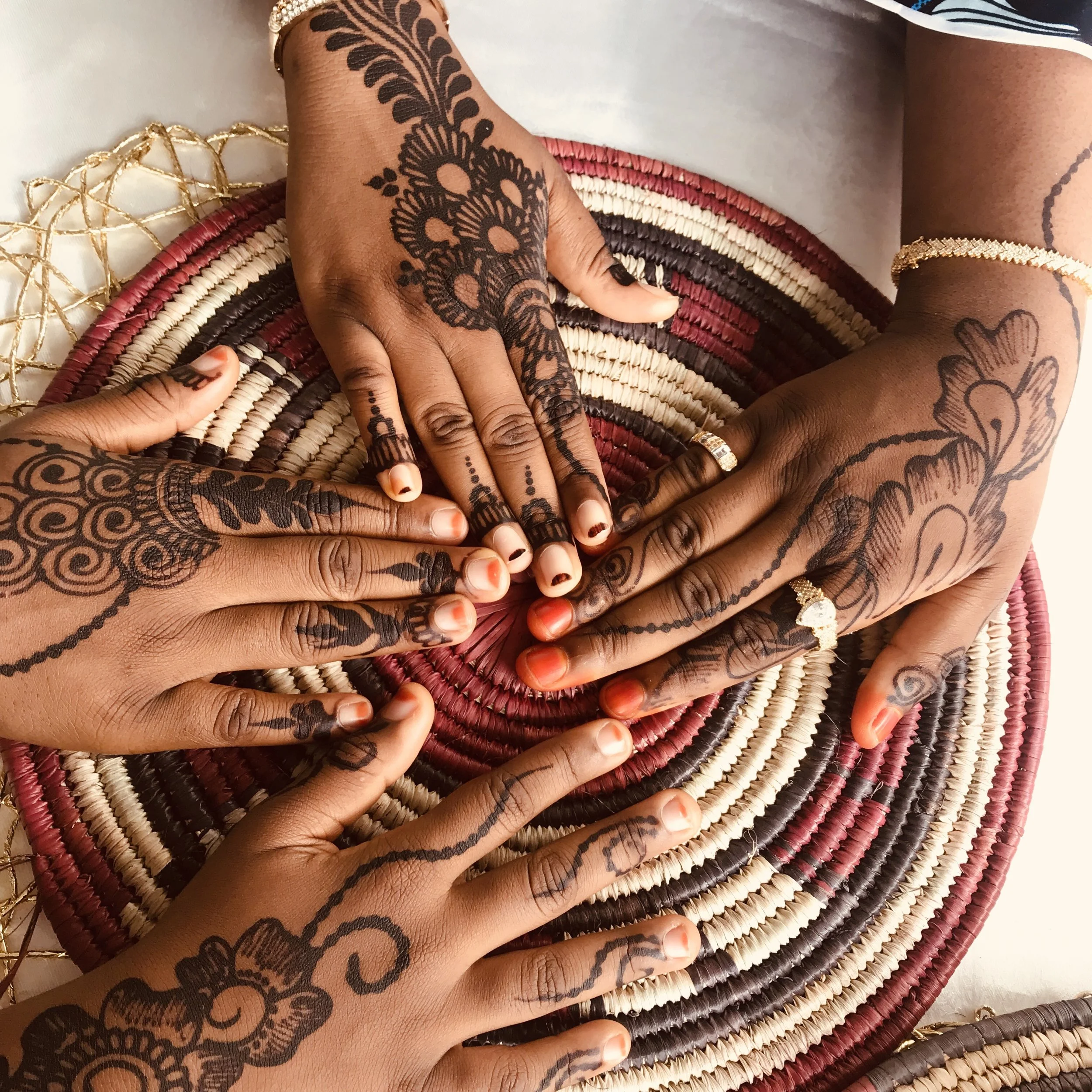
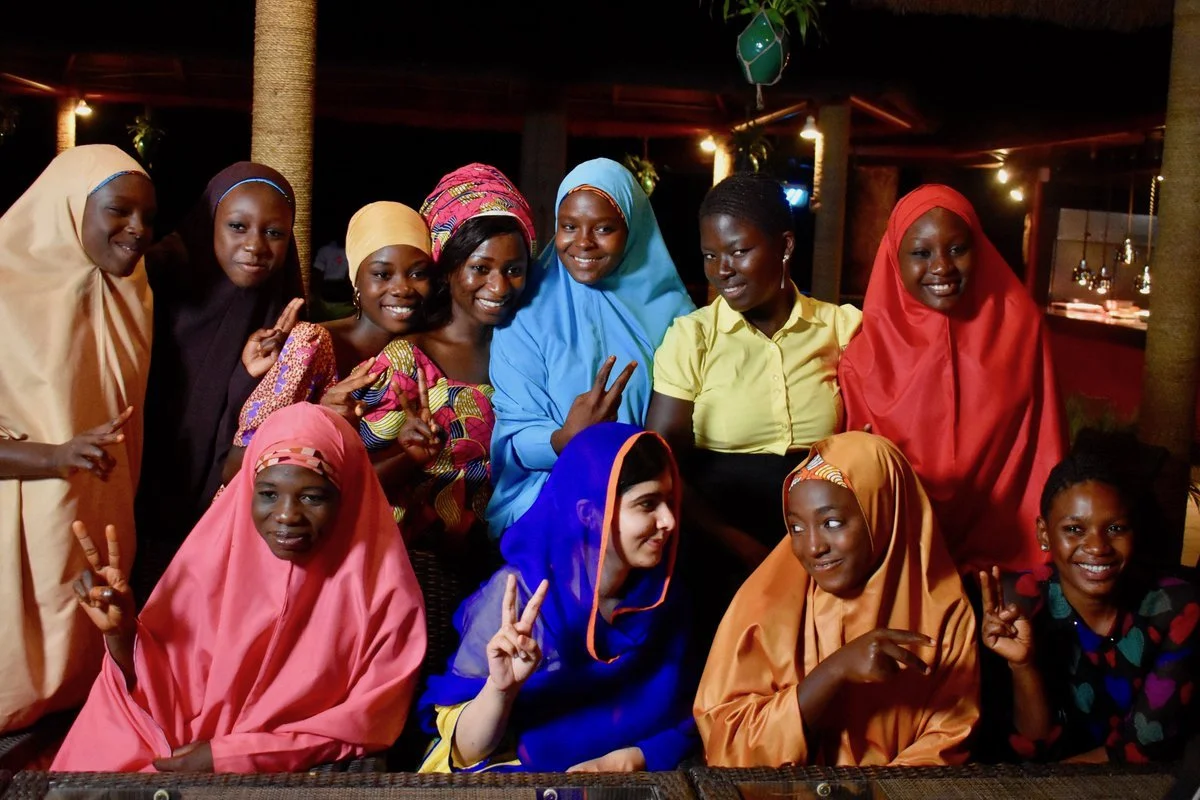
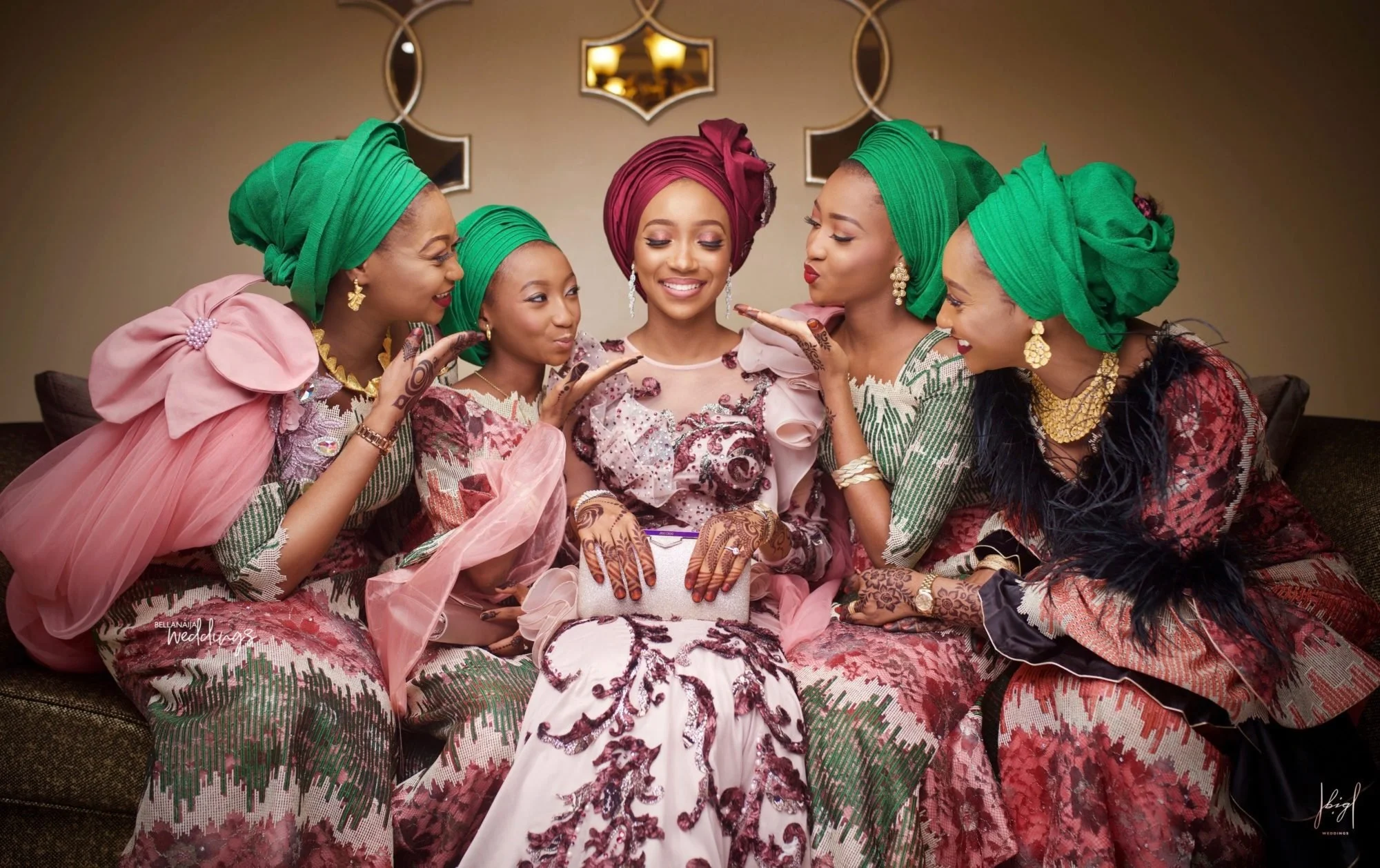
Day 3: Sa Lalle (Henna Night) The bride and her close friends apply henna. This is a joyful women-only gathering with singing, dancing, and bonding.
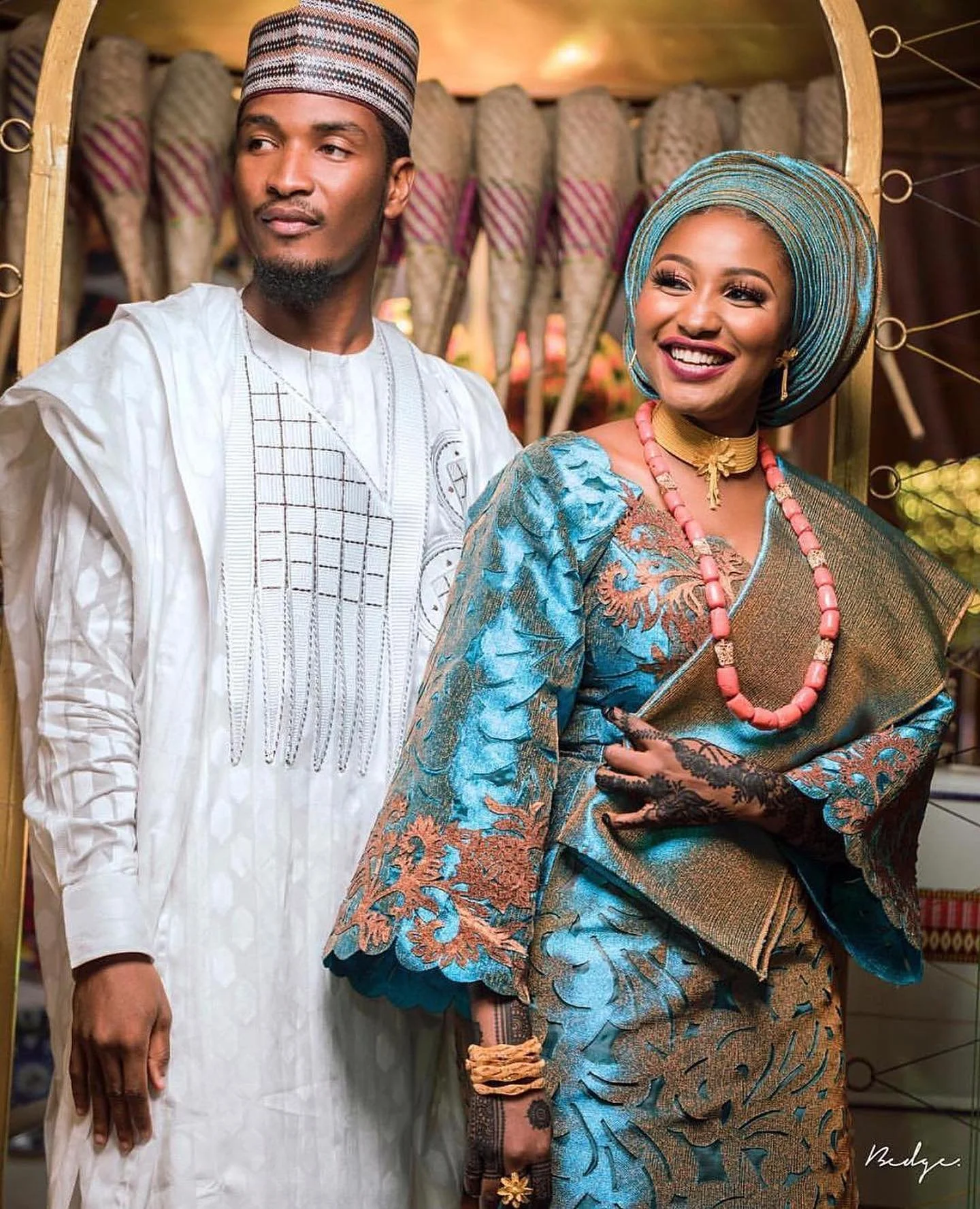
Day 4: Yinin Biki (Main Wedding Day / Fatiha) The Islamic marriage contract is performed. Prayers and blessings officially join the couple.
Day 5: Zaman Ajo (Waiting Period) The bride remains with her family while final preparations are completed. This gives her time to prepare emotionally.
Day 6: Kai Amariya (Procession to Groom’s House) The bride is taken to her husband’s home in a celebratory procession.
Day 7: Sayen Baki (Final Reception) The couple hosts guests, receives final blessings, and the bride begins settling into her new life.
These stages create space for rest, reflection, and full community participation.


The Social Logic
Spreading the wedding over seven days serves clear social purposes.
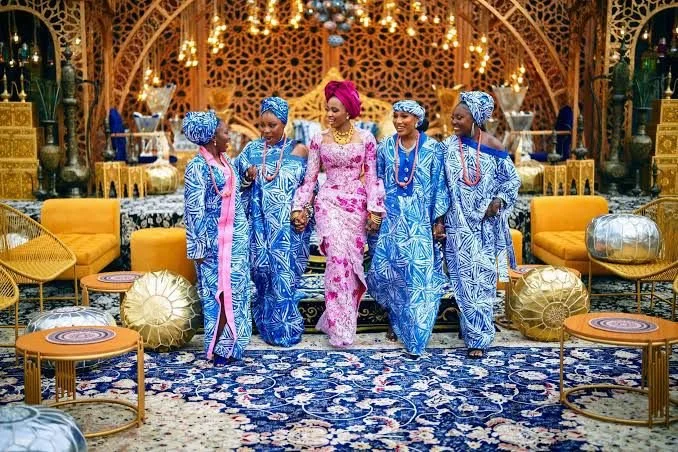
It gives both families enough time to know each other properly. Extended relatives and community members can attend without pressure. The gradual process reduces stress on the bride and helps her move from her father’s house to her husband’s with dignity and support.
In a culture that values extended family, this approach turns a marriage into a strong alliance between two families.
The Spiritual Logic
The seven-day timeline also carries deep spiritual meaning.
Each major stage includes prayers and Quranic recitations asking for protection and blessings. The number seven holds importance in Islamic tradition. Spacing out the events allows continuous prayers for the couple’s happiness, peace, and future together.
The slow pace shows respect for marriage as a serious covenant, not just a party. It gives the union a strong spiritual foundation from the beginning.
How Modern Weddings Are Changing
Today many urban weddings compress everything into two or three days because of busy schedules and costs. Still, most families try to keep the important rituals such as sa lalle, fatiha, and kai amariya.
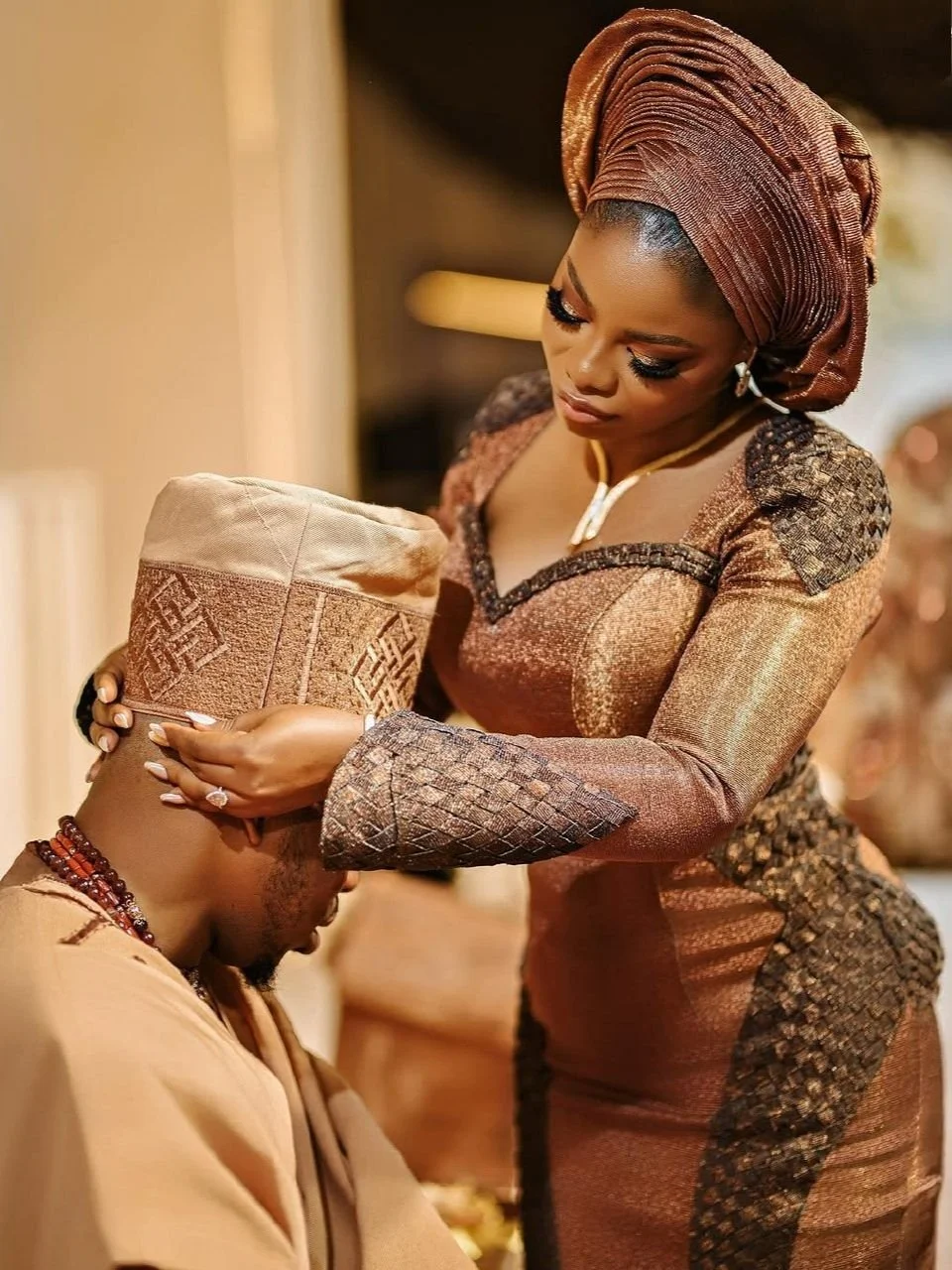
The core idea remains the same. Marriage deserves time, care, and strong community support.
Frequently Asked Questions
Why exactly seven days?
It gives enough time for negotiation, preparation, religious rites, and the bride’s smooth transition while honoring tradition.
Is a seven-day wedding mandatory today?
No. Many couples now shorten it, but traditional families still prefer the full experience when they can.
What is the most important day?
The Fatiha day, when the Islamic marriage contract is performed. This is when the union becomes official.
What happens on Sa Lalle day?
It is the joyful henna night for the bride and her female friends, filled with music, food, and laughter.
Do men and women celebrate separately?
Yes. Many parts of the celebration are gender-separated, in line with Hausa values of modesty and respect.
A seven-day Hausa wedding shows thoughtful living. It proves that building a strong marriage needs time, community, prayer, and patience.
Understanding this helps you appreciate how deeply Hausa culture honors one of life’s biggest transitions.
Want to explore more Hausa traditions? NKENNE has detailed guides on culture, language, and heritage. Come join us and keep learning.