
Domoda: The Rich Peanut-Tomato Stew That Feels Like Home Across West Africa
By: Yvonne Mag-Usara
Some dishes taste like they were designed for comfort. Domoda is one of them. The rich smell of peanut, tomato, onions, and slow-cooked meat fills the kitchen long before the food reaches the table, creating the kind of warmth people instantly associate with home cooking across parts of West Africa.
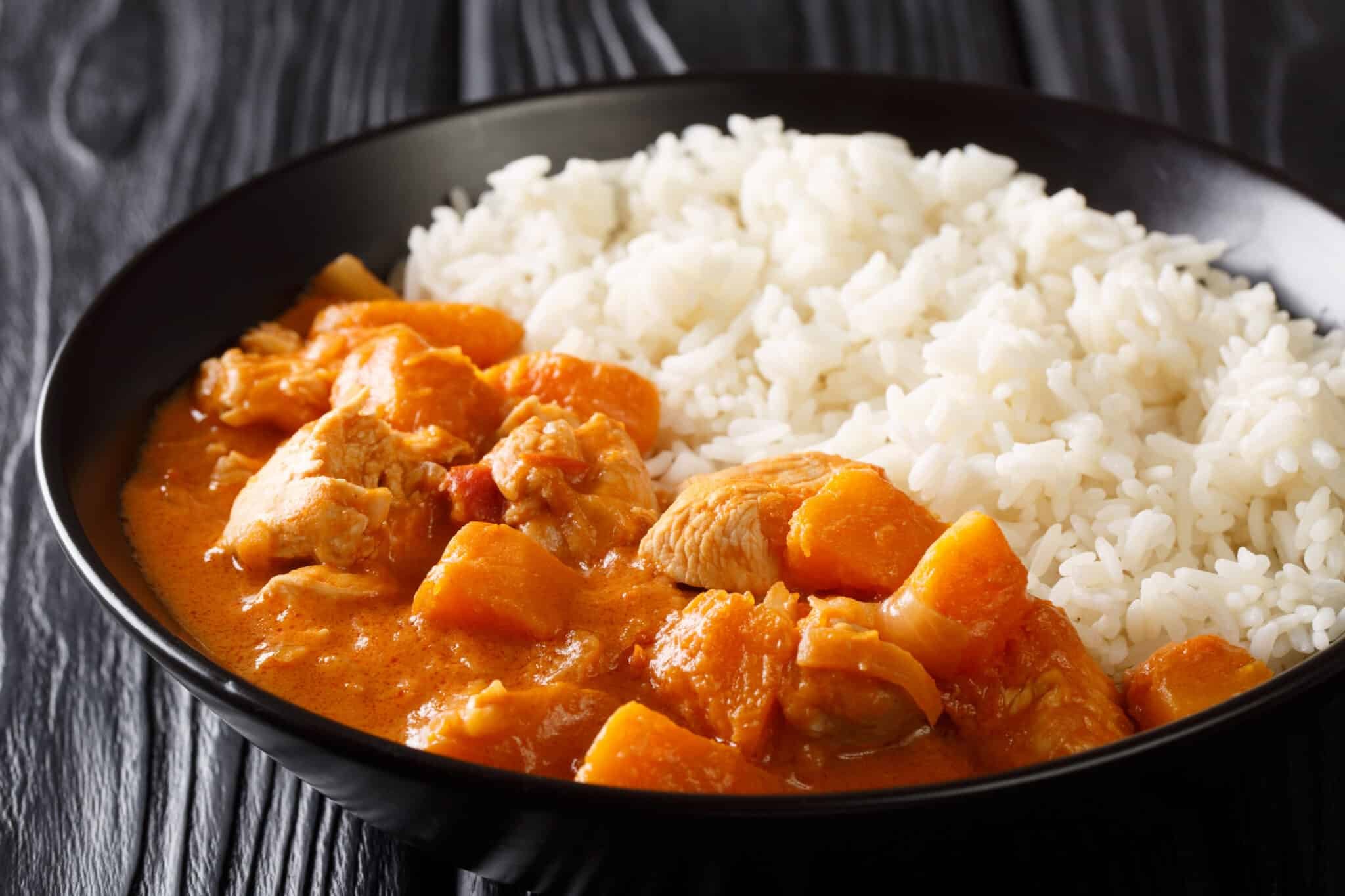
Popular in The Gambia and closely tied to Wolof food traditions, Domoda is a deeply flavorful peanut-tomato stew usually served over rice. Often compared to mafé, it has its own distinct character: richer tomato flavor, a slightly tangy finish, and a smooth peanut base that makes every bite deeply satisfying.
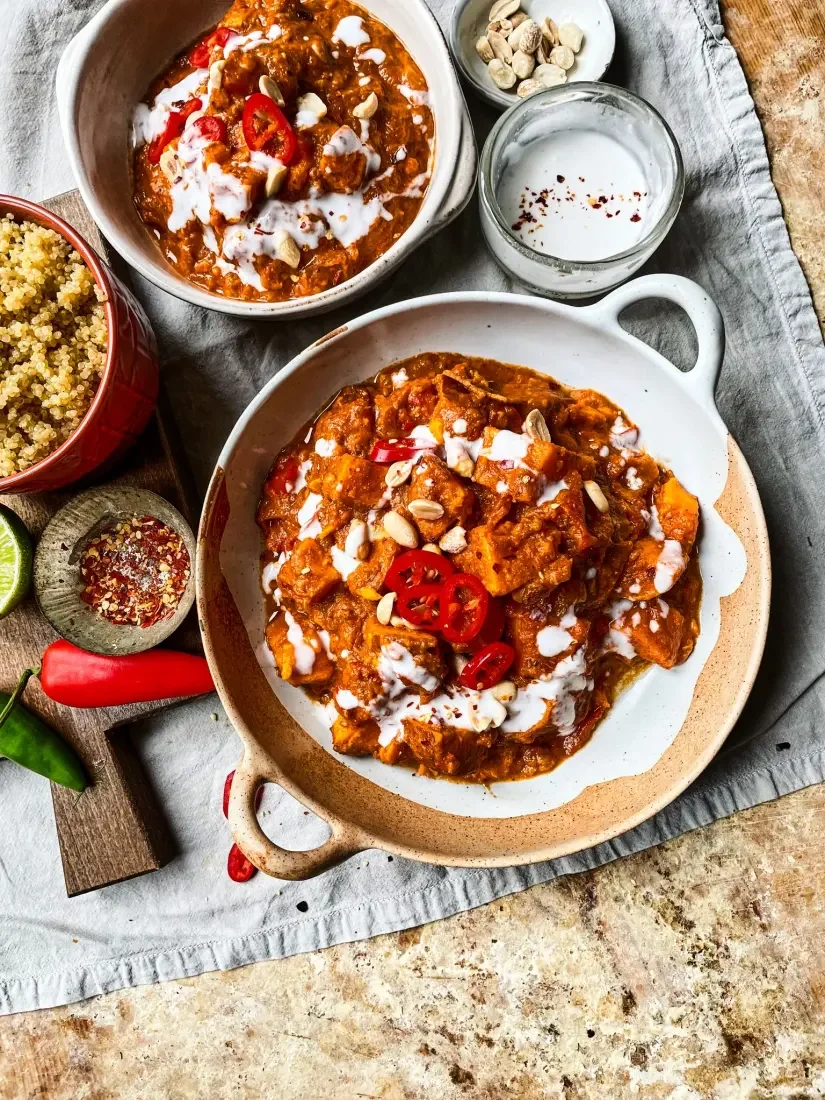
What Is Domoda?
Domoda, sometimes spelled Domodah, is a traditional peanut-based stew commonly associated with Gambian cuisine and Wolof-speaking communities in Senegal.
The dish combines peanut butter, tomato, onions, spices, and meat into a thick, rich stew usually eaten with rice. Beef and lamb are especially common, though some versions include fish or vegetables instead.
Like many West African dishes, Domoda transforms simple ingredients into something deeply layered and comforting.
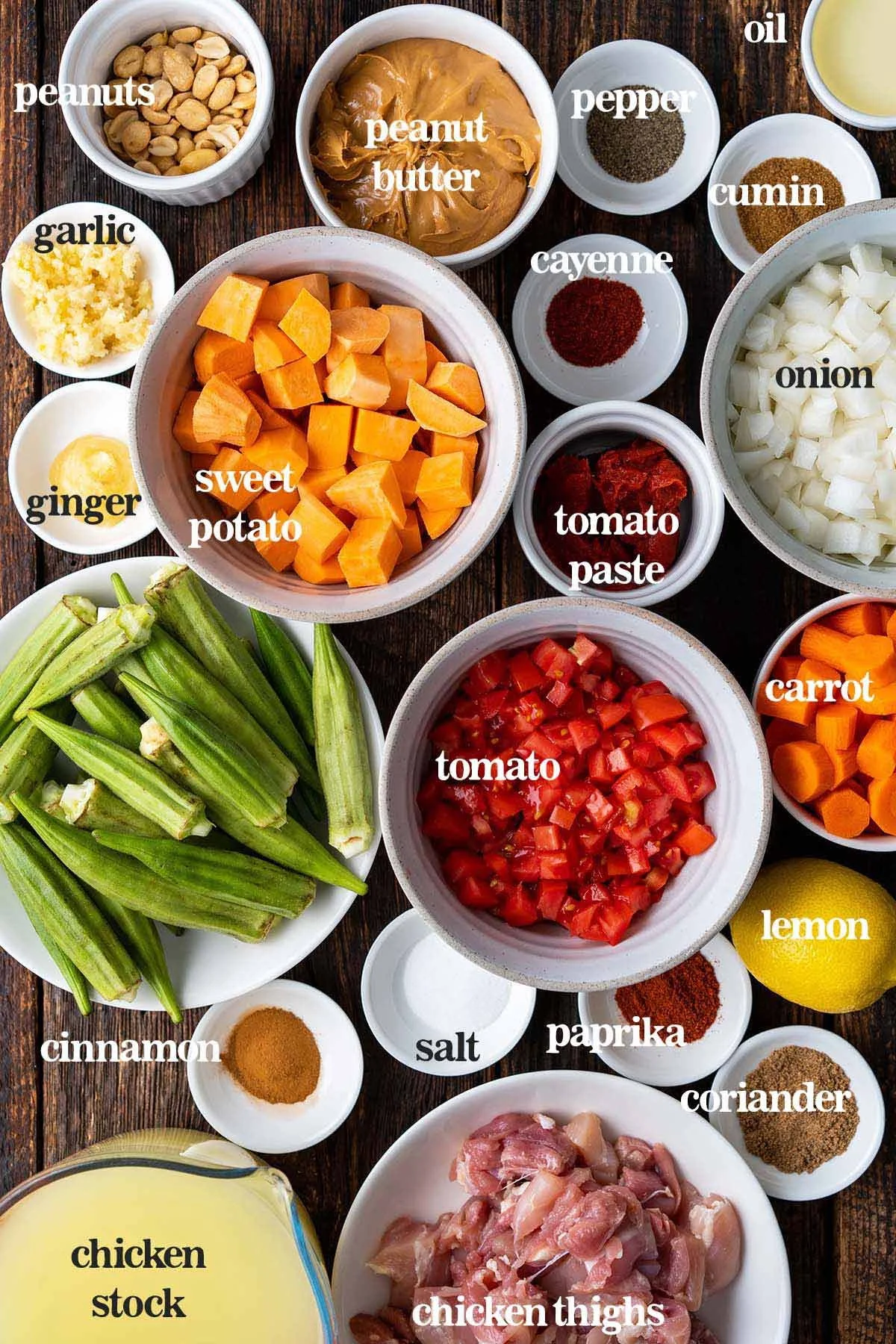
Key Ingredients for Authentic Flavor
You need these core ingredients:
Peanut butter
Tomato paste or fresh tomatoes
Beef or lamb
Onion
Garlic
Chili pepper
Stock or water
Oil
Rice for serving
Some recipes also include:
carrots
cabbage
sweet potatoes
cassava
The balance between peanut and tomato is what gives Domoda its signature flavor.
Step-by-Step Domoda Recipe
Ingredients (Serves 4)
500g beef or lamb, cut into chunks
1 large onion, chopped
3 garlic cloves, minced
3 tbsp tomato paste
1 cup peanut butter
1 chili pepper, chopped
4 cups water or stock
2 tbsp oil
Salt to taste
Cooked rice for serving
Steps
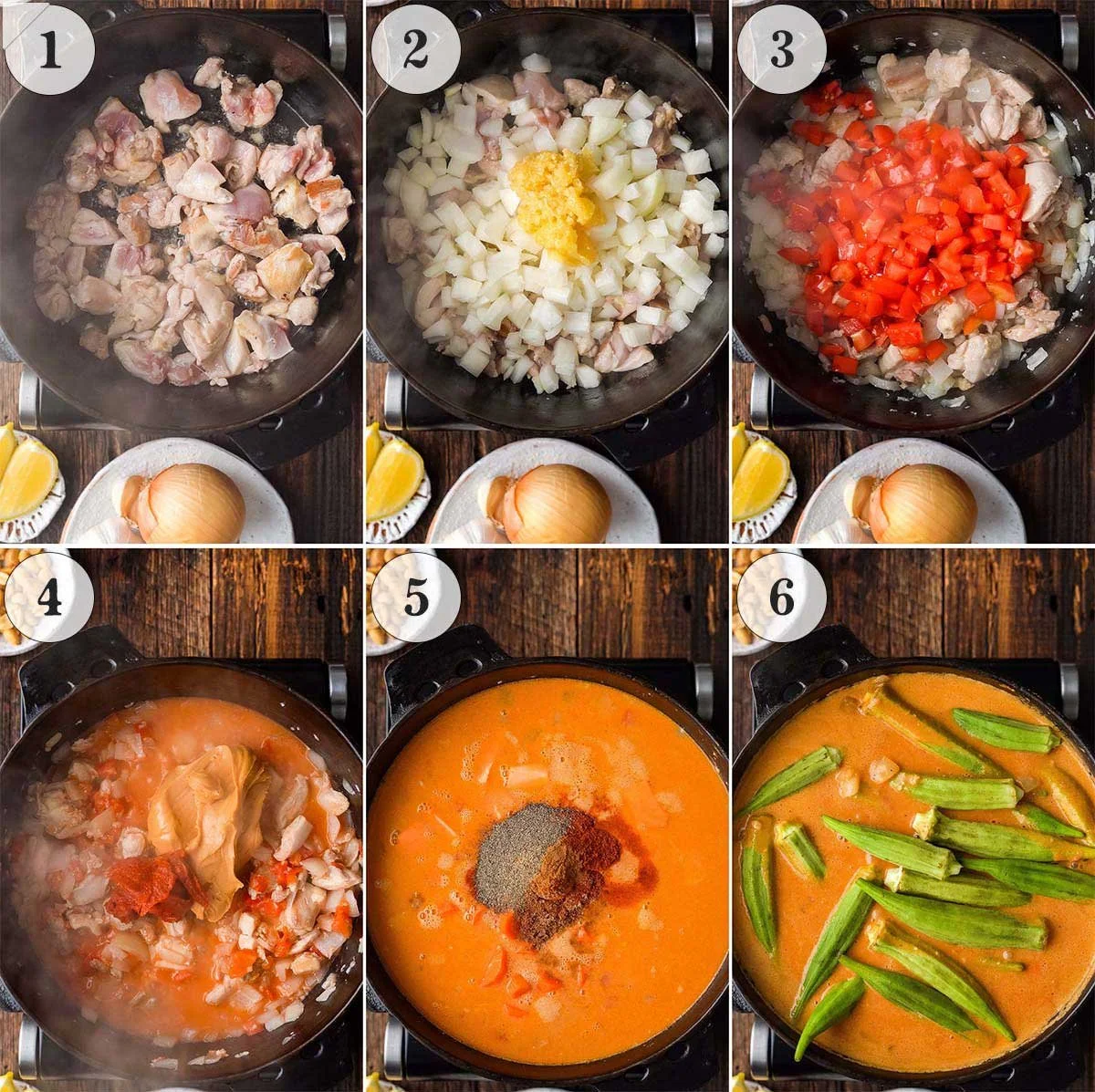
1. Brown the Meat
Heat oil in a large pot over medium heat.
Add the beef or lamb and cook until lightly browned on all sides.
2. Cook the Onion and Garlic
Add chopped onion and cook until soft, about 5 minutes.
Stir in garlic and chili pepper and cook for another minute until fragrant.
3. Build the Tomato Base
Add tomato paste and stir well.
Cook for 3–5 minutes to deepen the flavor and reduce acidity slightly.
4. Add the Peanut Mixture
Mix peanut butter with a little warm water until smooth.
Pour it into the pot and stir carefully to combine everything evenly.
5. Simmer Slowly
Add stock or water and bring the stew to a gentle simmer.
Cook for 30–40 minutes until the meat becomes tender and the sauce thickens.
Stir occasionally to prevent sticking.
6. Adjust and Serve
Taste and add salt if needed.
Serve hot over rice.
Some people also top the dish with extra chili for additional heat.
What Domoda Tastes Like
Domoda is rich, nutty, savory, and slightly tangy at the same time.
The peanut base gives the stew its creamy depth, while the tomato adds brightness that keeps the flavor balanced instead of heavy. Depending on the amount of chili used, it can also have a gentle heat that builds slowly.
It is the kind of meal that feels filling after only a few bites.
How Domoda Is Traditionally Served
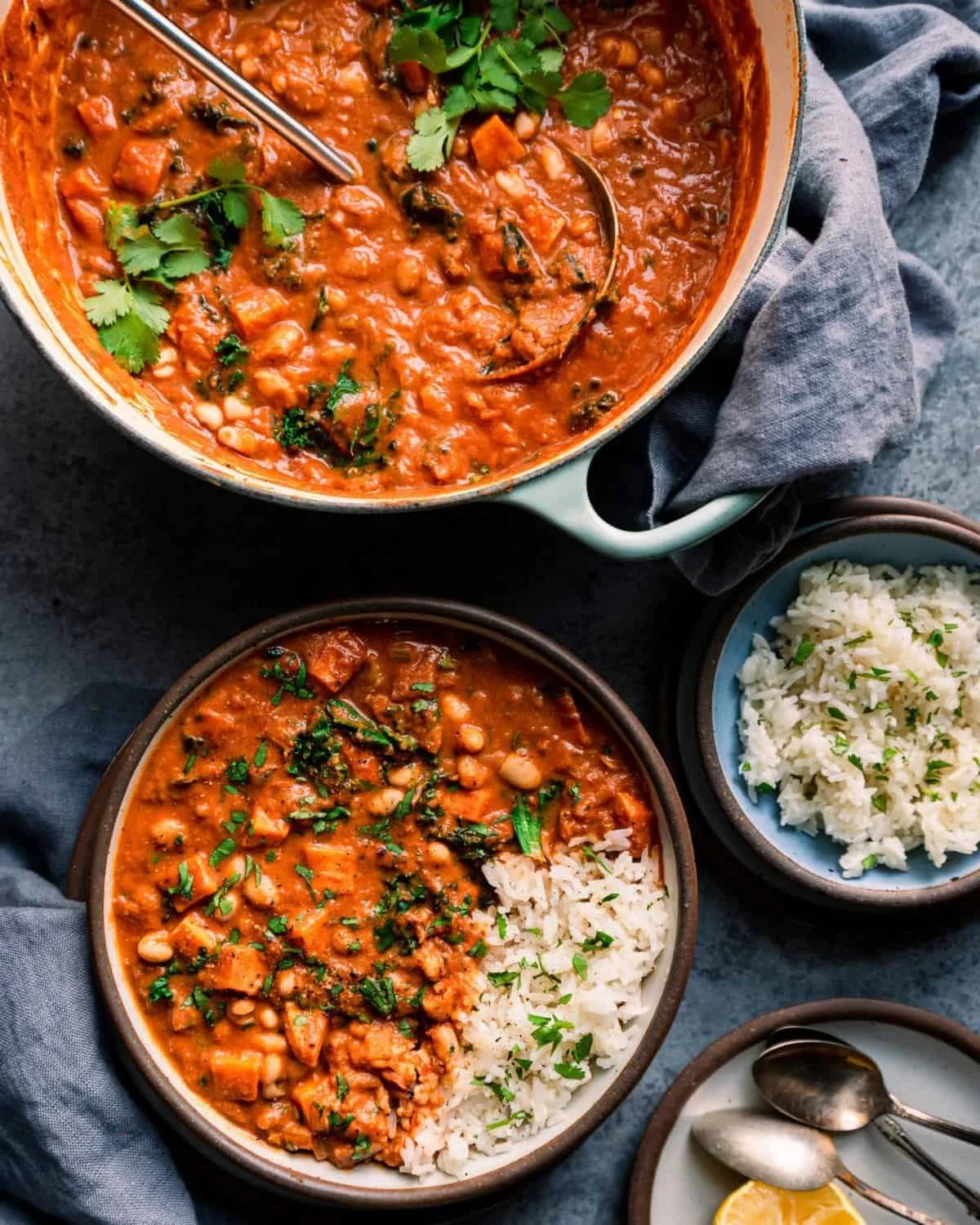
Domoda is almost always served with rice, allowing the sauce to soak into every bite.
In many Gambian and Wolof households, meals are shared communally from a large dish placed at the center of the table. Food becomes part of conversation, gathering, and everyday connection.
That communal style of eating remains an important part of many West African food traditions today.
Popular Variations
Spicy Domoda
Add extra chili peppers for more heat and intensity.
Vegetable Domoda
Some versions use sweet potatoes, carrots, cabbage, or cassava instead of meat.
Fish Domoda
In coastal areas, fish may replace beef or lamb for a lighter version of the stew.
Cultural Context and Everyday Cooking
Across parts of The Gambia and Senegal, Domoda is everyday food rather than special occasion food.
It is practical, filling, and designed to feed families well. Peanut-based stews have long been important in Wolof cooking because peanuts are widely used across the region in both savory dishes and sauces.
For many people in the African diaspora, dishes like Domoda also carry memory. The smell alone can remind someone of family kitchens, shared meals, and home.
Common Mistakes to Avoid
Using Too Much Peanut Butter
Too much peanut butter can overpower the tomato and make the stew overly heavy.
Cooking on High Heat
Slow simmering helps the flavors combine properly and prevents the sauce from separating.
Skipping the Tomato Step
Cooking the tomato paste properly before adding liquid helps deepen the flavor significantly.
FAQs
What is Domoda?
Domoda is a traditional West African peanut-tomato stew commonly associated with Gambian cuisine.
What does Domoda taste like?
It tastes rich, nutty, savory, and slightly tangy from the tomato base.
Is Domoda the same as mafé?
They are similar peanut stews, but Domoda usually has a stronger tomato flavor and slightly sharper depth.
What meat is used in Domoda?
Many recipes use beef or lamb, though fish and vegetable versions also exist.
What is Domoda served with?
Domoda is most commonly served with rice.
Conclusion
Domoda reflects the kind of cooking that turns simple ingredients into something deeply comforting and memorable. The peanut base gives the stew richness, while the tomato and spices create balance and depth that keep each bite satisfying.
More than anything, it represents the warmth of everyday Wolof home cooking and the food traditions that continue connecting families and communities across generations.
Want to explore more traditional Wolof dishes and the languages connected to them? NKENNE’s cultural guides and Wolof lessons help you dive deeper into the food, traditions, and everyday conversations that shape communities across The Gambia, Senegal, and beyond. Start your journey today.