
By: Yvonne Mag-usara
Bread can tell you how a city eats. In Kano, gurasa belongs to the baker’s working day, the roadside food stand, and the quick meal assembled from what is close at hand.
This guide explains what makes the bread distinctive, how to prepare a practical pan version, and how toppings turn it into bandashe. Along the way, you will learn a few Hausa words connected to its ingredients and everyday use.
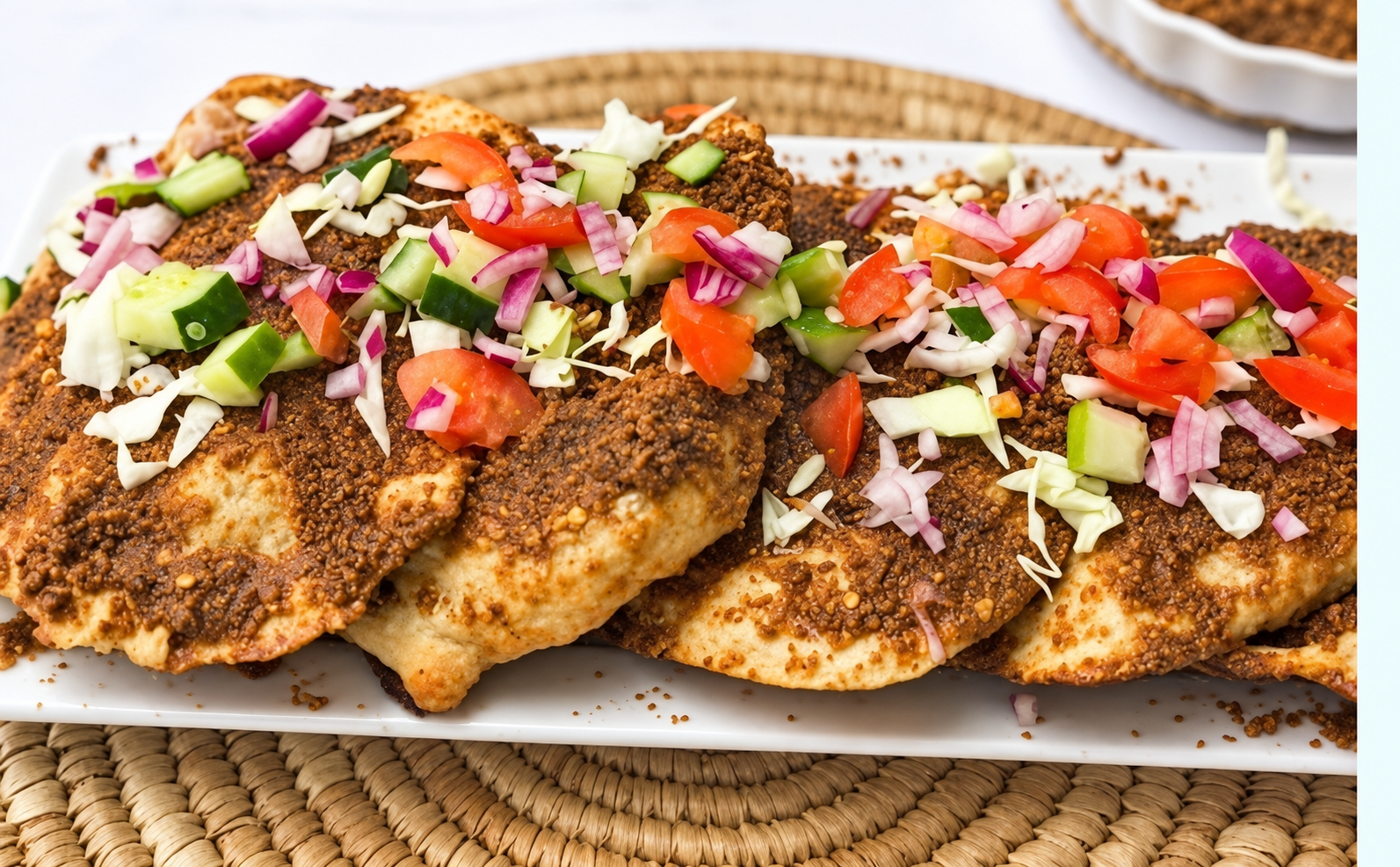
Credit: @abbasmusakharamarh on Facebook
Soft gurasa topped with groundnut seasoning and chopped vegetables, bringing together bread, crunch, and spice in a familiar Kano street-food meal.
What Is Gurasa?
Gurasa is a wheat-based, leavened flatbread closely associated with Kano in northern Nigeria. It has a soft interior and a surface that can develop brown patches as it cooks.
Traditional production uses a heated clay oven called a tanderu. Home cooks also prepare pan versions, which make the bread accessible without specialist equipment. The pan method below is a home adaptation rather than a reproduction of clay-oven baking.
Recipes vary in hydration and enrichment. Some use a sticky batter; others use a soft dough. This version uses dough that can be divided and flattened by hand
Why Gurasa Matters in Kano
Gurasa is also a livelihood. Reporting from Kano describes families passing bread-making work between generations, particularly around Jakara and nearby production areas.
Bakers, sellers, and customers give the bread a place in the city’s daily rhythm. Its usefulness is straightforward: it can be eaten plain, served with another food, or dressed into a more substantial meal.
For heritage learners, this offers a way into food culture beyond a list of famous dishes. Ask who baked the bread, how it was cooked, and what the family usually added to it.
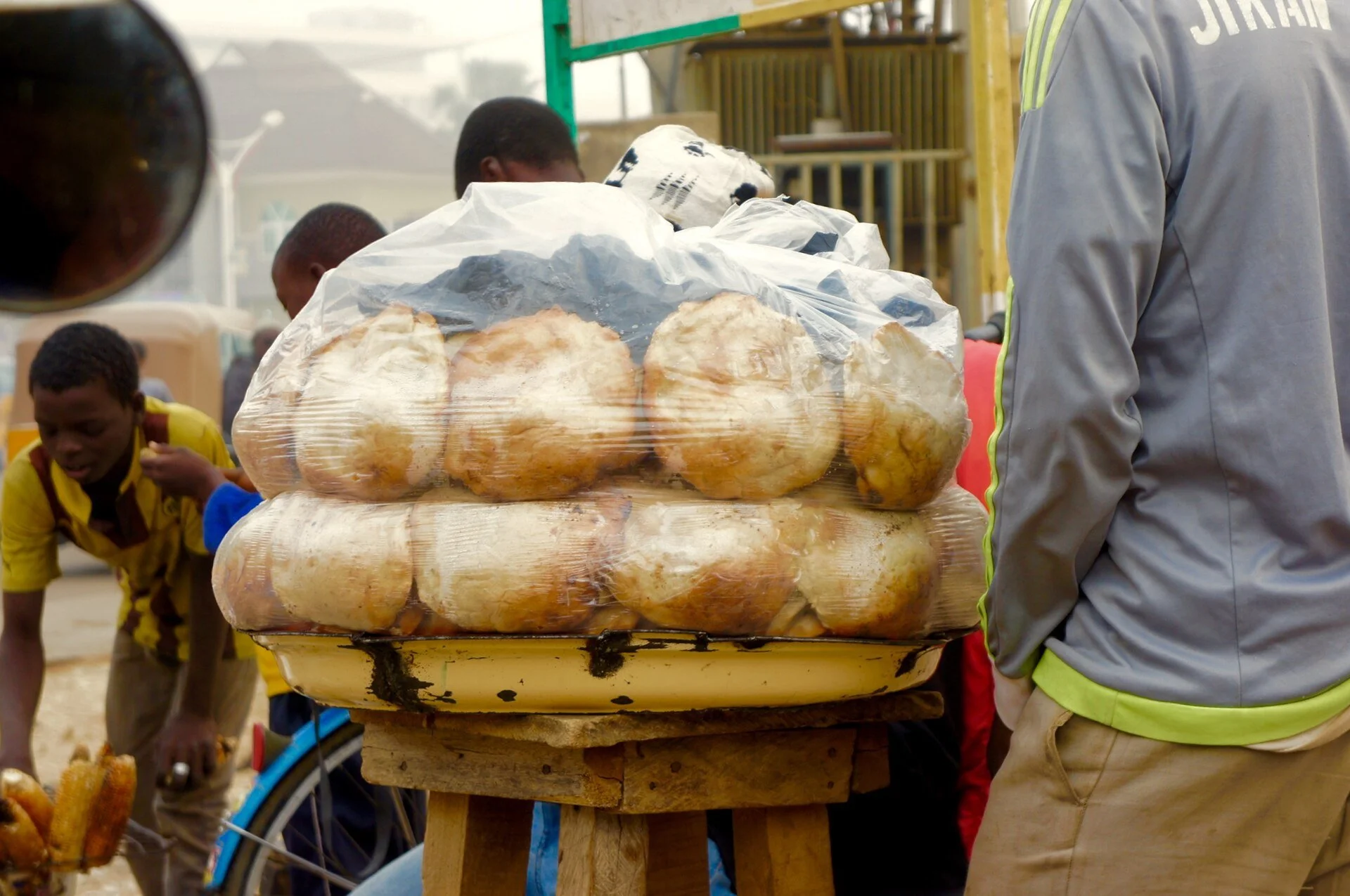
Credit: Fatima Bukar / Wikimedia Commons, CC BY-SA 4.0\
Gurasa displayed for sale shows the everyday trade behind a familiar northern Nigerian bread.
What Goes Into Gurasa?
The bread starts with a short ingredient list:
Wheat flour → Provides the structure.
Yeast → Helps the dough rise.
Water → Brings the flour together into a workable dough.
Salt → Seasons the bread.
A little sugar and oil → Add mild sweetness and tenderness in this home version.
Eggs, milk, sesame seeds, or baking powder appear in some published variations. They are not all required for the same batch.
The aim is a soft dough. Adding flour until it feels completely dry makes flattening easier but can leave the finished bread heavy.
How to Make Gurasa at Home
Makes: 6 medium flatbreads
Preparation: About 20 minutes
Rising and resting: Approximately 70–100 minutes
Cooking: About 20–30 minutes in batches
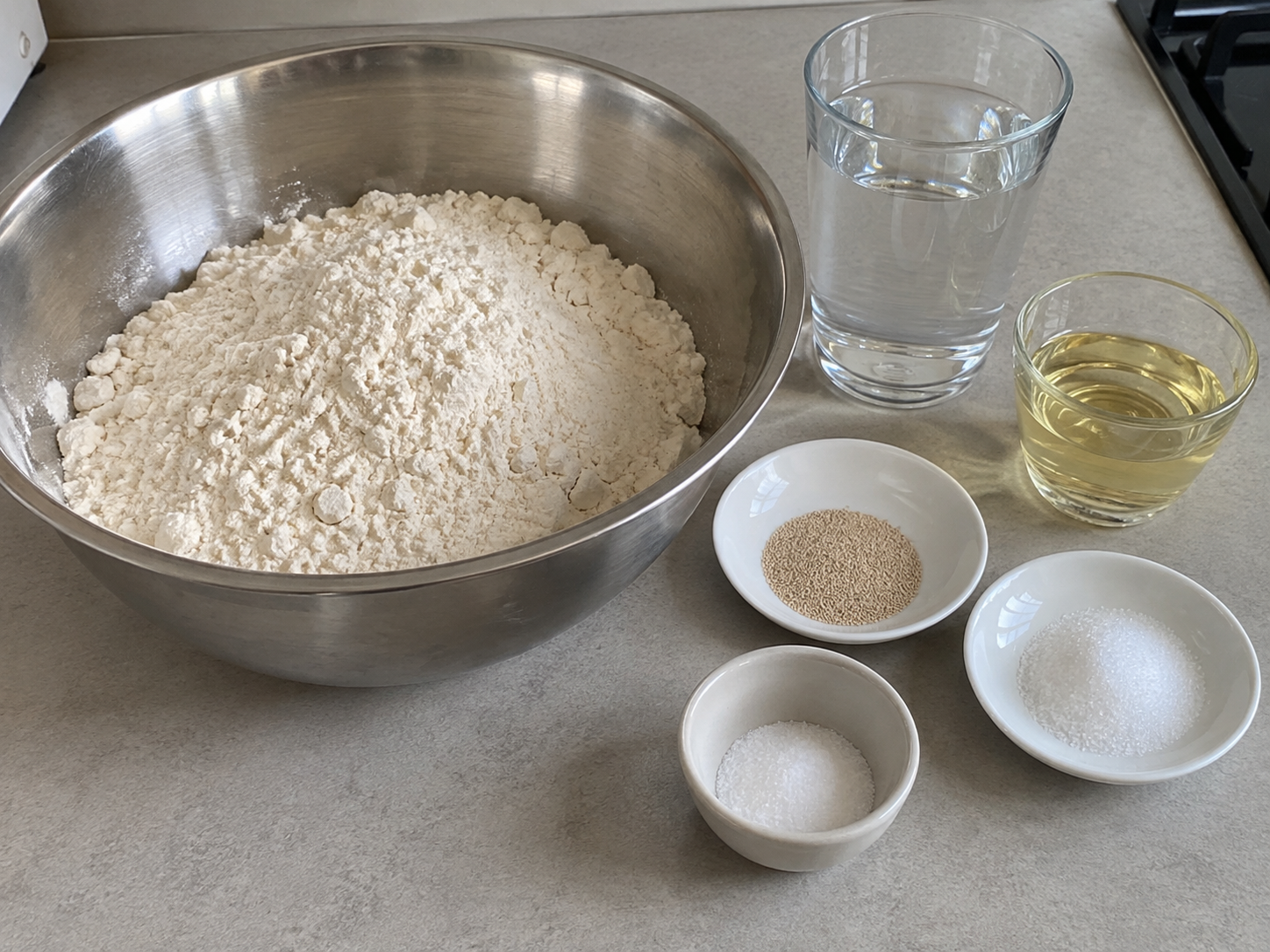
Ingredients
375 grams all-purpose wheat flour, approximately 3 level cups
1 teaspoon instant yeast
1 teaspoon sugar
¾ teaspoon fine salt
240 milliliters lukewarm water, plus a little more if needed
1 tablespoon neutral oil, plus a little for your hands and pan
Method
Mix. Combine the flour, yeast, sugar, and salt. Add the water gradually, then the oil, bringing everything into a soft dough.
Knead. Work the dough for 8–10 minutes until smoother and elastic. If it is stiff, knead in water a teaspoon at a time.
Let it rise. Cover in a lightly oiled bowl. Leave until roughly doubled, usually 60–90 minutes depending on room temperature.
Divide and rest. Press down gently, divide into six pieces, and cover for 10 minutes.
Flatten. With lightly oiled hands, press each piece into a round about 12–14 centimeters wide and roughly 7 millimeters thick.
Cook. Heat a heavy pan over medium-low heat and wipe with a little oil. Cook a round, covered, for about 3–4 minutes on each side. Adjust the heat so the center cooks before the surface darkens too much.
Keep soft. Transfer cooked breads to a clean towel and cover while you finish the batch. The inside should be cooked through, without a sticky, raw center.
This method follows the dough-and-pan approach used by Kano home cooks. Thickness, flour, and the pan will affect cooking time.
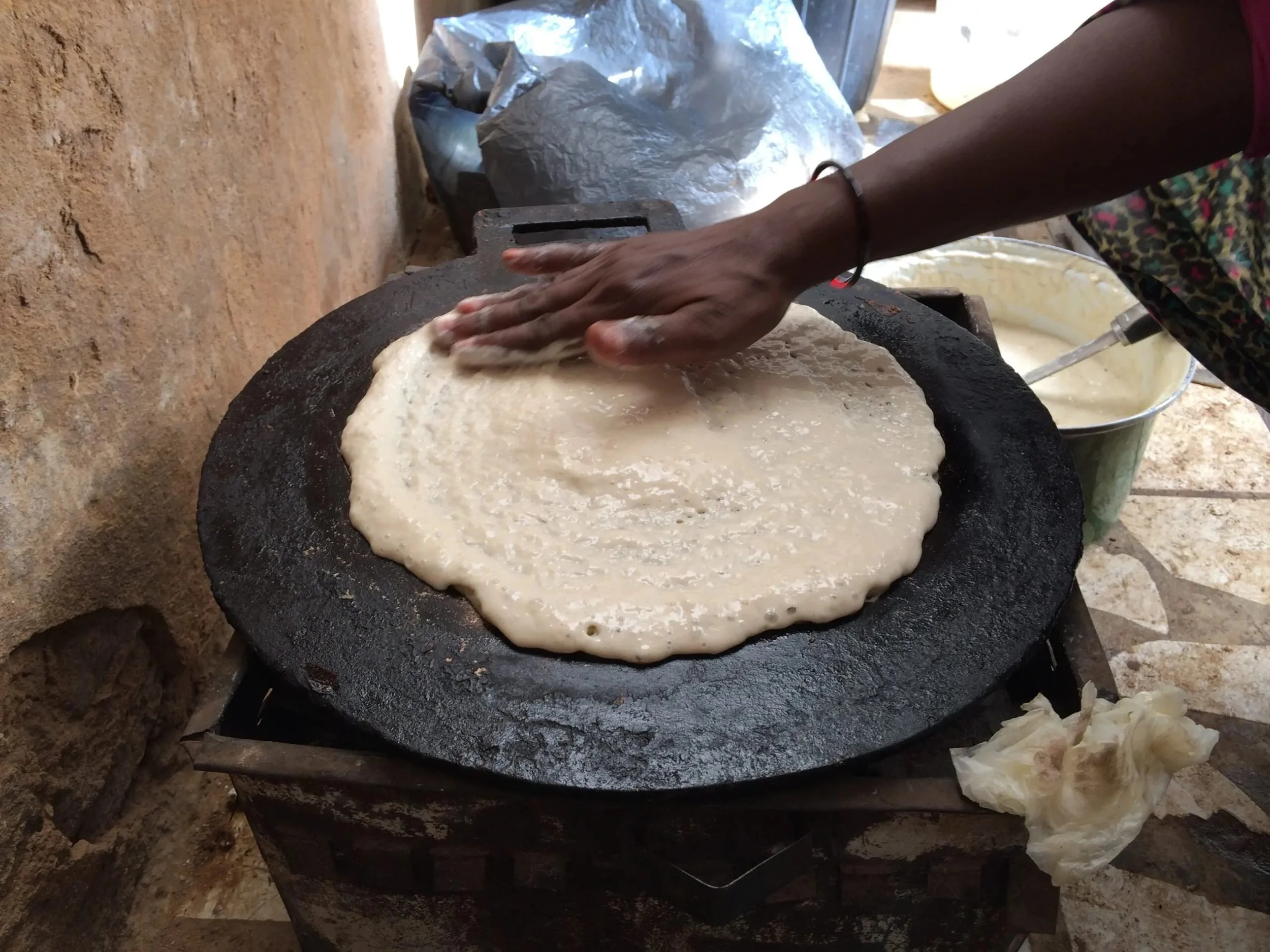
Credit: The Sudanese Kitchen
A Sudanese version of gurasa uses fermented wheat batter cooked into thick, soft flatbread, offering a different preparation from the Kano-style dough used here.
How to Serve Gurasa and Make Bandashe
Gurasa can accompany tea, grilled meat, or a savory sauce. Food writer Ozoz Sokoh describes its soft texture and the contrast provided by a crunchy kuli-kuli topping.
For a simple bandashe-style serving, tear or cut the bread into pieces. Add sliced onion, tomato, a little oil, and a groundnut-based pepper seasoning or crushed kuli-kuli. Toss lightly and adjust the pepper to taste.
Toppings differ between cooks. Begin with a small amount of oil and seasoning so the bread’s texture remains noticeable.
Allergen note: The bread contains wheat. Kuli-kuli and many yaji blends contain peanuts; check the seasoning ingredients before serving.
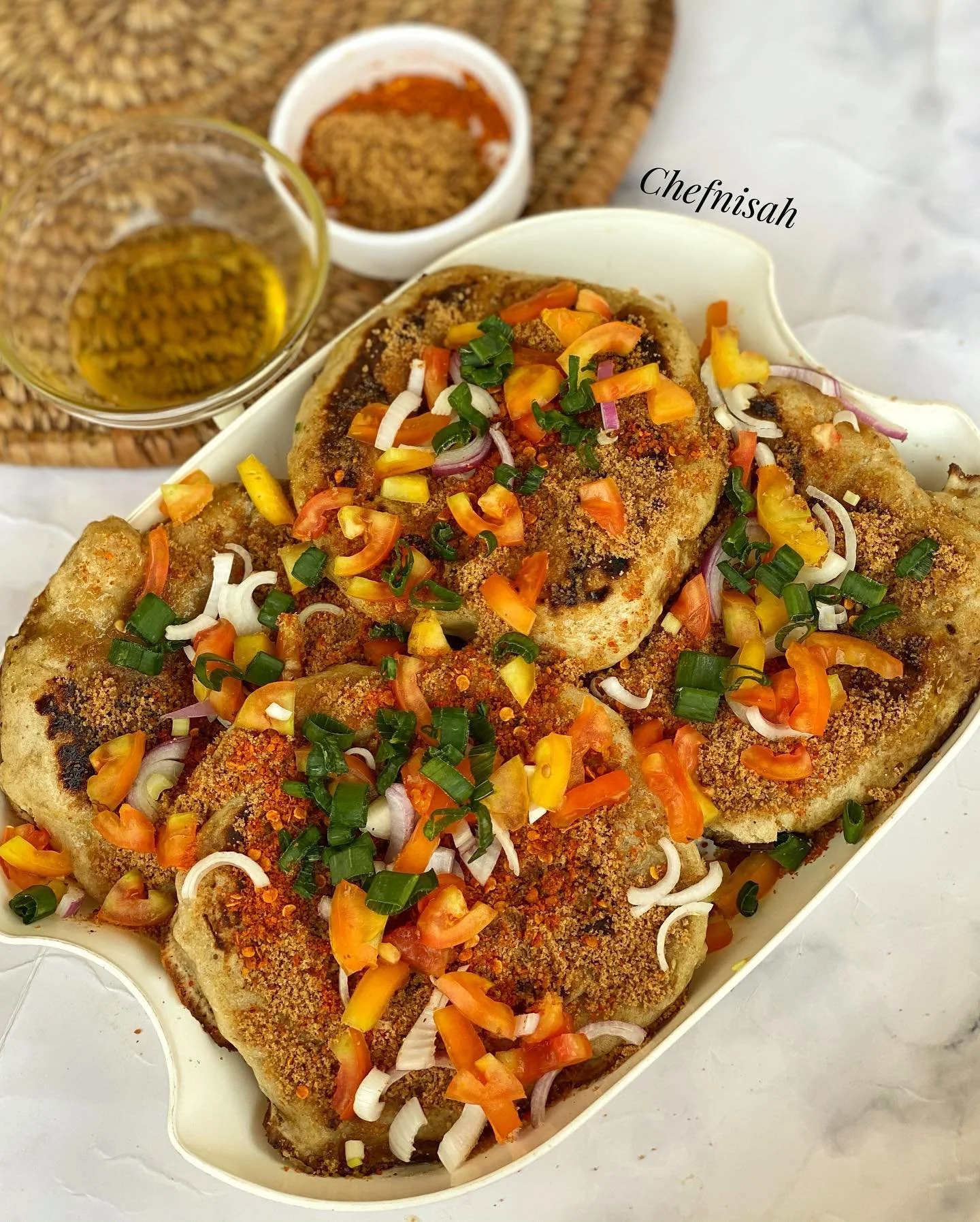
Credit: @the.chefnisah on Instagram
Groundnut seasoning, oil, and vegetables turn gurasa into bandashe, a familiar northern Nigerian meal.
Learning Hausa Through the Bread
Start with words you can connect to the ingredients:
Alkama → Wheat
Ruwa → Water
Gishiri → Salt
Mai → Oil
Albasa → Onion
Name each ingredient while preparing it. Then ask a Hausa-speaking relative how they would describe mixing, shaping, or serving the bread. A shared task gives the conversation somewhere natural to begin.
Continue with NKENNE’s guide to Hausa market culture, or compare wheat-based gurasa with Hausa masa rice cakes.
FAQs
What is gurasa made from?
Gurasa is commonly made with wheat flour, water, and yeast. Salt, sugar, oil, and other additions vary by recipe.
Is gurasa the same as masa?
No. Gurasa is a wheat flatbread, while the familiar Hausa masa is made from a rice-based batter and cooked in a pan with rounded wells.
Can I make gurasa without a clay oven?
Yes. A heavy pan makes a practical home version. Its texture and browning will differ from bread baked in a tanderu.
What is the difference between gurasa and bandashe?
Gurasa names the bread. Bandashe commonly refers to a dressed preparation using it, with additions such as oil, groundnut seasoning, and vegetables. Usage and preparation vary.
Why is my gurasa browned outside but doughy inside?
The pan may be too hot or the bread too thick. Flatten evenly, lower the heat, and give the center enough time to cook.
Conclusion
A familiar bread carries more than its ingredients. It also carries the knowledge of the person who knows when the dough has risen enough and how close it can sit to the heat.
Gurasa keeps that knowledge in everyday use. Bakers make it, sellers carry it into the street, and households turn it into different meals.
Making a pan version at home offers a starting point. Learning how someone from Kano prepares and remembers it gives that practice a fuller meaning.
Learn Hausa Through Food and Culture With NKENNE
With NKENNE, you can learn Hausa while exploring the markets, home kitchens, and everyday expressions that give the language meaning.
Start with the ingredients you can name, then keep learning until you can ask how the bread was made.
