
Creamy Coconut Maharage: Swahili Beans That Taste Like Family Sunday Dinner
By: Chimdindu Ken-Anaukwu
Imagine walking into your auntie's kitchen on a lazy Sunday afternoon. The air thick with the smell of simmering coconut, garlic, and spices. A big pot of maharage ya nazi bubbling on the stove. Tender red kidney beans swimming in rich, creamy sauce. That's comfort food Swahili-style. Simple ingredients, big flavor, and zero fuss.
Maharage ya nazi (kidney beans in coconut milk) is a staple along the Kenya and Tanzania coasts. It's vegetarian, hearty, and pairs perfectly as a main with rice or chapati, or as a side next to grilled fish or nyama choma. The coconut milk comes from Zanzibar's influence. Trade brought it, families perfected it. Today it's everyday eating that feels special.
In this post, I'll walk you through an authentic, home-style version. Use dried beans for depth or canned for speed. Either way, it tastes like home.
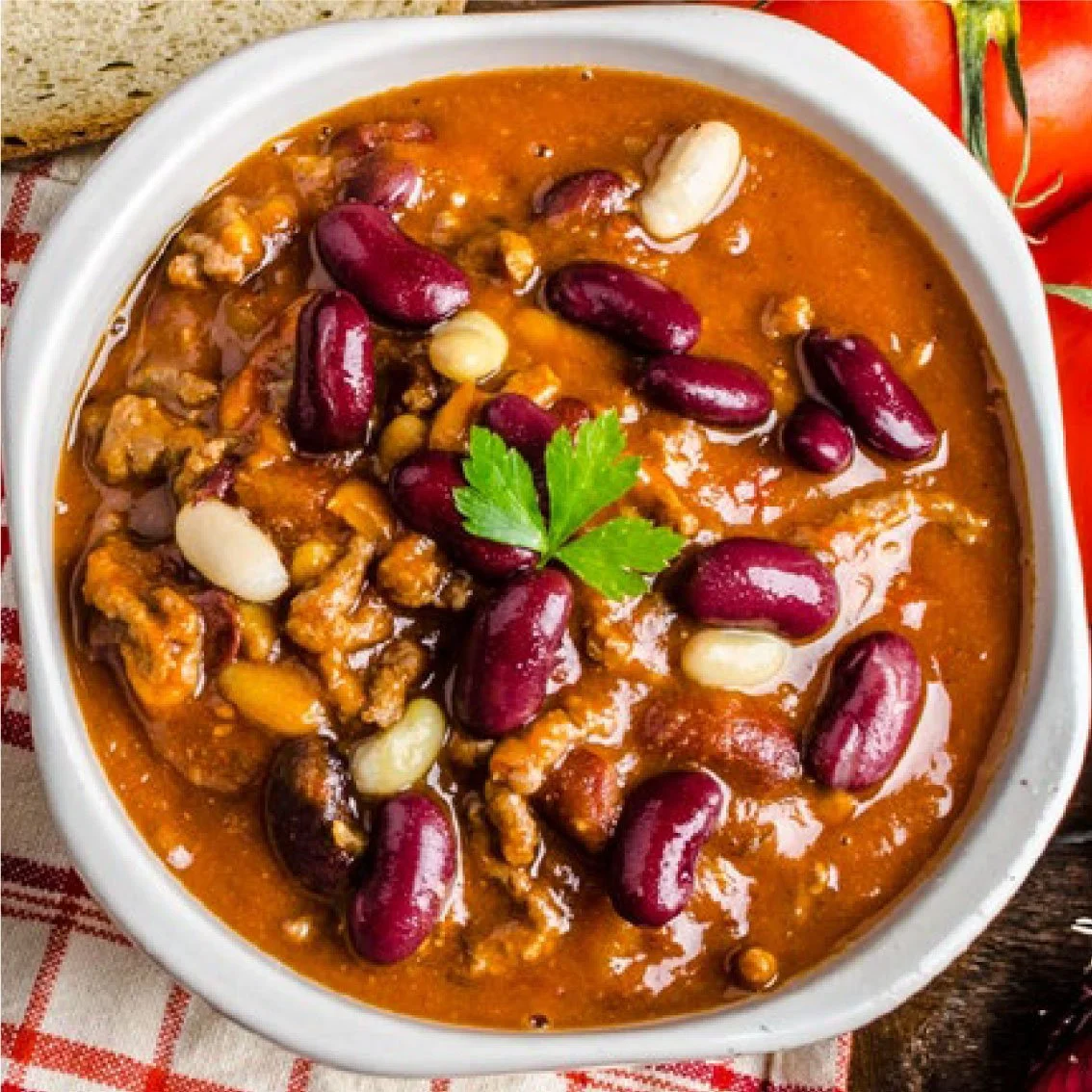
Why Maharage Ya Nazi Feels Like Family
This dish isn't fancy restaurant food. It's what shows up at family gatherings, after-church lunches, or when someone needs feeding without drama. Kidney beans (maharage) provide protein and heartiness. Coconut milk (nazi) adds that silky creaminess and subtle sweetness.
It's vegan by nature, gluten-free, and forgiving. If you overcook the beans a bit, they still taste great. Coastal Swahili homes often cook big batches on weekends. Leftovers get even better the next day.
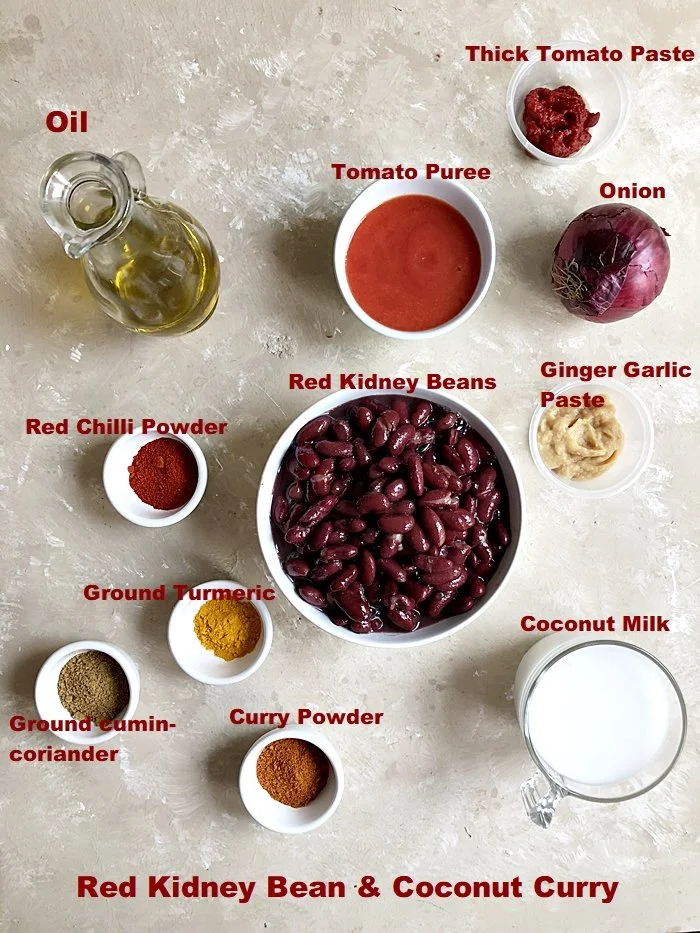
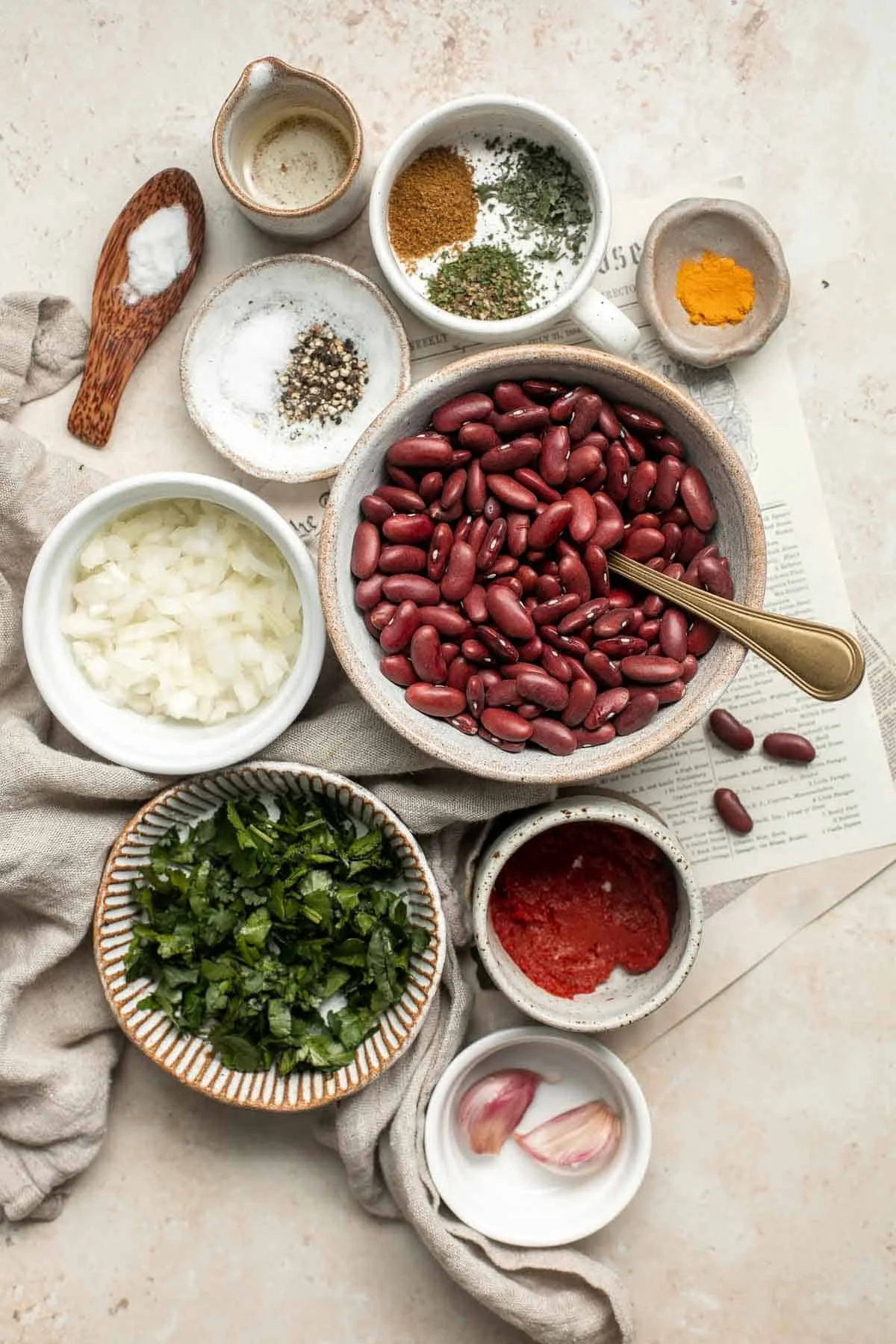
Ingredients You'll Need
Serves 4-6 as a main, 6-8 as a side.
1 cup dried red kidney beans (or 2 cans, drained and rinsed)
1 large onion, finely chopped
2-3 garlic cloves, minced
1-inch piece fresh ginger, minced or grated
2 medium tomatoes, chopped (or ½ cup tomato puree)
1-1½ cups coconut milk (full-fat for richer creaminess; light works too)
1 tsp ground turmeric
1 tsp ground coriander (optional but adds warmth)
½-1 tsp chili powder or fresh chilies (adjust to your heat level)
Salt to taste (start with 1½ tsp)
2-3 tbsp cooking oil (vegetable or coconut)
Fresh coriander (dhania) for garnish, chopped
Optional extras: 1 potato cubed, handful spinach, or a dash of curry powder
If using dried beans, soak them overnight in water. This cuts cooking time and makes them easier to digest.
Step-by-Step: How to Make It Right
Prep the beans (if dried): Soak overnight, then boil in fresh water until soft (about 45-60 minutes, or 3-4 whistles in a pressure cooker). Drain but save a bit of the cooking liquid if needed later.
1. Build the base Heat oil in a medium pot over medium heat. Add chopped onion. Cook until soft and golden, about 5-7 minutes. Don't rush. This sweetness is key.
2. Add aromatics Stir in garlic and ginger. Cook 1-2 minutes until fragrant. Add turmeric, coriander, and chili. Stir 30 seconds to bloom the spices.
3. Tomatoes in Add chopped tomatoes (or puree). Cook down until they break apart and form a thick paste, about 5 minutes. Season with salt here.
4. Beans meet coconut Add cooked (or canned) beans. Pour in coconut milk. Stir well. If it's too thick, add a splash of water or bean liquid. Bring to a gentle simmer.
5. Low and slow Cover and simmer 15-20 minutes. Stir occasionally. The sauce thickens, beans absorb flavor. Taste and adjust salt or spice.
6. Finish strong Turn off heat. Stir in fresh coriander. Let it sit 5 minutes. Flavors settle.
Total time: About 30-40 minutes with canned beans, longer with dried.
Serving Ideas Across the Coast
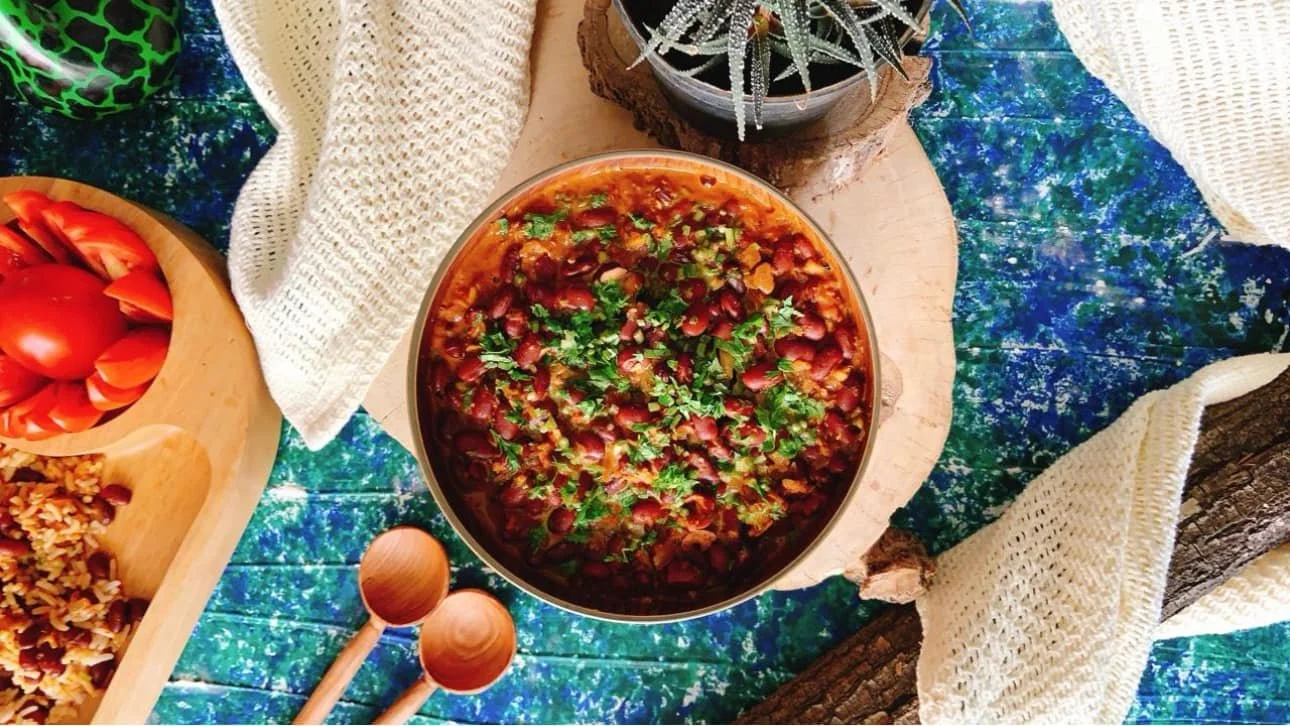
Classic coastal plate: Ladle over plain white rice (wali) or coconut rice. Add kachumbari (tomato-onion salad) on the side.
With chapati or mandazi: Scoop it up. No spoon needed.
Ugali twist: In inland Kenya spots, pair with ugali for that hearty contrast.
Make it a meal: Add cubed potatoes during simmering or spinach at the end for extra nutrition.
Leftovers? Reheat gently with a splash of water. Tastes better day two.
Quick Tips for the Best Results
Full-fat coconut milk gives the creamiest texture. Shake the can well.
Don't boil hard after adding coconut milk. It can separate. Gentle simmer only.
For extra depth, fry a few curry leaves or cumin seeds first.
If using canned beans, rinse to remove tinny taste.
Adjust heat. Swahili food is flavorful but not always fiery.
Start with this basic version. Once comfortable, tweak with what your family likes.
FAQs About Maharage Ya Nazi
Is maharage ya nazi the same as Indian rajma?
Close cousins, but Swahili version leans heavier on coconut milk and lighter on heavy spices. It's creamier and more coastal.
Can I make it with canned kidney beans?
Yes. Drain, rinse, and start from the onion step. Cuts time to under 30 minutes.
How spicy is it usually?
Mild to medium. Add fresh chilies or more powder if you like heat. Many coastal versions keep it gentle.
Is this dish vegan?
100% vegan and plant-based. No animal products needed.
What if I don't have fresh ginger or garlic?
Ground versions work in a pinch (½ tsp each), but fresh gives better aroma.
How long do leftovers last?
3-4 days in the fridge. Freezes well for up to a month.
This is more than beans in sauce. It's a taste of Swahili home life, where simple food brings people together. Make it once, and it'll become your go-to comfort dish.
Ready to build your Swahili kitchen skills? NKENNE offers practical lessons on coastal recipes, language, and culture. Start with our beginner Swahili food vocab module today. You'll be cooking and chatting like family in no time. Karibu kwa chakula!