
Amasi Magic: Traditional Sour Milk Drink You Can Make at Home
By: Chimdindu Ken-Anaukwu
Amasi is one of those foods that instantly feels like home for many Zulu people. This naturally fermented milk has a pleasantly tangy flavor and thick, creamy texture that is both refreshing and nourishing. Zulu families have enjoyed it for generations as a daily drink, a side to meals, and even in special ceremonies. In this guide, you will discover exactly how to ferment your own amasi safely at home, why it matters culturally, and simple, delicious ways to enjoy it every day.

What Is Amasi and Why It Matters in Zulu Culture
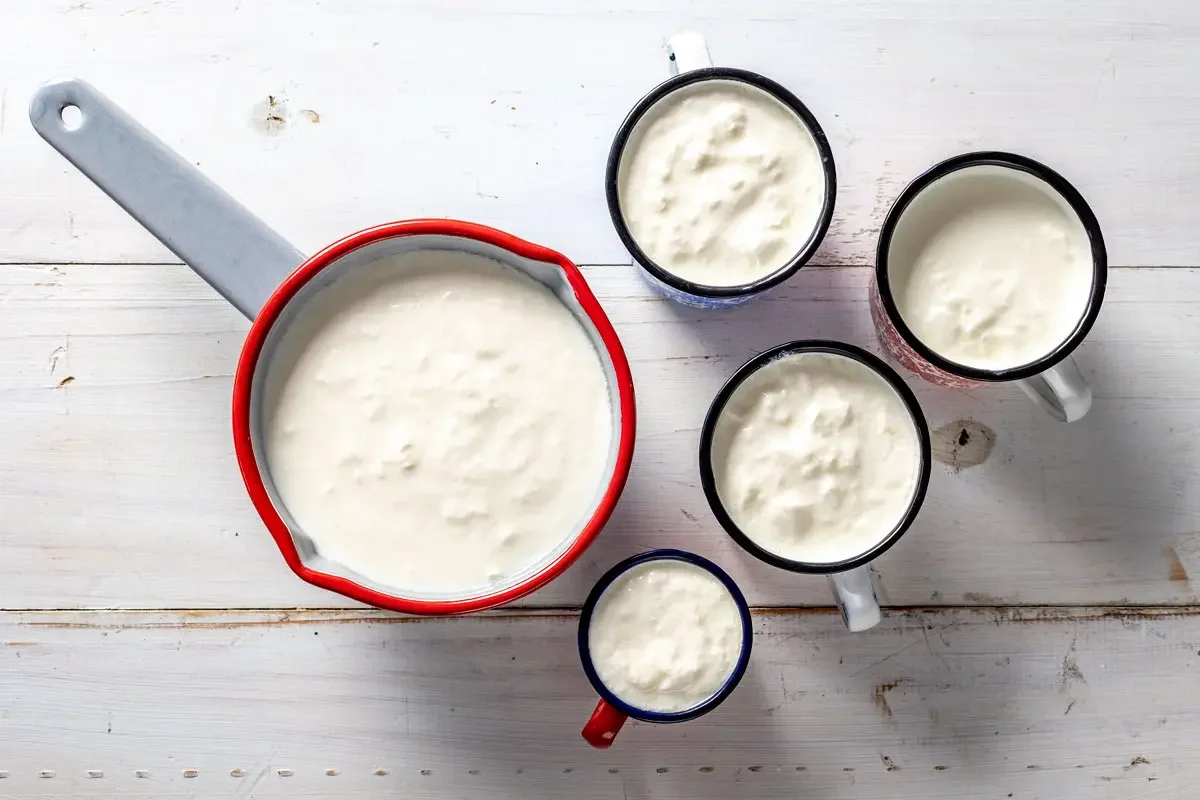
Amasi is fresh milk that has been allowed to ferment naturally until it becomes thick and sour.
It is similar to yogurt or kefir but has its own distinct tangy taste and slightly grainy texture from traditional methods.
In Zulu homes, amasi is a staple food. It provides affordable nutrition and a sense of comfort.
It often appears at breakfast with stiff pap or fresh bread. Elders and children alike drink it regularly.
Culturally, amasi also plays a role in rituals and offerings to ancestors. Sharing it strengthens family bonds and reflects the Zulu value of using what the land and animals provide.
Health Benefits of Traditional Amasi
The natural fermentation process creates beneficial probiotics that support gut health and digestion.
It is rich in protein, calcium, and vitamins, making it especially good for growing children and active adults.
Because it is fermented, many people who struggle with fresh milk can enjoy amasi more easily.
It keeps longer than fresh milk, which made it practical for rural life before refrigeration was common.
Ingredients and Equipment You Need
For about 1 liter of amasi:
1 liter full-cream milk (preferably raw or high-quality pasteurized)
2-3 tablespoons of starter (either previous amasi, plain yogurt, or buttermilk)
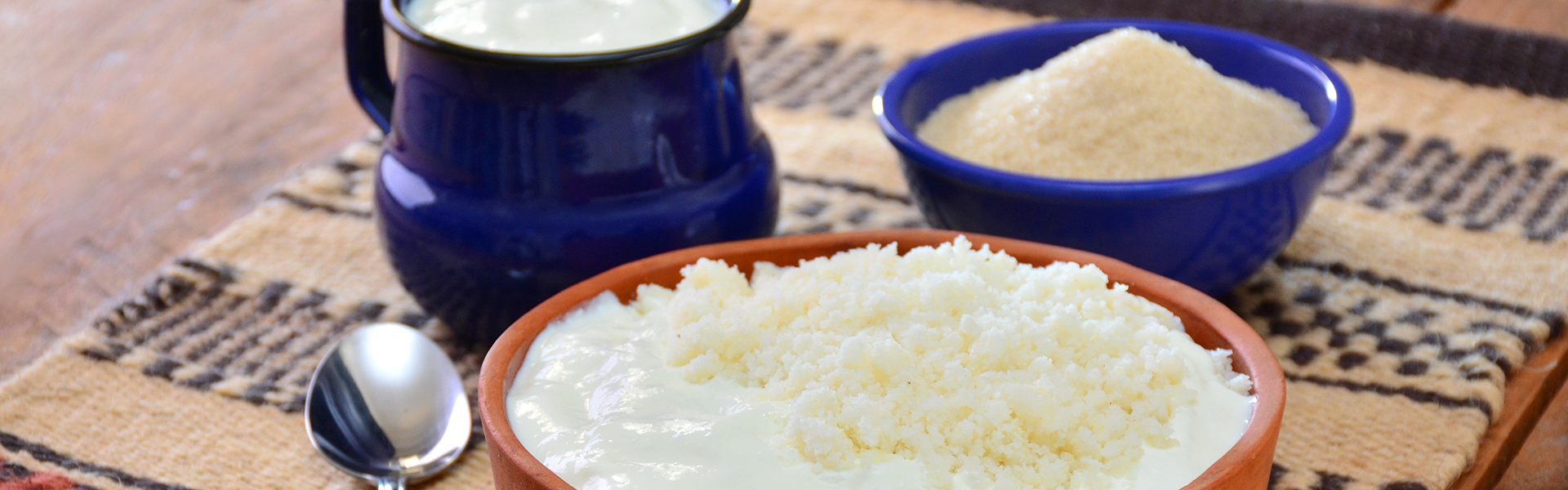
Clean glass jar or clay pot with lid
Wooden spoon for stirring
Use full-fat milk for the creamiest result. Avoid ultra-pasteurized milk if possible, as it can be harder to ferment.
Step-by-Step Guide to Making Amasi at Home
Gently heat the milk in a pot until it is warm (about 40-45°C). Do not boil it.
Pour the warm milk into your clean jar or pot.
Stir in the starter culture (2-3 tablespoons of previous amasi or plain yogurt). Mix well.
Cover the jar loosely with a clean cloth or lid.
Place it in a warm spot in your kitchen (around 25-30°C). Let it ferment for 24 to 48 hours.
Check after 24 hours. It should be thicker and have a pleasant sour smell.
Once it reaches your preferred tanginess, stir gently and refrigerate. It will continue to develop flavor slowly in the fridge.
The longer you leave it at room temperature, the stronger the sour taste becomes.

Tips for Perfect Fermentation Every Time
Keep everything very clean to avoid unwanted bacteria.
In cooler weather, wrap the jar in a towel or place it near a warm spot.
Taste daily after the first 24 hours so you stop at the flavor you like.
Save a few spoons of your successful batch to use as starter for the next one.
Use a traditional clay pot if you want the most authentic taste and slight earthy note.
Traditional and Modern Ways to Enjoy Amasi
Classic Zulu ways:
With warm isitshwala (stiff pap) for breakfast or dinner
Straight from the pot as a refreshing drink
Mixed with fresh maize meal porridge
Modern serving ideas:
Pour over fresh bread or toast in the morning
Blend with fruit (mango, banana, or berries) for a smoothie
Use as a topping for granola or muesli
Add a little honey or sugar if you prefer it less tangy
Serve chilled alongside grilled meat or vegetables
Many families still pass the clay pot around the table so everyone can scoop or drink directly.

Common Questions and Troubleshooting
Too thin? Let it ferment longer or use less milk next time.
Too sour? Shorten fermentation time and refrigerate earlier.
Separated or lumpy? This is normal. Just stir it back together.
No fermentation happening? Check temperature and use fresh starter.
FAQs
How long does homemade amasi last?
In the refrigerator, it stays good for 5 to 7 days. The flavor becomes stronger over time.
Can I make amasi with store-bought milk?
Yes. Full-cream pasteurized milk works well. Raw milk gives the most traditional result if you can source it safely.
Is amasi the same as yogurt?
It is similar but usually tangier and less set than commercial yogurt. The fermentation method and bacteria are slightly different.
Can children drink amasi?
Yes. It is a traditional favorite for children and is often easier to digest than fresh milk.
Do I need a special starter culture?
No. A few spoons of plain natural yogurt or leftover amasi works perfectly as a starter.
Is amasi healthy for the gut?
Yes. The natural probiotics support digestion and overall gut health.
Final Thoughts on This Zulu Classic
Amasi represents the simple wisdom of Zulu food traditions: take fresh milk, let time and nature do their work, and create something nourishing and delicious. Making it at home connects you directly to that heritage. Whether you enjoy it with pap in the morning or as a cooling drink after a hot day, amasi brings comfort, health, and a taste of Zulu home life to your table.

Ready to Explore More Zulu Recipes?
At NKENNE, we celebrate authentic African flavors and traditions. Try our guides on isitshwala, umngqusho, or full Zulu braai next. Start making these heritage recipes in your own kitchen. Your table and your roots will thank you. Join us and keep the traditions alive.