
Canjeero (Lahoh): Somali Spongy Pancakes You’ll Crave Every Morning
By: Chimdindu Ken-Anaukwu
Canjeero is a beloved staple on Somali breakfast tables. These soft, spongy, slightly fermented flatbreads have a unique tangy flavor and signature bubbly texture that makes them hard to resist.
In this NKENNE guide, you will learn what makes canjeero special and how to prepare authentic Somali canjeero at home.
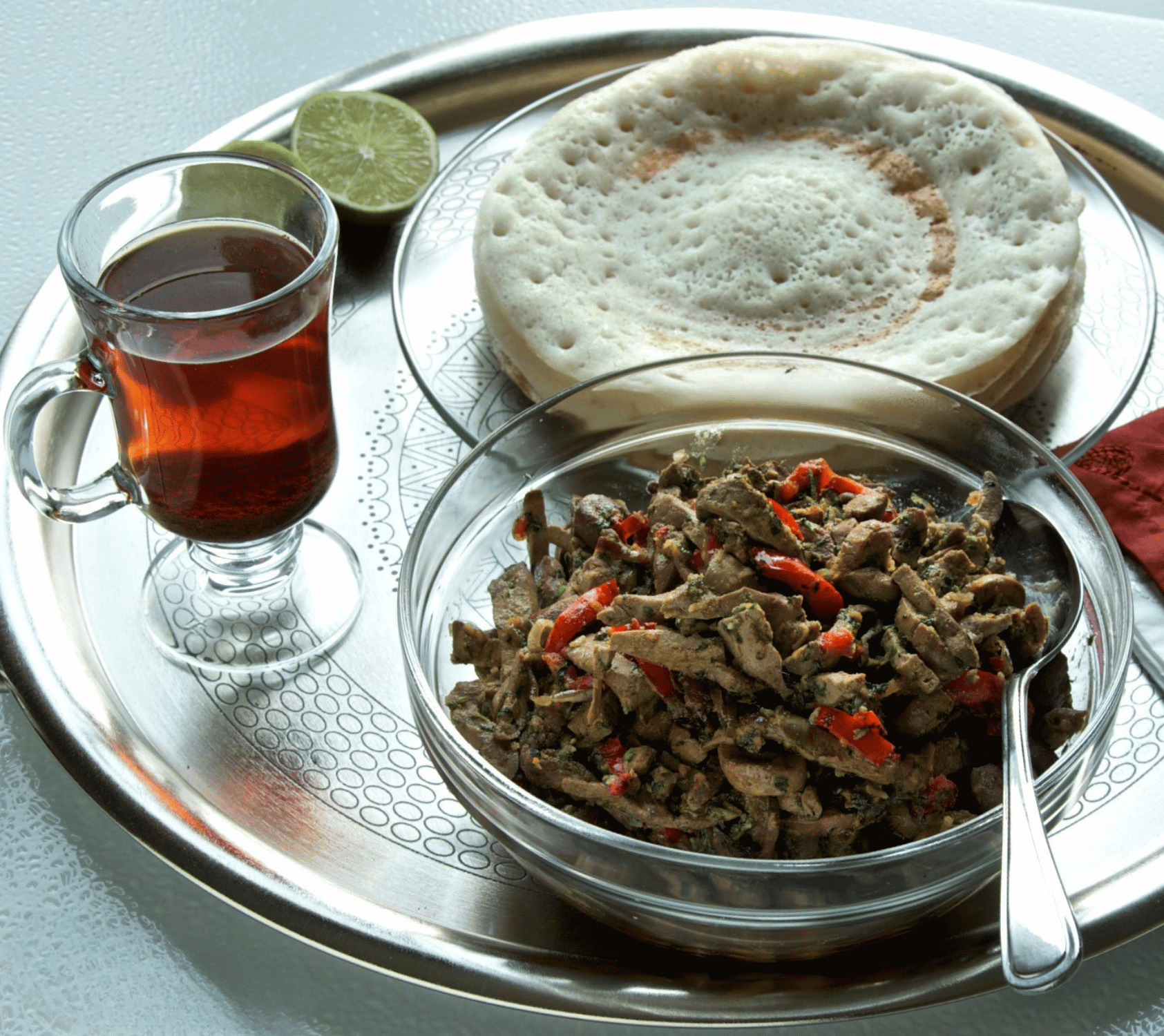
What Is Canjeero?
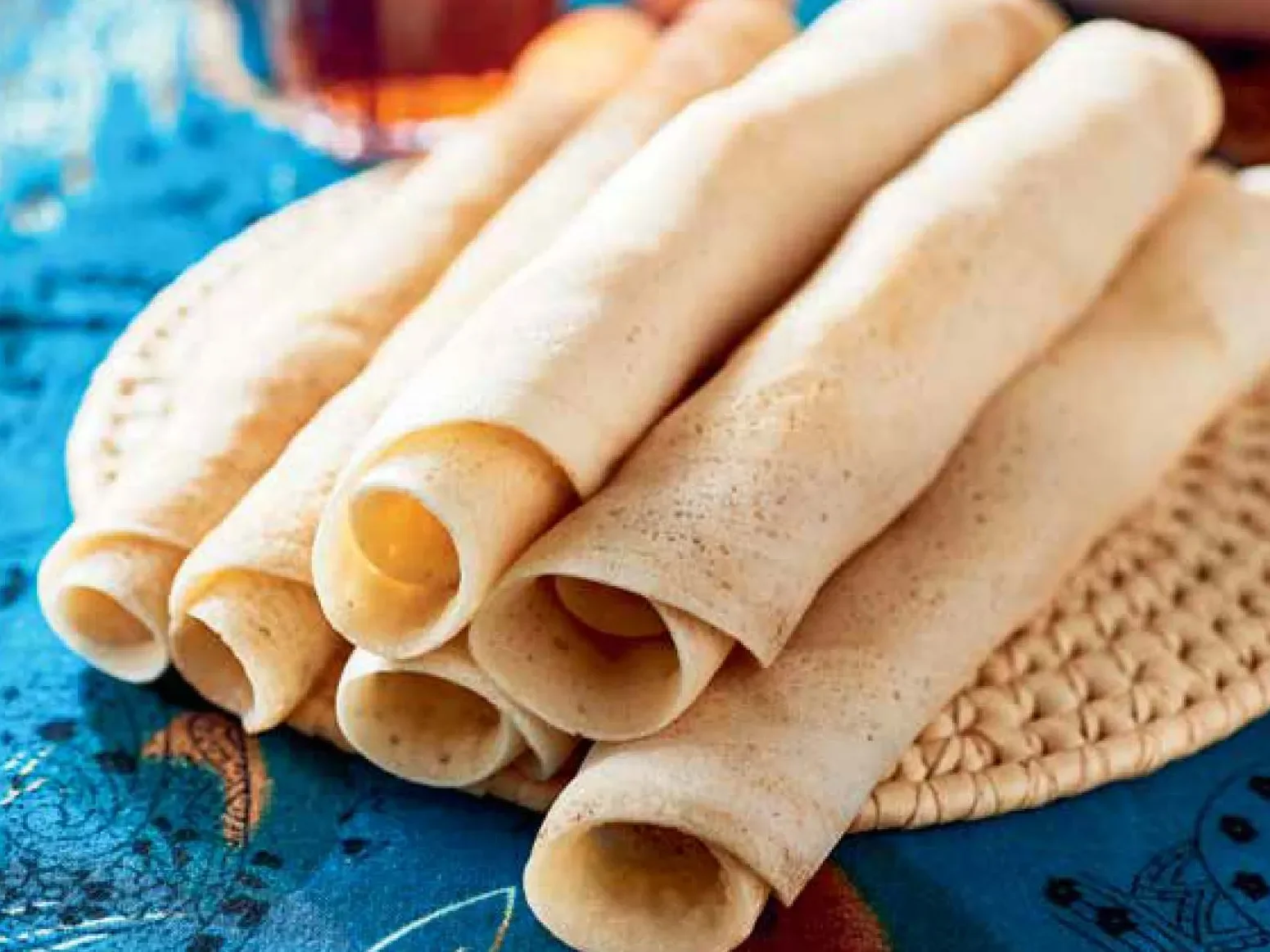
Canjeero, also known as Lahoh, is a traditional Somali fermented flatbread. It is thinner and softer than Ethiopian injera, with beautiful holes on the surface.
The light, spongy texture and pleasant sour tang come from natural fermentation. This gives canjeero its addictive quality that Somalis enjoy every morning.
Why Canjeero Tastes So Good
The secret lies in the fermentation process. The batter rests overnight, allowing natural yeasts to develop flavor and create those characteristic bubbles.
Fermentation improves both taste and digestibility. The result is a nutritious, filling flatbread that works beautifully with both sweet and savory toppings.
Ingredients (Makes about 8–10 pieces)
2 cups all-purpose flour
½ cup fine cornmeal or teff flour (optional for authentic texture)
1 teaspoon salt
1 teaspoon sugar
1 teaspoon instant yeast
2½ cups warm water
Oil or ghee for cooking
Step-by-Step Canjeero Recipe
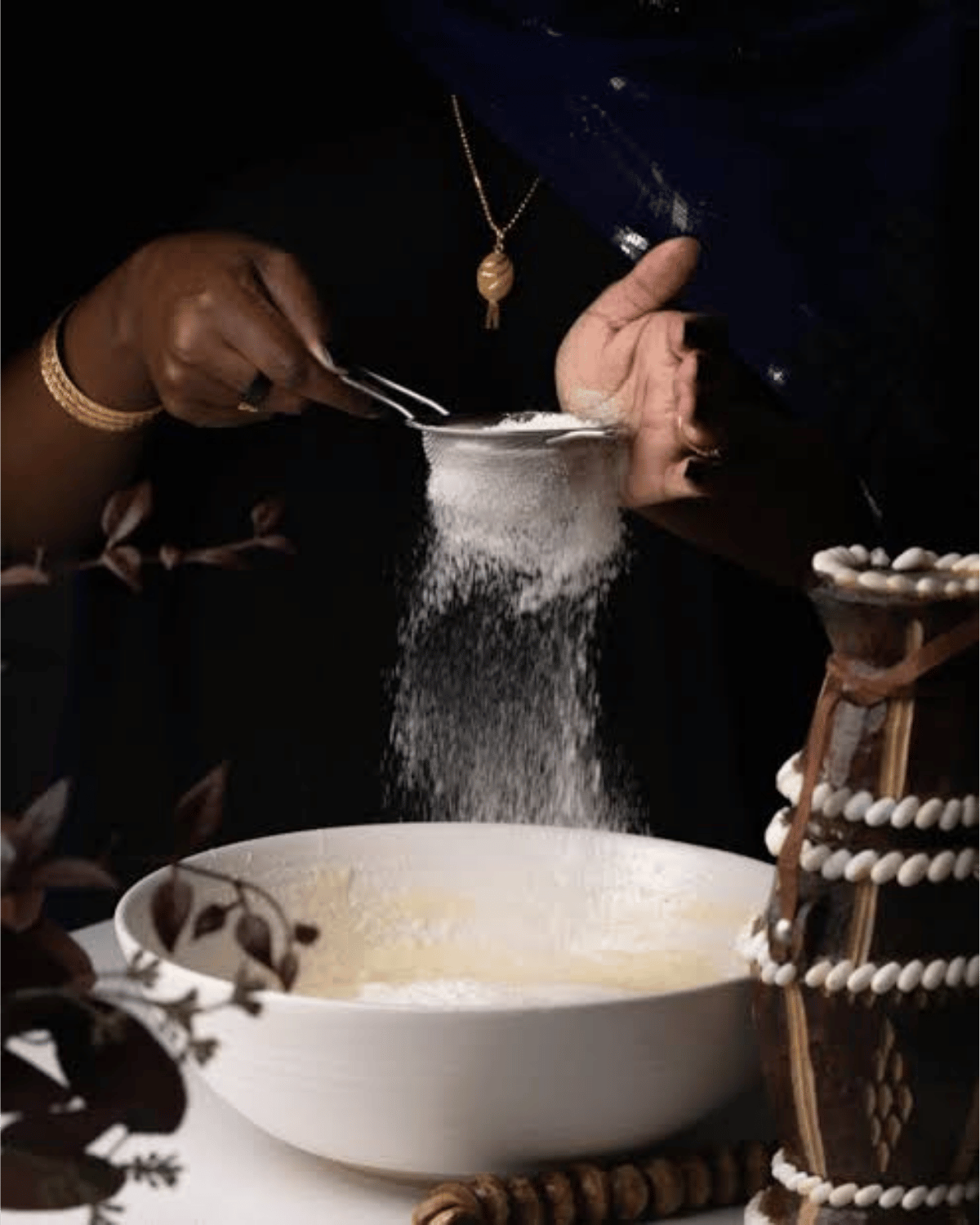
Prepare the Batter Mix flour, cornmeal (if using), salt, sugar, and yeast in a large bowl. Gradually add warm water while whisking until the batter is smooth and slightly thin.
Ferment the Batter Cover the bowl and leave it in a warm place for 8 to 12 hours (overnight works best). The batter should become bubbly with a mild sour aroma.
Cook the Canjeero Heat a non-stick pan over medium heat and lightly grease with oil or ghee. Pour a ladle of batter into the pan and gently swirl to form a thin circle. Cook for 2 to 3 minutes until bubbles form on top and the edges begin to lift. Do not flip.
Stack and Keep Warm Remove from the pan and stack the canjeero on a plate. Cover with a clean cloth to keep them soft.

Serving Suggestions
Sweet: Spread with honey, ghee, or sugar.
Traditional: Serve with Somali tea (shaah) and suqaar (meat stir-fry).
Classic combination: Pair with a ripe banana on the side for natural sweetness.
Tips for Perfect Canjeero
The batter should be thin enough to spread easily but not watery.
Longer fermentation creates a stronger tangy flavor.
Use a good non-stick pan for best results.
The first few pieces may not be perfect. Practice improves them quickly.
FAQ
What is the difference between canjeero and injera?
Canjeero is thinner, softer, and usually smaller than injera. It also has a milder fermented taste.
Can I make canjeero without yeast?
Yes. You can rely on natural fermentation by leaving the batter for up to 24 hours in a warm place.
How long does canjeero last?
It is best eaten fresh the same day. Leftovers can be refrigerated for 1 to 2 days and reheated in a pan.
Is canjeero gluten-free?
Traditional canjeero is not gluten-free, but you can experiment with gluten-free flour blends.
Can beginners successfully make canjeero?
Yes. With the right batter consistency and patience during fermentation, beginners can make delicious canjeero.
Canjeero brings comfort and tradition to the breakfast table. Once you master it, it will quickly become a favorite in your home.
Continue exploring Somali recipes and culture on the NKENNE app. Try making canjeero this week and enjoy a true taste of Somali mornings.