
Amasunzu: Rwanda's Iconic Crescent Hairstyle (Status, Beauty, and a Modern Comeback)
By: Chimdindu Ken-Anaukwu
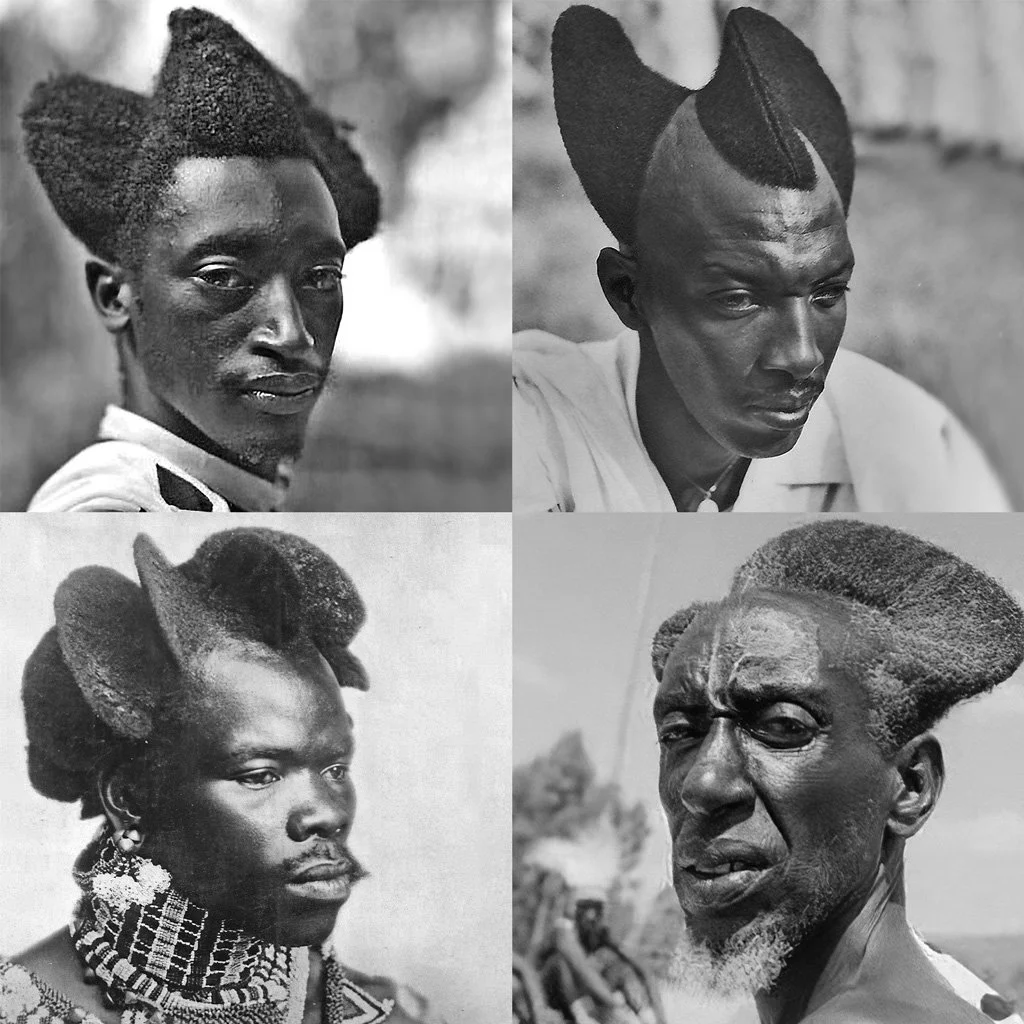
Look at old photos from 1920s Rwanda: sharp, sculpted crests rising like crescents or peaks from shaved heads. That's Amasunzu, not just a haircut, but a visual language that spoke volumes about who you were.
This guide breaks down Amasunzu's deep roots: how it showed power for men, readiness for marriage for women, over 30 variations, and why it's making a strong comeback today. You'll see why this style still turns heads and carries real cultural weight.
What Amasunzu Actually Means
Amasunzu is a Kinyarwanda term for an elaborate hairstyle featuring crests, often crescent-shaped, rising from shaved or closely cropped sides.
It was worn by Rwandan men and unmarried women, serving as a clear social marker in pre-colonial and early 20th-century society.
The style wasn't optional for many, especially men. Skipping it could raise suspicion about your status or character.
How Amasunzu Was Created and Styled
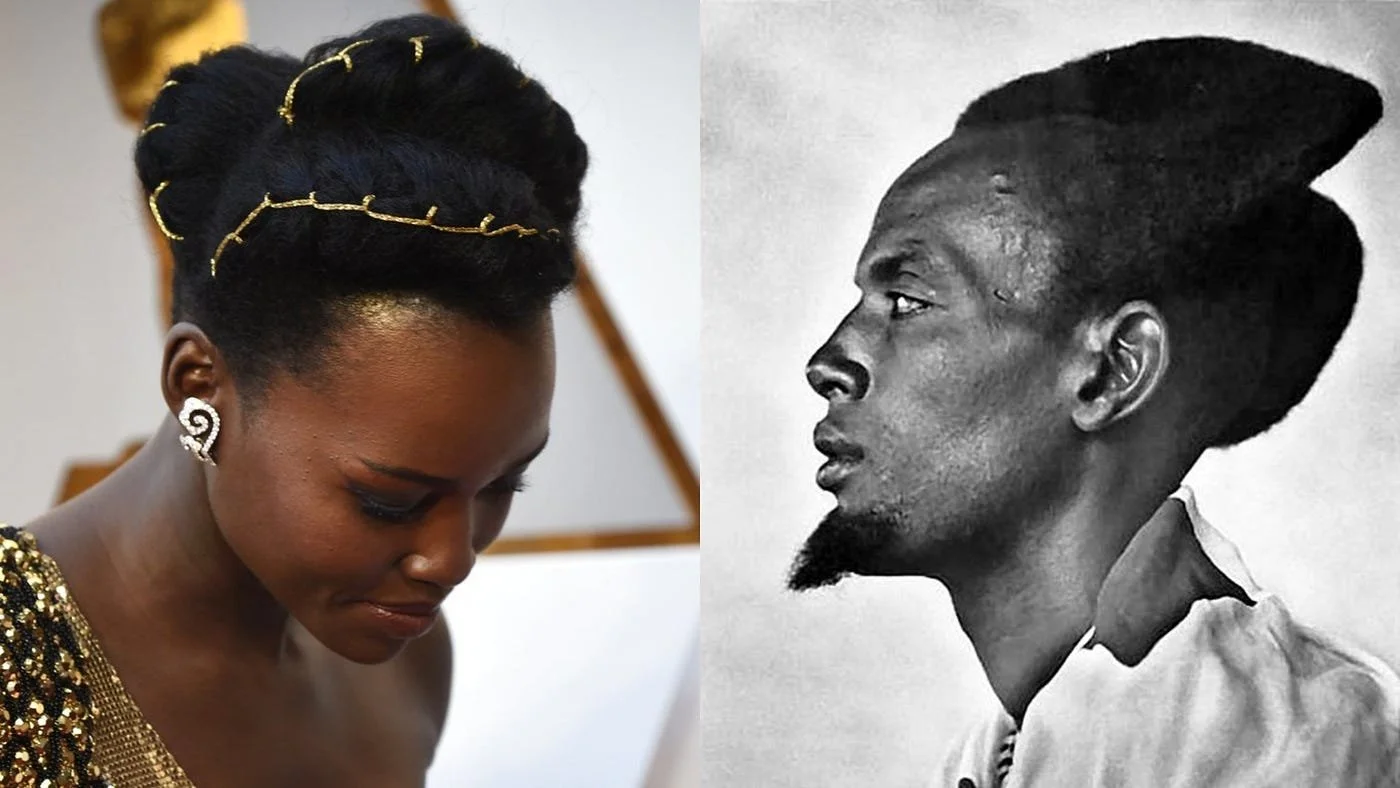
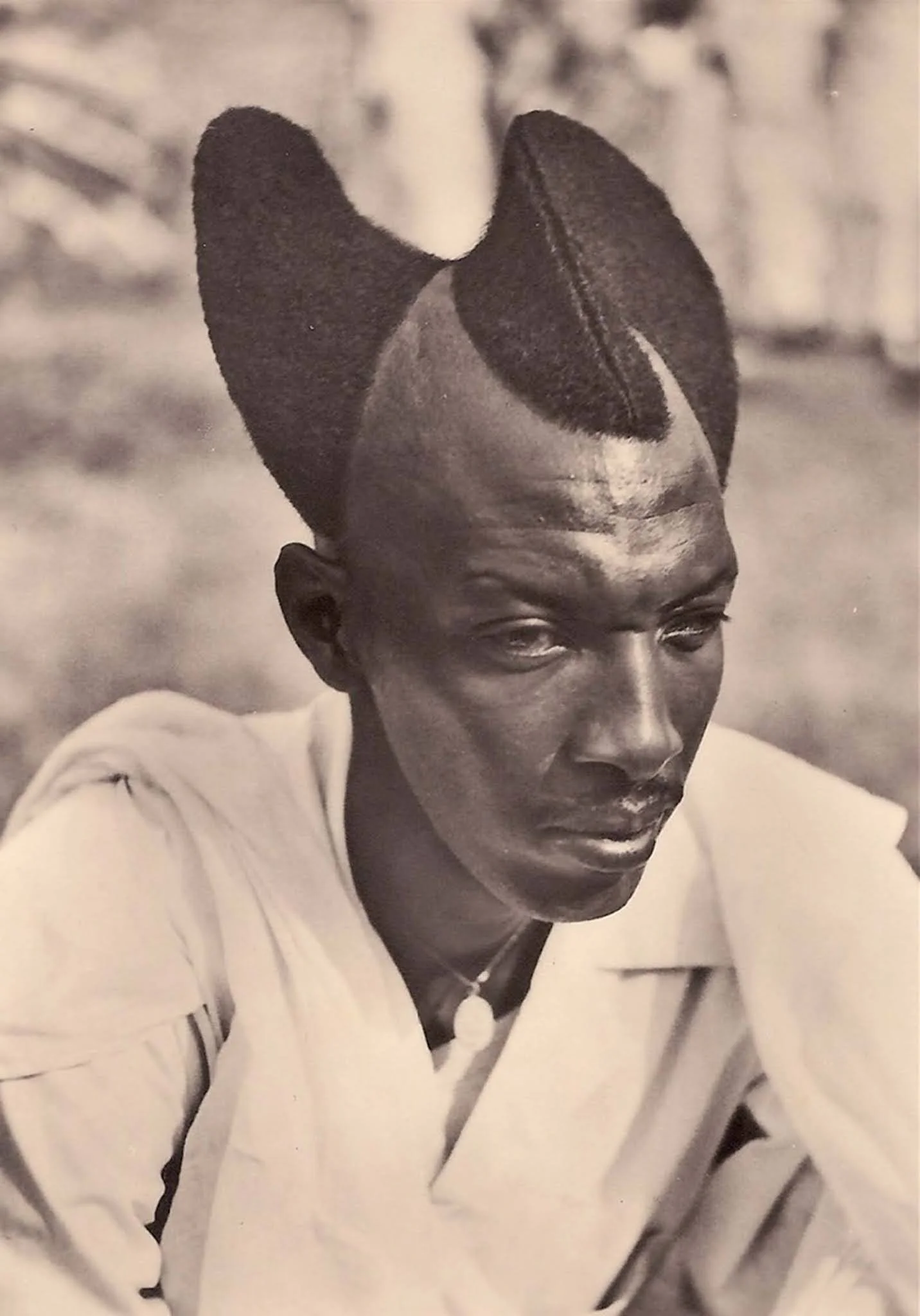
Stylists shaved parts of the hair sideways toward the middle, then shaped and grew the remaining hair into precise crests.
These were often double crescents, peaks, or dramatic shapes, sometimes decorated with beads, cowries, or small rings.
The process demanded skill and time, a sign of care, hygiene, and investment in appearance.
Meanings for Men: Power, Bravery, and Nobility
For men, Amasunzu signaled strength, warrior status, leadership, or upper-class standing.
Different crests showed roles: warriors wore bold versions for bravery; leaders had more elaborate ones for prestige.
Men without it were sometimes viewed with doubt. It was that tied to respect and identity.
Meanings for Women: Beauty, Virginity, and Marriage Readiness
Unmarried women (typically from age 18–20) wore Amasunzu to announce they were of marriageable age and single.
It linked directly to virginity, beauty, and eligibility, a public signal to suitors.
Once married, women shaved or changed styles (like uruhanika for some wealthy brides), marking the life shift.

Over 30 Styles and Social Signals
There were more than 30 variations, each carrying specific meaning.
Regional differences existed: northern Rwanda had distinct shapes.
Styles reflected community role, age, or status, a walking story of identity.
Decline and the Colonial Impact
Colonial rule discouraged traditional styles, pushing Western looks.
By mid-20th century, Amasunzu faded from daily wear, surviving mostly in memory or rare cultural events.
The Modern Revival in Rwanda
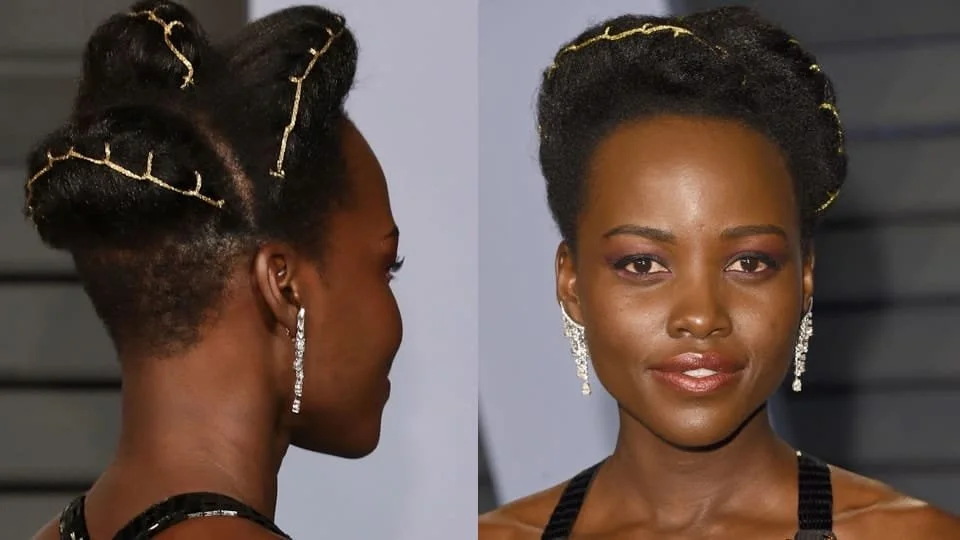
Today, Amasunzu is returning strong. Young Rwandans, stylists, and cultural events embrace it as pride in heritage.
Salons in Kigali offer the look; performers and influencers rock modern twists.
It appears at festivals, in media, and as a symbol of resilience and identity post-1994.
The style feels fresh: futuristic to some, timeless to others.
Frequently Asked Questions
What does Amasunzu mean in Kinyarwanda?
It refers to the elaborate crescent or crest hairstyle traditionally worn by Rwandan men and unmarried women as a social marker.
Who wore Amasunzu traditionally?
Men of all statuses (especially warriors and leaders) and unmarried women (from about 18–20) to signal marriageability and virginity.
How many styles of Amasunzu existed?
Over 30 different variations, each with unique shapes and meanings tied to role, region, or status.
Why did Amasunzu decline?
Colonial influence discouraged traditional practices, favoring Western styles, leading to its near disappearance by the mid-20th century.
Is Amasunzu coming back today?
Yes. It's experiencing a revival among young Rwandans, stylists, and cultural performers as a proud symbol of heritage and identity.
Does Amasunzu have modern adaptations?
Contemporary versions keep the dramatic crests but adapt for easier maintenance, appearing in fashion, events, and everyday wear.
Amasunzu proves hair can carry history, status, and stories without words. From ancient signals of bravery and beauty to today's bold revival, it reminds us Rwanda's elegance runs deep.
Spot one today. You'll see the pride behind the crests.
Curious for more? NKENNE brings you authentic dives into Kinyarwanda culture, language, and traditions. Join our resources to explore and celebrate Rwanda's rich identity step by step. Your connection awaits.