
Why African Proverbs Are One of the Best Ways to Understand Culture
By: Yvonne Mag-usara
If you ask an African elder for advice, you may not get a direct answer.
Instead, you might hear a proverb.
In many African societies, proverbs are more than memorable sayings. They are lessons wrapped in metaphor, carrying generations of wisdom in just a few words. A single proverb can settle disagreements, guide young people, encourage humility, or remind a community of its shared values.
Long before books became common, proverbs helped preserve history, ethics, and identity across the continent. Even today, they remain woven into everyday conversations, ceremonies, music, and storytelling.
To understand African proverbs is to understand how many African cultures think, teach, and remember.
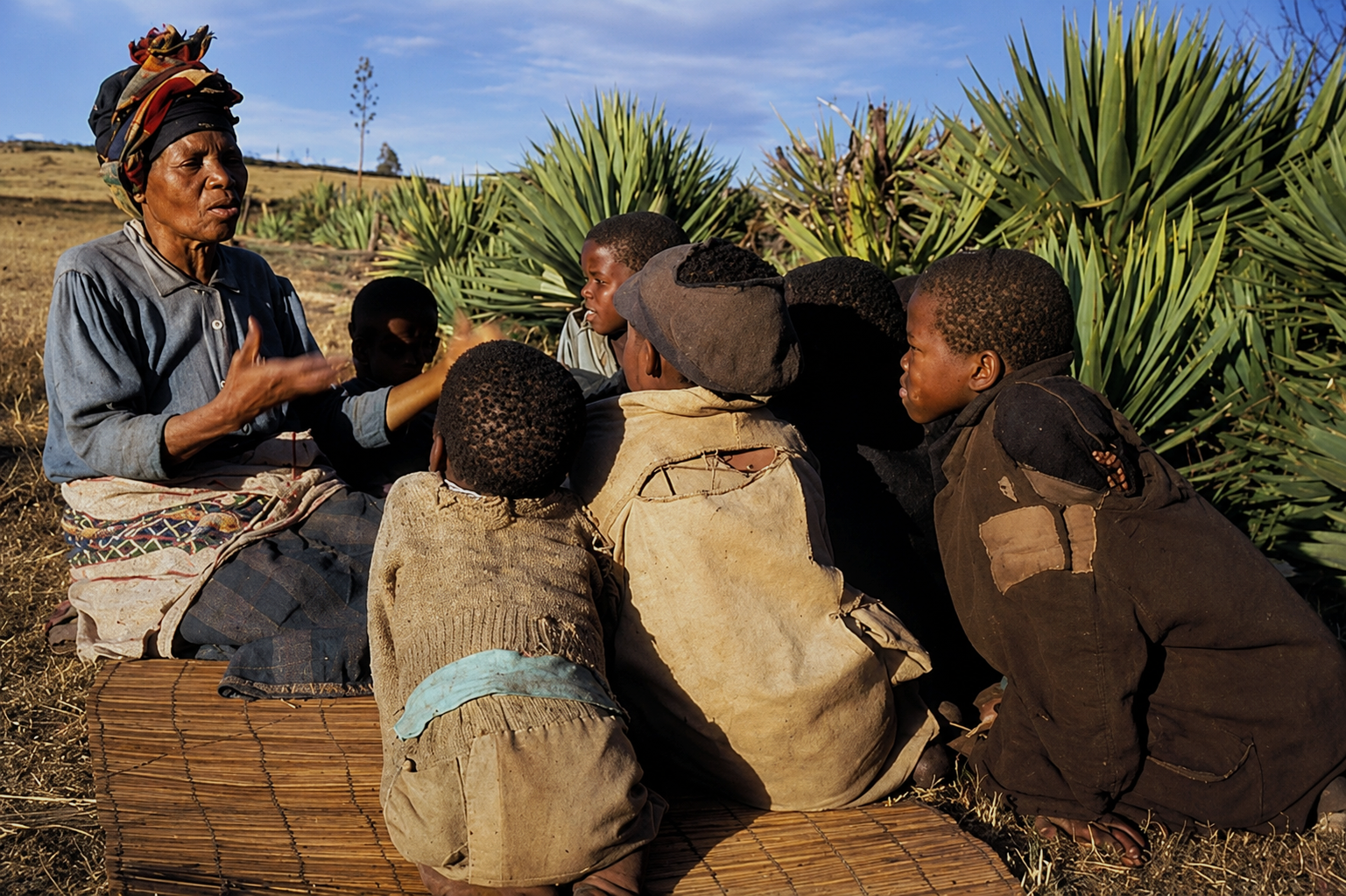
Credit: Original photo via I Am Hip-Hop Magazine (enhanced for web use by NKENNE).
For generations, African elders have passed down history, values, and wisdom through oral storytelling. Proverbs remain one of the most enduring expressions of this living tradition.
Why a Single Proverb Can Explain an Entire Culture
Across Africa, proverbs have never been just clever sayings. They are a way of teaching, preserving history, resolving conflict, and passing on values.
Instead of giving direct advice, elders often use proverbs to encourage reflection. A single sentence can communicate lessons about leadership, family, respect, or patience, making proverbs one of the most powerful expressions of African culture.
The Oral Tradition That Preserved Africa's Knowledge
Long before written records became common, African societies relied on oral traditions to preserve knowledge.
Stories, songs, riddles, praise poetry, and proverbs carried history from one generation to the next. In West Africa, griots served as historians and storytellers. In Southern Africa, praise poets, known as imbongi, celebrated leaders and preserved community memory.
Proverbs became part of this living archive, making important lessons easy to remember and pass on.
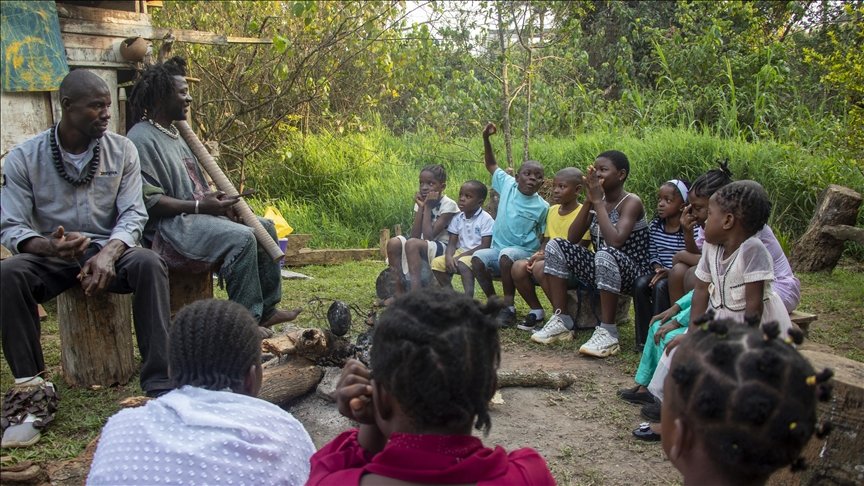
Credit: Anadolu Agency
Across Africa, oral storytellers have preserved history, values, and cultural memory through spoken performance.
Every African Culture Has Its Own Voice
Although many African proverbs share common themes, each reflects the language, environment, and worldview of the people who created it.
Yoruba: Wisdom Through Metaphor
"However far a stream flows, it never forgets its source."
This proverb reminds people to remain connected to their roots, regardless of success.

Credit: Connect Nigeria
In Igbo culture, the kola nut represents welcome, respect, and community, ideas often carried through proverbs.
Igbo: Community Begins With Generosity
"He who brings kola brings life."
The kola nut symbolizes hospitality, making this proverb a reminder that relationships begin with generosity and respect.
Akan: Wisdom Is Shared
"Wisdom is like a baobab tree. No one person can embrace it."
Knowledge grows through listening, learning, and sharing with others.
Zulu: Community Before Self
Many Zulu proverbs reflect the spirit of Ubuntu, encouraging humility, respect, and collective responsibility.
Together, these traditions reveal Africa's diversity while highlighting values that unite many communities.
The Values Hidden Inside African Proverbs
Every proverb teaches more than its literal meaning.
Some encourage patience during difficult times. Others emphasize respect for elders, the importance of community, or the value of humility.
Rather than offering simple answers, proverbs invite reflection. They challenge people to think deeply about their actions and the impact they have on others.
This is one reason they continue to shape everyday conversations across Africa.
Why Some Proverbs Can't Be Translated

Credit: @ivorianlink via Instagram
The Gye Nyame symbol, one of the most recognized Adinkra symbols from the Akan people of Ghana, represents the supremacy of God. Like African proverbs, Adinkra symbols communicate complex ideas through visual language, preserving philosophy, spirituality, and cultural identity across generations.
Many African proverbs lose part of their meaning when translated into English.
Their rhythm, wordplay, symbolism, and cultural references are deeply connected to the language in which they were created.
Learning the original language reveals layers of meaning that translation alone cannot capture. It also offers a deeper understanding of the people, traditions, and history behind each expression.
Why Proverbs Still Shape Everyday African Life
African proverbs continue to influence daily life across the continent.
They appear in conversations, music, literature, political speeches, classrooms, and social media. Parents still use them to teach children. Elders continue to share them during family gatherings and ceremonies.
For Africans in the diaspora, proverbs also offer a meaningful path back to language, identity, and cultural heritage.
Far from being relics of the past, African proverbs remain living expressions of culture.
FAQs
Why are proverbs important in African cultures?
They preserve history, teach values, strengthen communities, and pass cultural knowledge from one generation to the next.
Why do African proverbs vary between cultures?
Every African language reflects its own history, environment, beliefs, and traditions, giving rise to unique proverbs and expressions.
Why are African proverbs difficult to translate?
Many rely on symbolism, rhythm, and cultural context that cannot be fully expressed in another language.
Can learning proverbs help me learn an African language?
Yes. Proverbs introduce vocabulary, cultural references, and ways of thinking that make language learning more meaningful.
Are African proverbs still used today?
Absolutely. They remain part of everyday conversations, ceremonies, literature, education, music, and public life across Africa.
Continue Your Journey with NKENNE
Every African language carries its own proverbs, stories, and cultural wisdom. With NKENNE, you can learn languages like Yoruba, Igbo, isiZulu, Swahili, Twi, Somali, and more while exploring the traditions and expressions that give them meaning.
