
By: Chimdindu Ken-Anaukwu
In 1900, a British governor demanded to sit on the Golden Stool, the sacred heart of Asante nationhood. The Asante people refused. When their king was in exile and men hesitated, one woman stepped forward. Queen Mother Yaa Asantewaa rallied warriors, led battles, and turned resistance into legend. Her story shows female leadership at its boldest. In this post, you will learn the full account of the War of the Golden Stool, her role, and why she remains a powerful symbol of defiance and Asante pride.
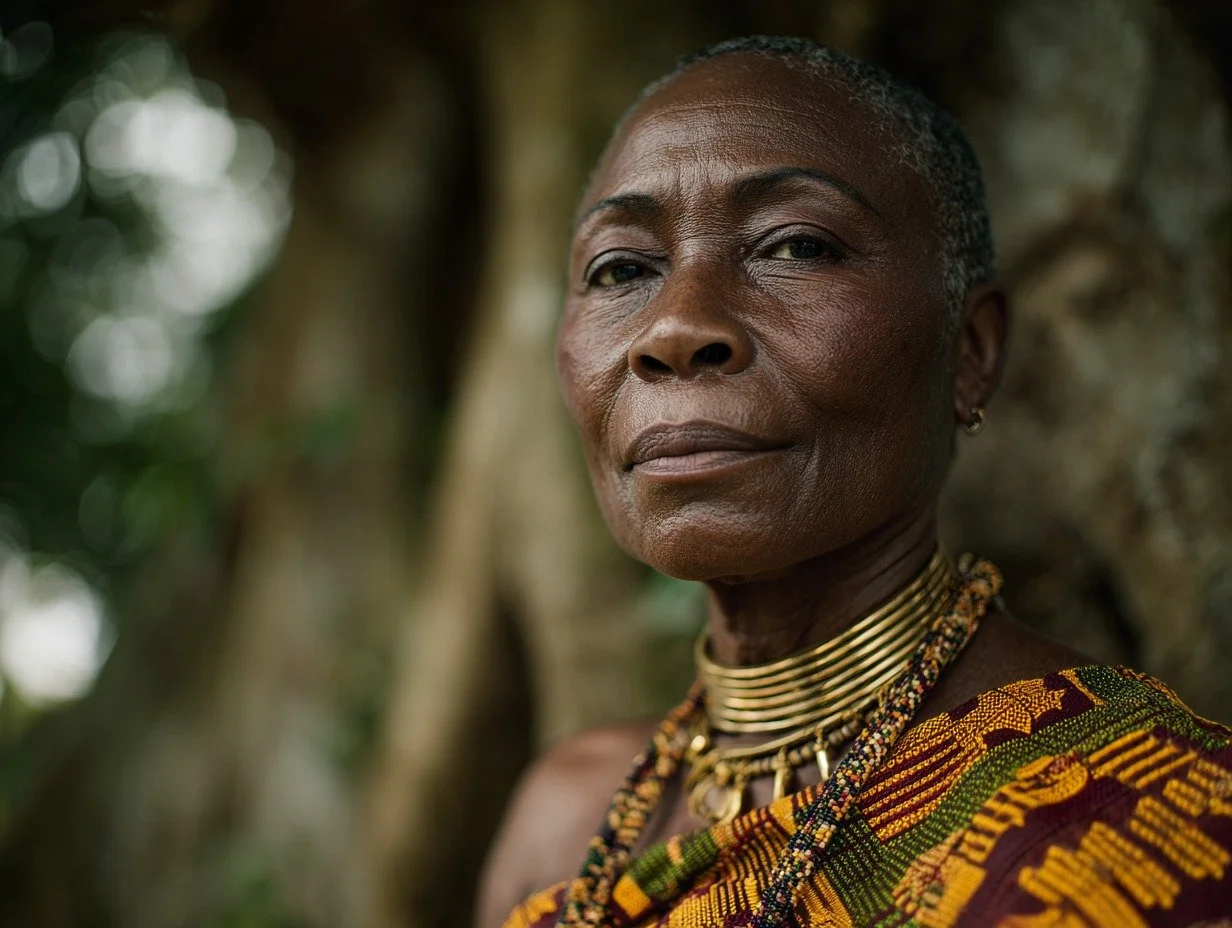
Who Was Yaa Asantewaa?
Yaa Asantewaa was born around 1840-1860 in Edwesu, near Kumasi. She belonged to the Asante royal family through matrilineal lines.
She served as Queen Mother of Edwesu, a key position. Queen Mothers advise kings, influence succession, and hold real authority in Asante governance.
By 1900, she was in her 60s, experienced, respected, and unafraid. Her courage made her the leader when others wavered.
The Golden Stool and British Demands
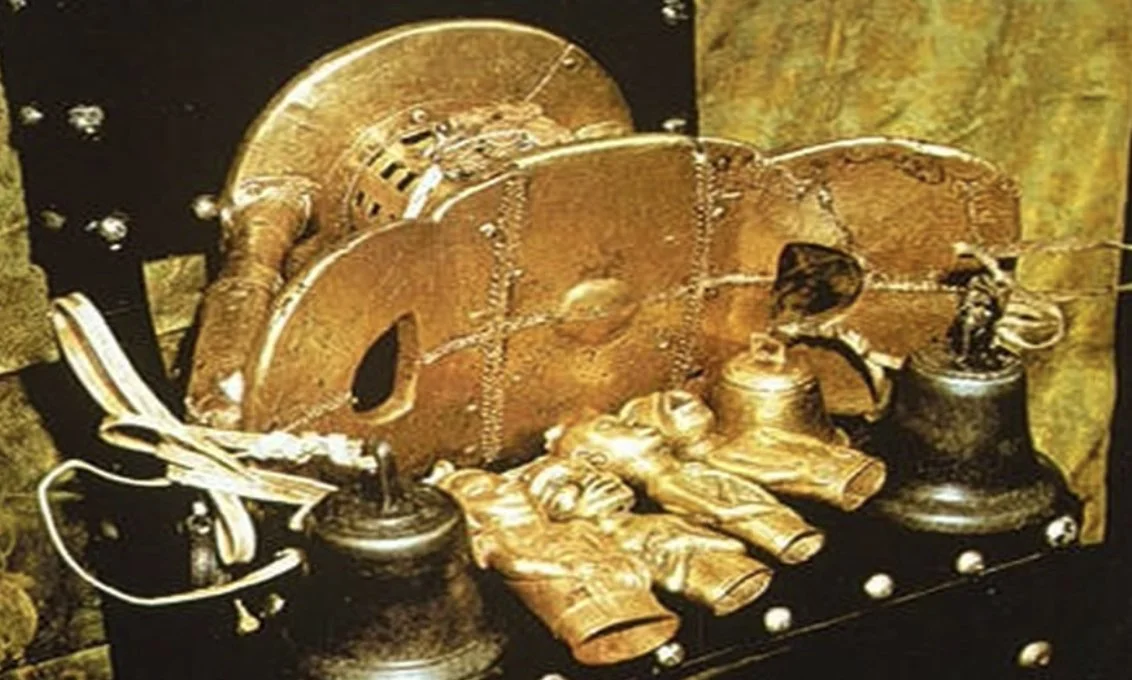
The Golden Stool, Sika Dwa Kofi, is the soul of the Asante nation. It descended from the sky in legend and unites the people.
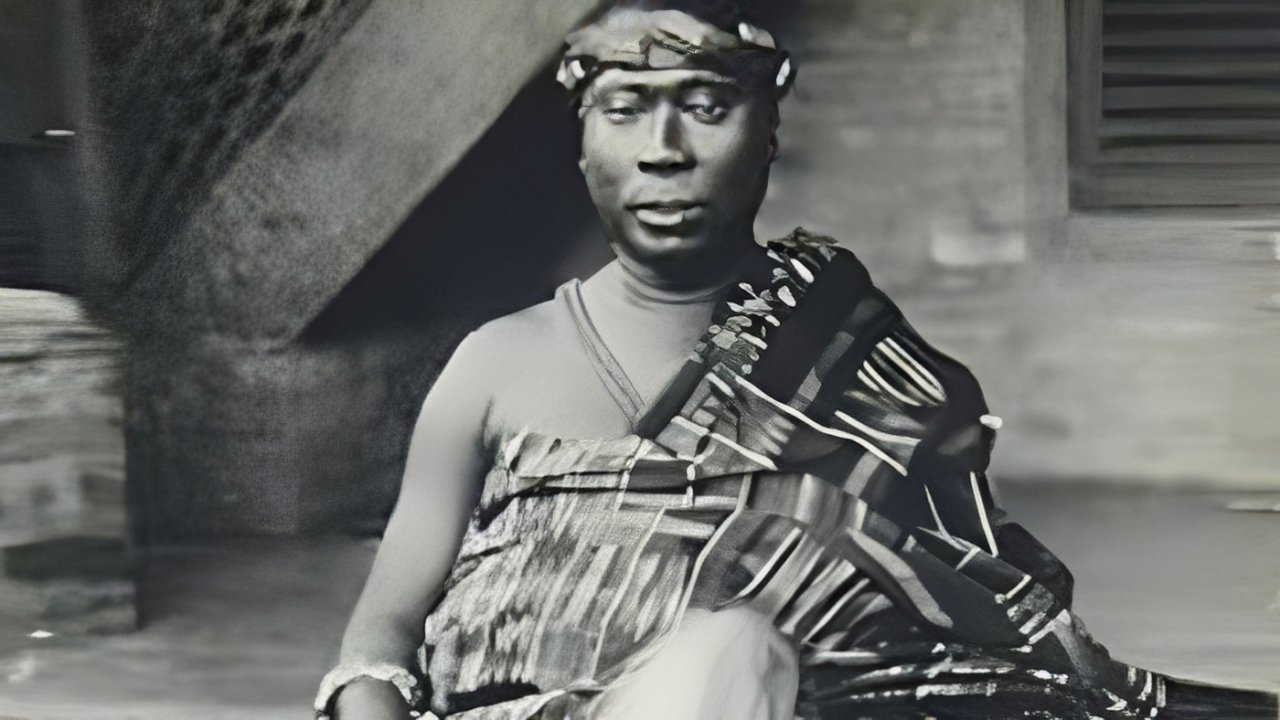
In 1896, the British exiled Asantehene Prempeh I to Seychelles. They wanted the stool as a trophy of conquest.
The Asante hid it successfully. The British never found the original.
Tensions rose. The British still sought control over Asante affairs.
The Spark: Governor Hodgson's Insult
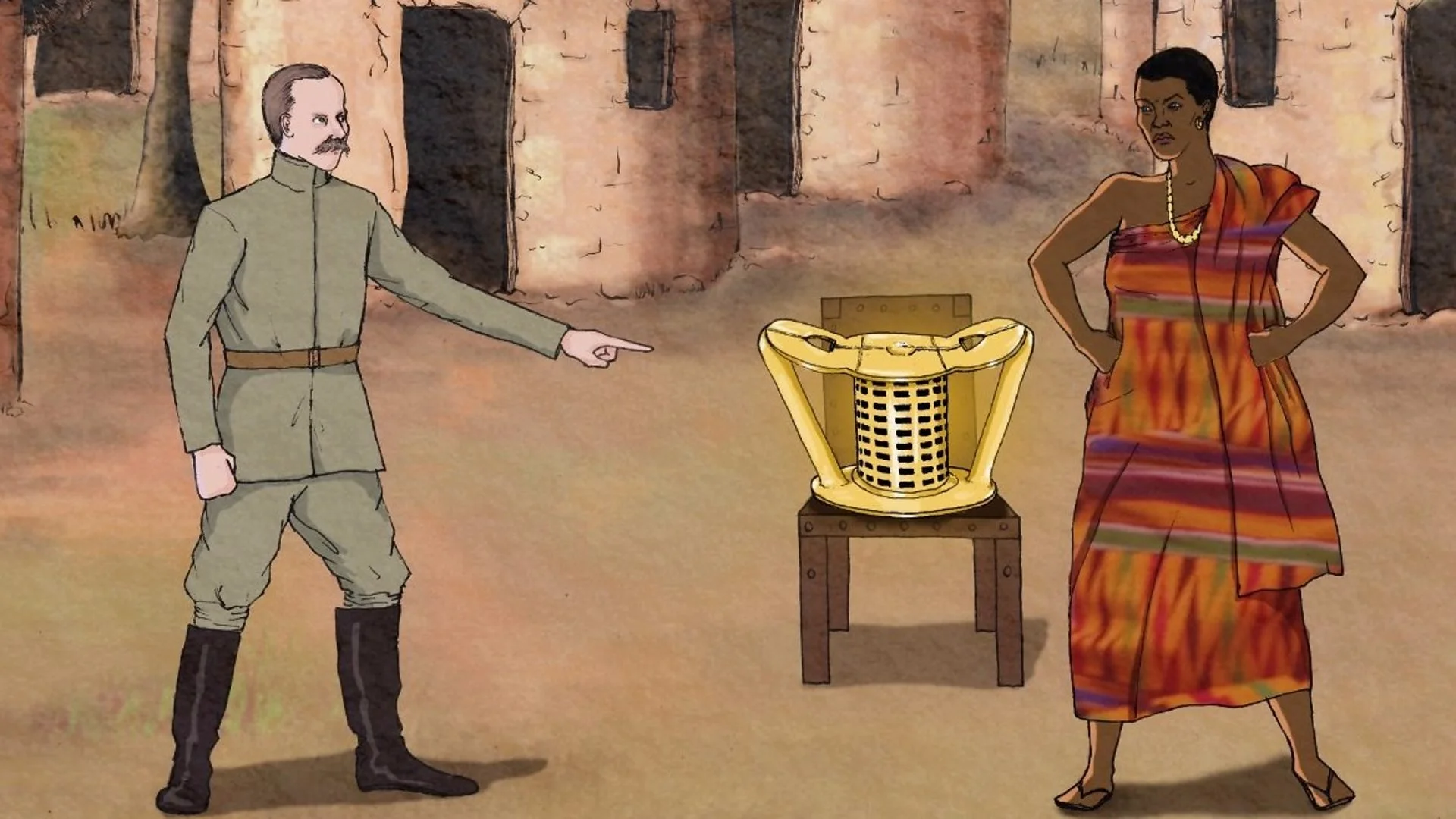
In March 1900, Governor Sir Frederick Hodgson arrived in Kumasi. He held a meeting with Asante chiefs.
He demanded the Golden Stool so he could sit on it. This was unthinkable. No Asante, not even the king, sits on it.
The chiefs explained its sacred nature. Hodgson dismissed them and threatened force.
The insult spread. Asante leaders gathered secretly. Many felt defeat after Prempeh's exile.
Then Yaa Asantewaa spoke.
Yaa Asantewaa's Rally and Leadership
At the gathering, she addressed the men. Her words became famous.
"If you, the men of Asante, will not go forward, then we will. We, the women, will. I shall call upon my fellow women. We will fight the white men. We will fight until the last of us falls in the battlefield."
She took up arms, organized supplies, and inspired thousands. Warriors from across Asante joined under her command.
She became the war leader. Her presence galvanized the resistance.
The War of the Golden Stool
Fighting began in April 1900. Asante forces besieged the British fort in Kumasi.
They used guerrilla tactics, cut supply lines, and attacked outposts.
The British were outnumbered but had superior weapons. Reinforcements arrived from the coast after months.
The siege lasted until late 1900. Yaa Asantewaa coordinated attacks and kept morale high.
By December, British forces broke through. Many Asante leaders were captured or killed.
Yaa Asantewaa was arrested in 1901 and exiled to Seychelles with other royals. She died there in 1921.

Outcome and Lasting Impact
The British never captured the Golden Stool. The Asante preserved its sanctity.
Yaa Asantewaa became a national hero. Her story inspires Ghanaian independence movements and women's rights.
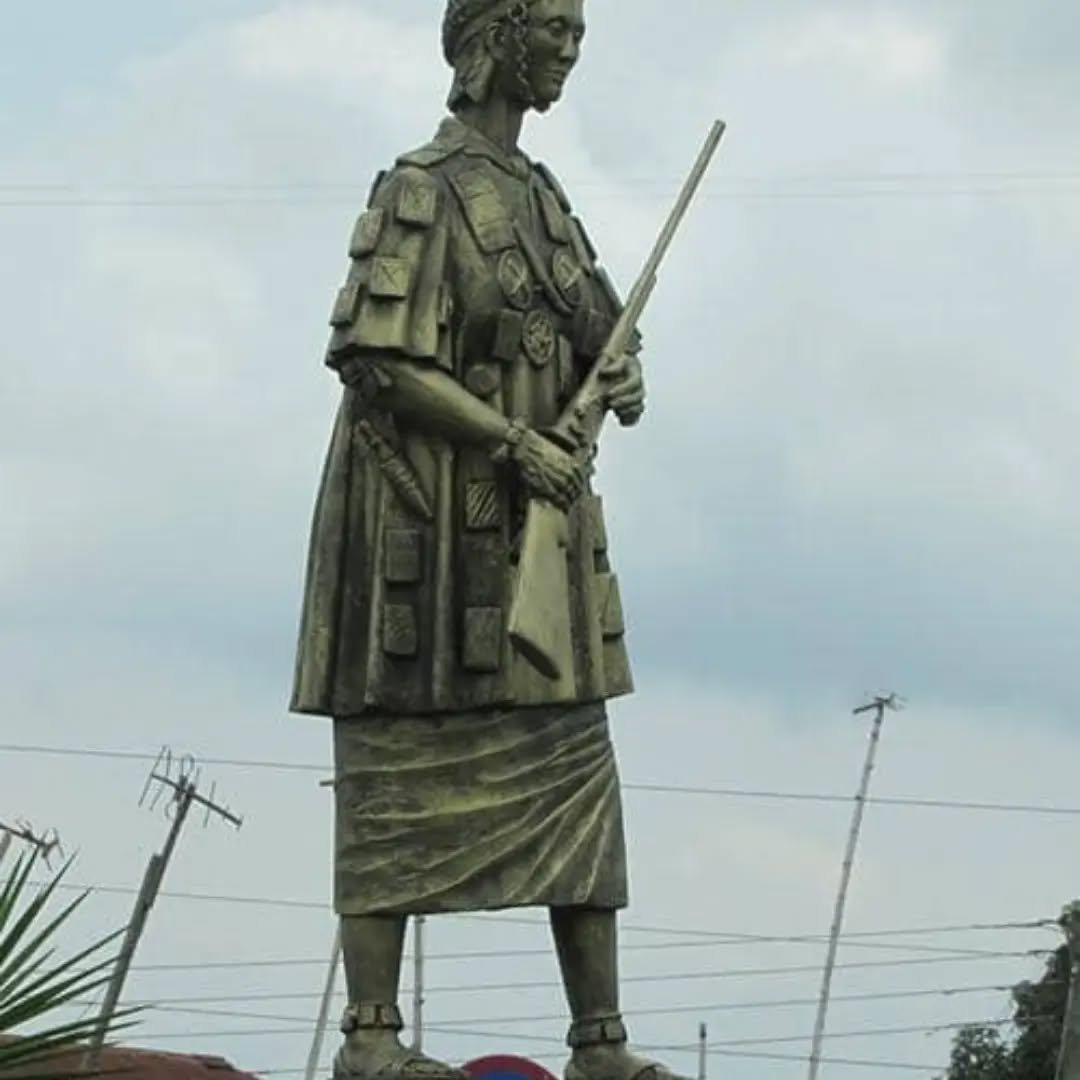
Today, statues, schools, and streets bear her name. She symbolizes courage, female power, and resistance to colonialism.
In Asante culture, she proves leadership comes from conviction, not just position.
FAQs About Yaa Asantewaa and the War
Why did the British want the Golden Stool?
They saw it as the source of Asante power. Capturing it would break resistance and prove colonial dominance.
What was Yaa Asantewaa's famous quote?
She said the men should fight, but if they would not, the women would. She vowed to lead until the end.
Did the Asante win the war?
No. The British suppressed the uprising, but the Asante kept the stool hidden. The resistance delayed full control.
Where was Yaa Asantewaa exiled?
To the Seychelles Islands with Prempeh I and other leaders. She never returned to Ghana.
How is Yaa Asantewaa remembered today?
As a warrior queen and symbol of female strength. Her legacy lives in Ghanaian history, education, and culture.
Conclusion
Yaa Asantewaa did not just defend a stool. She defended dignity, identity, and the right of her people to determine their future. In a time when colonial power seemed unstoppable, she showed that one determined voice can rally thousands. Her story reminds us that true leadership rises when it is needed most.
Want to explore more powerful figures and moments in Twi and Akan history? NKENNE offers deep dives, language lessons, and community discussions to keep the heritage alive. Join us today. Medaase for reading. The spirit of resistance lives on.