
Unveiling Swahili Culture: The Fascinating Fusion of Roots That Shaped East Africa's Coastal Identity
By: Chimdindu Ken-Anaukwu
Ever wondered why Swahili culture feels like a bridge between continents? It's not just a random mix. This vibrant heritage stems from centuries of trade and exchange along the East African coast, blending Bantu foundations with Arab, Persian, and Indian influences. In this article, you'll discover how these elements created one of Africa's most dynamic identities. Stick around, and you'll see why understanding this fusion matters today.
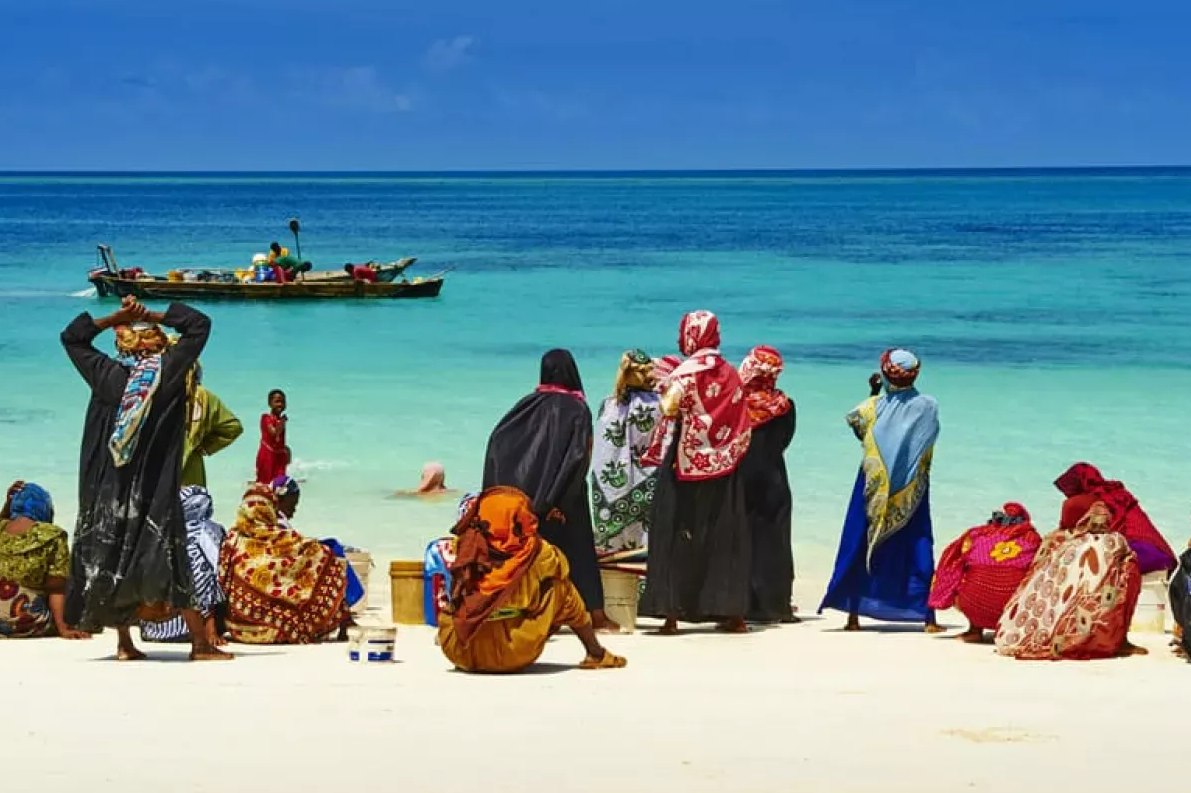
What Makes Swahili Culture a True Fusion?
Swahili culture didn't emerge in isolation. It grew from the Indian Ocean trade routes starting around the 8th century. Merchants, sailors, and settlers crossed paths in coastal hubs like Zanzibar, Mombasa, and Lamu.
This interaction wasn't superficial. It reshaped everything from language to daily customs. Think of it as a cultural stew where each ingredient adds flavor without overpowering the others.
Today, this blend makes Swahili people adaptable and welcoming. It's why a casual chat in a Kenyan market might mix Bantu proverbs with Arabic greetings.
The Bantu Base: Africa's Indigenous Backbone
At its core, Swahili culture rests on Bantu roots. Bantu-speaking groups migrated to East Africa over 2,000 years ago, bringing farming, ironworking, and community structures.
These foundations show in social values like ubuntu – a shared humanity that's all about family and village ties. In Swahili, it's evident in words like "jamaa" for relatives.
Bantu influence also powers the rhythm in music and dance. Instruments like the ngoma drum drive celebrations, keeping ancient beats alive.
Without this base, Swahili wouldn't have its grounded, communal spirit. It's the soil where other influences took root.
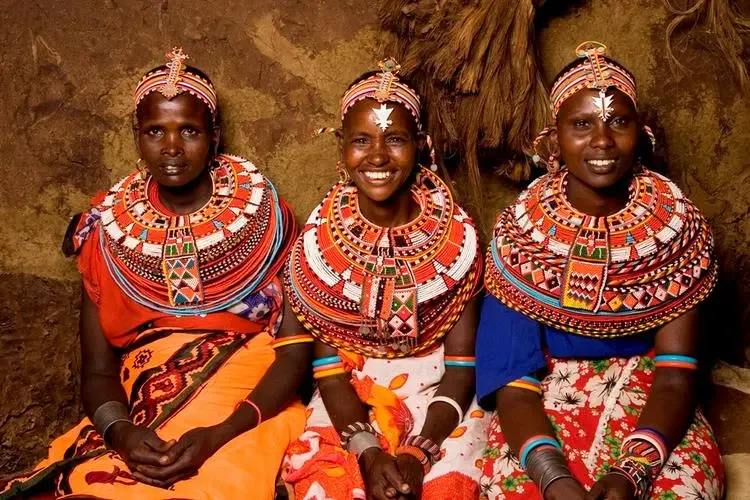
Arab Influences: Trade Winds from the Middle East
Arabs arrived via dhow boats, trading gold, ivory, and spices. By the 10th century, they established city-states along the coast.
Islam became a key thread, shaping architecture with coral mosques and modest dress codes. Swahili language borrowed heavily – words like "kitabu" (book) come straight from Arabic.
Food got a boost too. Dishes like pilau rice mix Arab spices with local ingredients. Ever tried it? It's a staple at weddings, blending flavors seamlessly.
This influence fostered literacy and scholarship. Coastal towns became knowledge hubs, trading ideas as much as goods.
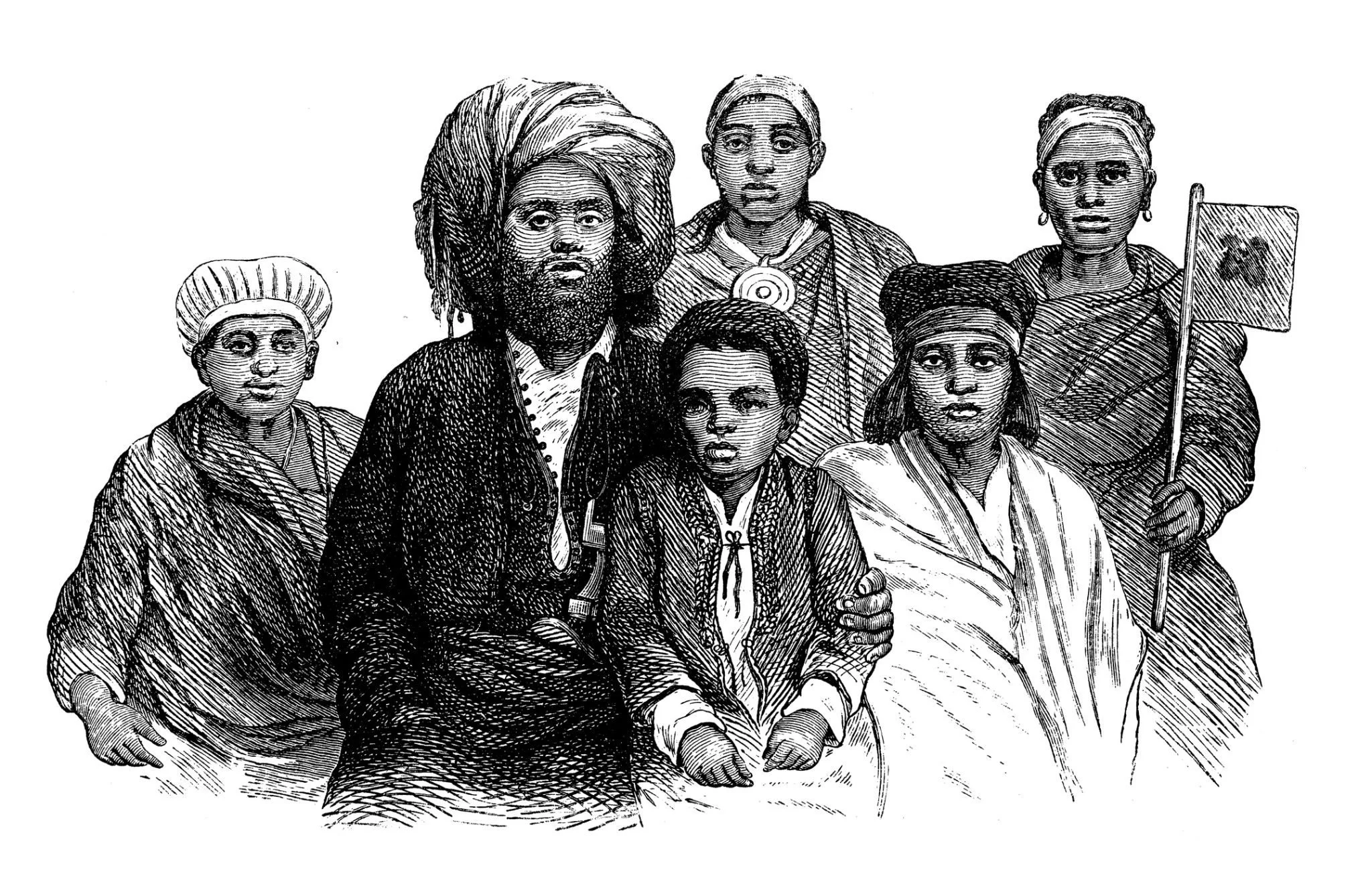
Persian Touches: Ancient Mariners and Mystical Elements
Persians sailed in even earlier, around the 6th century, fleeing religious persecution. They brought shipbuilding skills and navigation know-how.
Look at Swahili doors in Zanzibar – those intricate carvings echo Persian designs, symbolizing protection and status.
Festivals like Mwaka Kogwa in Zanzibar trace back to Persian New Year rites, with fire-jumping and mock fights to start fresh.
In language, Persian words like "dari" (window) slipped in. It's subtle, but it adds a layer of poetry to everyday talk.
These elements remind us Swahili culture values resilience, much like those early settlers.
Indian Connections: Spices, Fabrics, and Family Ties
Indian traders joined the mix in the 19th century, but ties go back further through monsoon winds.
They introduced chapati flatbreads and samosas, now Swahili street favorites. Spices like cardamom transform simple meals into feasts.
Textiles shine here – kangas with printed proverbs draw from Indian sari styles, used for everything from clothing to messaging.
Family businesses in Mombasa often trace Indian roots, blending arranged marriages with Swahili customs.
This connection highlights commerce's role in culture. It's practical, turning trade into lasting bonds.
How This Fusion Lives in Modern Swahili Life
In today's East Africa, this mix thrives. Taarab music fuses Arab melodies with Bantu beats and Indian instruments – perfect for a beach wedding.
Language evolves too. Kiswahili incorporates English and Portuguese loanwords, staying relevant in global chats.
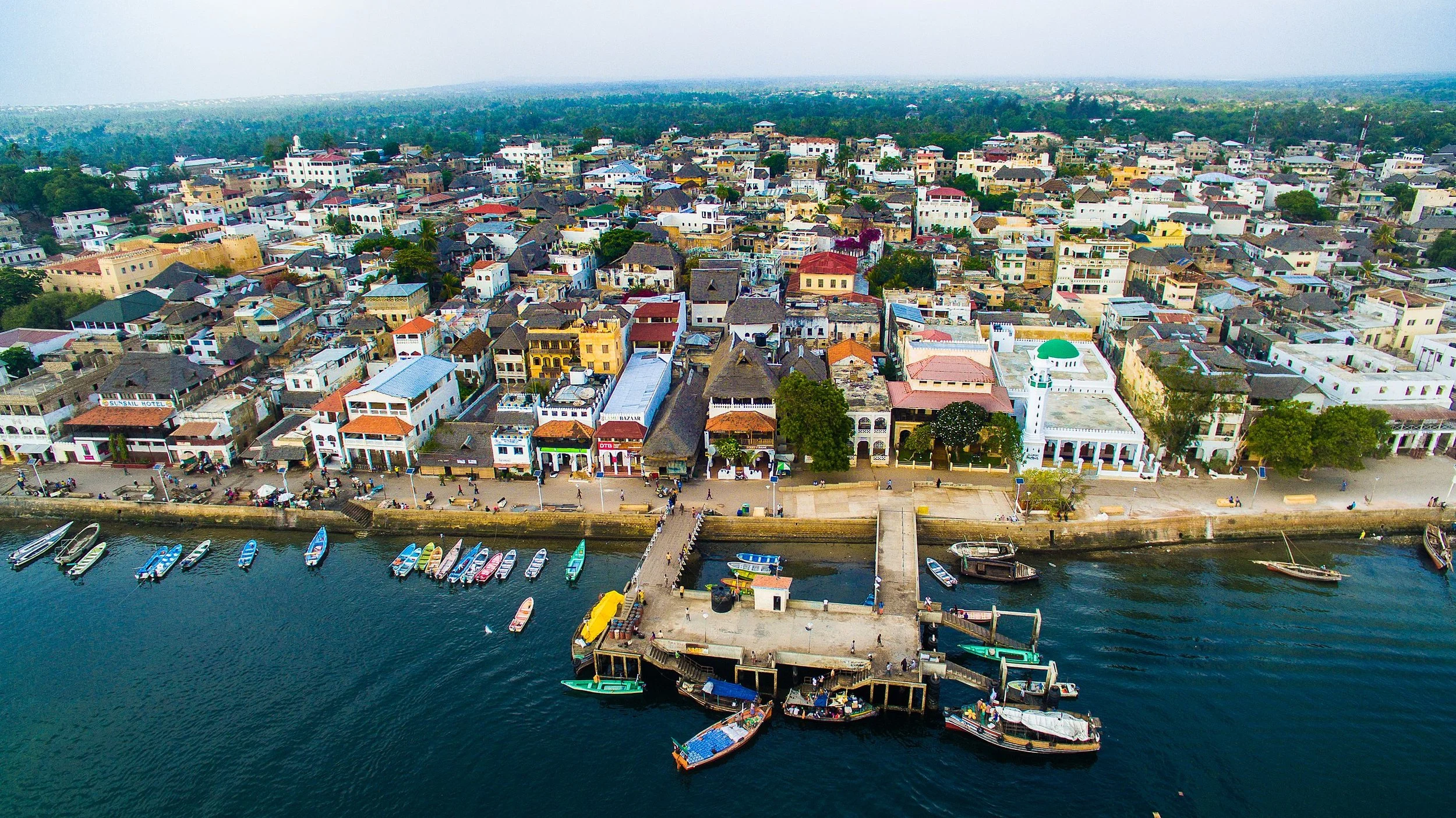
Tourism in Lamu showcases it all: dhow rides, spice markets, and fusion cuisine draw visitors seeking authentic experiences.
Understanding this helps in business or travel. Knowing a Bantu proverb can seal a deal, while Arab etiquette builds trust.
It's not just history. It's a toolkit for navigating multicultural worlds.
FAQs About Swahili Culture Fusion
What is the primary origin of Swahili culture?
Swahili culture originates from Bantu African roots, enriched by Arab, Persian, and Indian influences through centuries of Indian Ocean trade.
How did Arab influences shape Swahili traditions?
Arabs introduced Islam, architecture like mosques, and foods such as pilau, while contributing loanwords that form about 35% of Kiswahili vocabulary.
Are there Persian elements still visible in Swahili culture today?
Yes, in festivals like Mwaka Kogwa with fire rituals, carved doors, and navigation traditions that influence modern coastal life.
What role did Indians play in Swahili cultural fusion?
Indians brought spices, textiles like kangas, and dishes such as chapati, integrating into family and business structures along the coast.
Why is understanding Swahili culture fusion important now?
It fosters cultural pride, aids in global interactions, and highlights East Africa's role as a historical crossroads, relevant for travel and education.
How does Swahili culture fusion appear in everyday life?
In music like taarab, blended cuisines, and social customs that mix respect from Arab traditions with Bantu community focus.
Grasping Swahili culture's fusion reveals East Africa's genius for adaptation. It's a story of people turning trade into identity, creating something enduring and inclusive. Next time you hear Kiswahili or taste pilau, remember the layers behind it. That awareness builds real connection.
Ready to dive deeper? Explore NKENNE's Swahili language lessons – they're your gateway to speaking this fusion heritage with confidence. Start today and own a piece of Africa's coastal story.