
By: Chimdindu Ken-Anaukwu
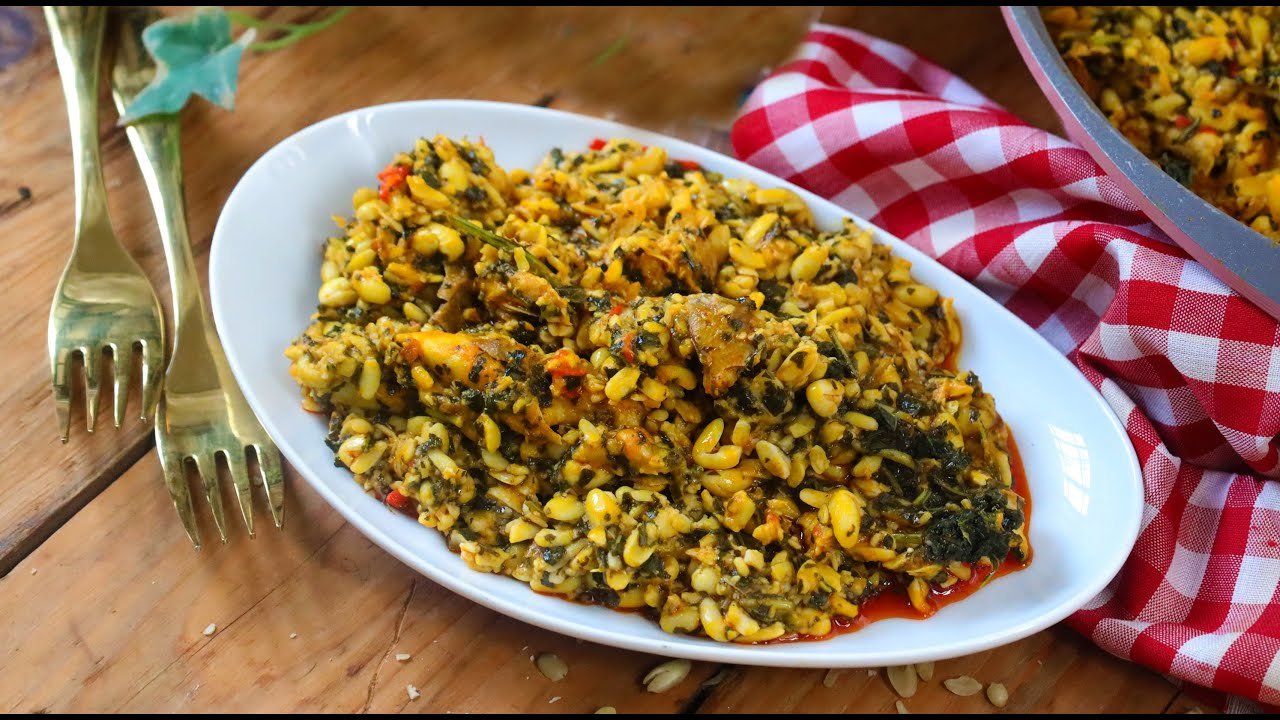
Have you ever tasted something that feels completely new yet strangely comforting? That is exactly what Ukwa porridge delivers. This hearty, gluten-free Igbo dish turns African breadfruit into a rich, satisfying meal loved across southeastern Nigeria.
In this easy guide, you will learn how to make authentic Ukwa porridge at home with simple steps. No complicated techniques. Just real Igbo flavor the way families actually prepare it.
By the end, you will have a warm, nutritious dish perfect for family dinners or weekend meals.
What Is Ukwa Porridge?
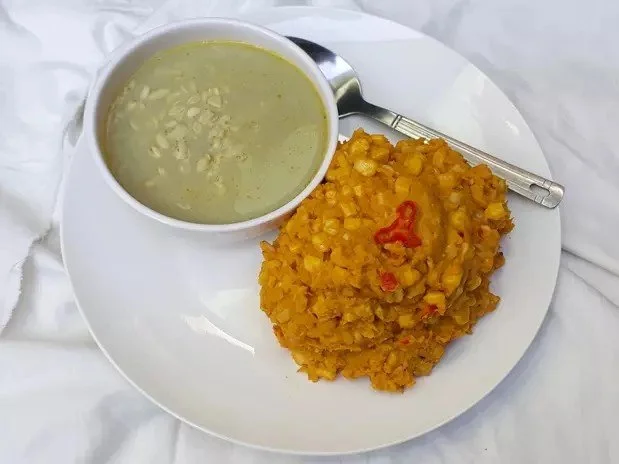
Ukwa is the Igbo name for African breadfruit. When cooked into porridge, it becomes soft, slightly sticky, and deeply flavorful.
Unlike yam or plantain porridge, Ukwa has a unique nutty taste and chewy texture. It is naturally gluten-free and very filling.
This dish is a staple in Anambra, Imo, Abia, Enugu, and Ebonyi states, especially during the Ukwa season.
Why Ukwa Is Special in Igbo Culture
Ukwa holds a proud place in Igbo kitchens. It is seasonal, affordable, and nourishing. Families often cook large pots to share.
In the past, it sustained communities during tough times. Today, it reminds many of home, village visits, and childhood memories.
It is also versatile. You can enjoy it plain or with added protein.
Ingredients for Easy Ukwa Porridge
Serves 4–6 people.
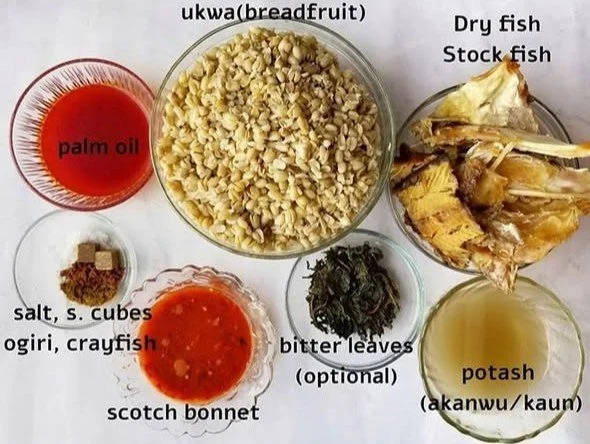
1 big wrap of fresh Ukwa (or 500–700g cleaned breadfruit)
1 cup palm oil
2–3 tablespoons ground crayfish
1–2 smoked fish or dry fish (cleaned)
1 medium onion (chopped)
Scotch bonnet pepper (to taste)
Salt and seasoning cubes
Optional: ugu leaves or uziza leaves for extra flavor
Optional: goat meat or cow skin (kpomo) for richer version
These ingredients create that classic Igbo taste.
Step-by-Step Cooking Guide
Prep the Ukwa
If using fresh Ukwa, remove the seeds from the pod. Wash thoroughly.
Boil the Ukwa
Put the Ukwa in a pot. Add water to cover it. Boil for 20–25 minutes until it starts to soften.
Add seasonings
Add chopped onion, smoked fish, pepper, salt, and seasoning cubes. Continue boiling for another 10 minutes.
Add palm oil
Pour in the palm oil. Stir well. Let it cook for 8–10 minutes so the oil blends nicely.
Thicken the porridge
Mash some of the Ukwa with a wooden spoon to thicken the porridge. Add crayfish and stir.
Final touch
Taste and adjust seasoning. If using ugu or uziza, add them now and cook for 3 more minutes.
Your Ukwa porridge is ready when it has a thick, porridge-like consistency.
Useful Tips for Beginners
Fresh Ukwa cooks faster than dried ones. Soak dried Ukwa overnight if using.
Do not be afraid of the palm oil. It gives the beautiful color and authentic taste.
Mash gently. You want some whole pieces for nice texture.
Start with less pepper. You can always add more later.
The longer it sits, the better the flavors marry.
Serving Suggestions
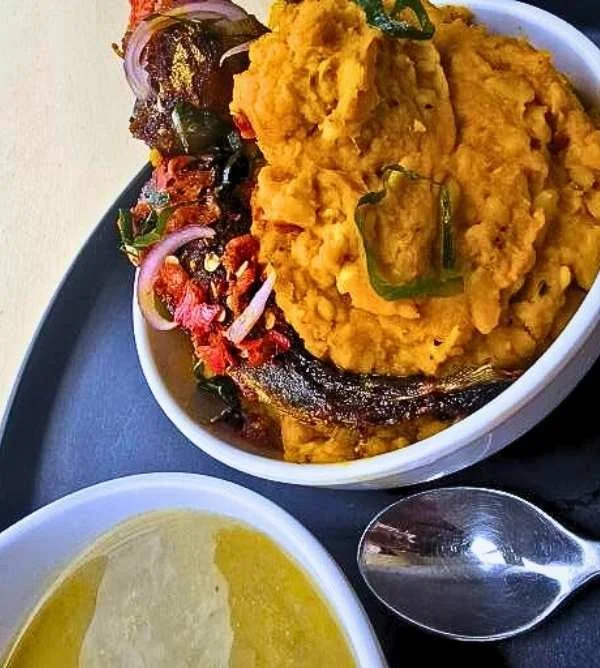
Serve Ukwa porridge hot in bowls. It pairs beautifully with cold drinks or chilled palm wine on weekends.
Many people enjoy it alone as a full meal because it is very filling. You can also serve it with fried plantain or extra smoked fish on the side.
Frequently Asked Questions
What does Ukwa taste like?
It has a mild nutty flavor with a chewy, slightly sticky texture. Not sweet, not plain — very satisfying.
Is Ukwa porridge really gluten-free?
Yes. It is 100% gluten-free and great for anyone avoiding wheat.
Can I use dried Ukwa instead of fresh?
Yes. Soak dried Ukwa in water overnight before cooking.
How long does it take to cook?
About 45–60 minutes total from start to finish.
Can I add meat to it?
Definitely. Goat meat, beef, or kpomo makes it even richer for special occasions.
Where can I buy Ukwa?
Look for it in African or Igbo markets. It is usually sold fresh during the season or dried year-round.
Conclusion
Ukwa porridge proves that simple, local ingredients can create something truly special. It is hearty, healthy, and full of Igbo soul.
Making this dish at home connects you to Nigerian heritage in the most delicious way. Once you try it, it will likely become a regular in your kitchen.
Ready to cook more authentic Igbo meals and understand the culture behind them? With NKENNE, the first African language learning app, you can learn Igbo words, phrases, and cultural stories while building real confidence. Download today and bring more heritage to your table.