
The Secret of Gari Fortor: A Twi Culinary Treasure
By: Chimdindu Ken-Anaukwu
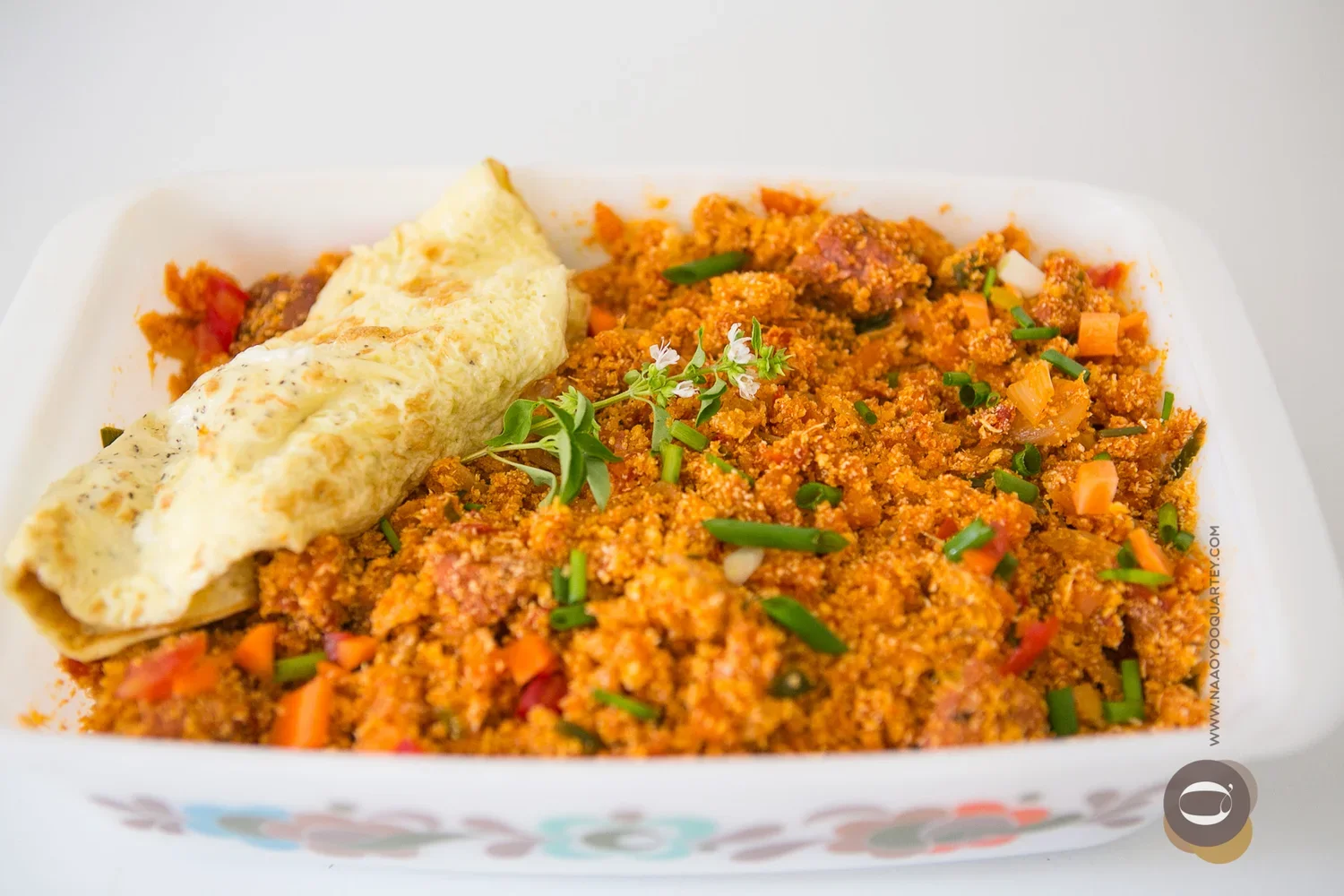
Gari Fortor isn’t just food; it’s a flavor journey that whispers the history, resourcefulness, and heart of Ghana. Known as a Twi culinary treasure, this simple yet vibrant dish transforms humble ingredients into a meal that nourishes both body and soul.
🌾 What is Gari Fortor?
Gari Fortor, sometimes called Gari Foto, is a beloved Ghanaian dish made primarily from gari (cassava flakes), tomatoes, onions, peppers, and often eggs or fish. What makes it special isn’t just the taste; it’s how it brings communities together around the table, often prepared in minutes for breakfast, lunch, or a late-night snack.
In Twi, “fortor” suggests mixing or tossing, because this dish is all about throwing flavors together in perfect harmony.
🧑🏾🍳 Ingredients and Twi Names
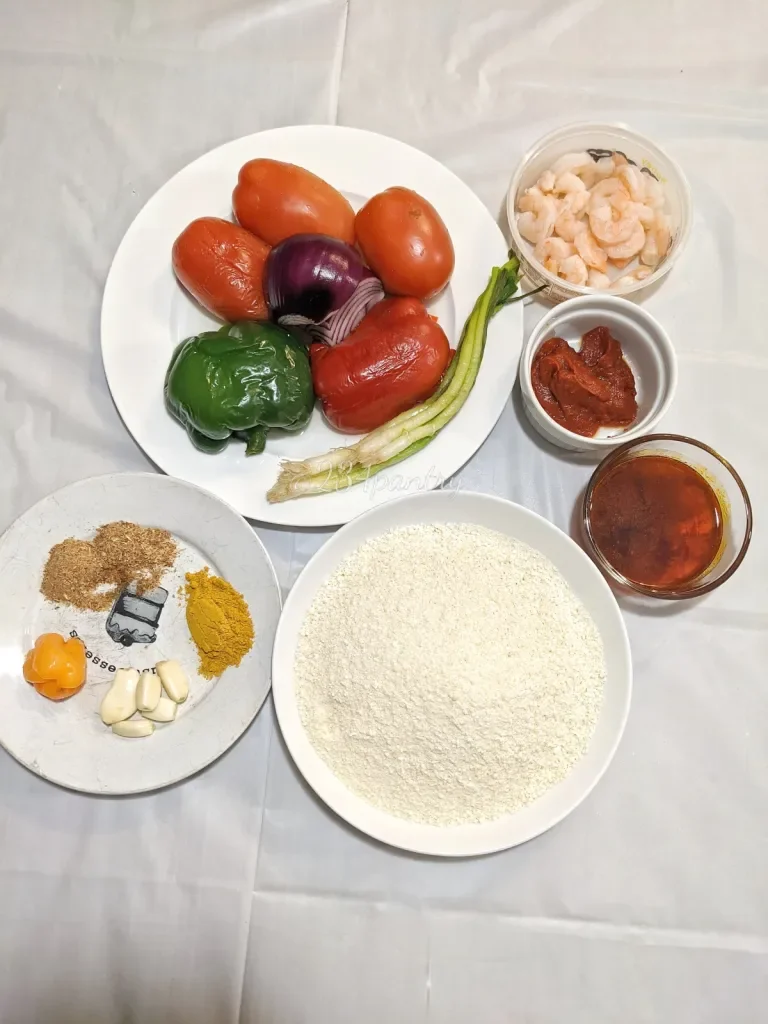
Here’s what you need to make authentic Gari Fortor, along with Twi terms to impress your friends:
Gari – ɛmo or gari (cassava flakes)
Tomatoes – nkateɛ nkitɔ (tomato)
Onions – anwea (onion)
Pepper – mako (hot chili pepper)
Eggs – nkuto (optional)
Palm oil or vegetable oil – nkuto (for cooking)
Salt & seasoning cubes – nkyene ne maggi
Optional additions include smoked fish (ɛpo nsuo nam) or sardines for extra depth.
🔥 How to Make Gari Fortor
Step 1: Prep the Ingredients
Chop tomatoes, onions, and peppers finely.
Beat eggs if you’re adding them.
Keep your gari ready in a bowl for quick mixing.
Step 2: Cook the Sauce
Heat palm oil in a pan until shimmering.
Sauté onions until fragrant.
Add tomatoes and peppers, letting them cook down into a rich, aromatic sauce.
Season with salt and maggi to taste.
Step 3: Toss the Gari
Gradually add gari to the sauce, stirring continuously to avoid clumps.
Add eggs or fish if desired, mixing until everything is well incorporated.
Cook for 5-7 minutes until the dish is evenly heated and the flavors marry beautifully.
Step 4: Serve & Garnish
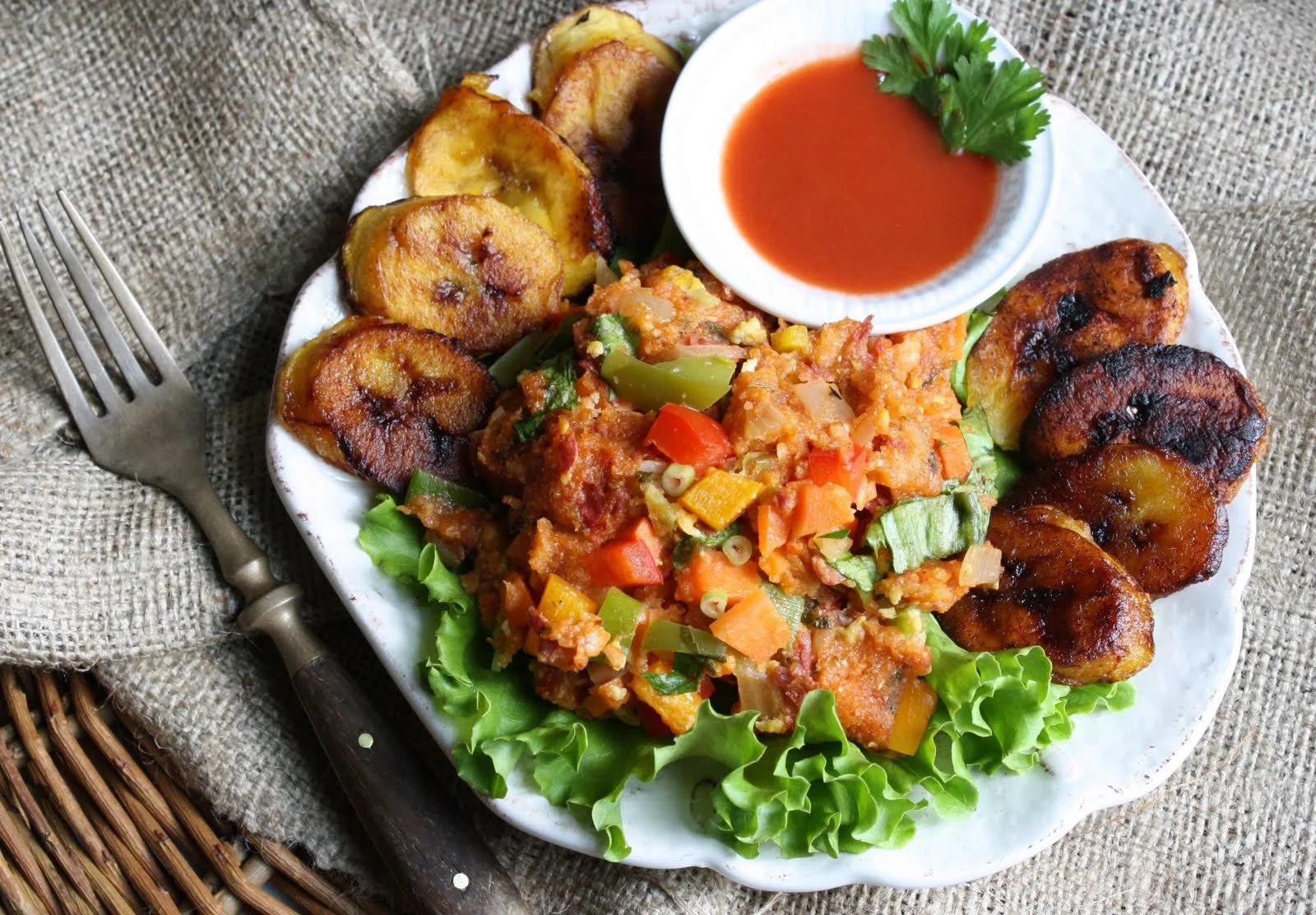
Serve hot, ideally with avocado slices, fresh greens, or a side of fried plantains.
Sprinkle extra pepper for those who like it fiery!
🌍 Cultural Significance
Gari Fortor is more than a quick meal. In Twi-speaking communities:
It’s a comfort food for students, workers, and travelers.
Families prepare it during festivals or communal gatherings, symbolizing resourcefulness.
It carries nostalgia, evoking memories of childhood kitchens and shared stories.
This dish demonstrates how simplicity, when paired with care and tradition, can become a cultural icon.
🧩 Tips for Mastery
Always use fresh, lightly roasted gari for the best texture.
Balance your pepper; too little, and it’s bland; too much, and it steals the show.
Stir continuously to keep the sauce and gari perfectly integrated.
Experiment with proteins like tuna, chicken, or smoked fish to personalize your Gari Fortor.
❓ FAQs
Q: Can I make Gari Fortor vegetarian?
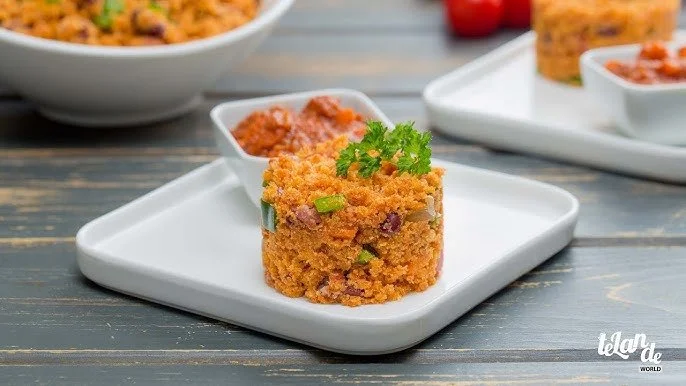
A: Yes! Simply skip eggs or fish and add vegetables for a hearty vegetarian version.
Q: What is the difference between Gari Fortor and Gari Foto?
A: They are the same dish; names vary by region in Ghana.
Q: Can I prepare Gari Fortor ahead of time?
A: It’s best enjoyed fresh, but you can refrigerate leftovers and reheat gently.
Q: What side dishes go well with Gari Fortor?
A: Fried plantains, avocado slices, or fresh salad complement it perfectly.
Final Thoughts
Gari Fortor is a dish that celebrates flavor, culture, and community in every bite. It’s proof that even simple ingredients can become extraordinary when prepared with love, tradition, and a dash of Twi magic.
So next time you crave a meal that’s quick, hearty, and rooted in Ghanaian heritage, remember the secret of Gari Fortor.
Want to learn more Twi culinary phrases and recipes?
Explore interactive lessons on the NKENNE app today!
🙌 Medaase! (We thank you!)