
The Role of Igbo Women: Warriors, Traders, and Unsung Heroes
By: Chimdindu Ken-Anaukwu
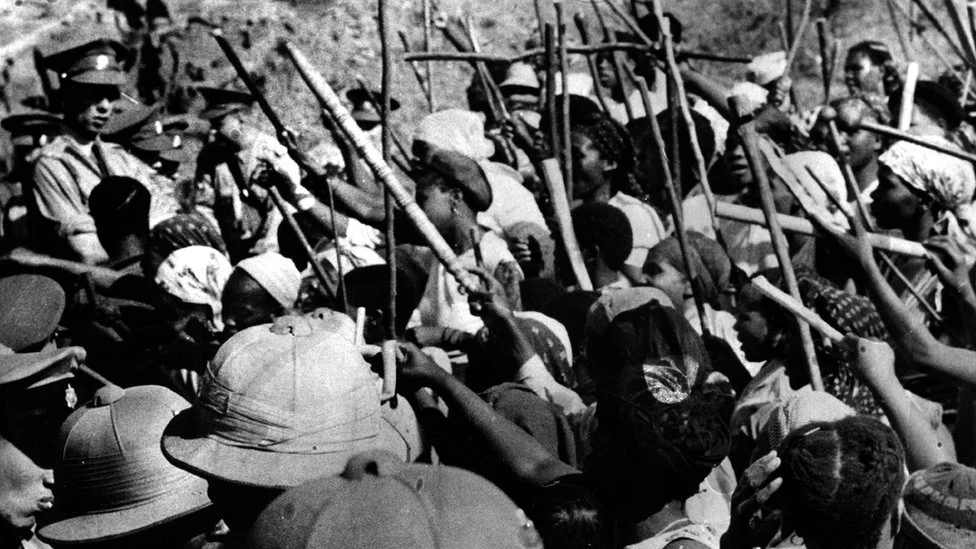
Picture thousands of women marching, singing war songs, and tearing down colonial offices. No guns, just fierce determination. That was the Aba Women's War of 1929. It shows the power Igbo women have always held.
In Igbo society, women have never been in the background. They farm, trade, lead protests, and shape communities. From pre-colonial times to now, they drive change quietly and boldly.
This article explores their roles as warriors, traders, and everyday heroes. You will see historical examples and modern faces. By the end, you will appreciate how these women build Nigerian pride and resilience.
Traditional Roles in Igbo Society
Igbo culture gives women real influence. They control markets and certain crops. Women form groups like mikiri and umuada for support and decisions.
These networks handle community issues. They resolve disputes and enforce rules.
Women join village meetings. Their voices count in local matters.
This setup creates balance. Men lead in some areas, women in others.
It shows equality in action. Not always perfect, but strong.
Warriors and Resisters: The Aba Women's War
In 1929, British colonial rulers tried taxing women. Igbo tradition exempted them.
Thousands of women rose up. They protested in places like Aba, Opobo, and beyond.
Known as Ogu Umunwanyi or the Women's War. They sang, danced, and destroyed warrant chief offices.
No deaths from women, but colonial forces killed over 50. The protest forced changes. Britain dropped the tax and reviewed indirect rule.
This was not chaos. It was organized resistance. Women used their solidarity to challenge power.
It inspires movements today. Shows what unity can do.
Traders and Economic Powerhouses
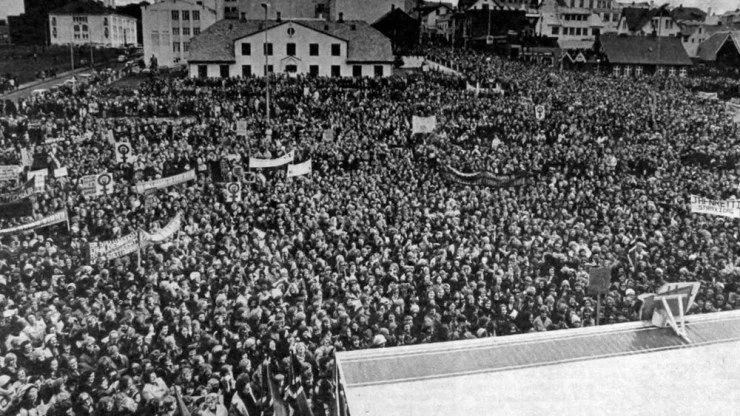
Igbo women dominate trade. They run markets, sell goods, and build wealth.
In pre-colonial days, they farmed and traded. They fed families and communities.
During colonial times, they supplied cities. Their work kept economies alive.
Many became wealthy. They used money to educate children and support kin.
This economic strength gives independence. It lets women influence decisions.
Markets remain women's domains. They negotiate, save, and invest.
Unsung Heroes in Daily Life
Many Igbo women work behind scenes. They raise families, preserve culture, and teach values.
Elders pass down stories and proverbs. They keep language alive.
In villages, women organize festivals and cooperatives. They support each other.
These acts build strong communities. They create stability.
Often overlooked, but essential. They hold society together.
Modern Igbo Women Leading the Way
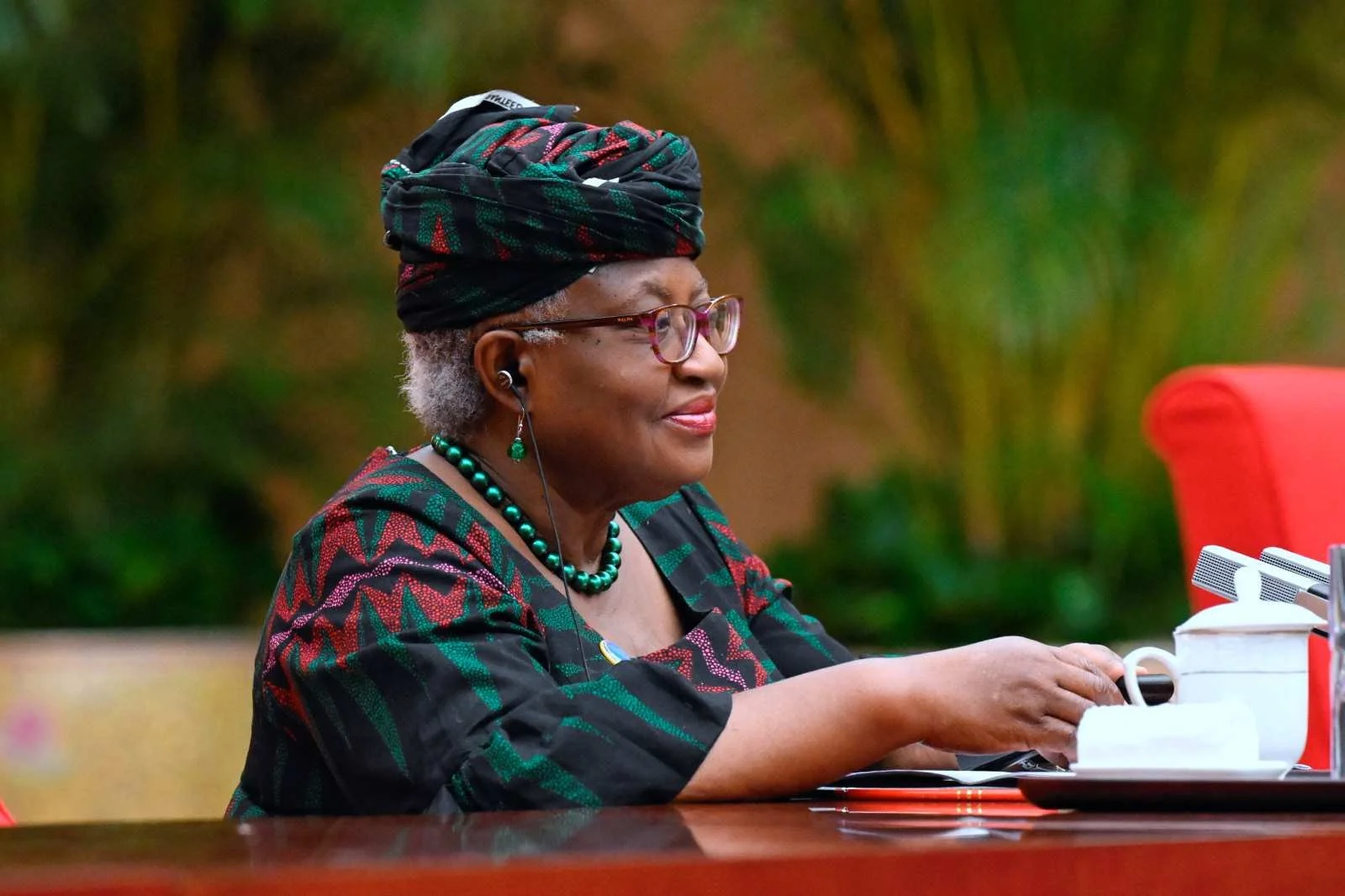
Today, Igbo women shine globally. Ngozi Okonjo-Iweala leads the World Trade Organization. She shapes world economics.
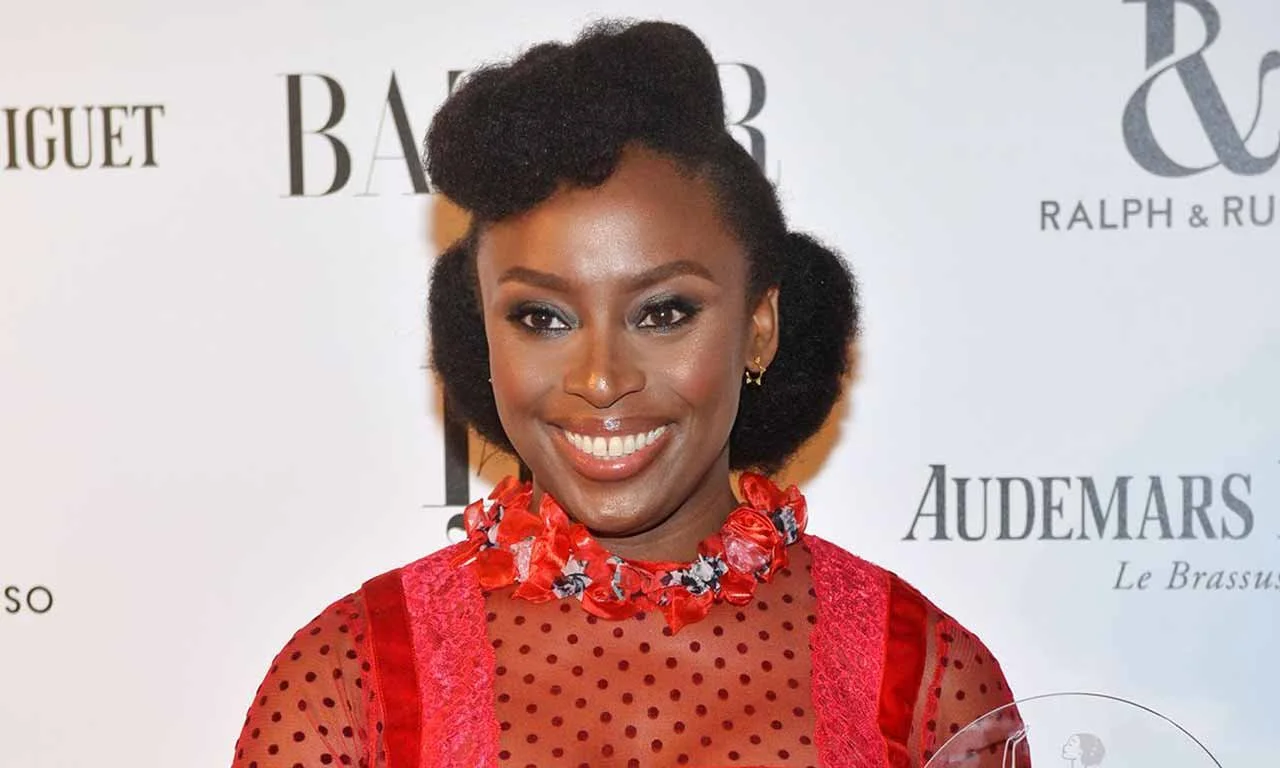
Chimamanda Ngozi Adichie writes powerful books. She advocates for equality and culture.
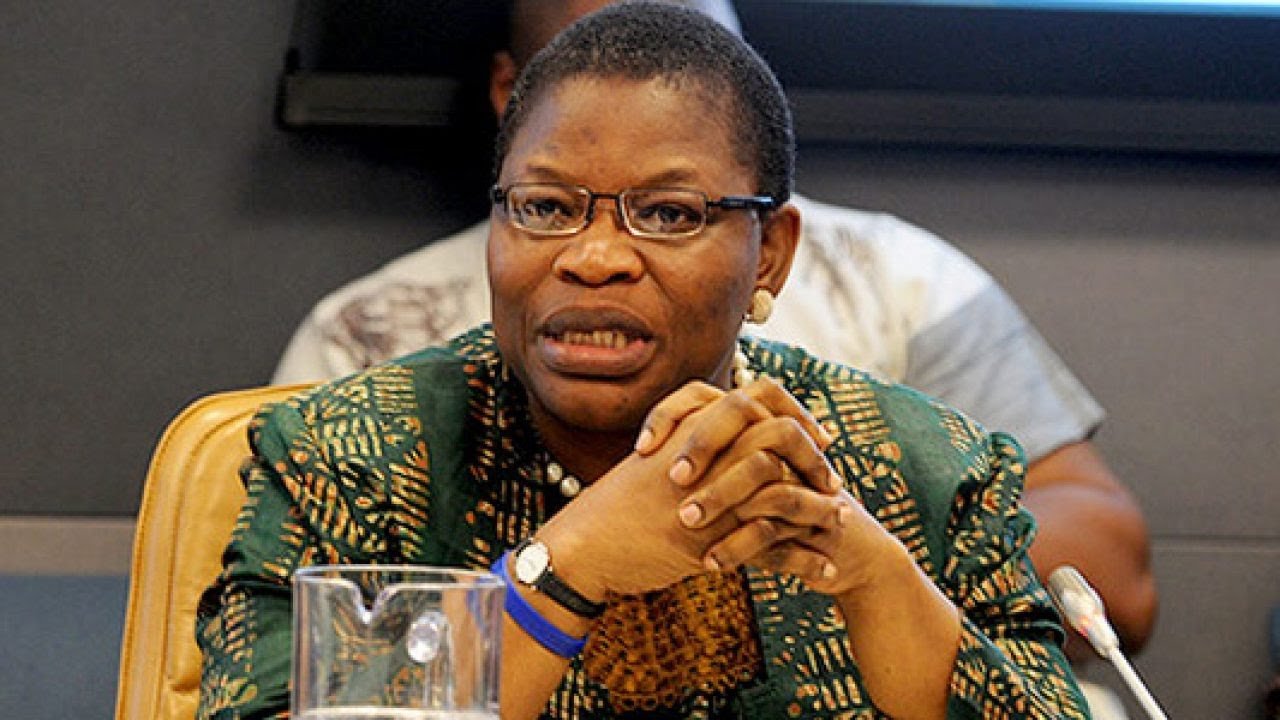
Oby Ezekwesili fights corruption and pushes education. She inspires young leaders.
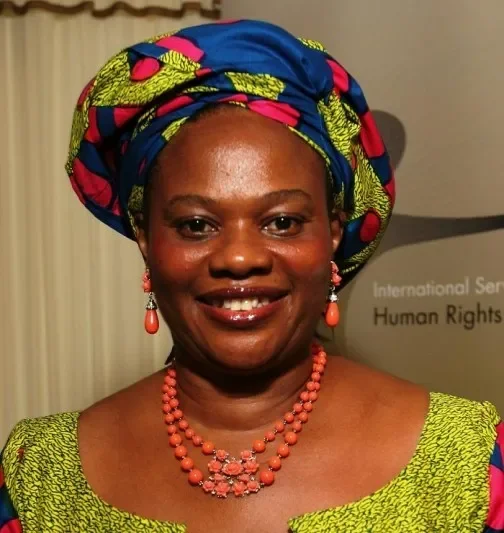
Others excel in business, tech, and activism. They blend tradition with innovation.
These women carry forward the legacy. They prove Igbo women's strength endures.
Why Their Legacy Matters Today
Igbo women's history teaches resilience. They face challenges and win.
Their roles show gender balance works. It benefits everyone.
In modern Nigeria, they push for rights and progress. They combat inequality.
Understanding this builds pride. It encourages young people to step up.
Their story is ongoing. It shapes the future.
Frequently Asked Questions
What sparked the Aba Women's War?
British attempts to tax women directly. It broke tradition and threatened livelihoods.
Were Igbo women really warriors?
Yes. They fought with strategy and solidarity, not weapons. The 1929 war proves it.
How do women trade in Igbo society?
They control local markets. They buy, sell, and build networks for economic power.
Who are some famous modern Igbo women?
Ngozi Okonjo-Iweala, Chimamanda Ngozi Adichie, Oby Ezekwesili lead in global and local spheres.
Do Igbo women still hold traditional roles?
Yes. Many keep market control and family networks. They adapt to modern life.
Why call them unsung heroes?
Much work happens quietly. Family, culture, and community support often goes unrecognized.
Conclusion
Igbo women have always driven society forward. As warriors in protest, traders in markets, and heroes at home.
Their actions in history and today show unbreakable spirit. They inspire cultural pride across generations.
You now see their full impact. Let it spark your own curiosity about Nigerian heritage.
Ready to learn more? With NKENNE, the first African language learning app, dive into Igbo basics, cultural stories, and build real confidence in your roots. Download today and connect deeper.