
By: Chimdindu Ken-Anaukwu
Turn on any popular Afrobeats track or French rap song today. You will probably hear African French flowing through it. Artists with roots in Senegal, Côte d'Ivoire, Cameroon, and the DRC have changed how French sounds in music. Their accent, slang, and natural energy give the songs a special feel. This article explores how African French rose in global music, why it works so well in Afrobeats and rap, and the artists leading the way.
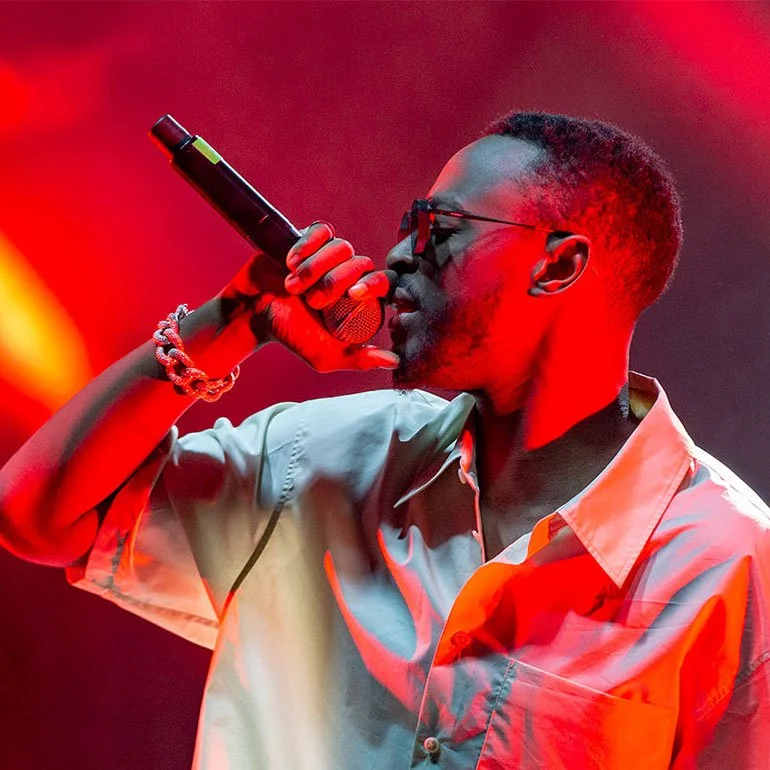
Why African French Is Taking Over Global Music
French is no longer only the language of Paris. Africa will soon be home to most French speakers in the world. This shift appears clearly in modern music.
The success of Afrobeats opened many doors. Artists mix African French with local languages to create songs that feel real and exciting. These tracks move easily from Abidjan clubs to Paris clubs and international playlists. African French brings warmth, musicality, and strong storytelling that connects with listeners across borders.
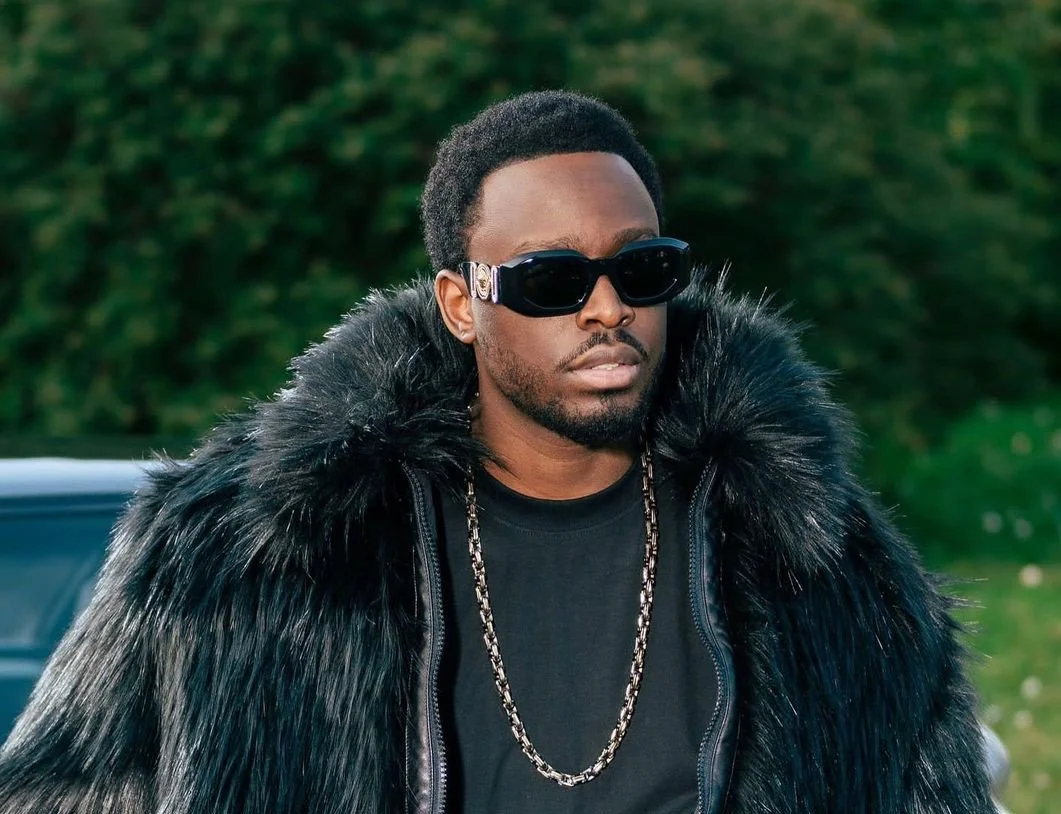
The Power of Accent and Rhythm
The African French accent adds natural musicality. Rolled r sounds, melodic flow, and rhythmic phrasing fit perfectly over beats.
In Afrobeats, this creates smooth delivery that dances with the percussion. In rap, it delivers sharp lines and clever wordplay that standard Parisian French often misses.
The accent carries real emotion and pride. It makes the lyrics feel lived rather than performed.
Slang and Local Flavor: Nouchi, Camfranglais, and More
Slang is where African French shines brightest in music.
Nouchi from Côte d'Ivoire brings street energy and clever metaphors.
Camfranglais from Cameroon mixes French, English, and local words for playful creativity.
Wolof and Lingala influences add unique cadence and repetition.
Artists drop lines like "C'est ça même" or playful Nouchi phrases that make listeners smile and repeat. This slang adds flavor, humor, and cultural depth that standard French cannot match.
Key Artists Leading the Charge
Many strong talents have African roots:
Aya Nakamura (Mali roots): Her playful, confident delivery and urban slang dominate charts.
MHD (Guinea/Senegal roots): Pioneered Afro-trap by blending trap beats with African French flow.
Black M (Guinea roots): Brings powerful storytelling mixed with African musicality.
Dadju and Gims (DRC roots): Add emotional depth and melodic singing.
Shay (Belgian-Congolese): Delivers sharp rap with strong Central African influence.
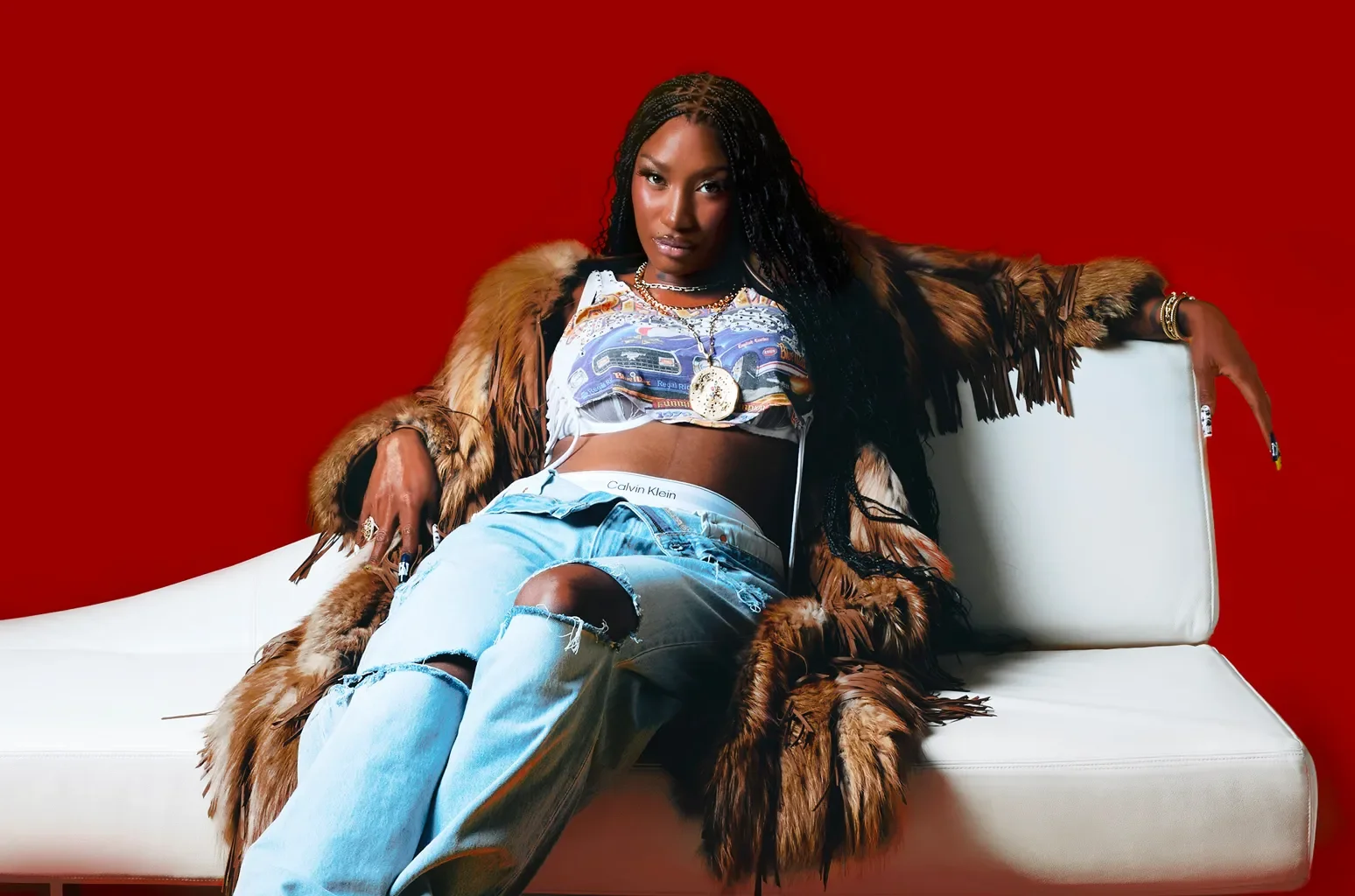
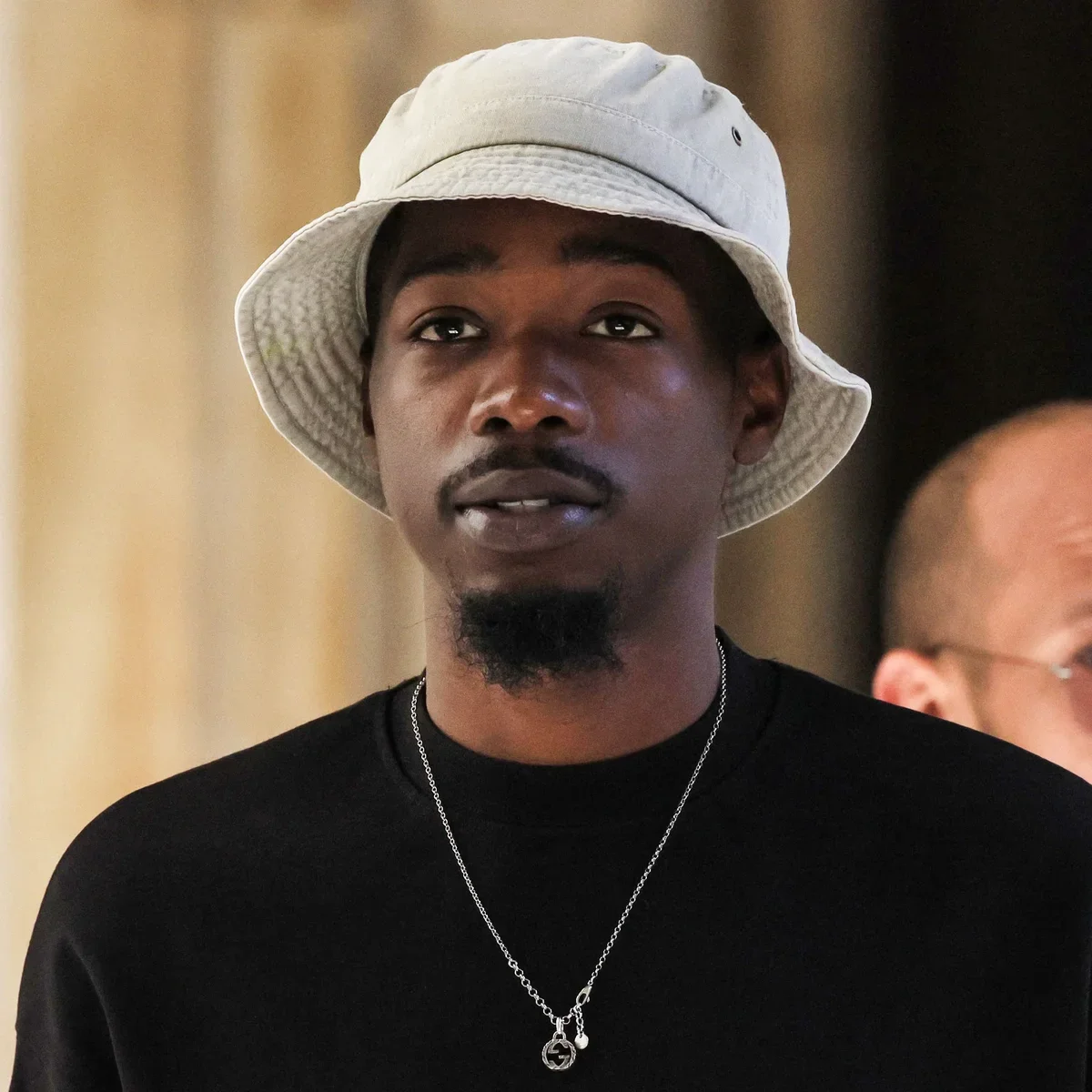
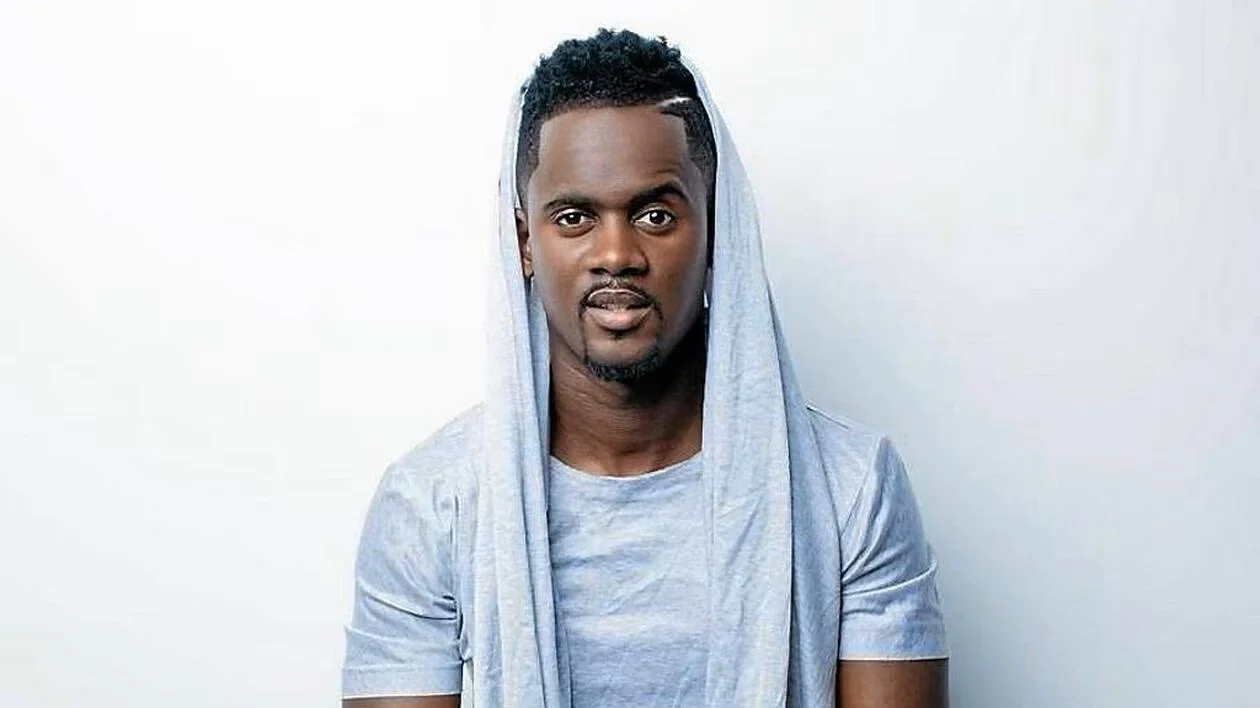
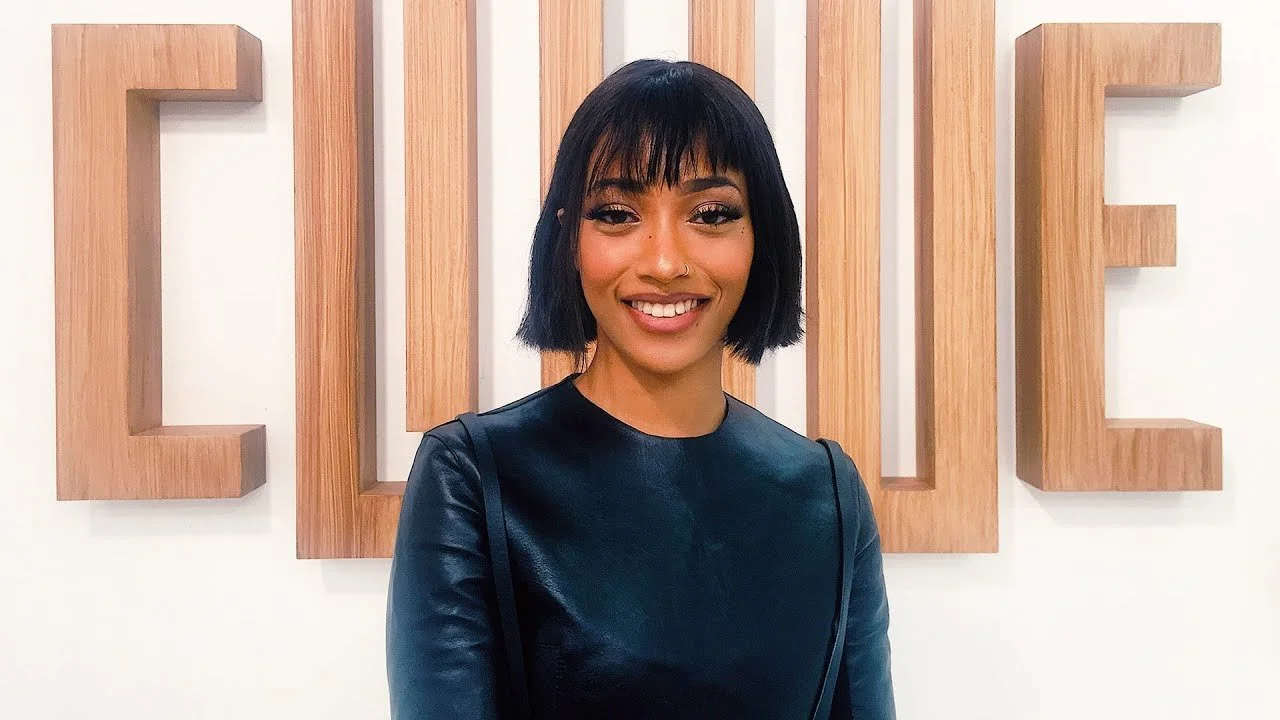
These artists use their African French with pride and share it with the world.
Afrobeats Meets French: A Perfect Match
Afrobeats and African French work beautifully together. The genre's upbeat rhythms pair naturally with the melodic quality of West and Central African French.
Songs switch between French, local languages, and English with ease. This multilingual style makes the music more accessible and culturally rich. The result is hits that feel both local and global.
Impact on Rap and Hip-Hop
African influences have transformed French rap. Artists use faster flows, heavier slang, and stories from immigrant experiences and African realities.
The language becomes a tool for identity, resistance, and celebration. African French rap often feels more urgent and vibrant than older styles.
What This Means for the Future of French Music
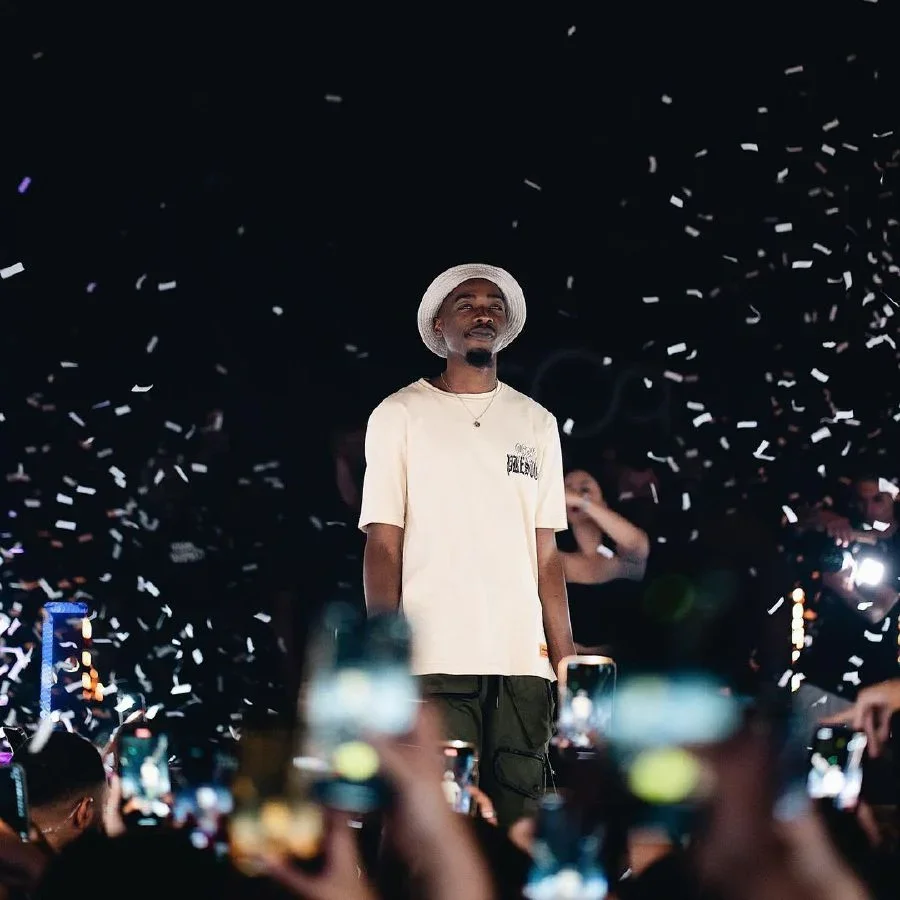
African French is no longer on the side. It now sits at the center of French music's global relevance. As more young African artists rise, the language will keep evolving through music and become more dynamic, inclusive, and powerful.
FAQs
Why does African French sound better in Afrobeats?
The natural rhythm, melodic accent, and cultural energy blend perfectly with Afrobeats percussion and melodies.
Who are the biggest African French artists right now?
Aya Nakamura, MHD, Gims, Dadju, and many emerging talents from Côte d'Ivoire, Senegal, and Cameroon.
What is Nouchi and why is it popular in music?
Nouchi is Ivorian street slang. It adds humor, creativity, and authenticity that resonates with young listeners worldwide.
Can non-native speakers enjoy African French music?
Yes. The vibe, rhythm, and emotion carry the songs even if you do not understand every word.
How is African French changing French rap?
It brings new slang, faster flows, and powerful stories from the African diaspora and continent.
Conclusion
The rise of African French in global music marks a real shift in cultural power. From the infectious rhythms of Afrobeats to the raw energy of rap, the accent, slang, and youthful creativity make it sound fresher and more alive.
This music carries pride, identity, and the vibrant spirit of Francophone Africa to the world.
Want to understand the lyrics, master the slang, and speak the French you hear in these hits? NKENNE offers real African French lessons built around music, culture, and everyday life. Start learning the language of the future today.
Écoute et apprends. The beat is calling! 🎶