
The Niger Delta Roots: How Pidgin Was Born Among Traders, Fishermen, and Diverse Ethnic Groups
By: Chimdindu Ken-Anaukwu
Many people see Pidgin as modern street talk or Afrobeats slang. But its real story starts centuries ago in the creeks and trading posts of the Niger Delta. In places like Warri, Sapele, and early Port Harcourt, traders, fishermen, and people from different ethnic groups needed a common way to speak. Out of that need, Pidgin was born. This is the story of how linguistic diversity in the oil-rich Delta created one of Africa’s most successful unifying languages.

The Early Contact Period: Portuguese Traders Meet the Delta
European contact with the Niger Delta began in the mid-15th century when Portuguese ships arrived along the West African coast. They came for trade, first in goods like ivory, spices, and palm oil, later in the Atlantic slave trade.
To communicate with local fishermen and traders, a simplified contact language emerged. Portuguese words like “sabi” (from saber, meaning to know) and “pikin” (from pequeno, meaning small child) entered the mix and remain in Pidgin today.
When British traders became dominant in the 17th and 18th centuries, English words formed the main vocabulary, but the structure stayed influenced by local languages. This blend created the foundation of what we now call Nigerian Pidgin.
Why the Niger Delta Was Perfect for Pidgin’s Birth
The Niger Delta had no single dominant language. Rivers, creeks, and islands made communities somewhat isolated yet connected through trade.
Fishermen from Ijaw, Itsekiri, and Urhobo groups met at markets and trading posts. Add European traders and later people from Igbo, Edo, and other groups, and you had massive linguistic diversity with no common tongue.
Pidgin filled that gap. It was simple, flexible, and practical for bargaining fish, palm oil, or other goods. The Delta’s role as a major trade highway made it the perfect birthplace.
Key Ethnic Groups and Their Role in Shaping Pidgin
Itsekiri and Ijaw: Early coastal traders and fishermen who interacted directly with Portuguese and British ships. Their seafaring lifestyle helped spread the new language along the creeks.
Urhobo and Isoko: Inland groups who brought words and grammar structures into the mix through market trade.
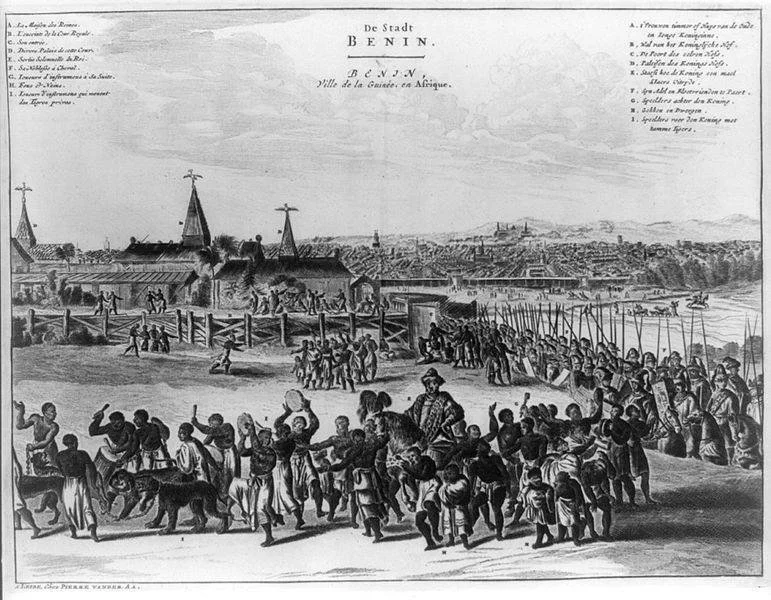
Edo (Bini) Influence: Close ties with the Benin Kingdom brought additional rhythms and vocabulary, especially in the Warri-Sapele-Benin axis.
Later Arrivals: As trade grew, Igbo and other groups added their flavor, especially in the eastern Delta around Port Harcourt.
This diversity prevented any one group from dominating. Pidgin became neutral ground, nobody’s mother tongue at first, but useful to everyone.
From Trade Language to Everyday Speech
What started as business talk between Europeans and locals gradually moved into daily life. Children in mixed communities learned it naturally. By the 19th and 20th centuries, it had spread beyond the Delta through migration, colonialism, and urban centers.
In Warri and Sapele especially, Pidgin became a first language for many families, a true creole. This is rare and shows how deeply rooted it is in the region.
Lasting Legacy in Warri, Sapele, and Port Harcourt
Today, the deepest and most creative forms of Pidgin are still heard in these Delta cities. Warri Pidgin is known for its speed, humor, and inventiveness. Port Harcourt Pidgin feels cosmopolitan, mixing influences from many Rivers groups.
The language that began as a tool for trade has become a symbol of unity in a country with over 500 languages. It connects people across ethnic lines in markets, schools, music, and daily life.
FAQs
When exactly did Nigerian Pidgin start?
It began in the mid-15th century with Portuguese contact and evolved further with British trade in the 17th–18th centuries, mainly in the Niger Delta.
Why did it start in the Niger Delta specifically?
High linguistic diversity, active trade, and lack of a common local language made it the ideal environment for a contact language to develop.
What are some Portuguese words still in Pidgin?
“Sabi” (to know) and “pikin” (child) are the most famous examples that survived centuries.
Is Pidgin a first language anywhere?
Yes — especially in Warri, Sapele, and parts of the western Niger Delta, where many people grow up speaking it as their mother tongue.
How did fishermen and traders contribute?
They were the first daily users. They needed simple, effective communication for buying, selling, and working together on the creeks and at trading posts.
Does Pidgin still carry Delta identity today?
Very much so. The strongest varieties and deepest pride in the language remain in the Niger Delta, even as it spreads nationwide.
Conclusion
The story of Pidgin is the story of the Niger Delta itself: resilient, diverse, and creative. What began among traders and fishermen solving a practical problem became a powerful unifying force for millions. It reminds us that language can bridge divides and carry culture forward in unexpected ways.
This history is part of every Naija person who speaks Pidgin today. It is not “broken English"; it is a proud product of our ancestors’ ingenuity.
Want to dive deeper into Pidgin history, dialects, and practical usage? Explore NKENNE, your home for authentic Nigerian Pidgin lessons, stories, and cultural pride. Start learning and connecting with your roots today.